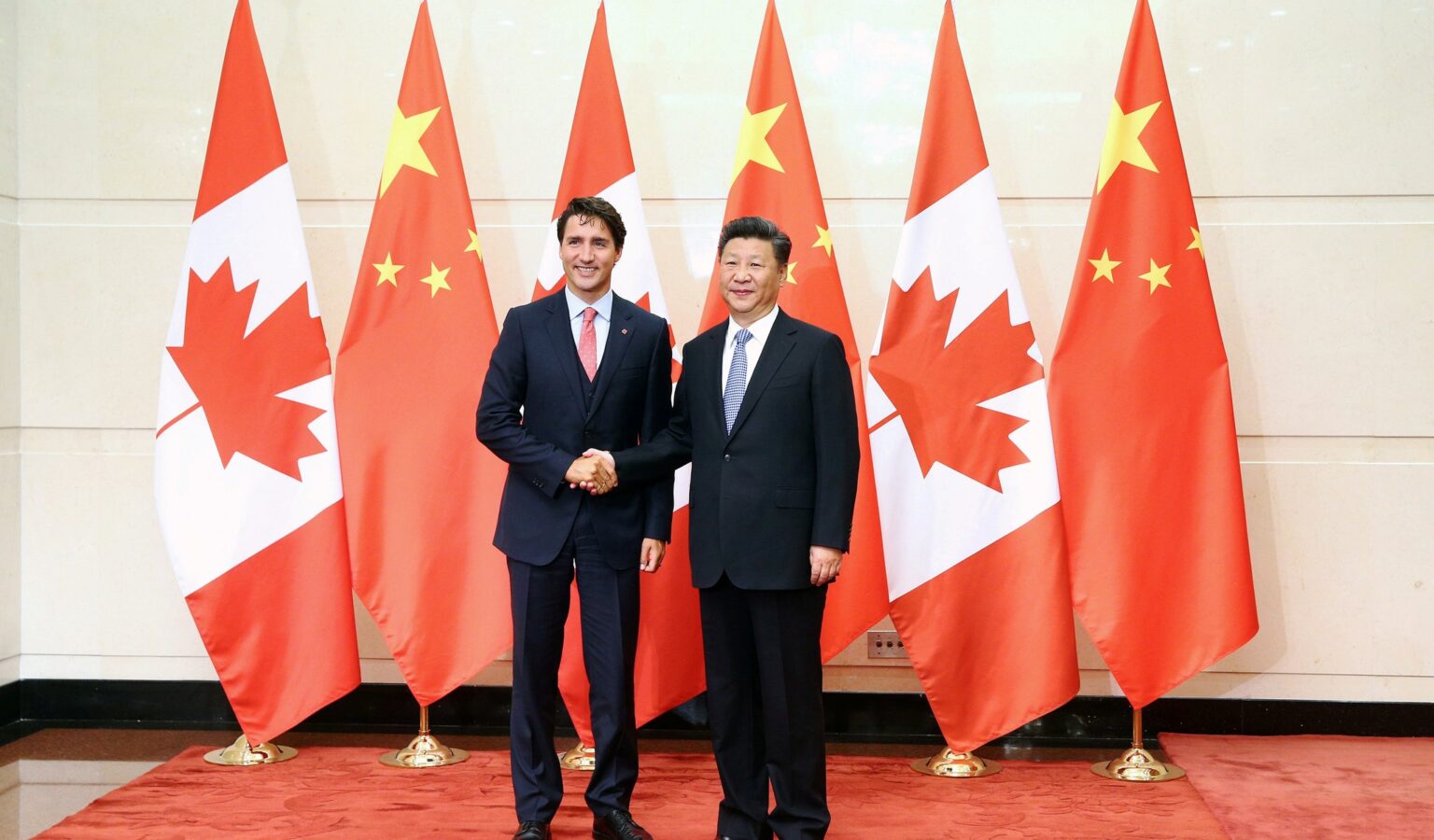
Washington,Ottawa January 2026, trade relations between the United States and Canada have once again come under strain following renewed rhetoric from former US President Donald Trump. According to Brussels Morning Newspaper, recent statements have reignited debate over tariffs, market access, and strategic alignment between the two closely linked economies. At the center of the renewed attention is the Trump Canada tariff, a phrase that has returned to headlines amid growing uncertainty over North American trade stability.
The resurfacing of the Trump Canada tariff discussion has triggered cautious reactions from markets, policymakers, and businesses that depend heavily on predictable cross-border commerce.
A Relationship Built on Integration and Interdependence
The economic relationship between the United States and Canada is among the most deeply integrated in the world. Goods and services worth billions of dollars cross the border daily, supporting industries ranging from automotive manufacturing to agriculture and energy.
Against this backdrop, renewed focus on the Trump Canada tariff highlights the vulnerability of even the strongest trade relationships to political pressure and shifting strategic priorities.
Trump’s Trade Doctrine and Its Revival
Throughout his political career, Trump has emphasized trade as a tool of leverage rather than cooperation. He has repeatedly argued that tariffs can correct imbalances and protect domestic industries from unfair competition.
The reemergence of the Trump Canada tariff narrative reflects a continuation of this philosophy, emphasizing pressure tactics over consensus-building in economic diplomacy.
Canada’s Balancing Act
For Canada, maintaining a close economic partnership with the United States remains essential. At the same time, Ottawa has pursued trade diversification to reduce reliance on a single market.
As the Trump Canada tariff issue resurfaces, Canadian policymakers face renewed pressure to balance economic pragmatism with strategic caution, particularly when external trade partnerships attract scrutiny from Washington.
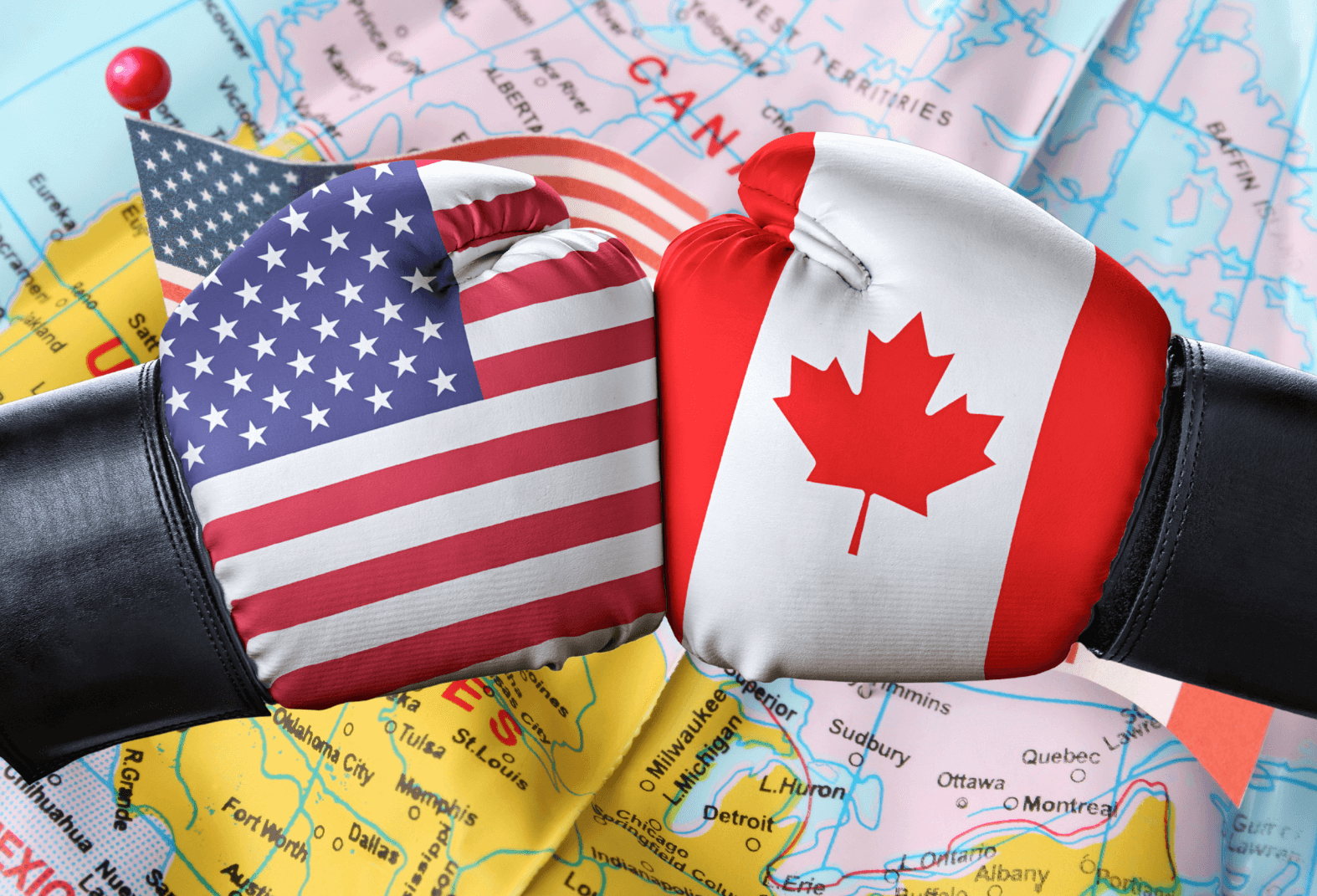
Economic Exposure Across the Border
Any significant tariff escalation would have immediate economic consequences. Manufacturing supply chains are highly integrated, meaning that added costs ripple quickly through production networks.
Economists warn that the Trump Canada tariff scenario could lead to higher consumer prices, delayed production timelines, and reduced competitiveness for North American firms globally.
Market Reaction and Investor Sentiment
Financial markets are sensitive to trade uncertainty. Even the suggestion of new tariffs can influence currency movements, equity valuations, and investment decisions.
The renewed attention to the Trump Canada tariff has prompted analysts to reassess risk exposure in sectors most reliant on cross-border trade.
Diplomatic Strain Beyond Economics
Trade disputes often extend beyond economic impact. Canada and the United States cooperate closely on defense, intelligence sharing, border security, and environmental policy.
Diplomats caution that the Trump Canada tariff debate risks introducing friction into broader bilateral cooperation that depends on trust and predictability.
The Role of China in the Broader Picture
China’s expanding role in global trade forms part of the context behind renewed tariff rhetoric. Washington has grown increasingly wary of allies deepening economic engagement with Beijing in sensitive sectors.
The revival of the Trump Canada tariff discussion reflects broader strategic concerns about alignment and influence in a changing global order.

Historical Precedent of Tariff Pressure
Tariffs have historically been used as negotiating tools rather than permanent policy instruments. In previous disputes, threats sometimes resulted in revised agreements or temporary compromises.
Analysts note that the Trump Canada tariff rhetoric fits a familiar pattern of aggressive bargaining intended to extract concessions rather than impose lasting barriers.
Domestic Politics and Trade Messaging
Trade policy remains a powerful political tool. In the United States, it resonates with voters concerned about manufacturing jobs and economic sovereignty.
In Canada, the Trump Canada tariff issue feeds domestic debate about dependence on the US market and the need for diversified economic partnerships.
One Official Quote
A senior US political figure said,
“Trade must be fair, reciprocal, and serve the interests of American workers.”
Implications for North American Trade Agreements
The United States–Mexico–Canada Agreement was designed to provide long-term stability and clear rules for regional trade.
Repeated focus on the Trump Canada tariff raises questions about how resilient such frameworks are when political priorities shift.
Energy Trade at Risk
Energy is a cornerstone of US–Canada trade. Oil, gas, and electricity flows depend on open borders and regulatory coordination.
Any escalation linked to the Trump Canada tariff could disrupt investment planning and infrastructure development in the energy sector.

Manufacturing and Automotive Supply Chains
The automotive industry is particularly vulnerable to tariffs due to just-in-time production systems and cross-border component sourcing.
Industry leaders warn that the Trump Canada tariff could force costly restructuring of supply chains that have evolved over decades.
Agriculture and Rural Economies
Agricultural trade between the two countries supports farmers and rural communities on both sides of the border.
Tariff uncertainty tied to the Trump Canada tariff could disrupt seasonal planning and export contracts critical to farm incomes.
Managing Trade Uncertainty
Governments often rely on quiet diplomacy to resolve disputes before they escalate. Behind-the-scenes engagement remains ongoing despite public rhetoric.
Many observers believe the Trump Canada tariff issue could ultimately be defused through negotiation rather than confrontation.
Global Perception and Credibility
How North America manages internal trade disputes affects its credibility on the global stage. Partners value predictability and rule-based trade governance.
The handling of the Trump Canada tariff debate will influence international perceptions of regional economic leadership.
Legal and Institutional Constraints
Trade policy operates within legal frameworks that limit unilateral action. Domestic courts, international agreements, and political institutions all shape outcomes.
The Trump Canada tariff discussion must navigate these constraints even as political messaging intensifies.
Strategic Calculations in 2026
The timing of renewed trade rhetoric reflects broader geopolitical calculations. With global competition intensifying, economic alignment has become increasingly strategic.
In this environment, the Trump Canada tariff debate is as much about influence as it is about commerce.
Media Coverage and Public Narrative
Media framing plays a significant role in shaping public perception of trade disputes. Headlines emphasizing conflict can amplify market anxiety.
Responsible reporting on the Trump Canada tariff helps contextualize rhetoric within longer-term economic realities.
Long-Term Economic Resilience
Despite periodic tensions, the US–Canada economic relationship has shown remarkable resilience. Shared values, geography, and institutional ties provide a strong foundation.
Many economists argue that the Trump Canada tariff episode is unlikely to fundamentally alter long-term integration.
Lessons From Past Trade Disputes
Previous trade disputes offer lessons in restraint and compromise. Escalation often proves costly, while negotiated solutions preserve mutual benefit.
The Trump Canada tariff discussion may follow a similar trajectory toward eventual de-escalation.
Preparing for Multiple Scenarios
Businesses increasingly plan for trade uncertainty by diversifying suppliers and markets. Governments also build contingency strategies.
The recurrence of the Trump Canada tariff debate underscores the importance of preparedness in an unpredictable trade environment.
Diplomatic Channels Remain Open
Despite strong rhetoric, diplomatic communication continues. Officials on both sides emphasize the value of dialogue in preventing miscalculation.
The Trump Canada tariff issue remains subject to negotiation rather than inevitability.
Assessing the Probability of Action
Political rhetoric does not always translate into policy. Analysts caution against assuming that tariff threats will materialize.
The Trump Canada tariff discussion may ultimately serve more as a negotiating signal than a concrete policy direction.
Economic Confidence and Consumer Impact
Consumer confidence is sensitive to trade uncertainty. Rising costs or supply disruptions can quickly affect household budgets.
Managing narratives around the Trump Canada tariff is therefore important for economic stability.
Strategic Patience in Trade Relations
Trade relationships evolve over time, shaped by cycles of cooperation and tension. Strategic patience often proves more effective than confrontation.
Many experts view the Trump Canada tariff debate as part of this broader cycle rather than a defining rupture.
Looking Ahead
As 2026 progresses, attention will focus on whether rhetoric escalates or cools. Markets, businesses, and governments alike will watch for concrete policy signals.
The trajectory of the Trump Canada tariff issue will depend on political calculations, economic conditions, and diplomatic engagement.
When Trade Rhetoric Tests the Strength of Economic Alliances
The renewed focus on tariffs has reintroduced uncertainty into one of the world’s most integrated trade relationships. While no immediate measures have been enacted, the rhetoric alone has demonstrated how vulnerable even close partnerships can be to political pressure.
In 2026, the Trump Canada tariff debate serves as a reminder that economic integration requires constant maintenance, careful diplomacy, and restraint to ensure that shared prosperity is not undermined by short-term political calculations.