Dallas, Texas, USA, January, 2026 — Brussels Morning Newspaper highlights a powerful winter storm that brought widespread Texas snowfall to regions unaccustomed to sustained freezing conditions, altering daily life across the state within hours. Snow accumulated on highways, residential streets, and open land as temperatures dropped sharply overnight, prompting travel advisories and emergency preparations across multiple counties.
Meteorologists said Arctic air pushed deep into the southern United States while moisture from the Gulf of Mexico surged northward, creating conditions favorable for snow rather than rain. The rapid transition left many residents facing hazardous conditions with little advance notice.
Atmospheric Forces Behind the Weather Shift
The storm developed under a deep upper-level trough extending from central Canada into the southern plains. This pattern allowed cold air to move farther south than is typical during winter, a setup forecasters had been tracking closely.
As cold air collided with warm, moisture-rich air, precipitation intensified and turned to snow across large portions of the state. This interaction played a central role in expanding Texas snowfall across northern and central regions where surface temperatures fell rapidly.
Regions Experiencing the Heaviest Effects
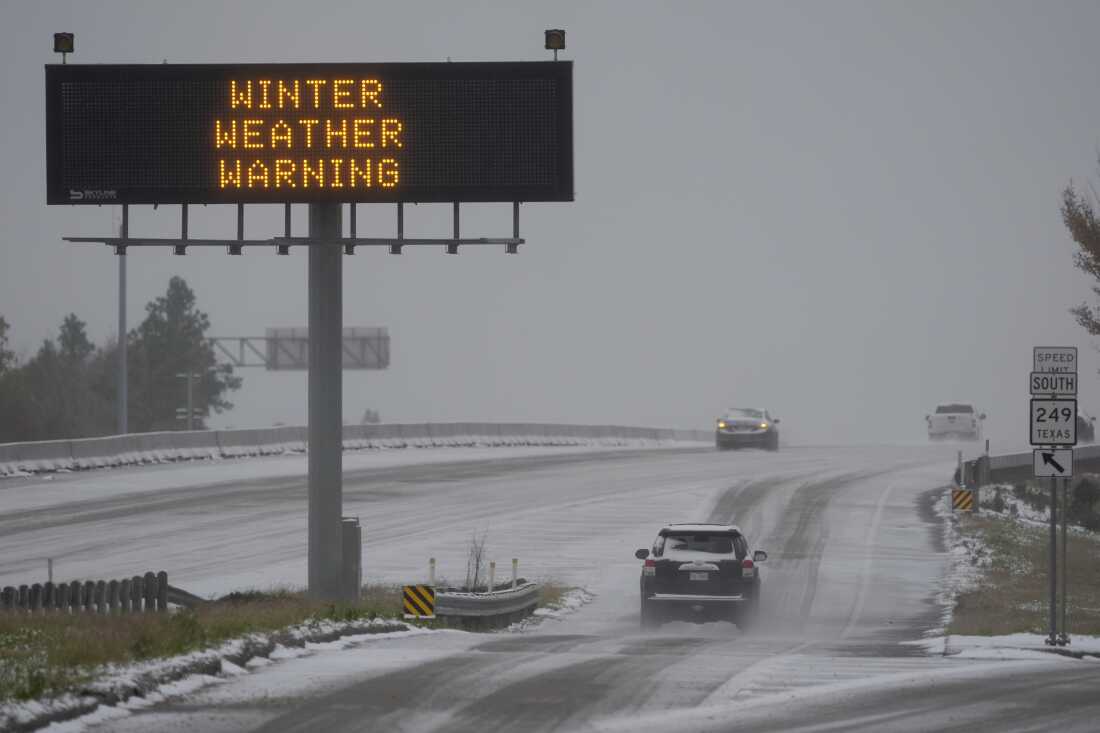
Snowfall stretched from the Panhandle through North Texas and into parts of Central Texas. Urban areas saw slick roads and reduced visibility, while rural highways iced over quickly due to untreated surfaces.
Transportation officials warned that even limited Texas snowfall can cause significant disruption in southern climates, particularly on bridges and overpasses that freeze faster than surrounding roadways.
Road Networks and Aviation Disruptions
Major highways experienced slowdowns as drivers adjusted to unfamiliar winter conditions. State crews deployed sanding and treatment vehicles, though freezing temperatures limited their effectiveness in some locations.
Airports across the Dallas–Fort Worth region reported delays and cancellations as crews worked to de-ice runways and aircraft. Airlines advised passengers to monitor schedules closely as Texas snowfall continued during peak travel periods.
Energy Demand Rises Amid Freezing Temperatures
Colder conditions drove a sharp increase in electricity and natural gas usage as households turned up heating systems. Utility providers said grids remained stable, supported by reserve capacity and improved coordination.
The arrival of Texas snowfall renewed public focus on winter preparedness and infrastructure resilience. Energy analysts noted that investments made after previous cold-weather events helped utilities anticipate demand spikes more effectively.
Schools and Businesses Adjust Operations
School districts across affected counties announced closures or shifted to remote learning due to hazardous travel conditions. Universities delayed classes, while some institutions suspended operations for the day.
Businesses modified hours or closed temporarily, particularly those requiring employee travel. Retailers reported increased demand for heating supplies, food, and bottled water as residents prepared to remain indoors during Texas snowfall.
Emergency Services Respond to Increased Calls
Emergency responders increased staffing levels to manage weather-related incidents, including traffic accidents and stranded motorists. Authorities urged residents to avoid unnecessary travel and to check on elderly or vulnerable neighbors.
One emergency management official said,
“Winter weather in southern regions requires immediate caution because infrastructure and drivers are less accustomed to snow and ice.”
Economic Effects Across Key Industries
The storm introduced short-term economic challenges across multiple sectors. Construction projects paused operations, while logistics companies adjusted delivery schedules due to hazardous road conditions.
Economists observed that Texas snowfall caused immediate disruption but was unlikely to result in lasting economic damage if recovery progressed quickly. Supply chains experienced delays, particularly in ground transportation.
National Weather Context as the Storm Moves East
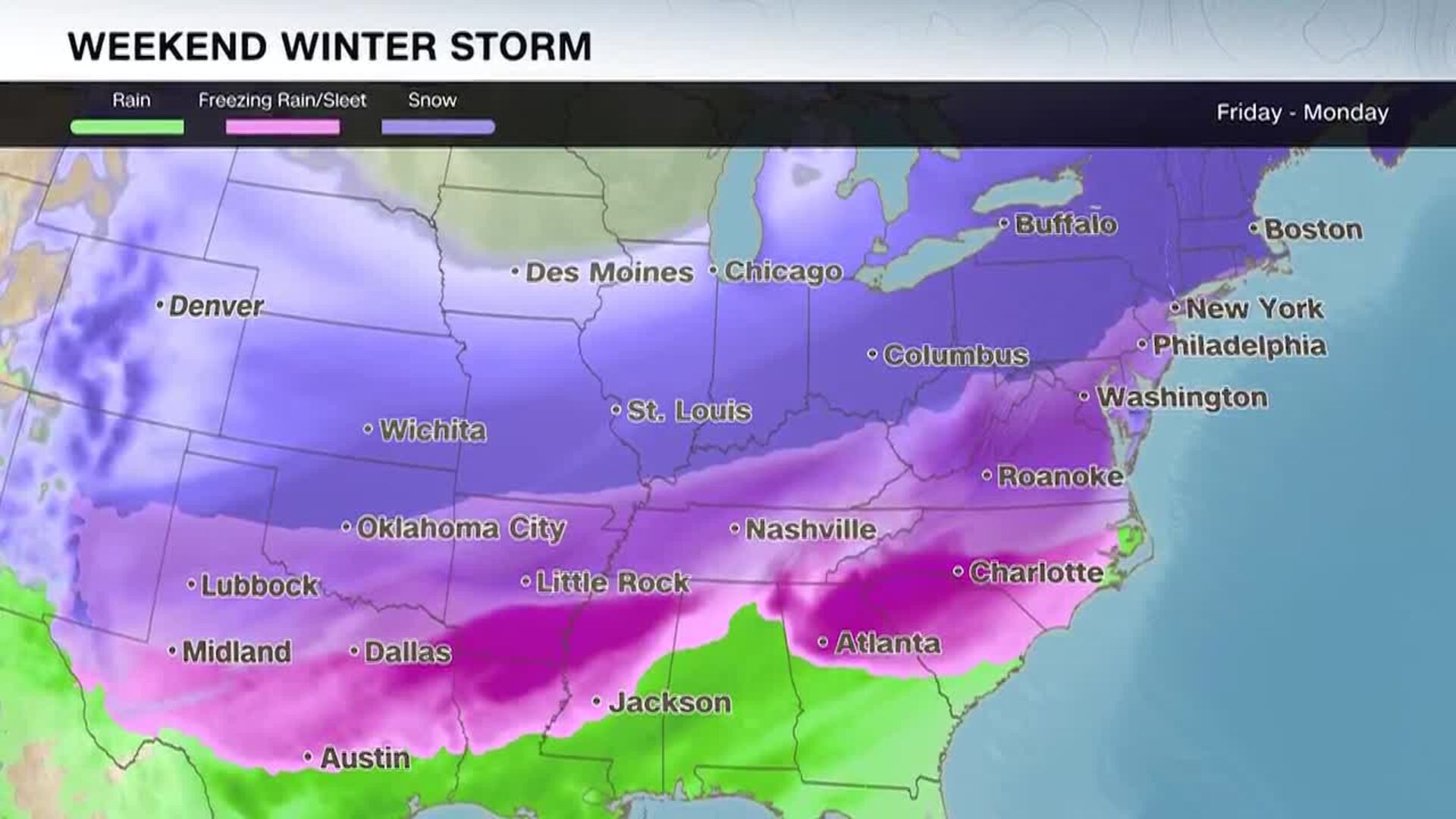
The system affecting Texas was part of a broader winter pattern influencing multiple states across the central and eastern United States. Forecasts indicated snow and ice could extend toward the Midwest and East Coast, affecting millions more.
Climate specialists noted that shifting jet stream patterns can push Arctic air into southern latitudes, increasing the likelihood of Texas snowfall and similar events.
Public Reaction and Community Adaptation
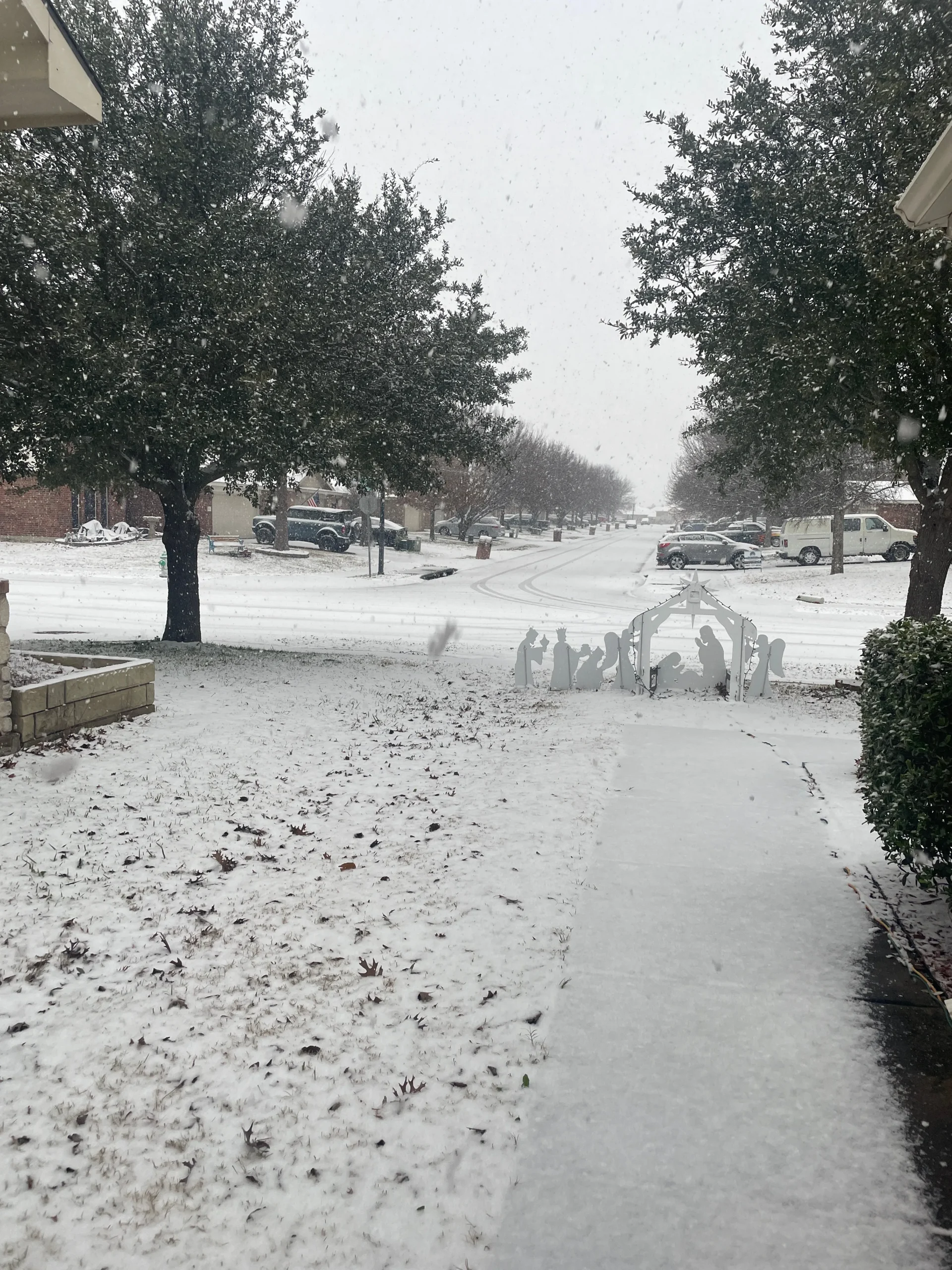
Residents shared images of snow-covered neighborhoods and landmarks, reflecting both concern and novelty. Community organizations opened warming centers and coordinated assistance for those without reliable heating.
Despite challenges, Texas snowfall encouraged cooperation among neighbors, with volunteers helping distribute supplies and share safety information.
Healthcare Concerns During Prolonged Cold
Hospitals and clinics prepared for a potential rise in cold-related injuries, including slips, falls, and exposure-related illnesses. Health authorities advised residents to use heating equipment safely and limit outdoor activity when possible.
Public messaging focused on protecting vulnerable populations during periods of Texas snowfall, particularly older adults and individuals experiencing homelessness.
Infrastructure Performance Under Stress
Transportation infrastructure faced sustained pressure as freezing conditions persisted. Road crews worked extended shifts to treat surfaces and clear ice where possible.
Energy providers monitored grid performance closely as demand remained elevated. Officials said infrastructure upgrades contributed to system reliability during the period of Texas snowfall.
Historical Context of Winter Events in the State
Texas has experienced notable winter storms in past decades, though such events remain relatively rare. Historical climate records show that severe cold outbreaks often coincide with broader atmospheric shifts.
The current Texas snowfall is expected to be referenced in future assessments examining preparedness and climate variability in southern regions.
Recovery Efforts Begin as Conditions Improve
As snowfall tapered and temperatures gradually stabilized, recovery efforts accelerated. Road crews cleared remaining ice, while utility teams inspected equipment affected by freezing conditions.
Local governments encouraged residents to remain cautious, noting that residual ice could persist even after Texas snowfall ended.
Preparedness Lessons for the Future
Emergency planners emphasized the importance of early warnings, public awareness, and inter-agency coordination. Residents were encouraged to maintain emergency kits and stay informed during extreme weather events.
Officials said the experience underscored the need for ongoing investment in forecasting and infrastructure as Texas snowfall becomes a more realistic risk.
Community Resilience on Display
Despite widespread disruption, the storm highlighted community resilience. Neighbors assisted one another, local organizations mobilized resources, and public cooperation helped reduce strain on emergency services.
This shared response illustrated how communities can adapt quickly during unexpected weather extremes such as Texas snowfall.
When Southern Winters Redefine Expectations
The winter storm that brought snow to Texas stands as one of the defining weather events of 2026. It tested infrastructure, disrupted routines, and challenged assumptions about regional climate norms.
As communities recover and normal life resumes, the lessons learned from this Texas snowfall will influence preparedness strategies, infrastructure planning, and public awareness for years to come.