
Brussels, Belgium — January, 2026: European policymakers moved decisively to reinforce digital oversight as Technology regulation EU entered a new and more assertive phase, underscoring how artificial intelligence and large online platforms are reshaping governance, competition, and public trust across the continent.
Europe’s Digital Policy Landscape in 2026
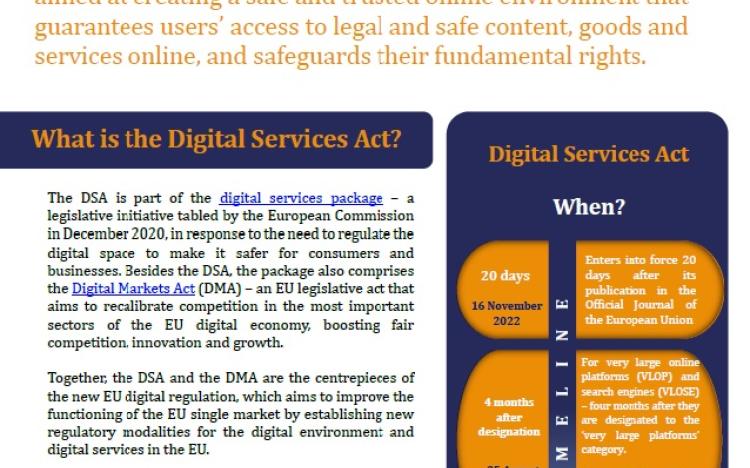
The European digital environment in 2026 reflects years of legislative groundwork aimed at addressing the power of major technology companies. What once focused on competition and privacy has expanded into a far broader framework covering automated systems, algorithmic transparency, and platform accountability. At the center of this evolution lies Technology regulation EU, a framework that has increasingly defined how innovation and responsibility intersect within Europe’s single market.
Policymakers argue that digital platforms have become infrastructural to modern life, influencing how people communicate, access information, and conduct business. This reality has driven lawmakers to ensure that legal oversight evolves at the same pace as technology itself.

Brussels and the Architecture of Digital Governance
As the administrative capital of the European Union, Brussels has emerged as the nerve center of global digital regulation. Institutions based in the city coordinate legislative drafting, enforcement mechanisms, and cross border cooperation among member states.
The concentration of regulatory authority allows Europe to implement Technology regulation EU with consistency, ensuring that companies operating across multiple countries face uniform expectations rather than fragmented national rules.
Artificial Intelligence as a Regulatory Stress Test
Artificial intelligence has become the defining technological force of the decade. From automated moderation systems to conversational assistants, AI tools now operate at a scale that challenges traditional regulatory models. Within Technology regulation EU, regulators are focusing on how these systems are trained, how decisions are made, and whether sufficient safeguards exist to prevent unintended harm.
AI’s capacity to generate content autonomously has raised concerns about misinformation, bias, and accountability, making it a focal point of regulatory attention in 2026.
Platform Responsibility and Systemic Risk
Large digital platforms are increasingly assessed not only for individual violations but for systemic risks posed by their design and scale. Under Technology regulation EU, authorities examine whether platforms have processes in place to identify and mitigate broad societal risks before they escalate.
This shift reflects a proactive regulatory philosophy that prioritizes prevention rather than reaction, aiming to address issues before they cause widespread harm.
Case Studies Driving Regulatory Attention
Recent scrutiny of AI tools integrated into social platforms has illustrated how Technology regulation EU is applied in practice. Regulators have emphasized that the purpose of such reviews is to understand system behavior rather than target innovation itself.
These case studies provide regulators with insights into how emerging technologies operate in real world environments, informing future policy adjustments.

Legal Foundations Supporting Enforcement
The legal basis for Europe’s digital oversight rests on binding obligations placed on platforms operating within the EU market. Technology regulation EU requires companies to document risk assessments, implement mitigation strategies, and cooperate with authorities during reviews.
Officials stress that enforcement mechanisms are designed to be proportionate, balancing the need for accountability with respect for innovation and competition.
Industry Adaptation and Compliance Strategies
Technology companies have responded by strengthening internal compliance structures. Dedicated regulatory teams, transparency reports, and external audits have become standard practices as firms align operations with Technology regulation EU.
While compliance requires significant investment, many industry leaders acknowledge that predictable rules reduce long term uncertainty and foster a more stable business environment.
Economic Implications for the Digital Single Market
Europe’s regulatory approach carries economic consequences. Supporters argue that Technology regulation EU enhances competitiveness by leveling the playing field and building consumer trust.
Critics caution that excessive regulation could slow innovation, though policymakers counter that trust and innovation are mutually reinforcing rather than opposing forces.
Global Influence of Europe’s Rule-book
The impact of Technology regulation EU extends beyond European borders. Multinational companies often adopt EU standards globally to streamline operations, effectively exporting European digital norms worldwide.
This phenomenon has positioned Europe as a de facto global regulator, influencing digital governance far beyond its own market.
Transparency as a Cornerstone Principle
Transparency lies at the heart of Europe’s digital philosophy. Regulators require platforms to explain how automated systems function and how decisions are made. Within Technology regulation EU, transparency is viewed as essential to restoring public confidence in digital services.
Clear explanations help users understand how content is curated and how AI systems interact with their data.
Public Trust and Democratic Values
European lawmakers consistently frame digital oversight as a matter of democratic integrity. Technology regulation EU aims to ensure that digital platforms do not undermine public discourse or manipulate information flows.
By reinforcing accountability, regulators seek to preserve the role of technology as a tool for empowerment rather than disruption.
Dialogue Between Regulators and Platforms
Enforcement is accompanied by structured dialogue. Authorities emphasize cooperation, giving companies opportunities to address concerns before penalties are imposed. This approach reflects the EU’s belief that constructive engagement strengthens compliance under Technology regulation EU.
Such dialogue also allows regulators to better understand technological complexities.
Future Policy Directions and AI Ethics
Looking ahead, policymakers anticipate further evolution of Europe’s digital framework. Ethical considerations, human oversight, and accountability mechanisms are expected to play larger roles as AI systems become more autonomous.
The continued refinement of Technology regulation EU reflects Europe’s intention to remain adaptive in a rapidly changing technological landscape.
Expert Perspective on Europe’s Approach
One senior digital policy expert observed,
“Europe is demonstrating that technological progress must advance alongside responsibility, or public trust will erode faster than innovation can compensate.”
This perspective captures the broader rationale underpinning Europe’s regulatory strategy.
Challenges Facing Enforcement Authorities
Despite robust frameworks, enforcement presents challenges. Regulators must keep pace with rapid innovation while ensuring consistent application of rules. Technology regulation EU demands technical expertise, cross border cooperation, and ongoing dialogue with industry.
Authorities acknowledge that continuous learning is essential to effective oversight.
International Cooperation and Standards Alignment
Europe’s efforts increasingly intersect with global discussions on AI governance. While Technology regulation EU is distinct, European officials engage with international partners to promote compatible standards and avoid regulatory fragmentation.
Such cooperation aims to create a more coherent global approach to digital oversight.
Europe Sets the Guardrails for the Digital Decade
The developments unfolding in Brussels in 2026 underscore Europe’s commitment to shaping the digital future through law and policy. As artificial intelligence and platforms grow more influential, Technology regulation EU continues to serve as a cornerstone of Europe’s strategy to balance innovation, accountability, and public trust.
Europe’s Digital Rule-book at a Defining Crossroads
Europe now stands at a defining crossroads where its digital rule-book will determine how technology serves society in the decades ahead, setting benchmarks that resonate far beyond its borders.