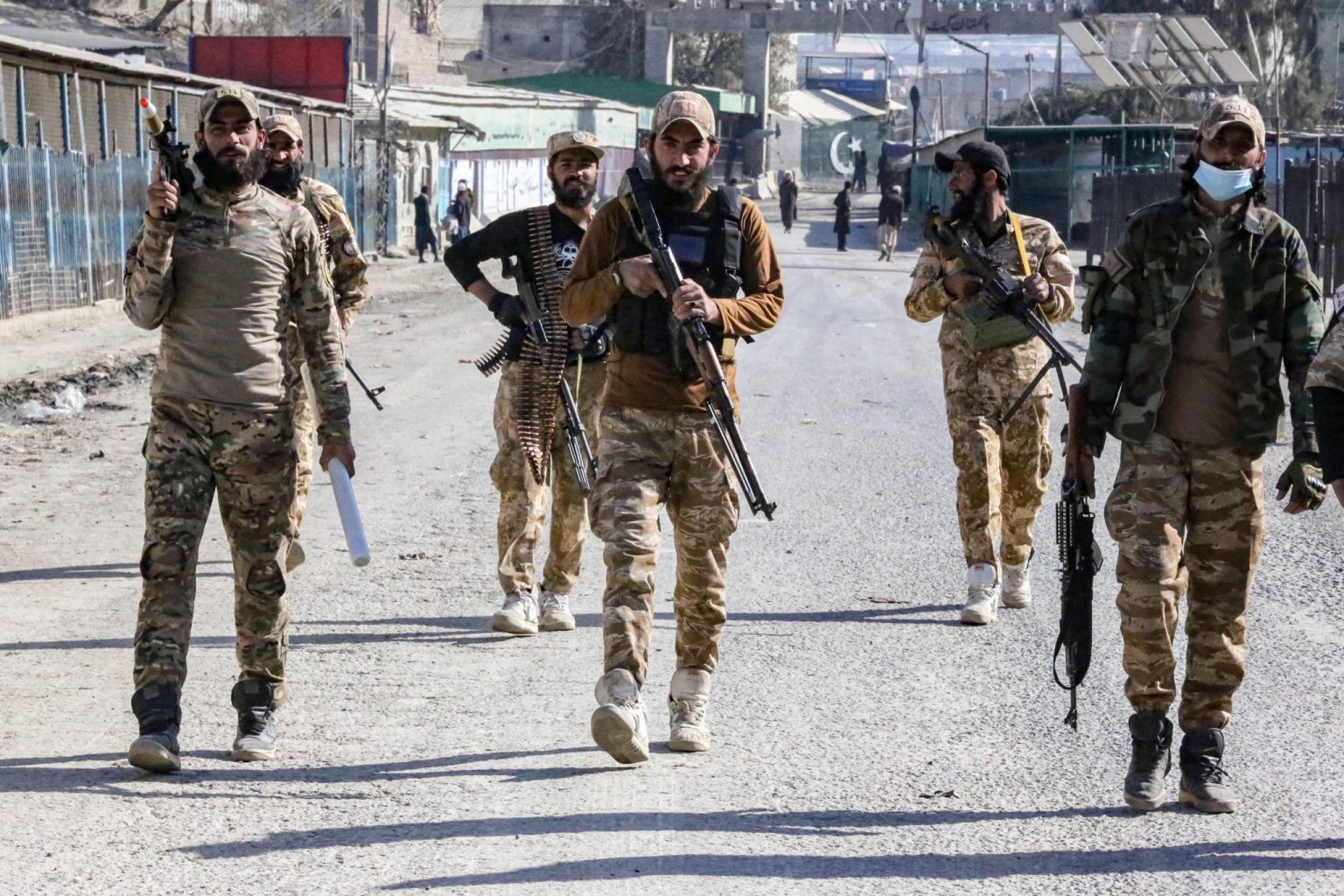
Pakistan – April 27, 2026 — Brussels Morning Newspaper – South Asia security crisis update border regions between Pakistan and Afghanistan have witnessed a sharp escalation in violence after mortar and rocket attacks reportedly killed at least four people and injured nearly 70 others. The developments, confirmed by officials linked to the Afghan Taliban, have raised urgent concerns about regional stability and civilian safety.
The incident reflects growing instability along one of the most sensitive borders in South Asia, where long-standing disputes and security challenges continue to fuel periodic violence.
Cross-border strikes intensify tensions
The latest South Asia security crisis update highlights a coordinated series of mortar and rocket attacks across multiple border areas. Reports indicate that the strikes targeted both security positions and nearby civilian settlements.
Residents described hearing continuous explosions, followed by panic as families rushed to find shelter. Several homes were damaged or destroyed, adding to the humanitarian impact of the violence.
Security analysts say the nature of the strikes suggests a concerning escalation rather than an isolated incident.
“The scale and coordination indicate rising tensions that could lead to broader instability,”
one expert noted.
Casualties and emergency response
Authorities confirmed that four individuals lost their lives during the attacks, while approximately 70 others sustained injuries. Hospitals in nearby regions struggled to manage the sudden influx of patients.
Medical teams established temporary treatment centers to provide urgent care. Many of the injured were civilians, including women and children, underscoring the human cost of the South Asia security crisis update.
Eyewitness accounts painted a grim picture, with rescue workers navigating damaged infrastructure to reach survivors.
Taliban reaction and accusations
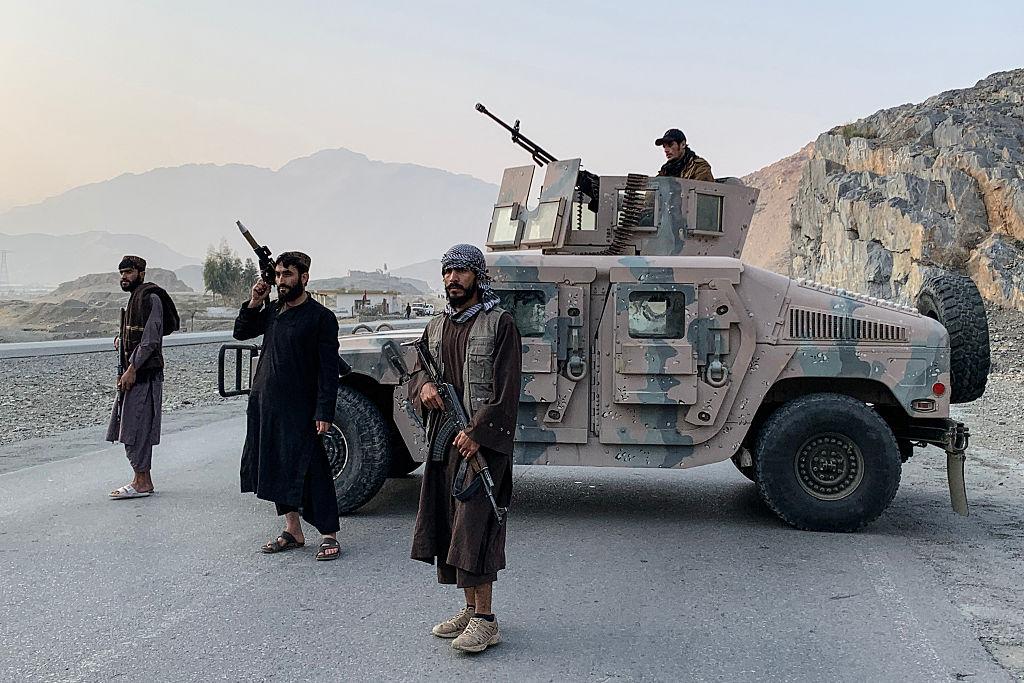
The Afghan Taliban issued a strong statement condemning the attacks, attributing responsibility to Pakistani forces. Taliban officials described the incident as a violation of sovereignty and warned of possible consequences.
A spokesperson stated,
“These attacks have harmed innocent civilians and cannot be justified under any circumstances.”
Such statements reflect deepening mistrust between the two sides, complicating efforts toward diplomatic resolution.
Pakistan’s stance and security narrative
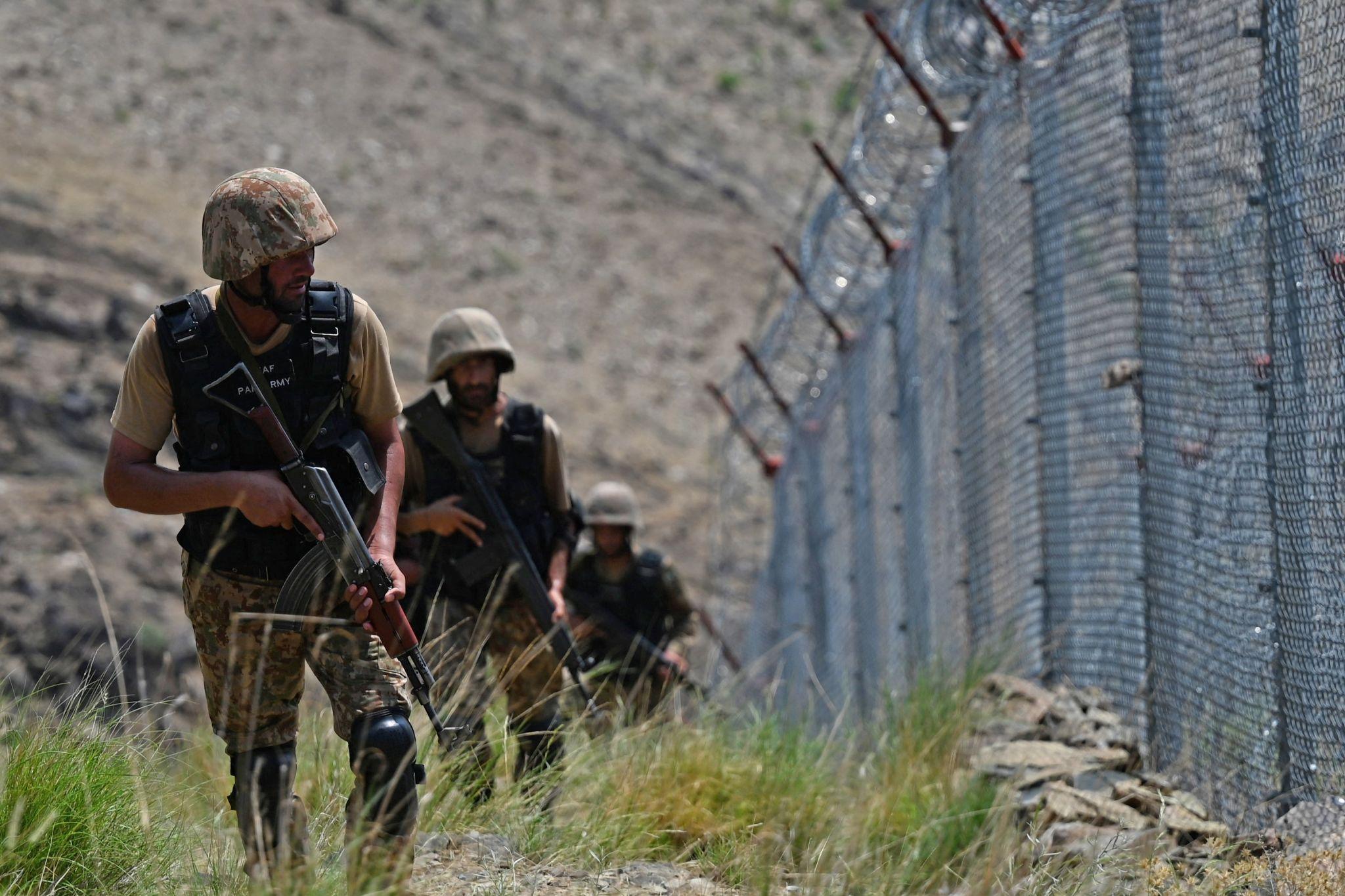
Officials in Pakistan have historically emphasized security concerns related to militant activity near the border. While not fully confirming the specific allegations, authorities reiterated their commitment to protecting national security.
The region has long been affected by cross-border militant movements, leading to periodic military operations. Analysts note that competing narratives from both sides often make it difficult to establish clear accountability in incidents like this South Asia security crisis update.
Civilian impact and displacement
The humanitarian consequences of the attacks are severe. Dozens of families have reportedly been displaced after their homes were damaged or destroyed.
Local communities remain on edge, fearing further escalation. Access to food, medical care, and shelter has become increasingly limited in affected areas.
A resident shared,
“We live in constant fear. Every explosion reminds us that we are not safe.”
Humanitarian organizations have called for immediate assistance and safe corridors for civilians.
Historical tensions and border disputes
The South Asia security crisis update cannot be understood without considering the historical tensions between Pakistan and Afghanistan. The disputed border, often referred to as the Durand Line, has been a source of conflict for decades.
Both countries have frequently accused each other of harboring militant groups, leading to cycles of retaliation and mistrust. The return of the Afghan Taliban to power added another layer of complexity to already fragile relations.
Regional and global concerns
International observers are closely monitoring the South Asia security crisis update, warning that continued escalation could destabilize the broader region.
South Asia plays a critical role in global trade and security dynamics, making any conflict in the region a matter of international concern. Analysts caution that prolonged instability could affect economic growth, trade routes, and diplomatic relations.
A regional expert commented,
“This situation has implications far beyond the immediate border. Stability in South Asia is essential for global security.”
Risk of further escalation
The current South Asia security crisis update suggests a fragile situation that could escalate without careful management. Both sides have expressed strong positions, but neither has indicated a willingness to engage in immediate large-scale conflict.
However, experts warn that continued incidents could trigger retaliation, leading to a cycle of violence that is difficult to contain.
Diplomatic channels remain crucial in preventing further escalation and ensuring stability.
Economic and strategic implications
Beyond the immediate violence, the South Asia security crisis update carries economic consequences. Border instability disrupts trade, increases defense spending, and discourages investment in affected regions.
Strategically, the conflict adds pressure to an already complex geopolitical environment, involving multiple regional and international stakeholders.
The uncertainty may also impact regional development initiatives and cross-border cooperation efforts.
Calls for de-escalation and dialogue
Amid growing tensions, there are increasing calls for restraint and dialogue. Experts emphasize that long-term peace requires addressing underlying issues, including border disputes and security concerns.
Confidence-building measures, improved communication, and joint security efforts are seen as key steps toward reducing conflict.
Humanitarian groups continue to advocate for ceasefire agreements to protect civilians caught in the crossfire.
Rising tensions demand urgent action
The South Asia security crisis update reveals a troubling escalation, with four lives lost and 70 people injured in cross-border attacks between Pakistan and Afghanistan. The incident highlights deep-rooted tensions, humanitarian risks, and the potential for further conflict.
Without immediate de-escalation and diplomatic engagement, the situation could worsen, affecting not only the region but also global stability. Protecting civilians and restoring dialogue must remain top priorities as the crisis unfolds.