The issue of security in Yemen has once again moved to the forefront of Middle Eastern diplomacy as the United Arab Emirates publicly welcomed Saudi Arabia’s renewed efforts to stabilize the country. The announcement comes amid advances by the Southern Transitional Council in southern Yemen, a development that has reshaped the political and military landscape. For regional actors, this moment represents both a challenge and an opportunity to recalibrate strategies after years of conflict, fragmentation, and humanitarian suffering.
Yemen’s war has never been confined to its borders. The conflict has affected shipping lanes, regional alliances, and international security calculations. Against this backdrop, the UAE’s endorsement of Saudi initiatives signals a desire for coordination rather than competition, especially at a time when local actors are gaining influence and external patience for prolonged instability is wearing thin.
The Long Road to the Current Moment
Yemen’s conflict began as a domestic political crisis but quickly evolved into a multi-layered war involving regional powers and local factions. Years of fighting weakened state institutions, divided territory, and devastated the economy. Throughout this period, security in Yemen remained fragile, with authority split among competing groups and civilians bearing the brunt of violence.
Repeated ceasefires and negotiations failed to deliver lasting peace. Instead, the conflict entered cycles of escalation and partial calm. This history explains why regional actors now emphasize coordination and pragmatism, recognizing that unilateral approaches have delivered limited results.
Saudi Arabia’s Strategic Recalibration
Saudi Arabia has played a central role in Yemen since the conflict escalated. Initially focused on restoring a recognized government and countering perceived threats, Riyadh has gradually shifted toward a strategy centered on containment and stability.
Recent Saudi initiatives highlight this recalibration. Rather than large-scale military operations, the focus is increasingly on diplomacy, de-escalation, and localized security arrangements. Saudi officials frame these efforts as essential to restoring security in Yemen while reducing regional risks and humanitarian fallout.
The UAE’s Calculated Support
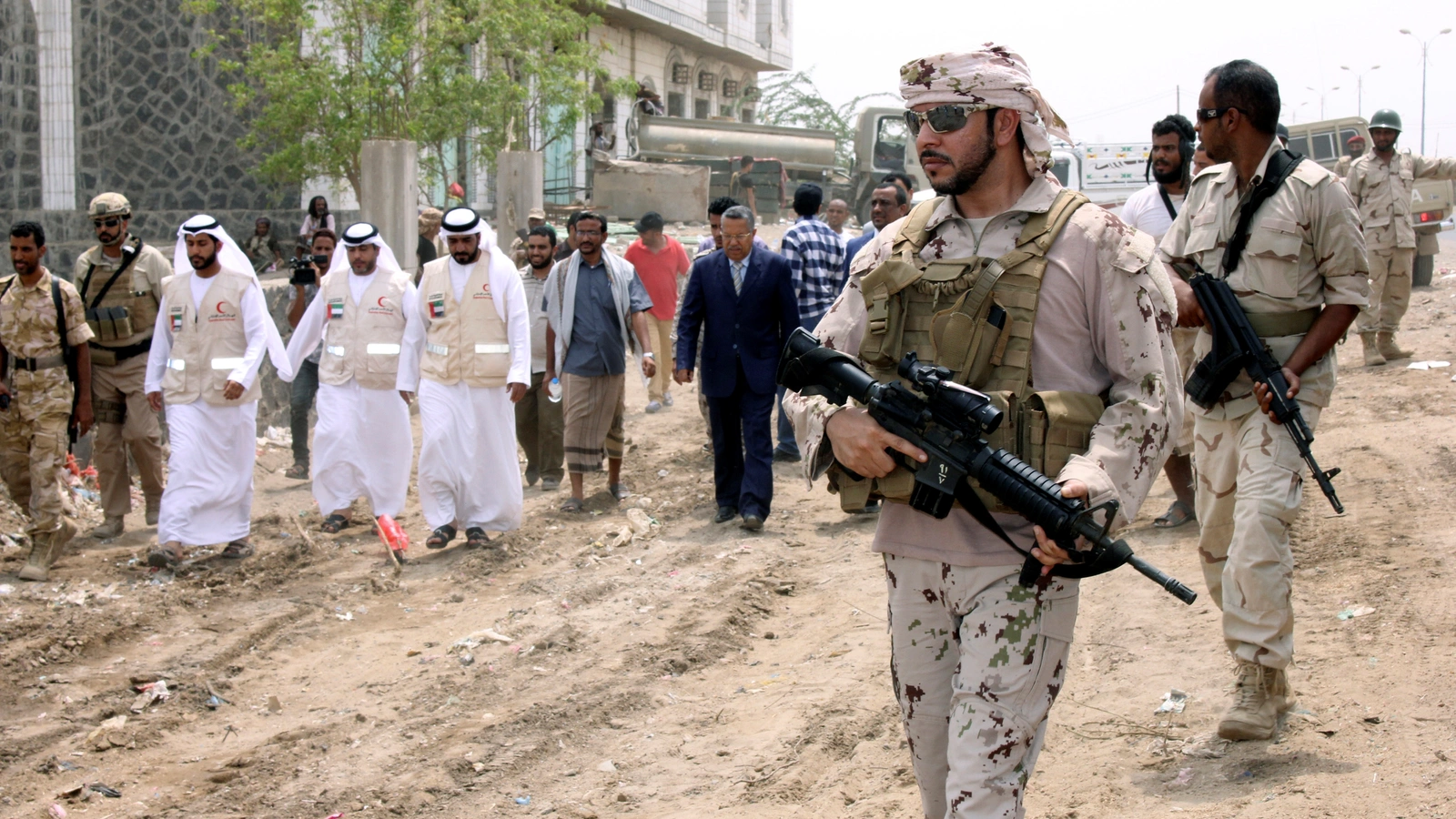
United Arab Emirates has long maintained significant influence in southern Yemen, particularly through security partnerships and political engagement. The UAE’s decision to publicly welcome Saudi efforts reflects strategic alignment rather than a sudden shift.
For Abu Dhabi, southern Yemen is critical due to its proximity to key maritime routes and its role in counterterrorism. By endorsing Saudi initiatives, the UAE signals that coordinated regional action is preferable to fragmented strategies when addressing security in Yemen.
The Rise of the Southern Transitional Council
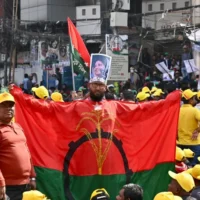
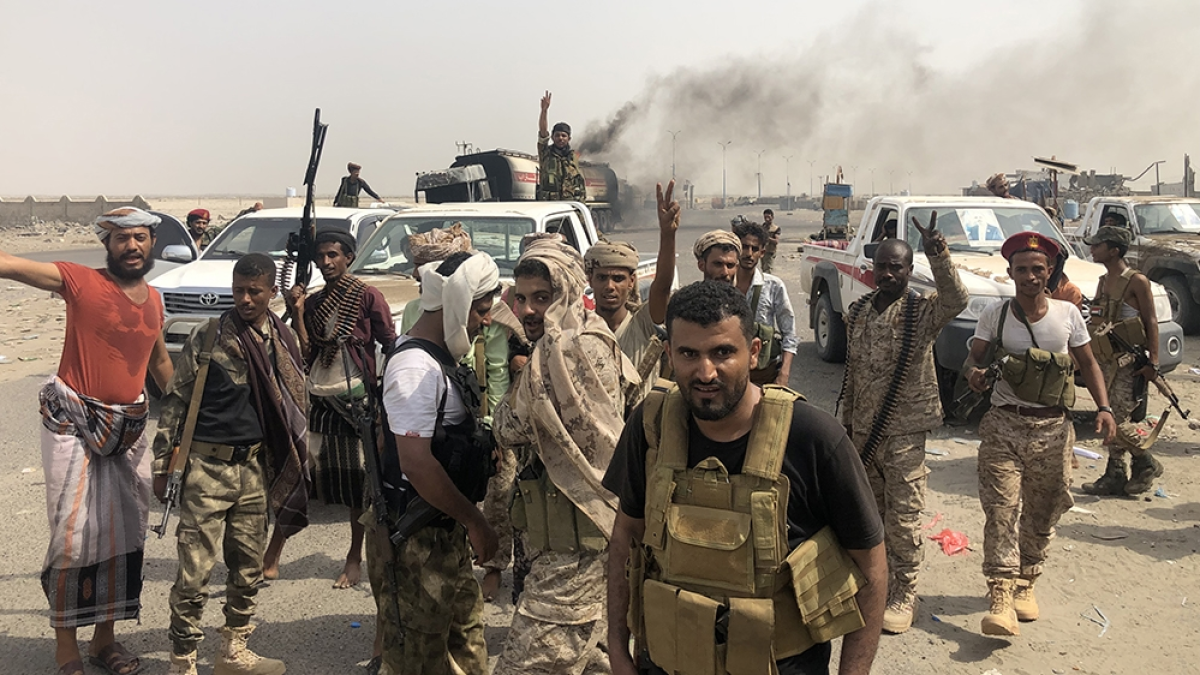
The advance of the Southern Transitional Council has been one of the most consequential developments in recent years. Advocating greater autonomy for southern Yemen, the STC has consolidated control in key areas, including Aden.
Supporters argue that the STC’s rise fills governance gaps and provides local authority where the central state has collapsed. Critics warn that it complicates national unity. Either way, the STC’s influence has become a central factor in discussions about security in Yemen, forcing regional actors to engage with realities on the ground.
Why Timing Is Critical
The UAE’s endorsement of Saudi efforts comes at a sensitive moment. Shifting alliances, local advances, and international fatigue with the conflict create conditions where decisions made now may shape Yemen’s future for years.
Diplomats emphasize that coordination at this stage could reinforce security in Yemen, while missteps could trigger renewed confrontation. The timing suggests recognition that incremental stabilization is preferable to continued uncertainty.
Regional Coordination as a Signal
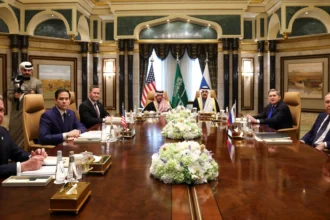
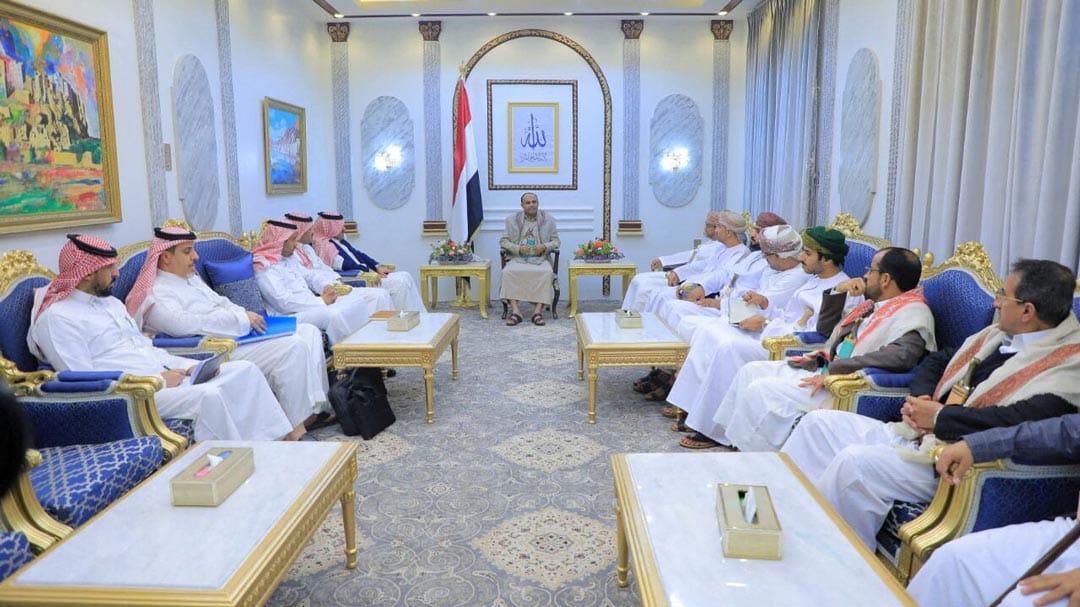
Public alignment between Saudi Arabia and the UAE sends a strong message to local actors and international observers. It signals unity of purpose and reduces speculation about divergent agendas.
This coordination is particularly significant given earlier tactical differences. Today, both countries appear focused on achievable goals tied to security in Yemen, rather than pursuing maximalist outcomes that have proven elusive.
Political Implications Inside Yemen
Security developments are inseparable from politics. Yemen’s peace process has stalled due to mistrust and fragmentation. Improved conditions on the ground could create space for renewed dialogue.
Supporters of the current approach argue that enhanced security in Yemen may allow political negotiations to move forward by reducing violence and clarifying lines of authority. Critics caution that without inclusive governance, stability will remain temporary.
Humanitarian Dimensions
Yemen remains one of the world’s most severe humanitarian crises. Millions face food insecurity, displacement, and limited access to healthcare.
Efforts aimed at improving security in Yemen have direct humanitarian implications. Safer transport routes and reduced fighting can enable aid delivery and allow communities to begin rebuilding basic services.
International Reactions
International actors have cautiously welcomed signs of regional coordination. Many view Saudi-Emirati alignment as a necessary step toward reducing fragmentation.
Global observers stress that sustainable security in Yemen must be Yemeni-led, supported rather than dictated by external partners. Inclusivity and respect for local dynamics are widely seen as essential.
Risks and Unresolved Challenges
Despite positive messaging, challenges remain significant. Armed groups retain autonomy, economic collapse persists, and trust between factions is limited.
Analysts warn that focusing solely on military arrangements without addressing governance and livelihoods could undermine security in Yemen over time. Durable stability requires more than ceasefires.
Economic Factors and Stability
Yemen’s economy has been shattered by years of war. Currency instability, unemployment, and damaged infrastructure continue to fuel insecurity.
Regional strategies increasingly acknowledge that economic recovery is tied to security in Yemen. Restoring livelihoods and basic services reduces incentives for violence and strengthens social cohesion.
Southern Yemen and Local Authority
Southern Yemen presents both opportunities and risks. Local governance structures supported by the STC may offer responsiveness, but they also challenge national frameworks.
Balancing local autonomy with broader stability is central to improving security in Yemen. Regional actors appear more willing to adopt pragmatic approaches that reflect realities rather than rigid models.
Counterterrorism Considerations
Extremist groups have historically exploited chaos in Yemen. Weak institutions and divided authority created space for their operations.
Strengthening security in Yemen through coordinated regional support may limit these groups’ ability to regroup, a priority shared by Gulf states and international partners.
Confidence Building and Diplomacy
Public endorsements play an important role in confidence building. The UAE’s support for Saudi initiatives reduces uncertainty and signals predictability.
Confidence building measures are essential to sustaining security in Yemen, particularly in a context where mistrust has repeatedly derailed progress.
Regional Stability Beyond Yemen
Yemen’s fate is closely linked to wider regional stability. Maritime trade, energy flows, and migration patterns are all affected by conditions in the country.
Efforts to strengthen security in Yemen therefore carry implications for the Gulf and Red Sea regions, reinforcing why coordination matters.
What Lies Ahead
Observers expect continued diplomatic engagement alongside localized security measures. Whether these efforts translate into lasting peace remains uncertain.
The sustainability of security in Yemen will depend on political compromise, economic support, and inclusive governance, not only on regional alignment.
The UAE’s decision to welcome Saudi Arabia’s efforts marks a significant moment in Yemen’s evolving conflict. Amid STC advances and shifting alliances, regional powers are signaling renewed commitment to coordination and pragmatism.
While obstacles remain, these developments suggest growing recognition that security in Yemen cannot be achieved through fragmented approaches. Coordinated regional support, engagement with local realities, and attention to humanitarian and economic needs offer the most credible path forward for a country that has endured years of instability.