
- Fresh cross-border strikes reported between Saudi Arabia and Houthi forces
- Brent crude set for its first weekly loss in three weeks
- Crude remains above $100 a barrel as traders look for signs of improving oil flows
Saudi Arabia, 18 September (Brussels Morning Newspaper) – Saudi oil supply concerns eased on Friday, pushing global crude prices down about 2% as traders assessed Saudi Arabia’s efforts to restore part of its damaged East-West pipeline and increase exports through alternative routes. Brent crude fell $2.30 to $102.53 a barrel, while US West Texas Intermediate (WTI) dropped $1.85 to $100.04, extending oil’s decline to a third consecutive session.
Brent and WTI crude prices fall
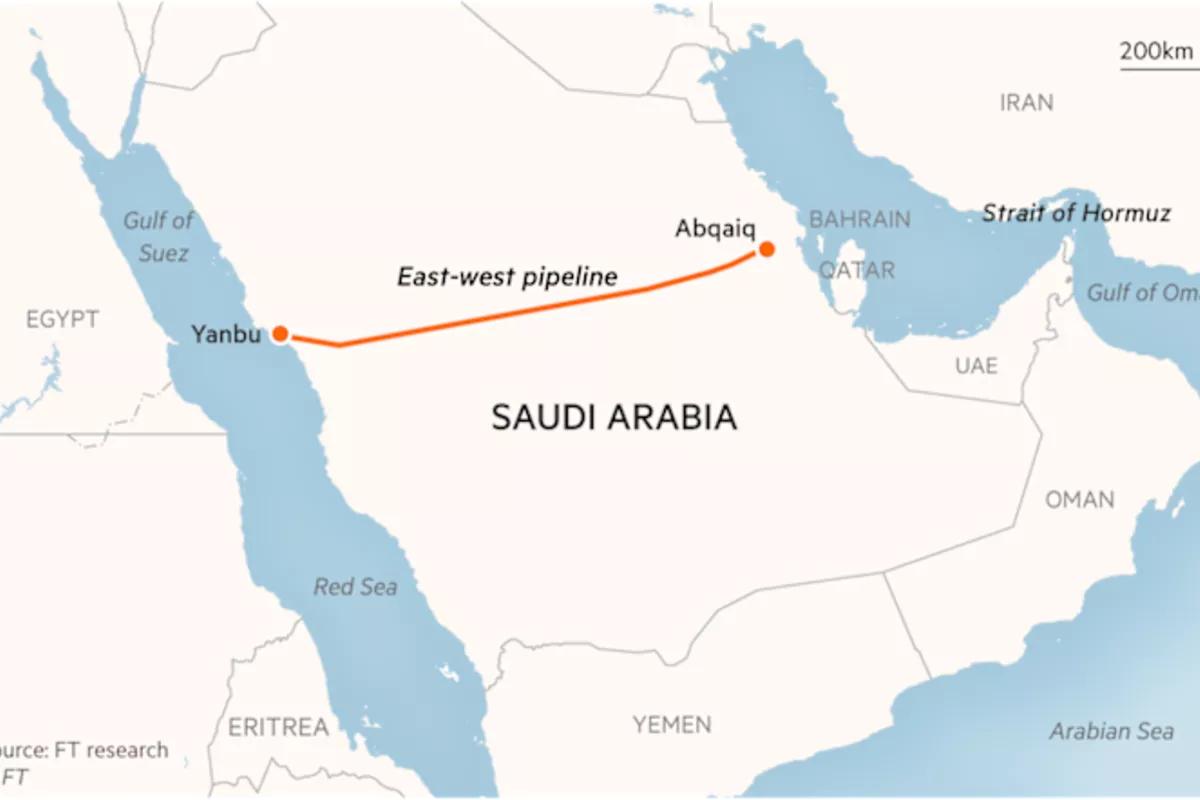
The latest decline follows a sharp rise earlier this week, when oil prices reached near four-month highs after damage to Saudi Arabia’s East-West pipeline disrupted flows towards the Red Sea export terminal at Yanbu.
The pipeline was shut after an aerial attack on 12 September. Saudi Arabia initially described the closure as a precautionary measure. The disruption raised concerns because the route provides an alternative to shipments through the Strait of Hormuz.
Saudi Arabia is now working to restore roughly half of the pipeline’s capacity within days, according to Reuters. That prospect has reduced fears that the disruption will remove substantial volumes of crude from the international market.
Saudi Oil Supply Supported by Alternative Export Routes
Saudi Aramco also plans to increase exports from Ras Tanura to about 60 million barrels during September and October, with crude transferred between vessels near the Omani port of Sohar, according to traders cited by Reuters. Buyers include refiners in China, India, Japan and South Korea. Aramco has not publicly commented on those specific export plans.
The strategy provides another route for Saudi crude while operations at Yanbu remain disrupted.
Aramco has previously stressed the importance of its infrastructure in maintaining supplies. Chief executive Amin H. Nasser said earlier this year that the East-West Pipeline had proved to be a “critical supply artery” during disruption to shipping through the Strait of Hormuz. The pipeline reached a maximum capacity of 7 million barrels per day during the first quarter.
Oil supply disruptions remain a market risk
Despite Friday’s price decline, regional shipping conditions remain difficult. Preliminary Kpler data showed only four commodity vessels passed through the Strait of Hormuz on Thursday, compared with a 10-day average of 16. Before the current conflict, the waterway carried about one-fifth of global oil and gas supplies.
The International Energy Agency reported last week that Saudi crude supply fell to 6 million barrels per day in August, its lowest level in more than three decades, illustrating the scale of recent oil supply disruptions.
Saudi pipeline repairs remain in focus
Oil markets will now watch the pace of repairs to the East-West pipeline and whether alternative Saudi export arrangements can maintain sufficient supplies.
While oil prices fall as immediate concerns ease, Brent and WTI remain above $100 a barrel. Continued disruption around Yanbu or the Strait of Hormuz could therefore keep global crude markets sensitive to further developments across the Middle East.