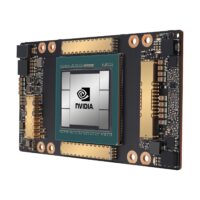
Seoul, 2026 — A sharp improvement in earnings at Samsung Electronics is drawing global attention as the company forecasts profits to nearly triple, supported by accelerating demand for Samsung AI chips. The outlook, highlighted by Brussels Morning Newspaper in its international business coverage, underscores how artificial intelligence has moved from a niche technology to a core driver of the global semiconductor industry.
Samsung’s guidance marks one of its strongest earnings recoveries in years, following a prolonged downturn that weighed heavily on memory prices and factory utilization. Analysts say the latest forecast reflects not just cyclical recovery, but a deeper structural shift underway across the technology sector.
Artificial Intelligence Redefines Semiconductor Demand
Artificial intelligence has rapidly transformed from an experimental capability into a foundational layer of modern computing. Governments, cloud providers, and multinational corporations are investing heavily in AI infrastructure to support automation, data analysis, and advanced research.
This global investment wave has significantly boosted demand for Samsung AI chips, placing the company at the heart of the AI supply chain. Unlike earlier technology cycles driven by smartphones or consumer electronics, the current surge is anchored in large scale, long term infrastructure spending that offers greater earnings visibility.
Memory Chips Drive the Profit Recovery
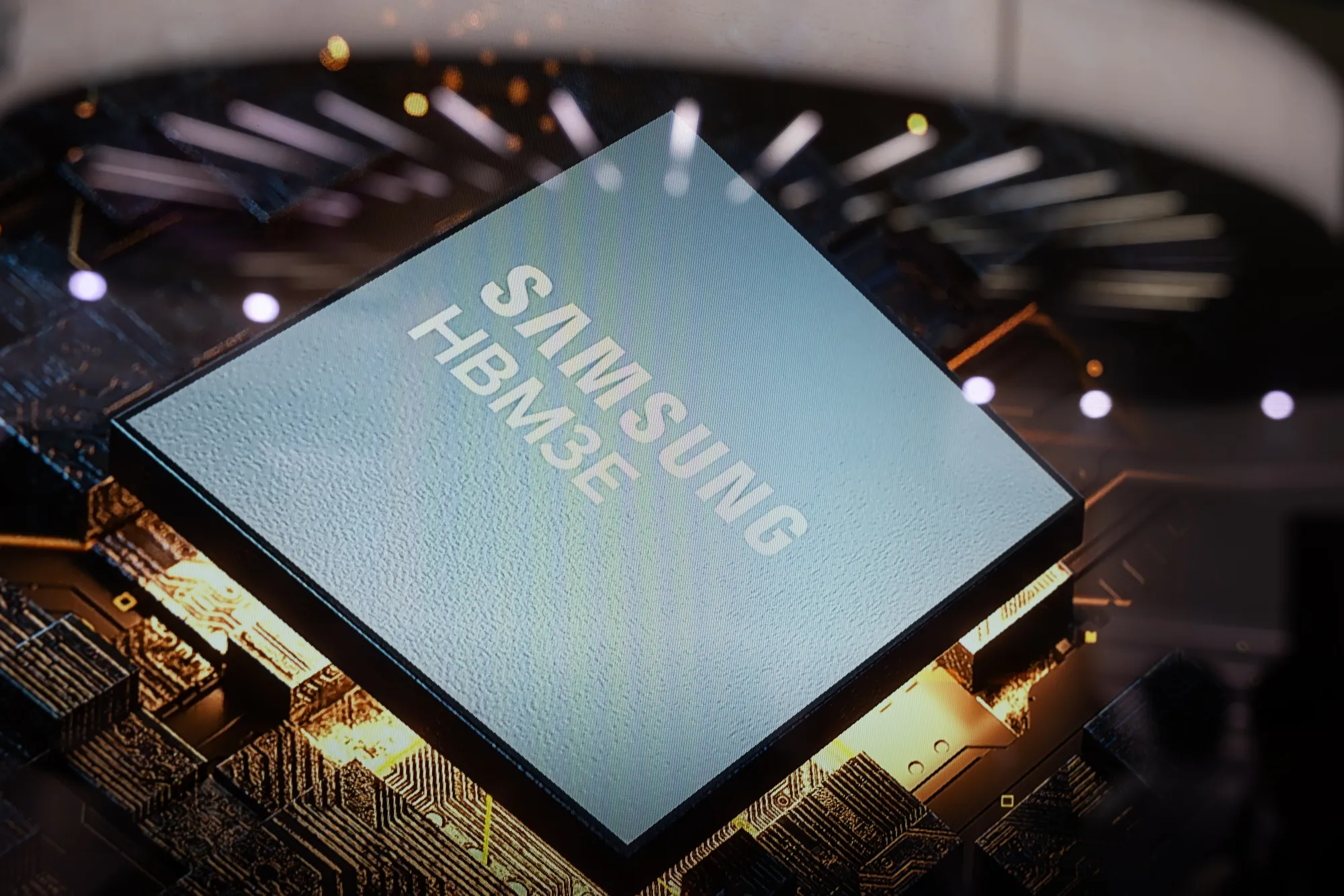
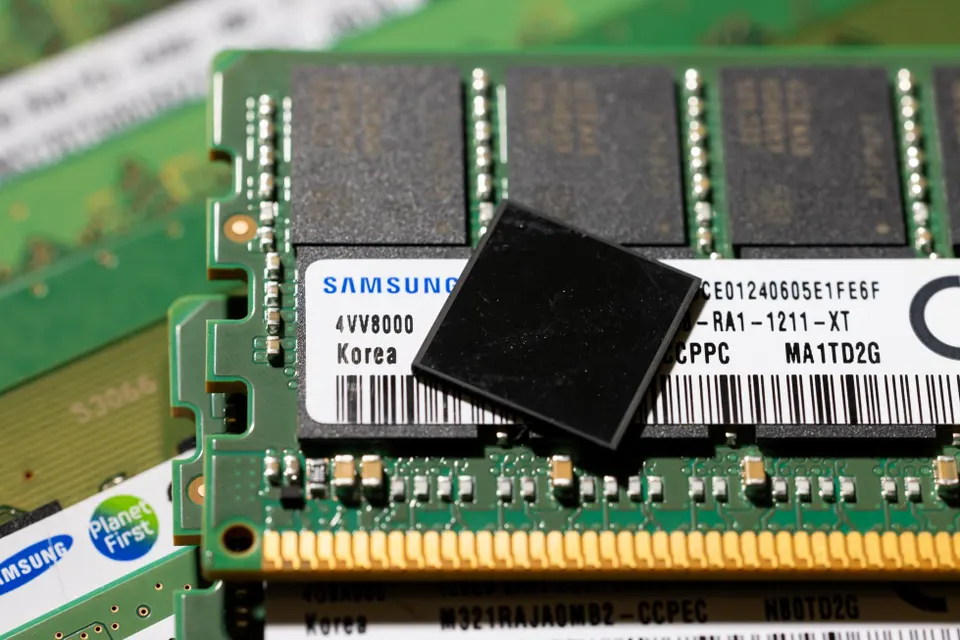
Samsung’s memory business, historically its largest revenue contributor, has been central to the earnings rebound. High bandwidth memory and advanced DRAM products are critical components for AI servers, enabling faster data processing and more efficient model training.
Market analysts note that Samsung AI chips tailored for artificial intelligence workloads command higher margins than traditional memory products. Combined with improved pricing discipline across the industry, this shift has allowed Samsung to restore profitability faster than many competitors.
Foundry Business Gains Strategic Weight
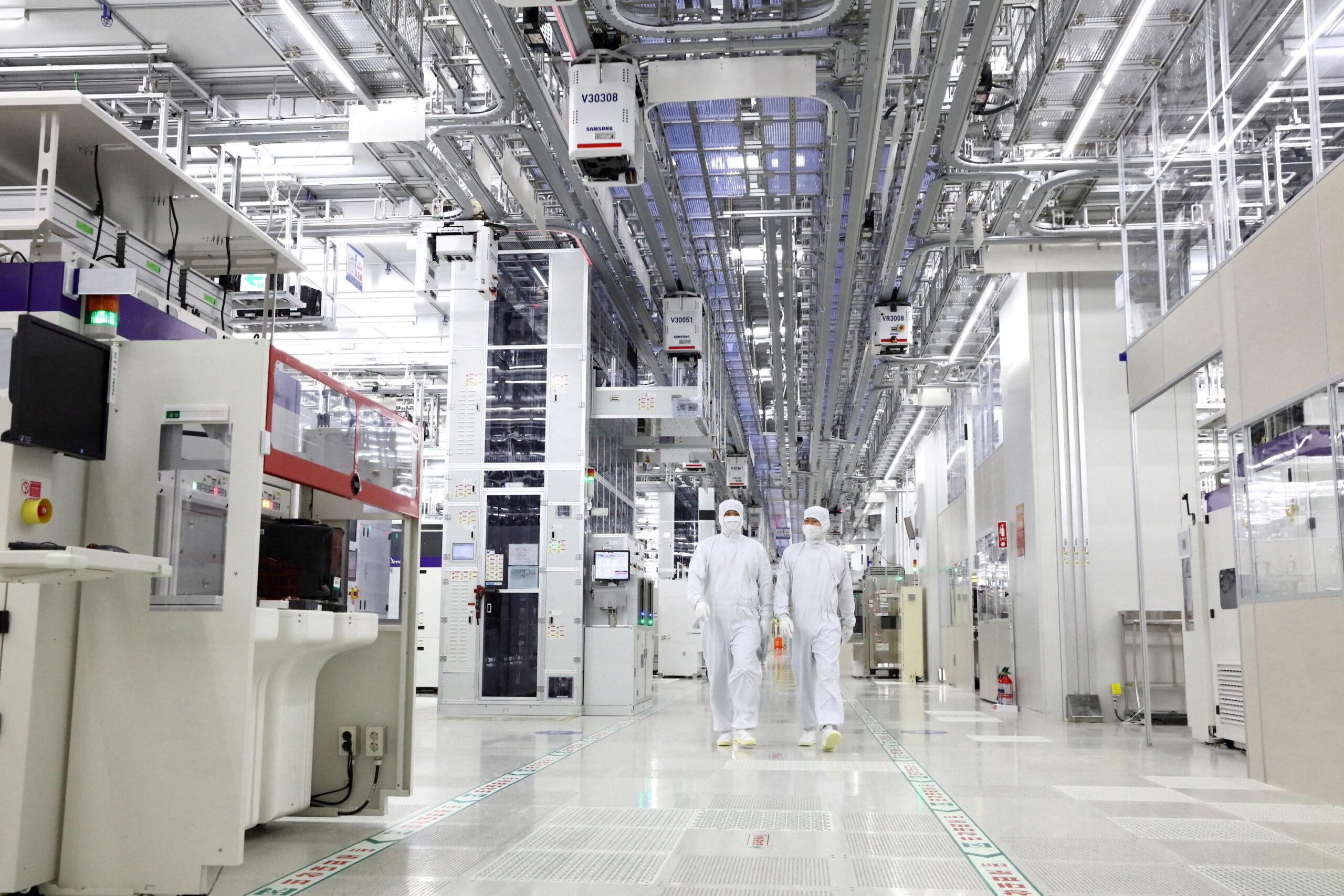
Beyond memory, Samsung’s foundry operations are also benefiting from the AI boom. Companies designing custom processors for artificial intelligence are seeking advanced manufacturing partners capable of producing complex chips at scale.
The growing relevance of Samsung AI chips within these projects reflects Samsung’s ambition to strengthen its position across the entire semiconductor value chain. While competition from other global foundries remains intense, Samsung’s aggressive investment strategy and manufacturing scale provide a competitive edge.
A Different Kind of Semiconductor Cycle
The current upturn differs fundamentally from past semiconductor cycles. Instead of being driven by short lived consumer demand, AI related investment is supported by multi year spending plans from technology giants and public sector institutions.
This shift has created more durable momentum for Samsung AI chips, reducing the sharp boom and bust patterns that historically characterized the industry. Some analysts believe artificial intelligence could usher in a period of more stable, infrastructure like demand for advanced semiconductors.
Pricing Power Returns to Chip-makers
During the recent downturn, oversupply forced chip-makers to cut production and accept falling prices. That environment has now reversed as AI workloads consume vast quantities of memory and processing capacity.
Renewed pricing power linked to Samsung AI chips has been a major factor behind the profit surge. Samsung has gradually increased output while maintaining supply discipline, supporting healthier margins without triggering another oversupply cycle.
Ripple Effects Across South Korea’s Economy
Samsung’s improved outlook carries implications well beyond its balance sheet. As South Korea’s largest exporter, the company plays a pivotal role in national economic performance.
Economists say rising global demand for Samsung AI chips could lift export revenues, support the local currency, and stimulate investment across related industries such as equipment manufacturing, materials supply, and logistics. The rebound also reinforces South Korea’s status as a key hub in the global technology ecosystem.
Investor Confidence Strengthens Worldwide
Financial markets have responded positively to Samsung’s forecast, with shares rising as investors price in stronger cash flows and improved margins. The company’s outlook has also influenced sentiment across the broader semiconductor sector.
The renewed focus on Samsung AI chips has prompted fund managers to reassess exposure to AI related hardware companies, viewing artificial intelligence infrastructure as a long term growth theme rather than a speculative trend.
Competition Intensifies in the AI Era
Despite the strong outlook, Samsung faces intense competition from global rivals racing to expand capacity and innovate. The push to develop faster, more energy efficient AI focused semiconductors is accelerating across the industry.
Company officials emphasize that sustaining momentum for Samsung AI chips will require continued investment in research, manufacturing technology, and supply chain resilience. Capital spending remains elevated as Samsung seeks to defend and extend its competitive position.
Strategic Investment in Next Generation Technology
Samsung has significantly increased investment in advanced manufacturing processes, including cutting edge fabrication nodes and packaging technologies optimized for AI workloads.
These initiatives underpin the long term prospects of Samsung AI chips, ensuring the company can meet rising performance demands while controlling production costs. Analysts say sustained innovation will be critical as AI models grow larger and more computationally demanding.
Industry Perspective on the Profit Surge
Market observers view Samsung’s profit forecast as a signal of broader transformation within the technology sector.
“Artificial intelligence has turned semiconductors into strategic infrastructure rather than cyclical components,” said one industry analyst.
This assessment reflects a growing consensus that AI demand is reshaping how chip-makers plan production, allocate capital, and engage with customers.
Outlook for the Rest of 2026
Looking ahead, Samsung expects artificial intelligence related demand to remain robust throughout the year. Cloud providers continue to expand capacity, while enterprises integrate AI tools into manufacturing, healthcare, finance, and logistics.
The trajectory for Samsung AI chips will depend on global economic conditions and the pace of technological adoption, but current indicators suggest sustained momentum rather than a short lived spike.

Risks That Could Shape the Path Forward
While optimism dominates current forecasts, risks remain. Faster than expected capacity expansion across the industry could pressure prices, while geopolitical tensions may disrupt supply chains or investment flows.
Analysts caution that careful planning and disciplined production will be essential to ensure continued success for Samsung AI chips without repeating past cycles of oversupply and margin erosion.
From Cycles to Strategy A New Semiconductor Reality
Samsung’s profit surge highlights a broader shift reshaping the semiconductor industry. Artificial intelligence has evolved into a foundational technology influencing trade, investment, and innovation on a global scale.
As demand for computing power continues to rise, the strategic importance of advanced semiconductors is only expected to grow. How companies manage technology, capital, and global partnerships will define the next chapter of the industry well beyond 2026.