Nuuk, Greenland, January 2026, Brussels Morning Newspaper — Growing concern over the Russian threat Greenland has pushed the Arctic island into the center of international security debate, as global powers reassess strategic priorities in the rapidly changing polar region. Political statements, military planning, and diplomatic discussions have converged on Greenland’s role as a critical geographic and strategic asset in the North Atlantic and Arctic corridors.
The renewed focus reflects a broader shift in global geopolitics. Once viewed as a remote outpost, Greenland is now widely regarded as a frontline territory in emerging great-power competition shaped by climate change, technological advances, and military modernization.
Why Greenland’s Geography Matters
Greenland’s position between North America and Europe gives it unparalleled strategic value. It sits astride key air routes, emerging Arctic shipping lanes, and missile-tracking paths essential to transatlantic defense systems.
Security analysts argue that the Russian threat Greenland narrative stems largely from geography. Any power able to project influence over or near Greenland gains enhanced visibility and reach across the Arctic and North Atlantic, reshaping early-warning and deterrence dynamics.

Russia’s Expanding Arctic Posture
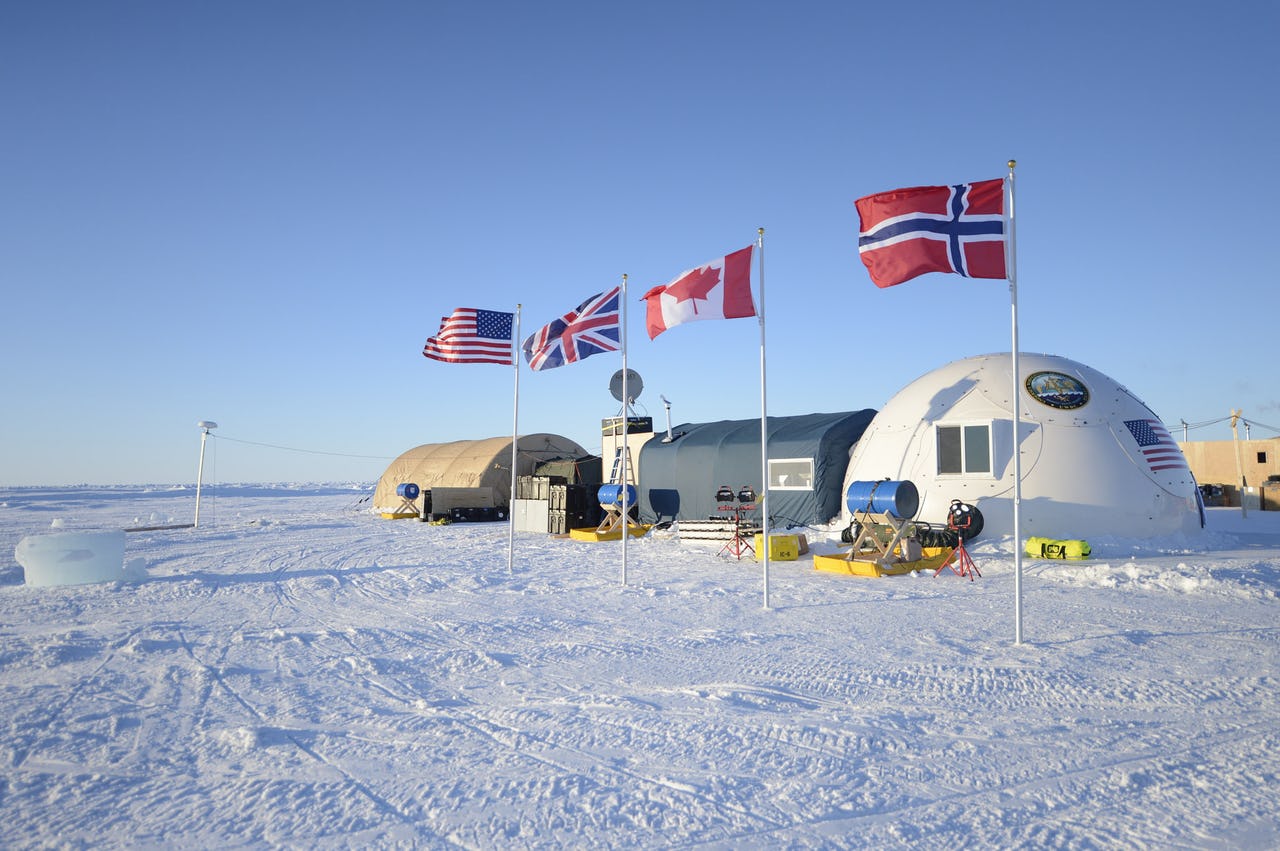
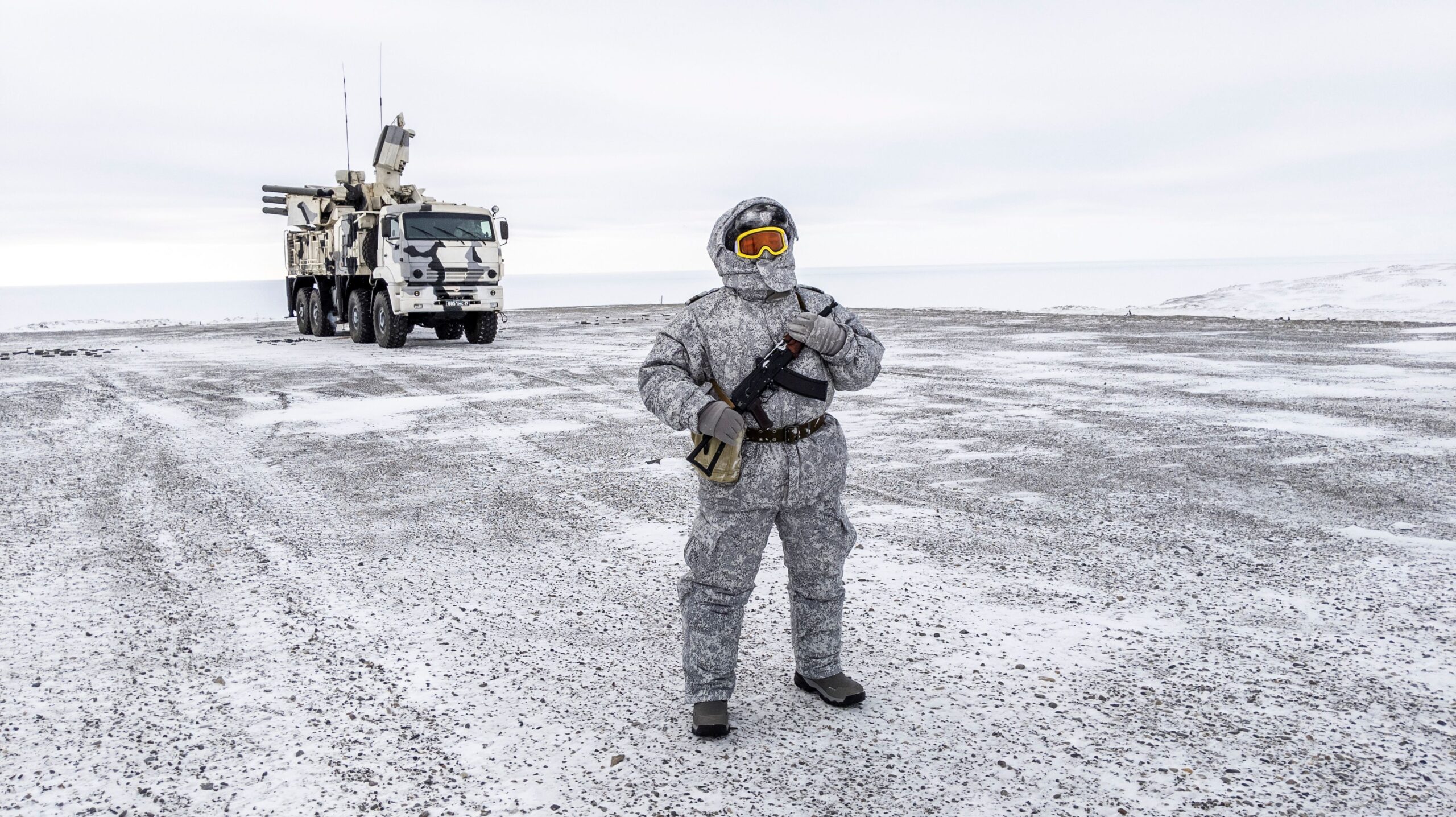
Russia has invested heavily in Arctic infrastructure over the past decade. Modernized bases, upgraded airfields, expanded naval patrols, and advanced missile systems have all altered the regional balance.
Western officials often frame these moves as evidence supporting the Russian threat Greenland, citing concerns over surveillance, rapid force projection, and the protection of Russia’s northern approaches. Moscow, by contrast, maintains that its actions are defensive and tied to economic development.
Climate Change Accelerates Strategic Competition
Melting sea ice has transformed the Arctic faster than any other region on Earth. New shipping routes reduce travel time between Asia and Europe, while access to untapped resources becomes increasingly feasible.
As accessibility increases, so does strategic interest. The debate over a Russian threat Greenland cannot be separated from climate-driven change that lowers natural barriers and intensifies competition among major powers.
Political Rhetoric Revives Global Debate
Statements from senior Western political figures have reignited discussion around Greenland’s security role. Calls for decisive action and stronger deterrence resonate widely in policy circles.
Such rhetoric reinforces the perception of a Russian threat Greenland, shaping media coverage, parliamentary debate, and alliance planning across Europe and North America.
NATO’s Strategic Calculations
Greenland’s status within the Kingdom of Denmark places it firmly under NATO’s collective defense umbrella. Alliance planners increasingly view Arctic security as inseparable from transatlantic stability.
Within NATO discussions, the Russian threat Greenland is often linked to broader concerns about early-warning gaps, undersea infrastructure protection, and airspace control in northern latitudes.
Military Infrastructure on the Island
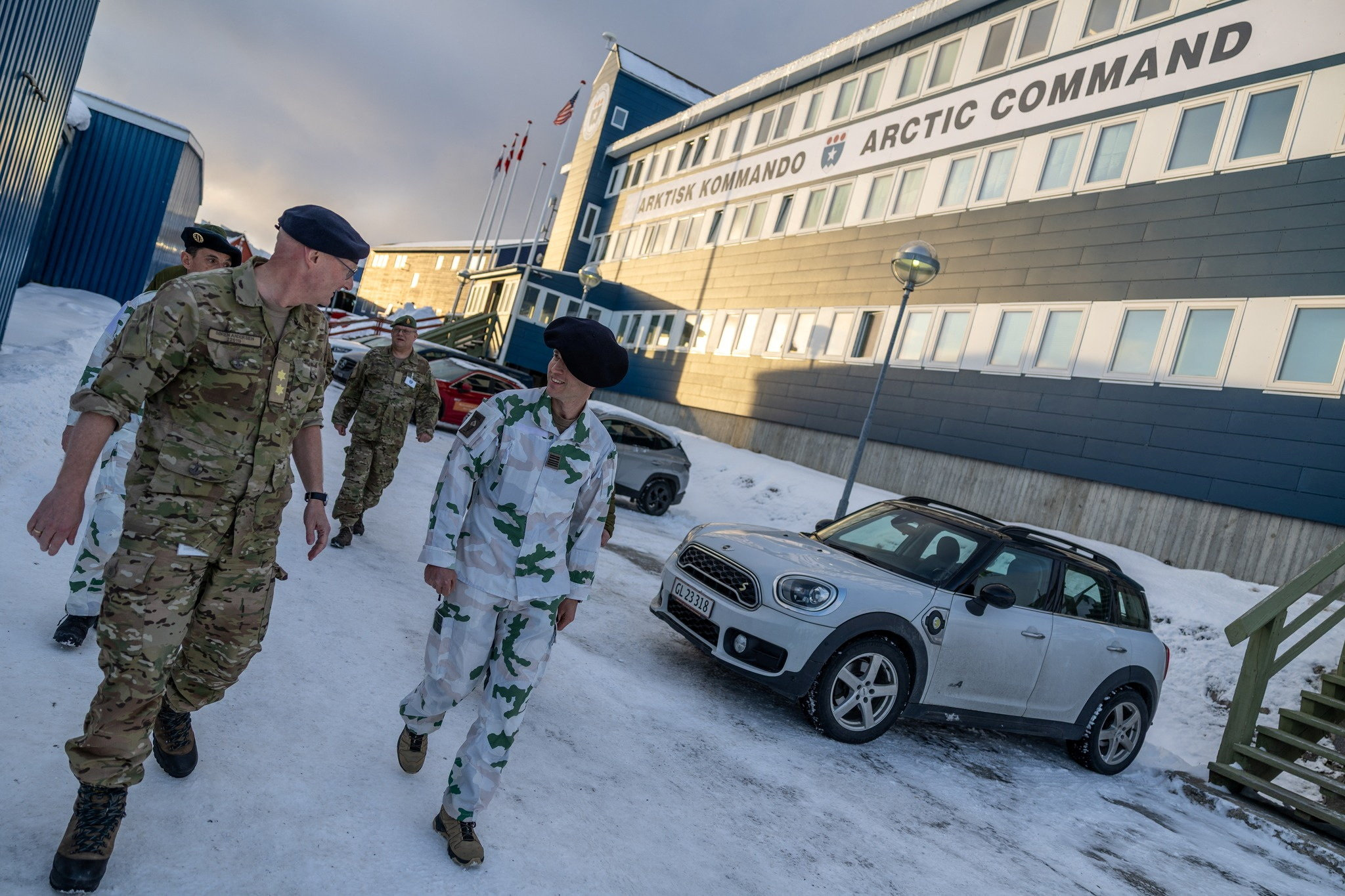
Greenland hosts critical installations supporting missile detection, space monitoring, and air defense. These facilities form part of a wider network that underpins Western deterrence strategies.
Experts say the perceived Russian threat Greenland heightens the importance of maintaining and modernizing this infrastructure, ensuring it keeps pace with evolving military technologies.
Economic and Resource Dimensions
Beyond defense, Greenland’s mineral wealth—including rare earth elements—adds an economic layer to its strategic importance. Control over supply chains for critical materials has become a geopolitical priority.
In this context, concerns about a Russian threat Greenland are intertwined with competition over influence, investment, and access to future resource extraction.
Greenland’s Domestic Perspective
Local leaders in Greenland have consistently emphasized balanced development, autonomy, and environmental protection. While security matters are taken seriously, there is caution about becoming a pawn in great-power rivalry.
For Greenlandic society, the debate around the Russian threat Greenland intersects with questions of sovereignty, economic opportunity, and long-term self-determination.
Diplomatic Responses and Restraint
European diplomats have urged careful calibration, stressing that Arctic stability depends on dialogue as much as deterrence. The region has long been governed by cooperation despite underlying tensions.
Still, the persistence of the Russian threat Greenland narrative illustrates how fragile that balance has become under modern geopolitical pressure.
One Expert Assessment
One Arctic security expert said,
“Greenland is no longer a peripheral concern; it is a strategic hinge connecting multiple theaters of global competition.”
This single observation captures why attention on the island continues to intensify.
Information Warfare and Strategic Messaging
Narratives play a powerful role in shaping security perceptions. Media framing, official statements, and policy documents all contribute to how threats are understood.
The repetition of the Russian threat Greenland theme reflects not only military assessments but also the strategic communication environment shaping public and political opinion.
Technological Change and Surveillance
Advances in satellite monitoring, hypersonic weapons, and cyber capabilities have altered the strategic calculus in the Arctic. Detection, response time, and data dominance are now critical factors.
Within this environment, the Russian threat Greenland debate highlights how technology amplifies the island’s relevance far beyond its population size.
Implications for US and European Defense Policy
Renewed focus on the Arctic is influencing defense budgets, force posture, and alliance coordination. Investments in radar, naval assets, and air defense increasingly account for northern scenarios.
Addressing the Russian threat Greenland narrative may lead to deeper US-European cooperation and expanded Nordic security integration.
Environmental Security and Military Planning
Harsh weather, fragile ecosystems, and limited infrastructure complicate military operations in the Arctic. Security planning must account for environmental constraints alongside strategic objectives.
As climate change accelerates access, the Russian threat Greenland discussion increasingly includes environmental risk and disaster response considerations.
Legal Frameworks and Arctic Governance
International law governs much of Arctic activity, including navigation rights and resource claims. These frameworks aim to prevent conflict while enabling cooperation.
How states manage the Russian threat Greenland concern will test the resilience of these legal mechanisms under mounting geopolitical stress.
Public Opinion and Democratic Accountability
Public awareness of Arctic issues has grown, driven by media coverage and political debate. Voters increasingly question how security decisions align with environmental and economic priorities.
The way leaders frame the Russian threat Greenland can therefore influence domestic support for defense initiatives and foreign policy direction.
Economic Spillover Effects
Security perceptions affect investment, tourism, and infrastructure development. Heightened tension can deter private capital even as public funding increases.
Analysts warn that prolonged emphasis on the Russian threat Greenland may carry economic costs if not balanced with stability-focused diplomacy.
Long-Term Strategic Outlook
Most analysts agree that Arctic competition will persist for decades. Decisions made today regarding infrastructure, alliances, and governance will shape future security outcomes.
The continued prominence of the Russian threat Greenland suggests the island will remain central to strategic planning well beyond the current political cycle.
Balancing Deterrence and Cooperation
Effective Arctic policy requires deterrence without provocation. Excessive militarization risks undermining the cooperative traditions that have historically governed the region.
Managing the Russian threat Greenland challenge will require nuanced policy that blends strength with restraint.
Global Implications Beyond the Arctic
What happens in the Arctic reverberates globally. Trade routes, alliance credibility, and strategic stability are all influenced by northern security dynamics.
The Russian threat Greenland debate therefore extends far beyond regional boundaries, touching the core of global power relations.
When Greenland Becomes a Measure of Global Stability
Greenland’s transformation from peripheral territory to strategic focal point encapsulates the changing nature of global security. Climate change, technology, and geopolitics have converged to elevate its importance.
How the international community responds to the Russian threat Greenland will shape not only Arctic stability but also broader norms governing competition and cooperation in a rapidly evolving world.