

Brussel Morning policy discussions among international observers are increasingly focused on road safety Nigeria as traffic deaths and serious injuries continue to rise across the country. What was once viewed as a domestic infrastructure issue has become a global public safety concern as Nigeria records some of the highest road fatality figures in Africa.
From congested urban highways to poorly maintained rural roads the challenges facing road safety Nigeria are complex and deeply rooted. Recent high profile crashes have reignited national debate placing pressure on authorities to take decisive and measurable action.
The Scale of the Road Safety Nigeria Problem
Road accidents remain one of the leading causes of death in Nigeria affecting drivers passengers pedestrians and cyclists alike. Every year thousands of lives are lost while countless others suffer permanent injuries.
Experts analyzing road safety Nigeria trends point to a combination of factors including speeding reckless driving vehicle overloading and weak enforcement of traffic laws. The human cost extends beyond statistics disrupting families communities and the broader economy.
Urban Growth and Traffic Congestion
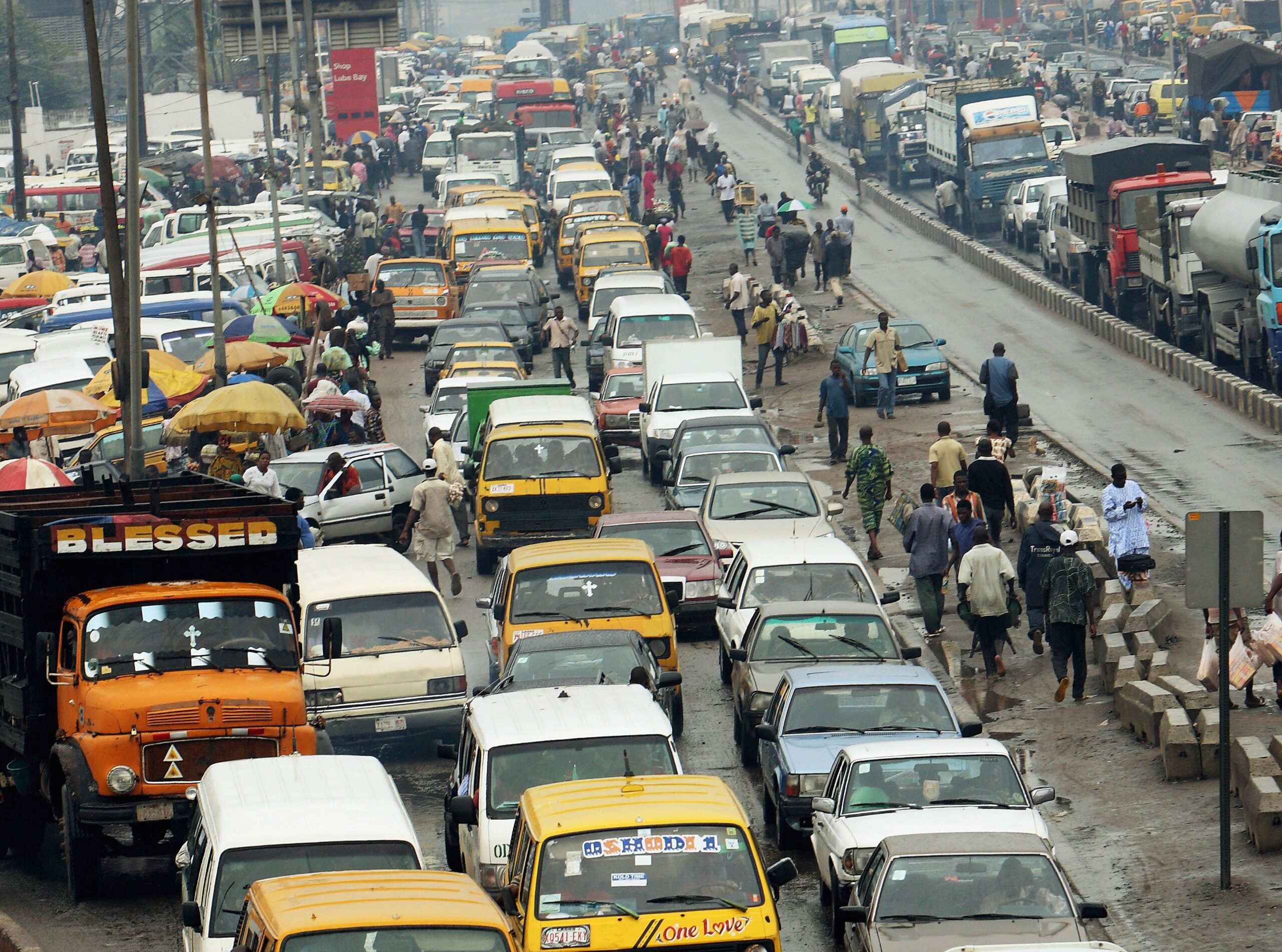
Rapid urbanization has intensified traffic congestion in major cities. Lagos Abuja and Port Harcourt experience daily gridlock increasing the likelihood of collisions. Inadequate public transport infrastructure forces many commuters onto overcrowded roads.
In this environment road safety Nigeria becomes harder to manage. Mixed traffic involving cars motorcycles buses and pedestrians creates unpredictable conditions that strain existing traffic management systems.
Poor Road Infrastructure and Maintenance
Many Nigerian roads suffer from potholes faded markings and limited lighting. These conditions significantly increase accident risk particularly at night and during the rainy season.
Infrastructure experts argue that road safety Nigeria cannot improve without sustained investment in road maintenance. Safe roads require clear signage proper drainage and regular inspections to reduce hazards.
Driver Behavior and Training Standards
Driver behavior remains a critical factor. Speeding distracted driving and disregard for traffic signals are widespread. In some cases drivers lack formal training or proper licensing.
Strengthening driver education is essential to improving road safety Nigeria. Mandatory training refresher courses and stricter licensing standards could reduce reckless behavior and improve overall compliance.
Vehicle Safety and Mechanical Failures
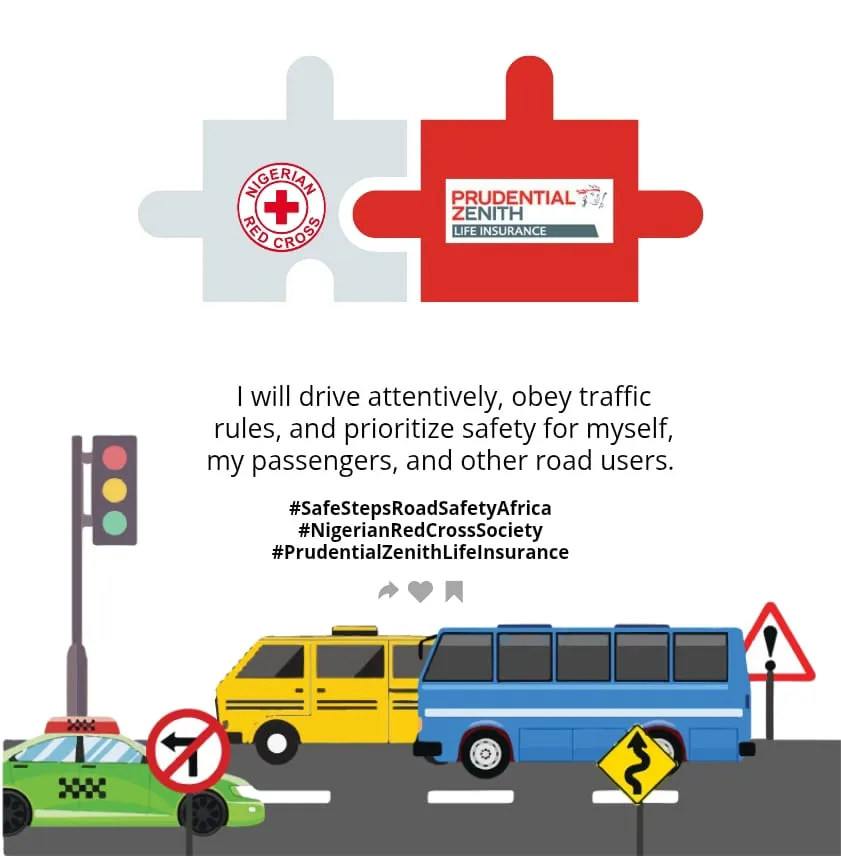
A significant number of vehicles on Nigerian roads are poorly maintained. Brake failures tire blowouts and engine problems contribute to many crashes.
Transport safety advocates emphasize that road safety Nigeria depends on enforcing vehicle inspection standards. Regular roadworthiness checks would remove unsafe vehicles from circulation and reduce preventable accidents.
Pedestrian and Cyclist Vulnerability
Pedestrians and cyclists account for a large proportion of road fatalities. Limited sidewalks unsafe crossings and high speed traffic expose vulnerable road users to constant danger.
Improving road safety Nigeria requires designing streets that protect all users. Pedestrian bridges safe crossings and dedicated lanes could significantly reduce fatalities.
Law Enforcement and Accountability
Traffic laws exist but enforcement remains inconsistent. Corruption limited resources and understaffing weaken the effectiveness of road policing.
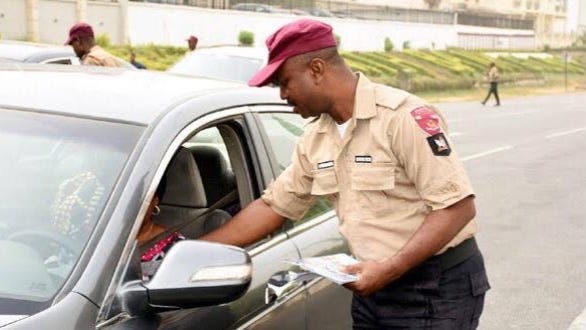
Observers note that road safety Nigeria will not improve without visible enforcement. Speed cameras checkpoints and transparent penalties could deter dangerous driving and restore public confidence.
Emergency Response and Trauma Care
Survival rates after crashes depend heavily on emergency response. Delays in ambulance services and limited trauma care facilities worsen outcomes.
Improving emergency response is a vital component of road safety Nigeria. Faster response times and better equipped hospitals could save thousands of lives each year.
Economic Cost of Road Accidents
Beyond human suffering road accidents impose significant economic costs. Lost productivity medical expenses and infrastructure damage burden both families and the national economy.
Analysts estimate that poor road safety Nigeria practices cost billions annually. Investing in prevention could yield long term economic benefits by reducing healthcare and social welfare costs.
Government Policies and Safety Initiatives
Authorities have launched various road safety campaigns including public awareness programs and seasonal enforcement drives. While these efforts have had limited success critics argue they lack consistency.
To address road safety Nigeria effectively experts recommend long term policy frameworks with clear targets accountability measures and stable funding.
Role of Technology in Improving Safety
Technology offers new tools for managing traffic and enforcing laws. Speed detection systems traffic monitoring and digital licensing could enhance oversight.
Integrating technology into road safety Nigeria strategies could modernize enforcement and reduce reliance on manual processes prone to abuse.
Public Awareness and Education Campaigns
Changing public attitudes is essential. Many drivers underestimate risk or normalize dangerous practices.
Nationwide education campaigns focusing on road safety Nigeria could shift behavior. Schools community organizations and media outlets play a critical role in promoting safe driving culture.
International Comparisons and Lessons
Other countries facing similar challenges have reduced fatalities through coordinated strategies combining enforcement education and infrastructure investment.
Learning from international models could help strengthen road safety Nigeria policies. Adaptation rather than imitation is key given Nigeria’s unique traffic environment.
Civil Society and Advocacy Groups
Non government organizations and advocacy groups have been instrumental in highlighting road safety issues. Their data collection and public campaigns keep pressure on policymakers.
Support for these groups is vital to sustaining momentum around road safety Nigeria reform and ensuring that victims’ voices are heard.
Media Responsibility and Accurate Reporting
Media coverage influences public perception and policy priorities. Responsible reporting highlights systemic issues rather than isolated incidents.
For Google News compliance reporting on road safety Nigeria requires factual accuracy balance and context avoiding sensationalism while emphasizing prevention.
Challenges to Reform Implementation
Despite widespread agreement on the need for change implementation remains difficult. Political turnover funding constraints and competing priorities slow progress.
Sustainable improvement in road safety Nigeria demands institutional commitment beyond short term campaigns.
A Path Forward for Safer Roads
Experts agree that no single solution exists. Progress requires coordinated action across government agencies communities and private sectors.
Improving road safety Nigeria means safer roads better drivers reliable vehicles and strong enforcement working together as a system.
Road Safety Nigeria at a Defining Crossroads
Nigeria stands at a crossroads where continued inaction will cost more lives while decisive reform could transform public safety. The road safety Nigeria challenge is urgent but solvable with political will public engagement and sustained investment. As national attention grows the choices made now will determine whether Nigeria’s roads remain a source of tragedy or become pathways to safer mobility for all.