Brussel morning developments in Eastern Europe have once again placed Putin residence security at the center of global attention. Following claims of a drone incident near the Kremlin, questions have emerged about how the Russian presidential residence is protected, how credible the reported threat may be, and what such claims mean for international stability. While Russian officials emphasize the effectiveness of their defenses, the incident has reignited debate among security experts, diplomats, and global media outlets.
Putin residence security is not merely a domestic Russian issue. Any perceived vulnerability involving the home of a nuclear armed head of state carries far reaching implications. As narratives spread rapidly across international media, understanding the structure, purpose, and political context of Putin residence security becomes essential for separating fact from speculation.
Why Putin Residence Security Is Drawing Global Attention
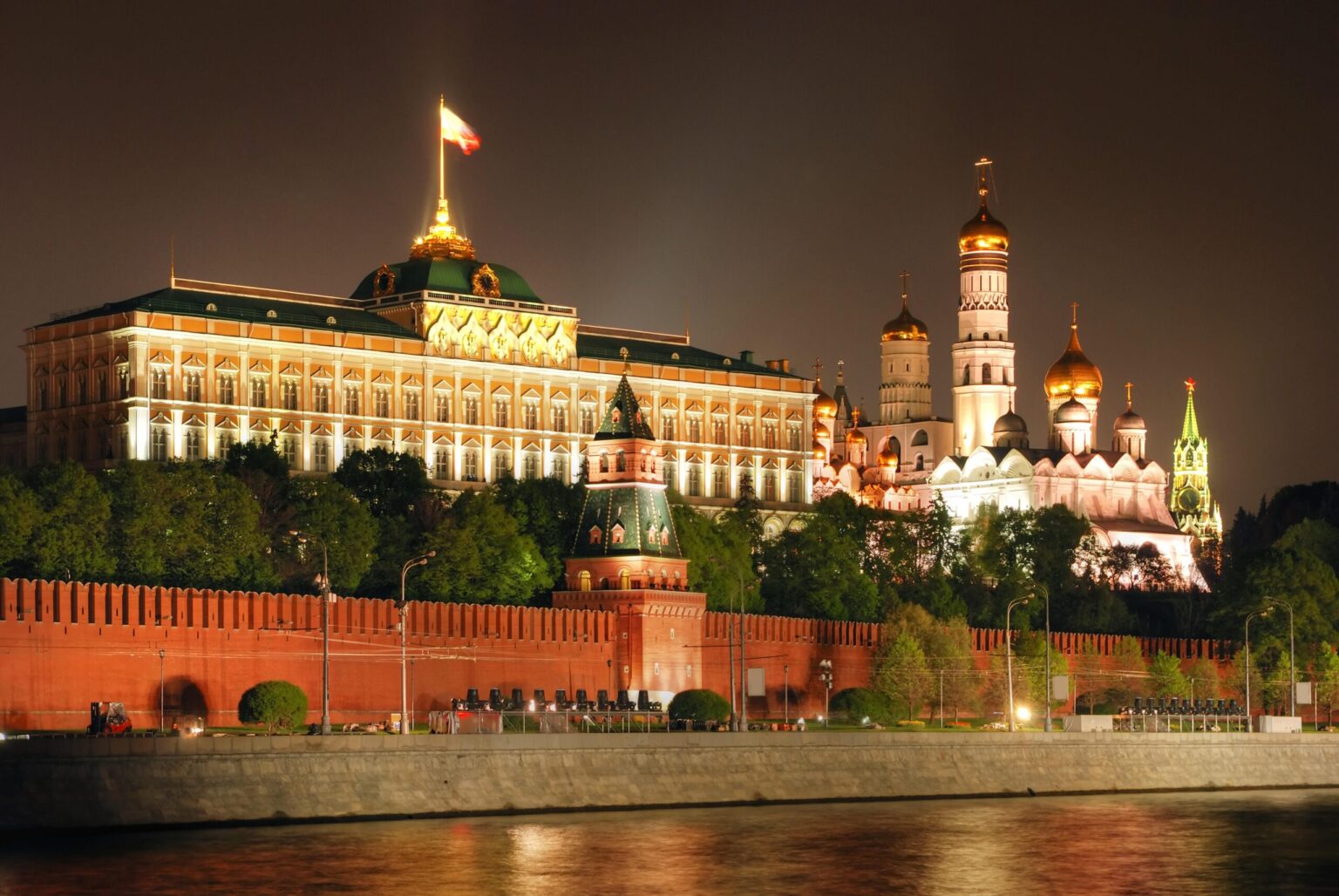
Recent allegations have propelled Putin residence security into headlines worldwide, largely because of the location involved and the implications tied to it. The Kremlin is one of the most fortified government complexes globally, and any suggestion of a threat near the Russian president’s residence immediately raises questions about escalation, intent, and credibility.
Analysts note that Putin residence security is not simply about preventing physical harm. It also serves as a signal of control and resilience. When narratives emerge questioning the integrity of such protection, they can influence domestic confidence and international perceptions simultaneously. This dual impact explains why even limited or disputed incidents receive outsized attention.
The Strategic Importance of Leadership Protection
From a geopolitical standpoint, Putin residence security represents more than a personal safeguard for a single leader. It is a core component of national security architecture and a visible symbol of state power. Any perceived vulnerability involving a nuclear-armed nation’s leadership carries implications that extend far beyond national borders.
Diplomatic observers emphasize that Putin residence security narratives can influence how foreign governments assess risk, stability, and potential responses. Markets, alliances, and diplomatic channels often react not just to confirmed events, but to the possibility of escalation suggested by such claims. This makes leadership security a matter of global concern, even when details remain unclear.
How the Kremlin Security Environment Is Structured
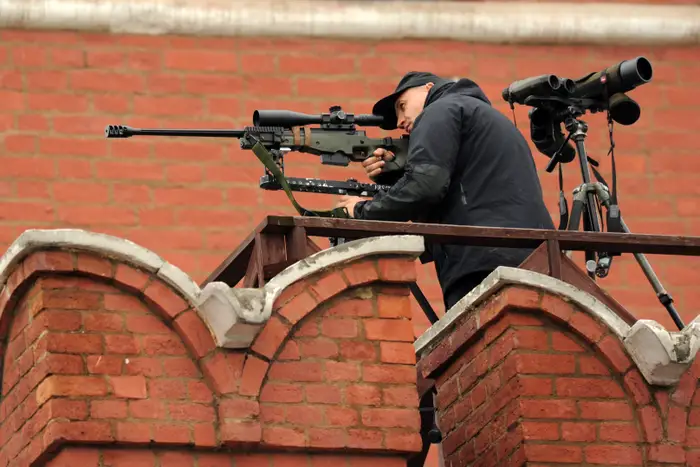
The Kremlin’s protective framework is designed around layered defense, redundancy, and rapid response. Putin residence security relies on a combination of physical barriers, restricted airspace, elite protective units, surveillance systems, and advanced air defense technologies. These layers are intended to ensure that no single failure results in a critical breach.
Experts point out that Putin residence security benefits from decades of institutional experience, continuously updated to address evolving threats such as unmanned aerial systems and electronic warfare. This complexity is one reason many specialists approach claims of close-range incidents with skepticism, emphasizing the need for verifiable evidence.
Information Warfare and Narrative Control
Modern conflicts are increasingly shaped by information as much as by military action, and Putin residence security has become part of that broader narrative battlefield. Highlighting threats to leadership protection can serve strategic communication goals, reinforcing perceptions of external danger while justifying heightened security or political measures.
In this context, Putin residence security functions as both a practical defense mechanism and a powerful symbol. Messaging around it can influence domestic audiences by projecting vigilance and resolve, while also shaping how international observers interpret intentions and capabilities. This dual role makes leadership security narratives particularly sensitive and influential.

Media Coverage and Public Perception
Global media coverage has played a decisive role in amplifying attention on Putin residence security. Headlines emphasizing potential threats tend to attract immediate interest, even when underlying facts remain contested. In fast-moving news cycles, initial reports often leave lasting impressions.
Journalists face the challenge of balancing timely reporting with responsible context. Coverage of Putin residence security frequently includes official claims alongside denials or calls for verification, but audiences may still struggle to distinguish confirmed information from speculation. This dynamic underscores the importance of media literacy during periods of heightened tension.
Historical Context of Kremlin Security Claims
Historically, claims involving threats to the Kremlin have surfaced during moments of elevated geopolitical stress. In several past cases, initial reports were later reassessed or clarified, reinforcing caution among analysts today. Putin residence security has long been portrayed as exceptionally robust, making any alleged incident especially newsworthy.
Understanding this historical backdrop helps explain why many experts urge restraint before drawing conclusions. The reputation of Putin residence security as nearly impenetrable contributes to skepticism, particularly when detailed evidence is not immediately available for independent review.
Technological Challenges and Modern Threats
Advancements in technology have transformed how governments approach leadership protection. Small drones, cyber capabilities, and electronic interference pose challenges even for the most secure locations. Putin residence security has evolved to address these risks through integrated detection, jamming, and interception systems.
Security specialists argue that Putin residence security reflects global trends rather than an isolated case. Governments worldwide are reassessing how to defend high-value targets against unconventional threats, recognizing that technology lowers barriers while increasing complexity.
Diplomatic Reactions and Global Caution
International responses to recent claims have been notably measured. Many governments have acknowledged the reports while stressing the importance of independent confirmation. As a result, the issue has remained a subject of discussion rather than a trigger for immediate policy changes in most capitals.
Diplomats stress that overreacting to unverified information can worsen tensions unnecessarily. By maintaining a cautious stance on Putin residence security, foreign governments signal a preference for stability and verification over rapid escalation driven by headlines.
Domestic Implications Within Russia
Within Russia, attention to Putin residence security can reinforce narratives of vigilance and unity. Emphasizing leadership protection during uncertain times often strengthens public perception of control and preparedness. This domestic dimension is an important factor in understanding why such topics receive prominent attention.
At the same time, continued attention on leadership protection may lead to visible changes in public space management, tighter access controls, or an increased security presence. Such measures, though presented as precautionary, can influence daily routines and shape public sentiment.
What Comes Next
As scrutiny continues, analysts expect further clarification or supporting information to emerge over time. Until then, the situation is likely to remain a reference point in broader discussions about escalation, perception, and modern statecraft.
Whether the issue fades or intensifies will depend largely on verifiable facts and how they are communicated. In the meantime, the episode serves as a reminder of how leadership protection increasingly intersects with technology, politics, and global information flows.
In the current geopolitical environment, this issue has evolved beyond a purely technical matter. It has become a lens through which power dynamics, public perception, and international stability are assessed on a global scale. While questions and speculation persist, the absence of independent confirmation highlights the importance of caution and measured analysis.
Ultimately, the situation reflects the broader challenges modern governments face as they navigate evolving threats, real time media cycles, and the delicate balance between transparency and strategic communication.