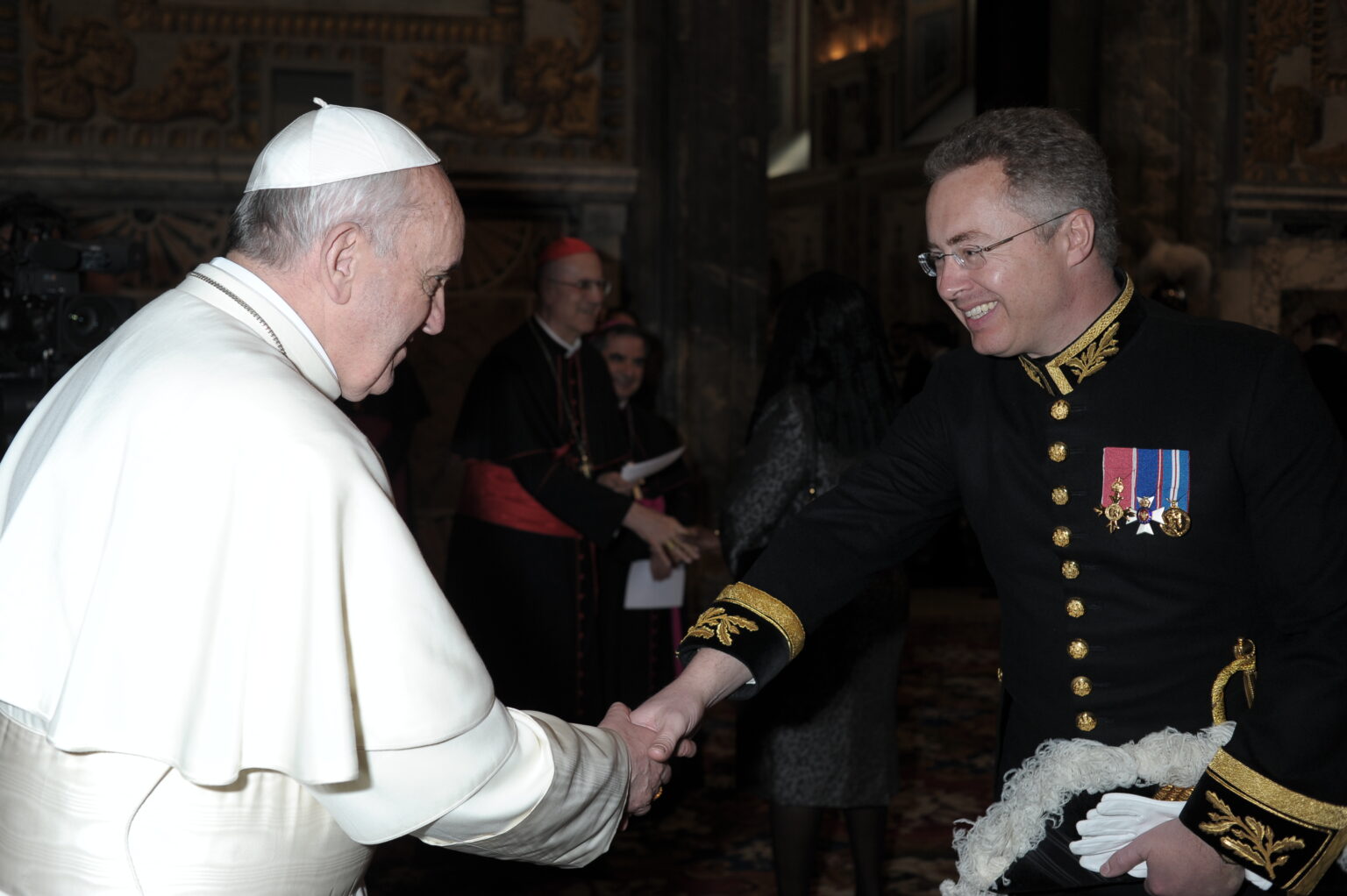
Vatican City, Rome January, 2026 — Brussels Morning Newspaper highlights that the Pope Leo Vatican meeting has become a focal point of international attention, reflecting the Holy See’s expanding engagement with political dialogue, humanitarian concerns, and moral diplomacy at a time of global uncertainty. As 2026 unfolds, the Vatican is once again asserting its unique role as a platform for dialogue beyond traditional state diplomacy, offering a space where ethical considerations intersect with global politics.
The meeting underscores how the Vatican continues to influence international discourse despite lacking conventional political power.
Background to the Vatican Engagement
The Pope Leo Vatican meeting took place against a backdrop of prolonged political crises, regional instability, and growing concern over democratic governance and humanitarian conditions in several parts of the world. The Vatican has historically positioned itself as a neutral venue for dialogue, particularly when official diplomatic channels face limitations.
This engagement follows a long tradition of quiet diplomacy aimed at easing tensions, promoting reconciliation, and maintaining communication where political polarization has eroded trust.
Pope Leo’s Diplomatic Philosophy
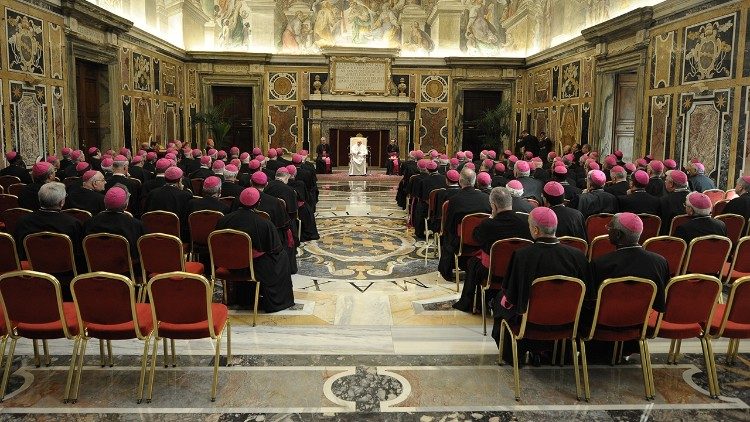
Since assuming the papacy, Pope Leo has emphasized dialogue, restraint, and moral responsibility in international affairs. The Pope Leo Vatican meeting reflects this philosophy, focusing on listening and ethical reflection rather than political alignment or policy negotiation.
Vatican officials note that such engagements are designed to encourage peaceful solutions without endorsing specific political outcomes, reinforcing the Church’s role as a moral rather than political authority.
Why the Vatican Remains a Neutral Forum
The Pope Leo Vatican meeting highlights why the Holy See continues to serve as a trusted diplomatic venue. Unlike nation-states, the Vatican operates independently of military or economic leverage, relying instead on moral credibility and historical continuity.
This neutrality allows it to host discussions involving actors who may not otherwise share the same negotiating table, preserving channels of communication in times of division.
Symbolism and International Interpretation
Symbolism played a central role in how the Pope Leo Vatican meeting was perceived globally. Analysts emphasized that Vatican diplomacy often signals moral concern rather than political intervention, shaping narratives rather than policies.
Such symbolism can influence international opinion, reminding global audiences that unresolved political conflicts carry ethical and humanitarian consequences.

Humanitarian Issues at the Core
Humanitarian concerns were central to the Pope Leo Vatican meeting, consistent with the Church’s emphasis on human dignity and social justice. Issues such as political repression, economic hardship, migration, and social fragmentation frequently form the moral framework of Vatican engagements.
By centering dialogue on the human impact of political decisions, the Vatican seeks to elevate ethical responsibility within international discourse.
Balancing Moral Voice and Diplomatic Caution
A defining challenge illustrated by the Pope Leo Vatican meeting is the balance between moral clarity and diplomatic caution. While the Holy See avoids explicit political endorsements, it continues to speak out on issues of justice, peace, and human rights.
This approach allows the Vatican to remain engaged without undermining its credibility as a mediator trusted by diverse political actors.
Responses From Diplomatic Circles
Diplomatic reactions to the Pope Leo Vatican meeting were measured but attentive. Observers noted that Vatican diplomacy typically unfolds over extended timelines, with influence emerging gradually rather than through immediate outcomes.
One senior Vatican analyst said,
“The Holy See operates on the understanding that lasting peace begins with conscience, not coercion.”
The Vatican’s Role in a Fragmented Global Order
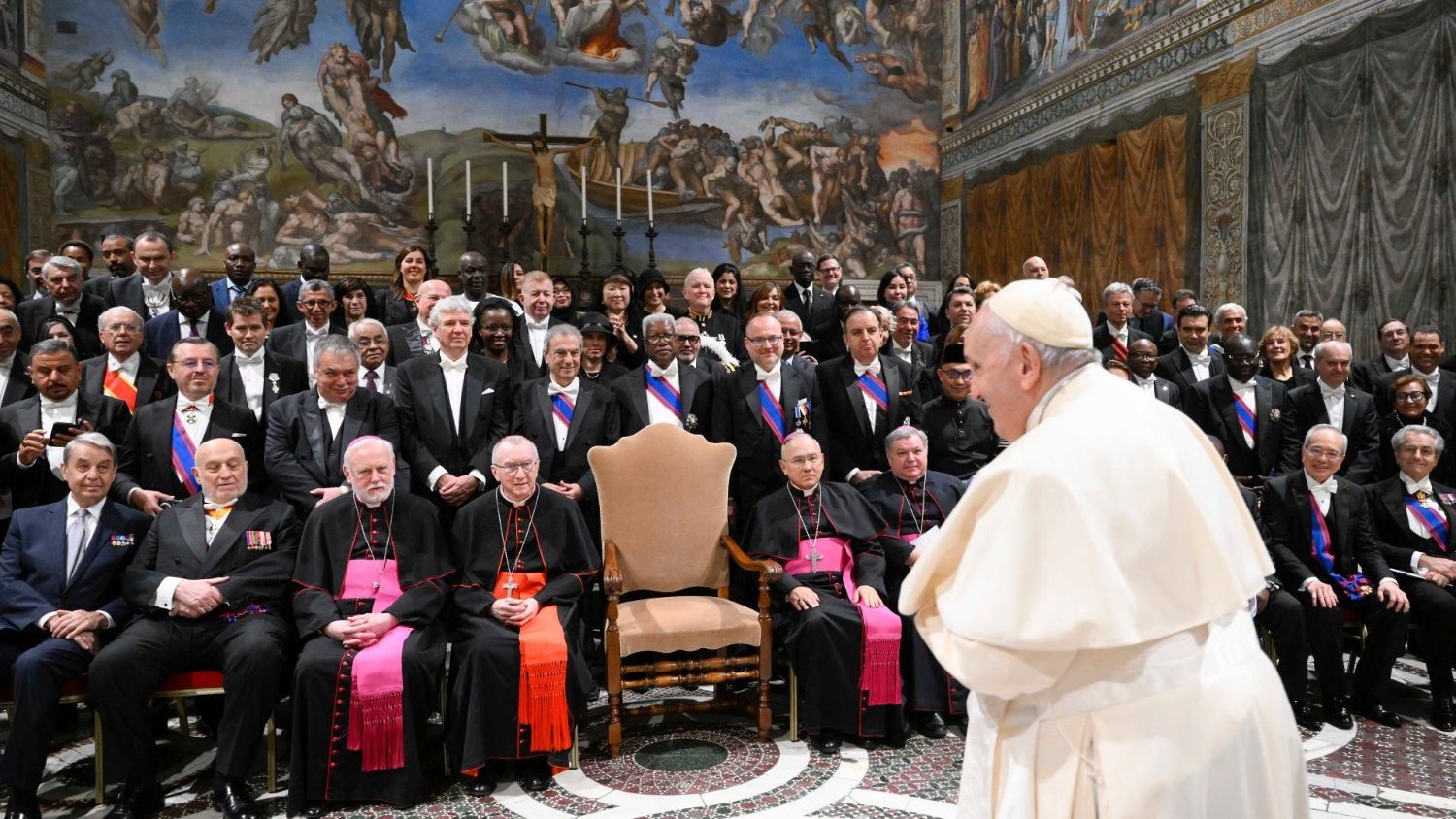
The Pope Leo Vatican meeting occurred at a time when global diplomacy is increasingly fragmented. Multilateral institutions face strain, while bilateral relations are often driven by short-term strategic interests.
In this environment, the Vatican’s emphasis on dialogue, patience, and ethical reflection offers an alternative model of engagement focused on long-term stability rather than transactional outcomes.
Media Coverage and Public Interest
Global media coverage of the Pope Leo Vatican meeting reflects sustained public interest in the Church’s role in world affairs. While secular institutions dominate policy decisions, moral leadership continues to shape public debate and international perception.
Coverage of Vatican engagements often amplifies their symbolic significance, extending their influence beyond the immediate diplomatic context.
Implications for Future Vatican Engagements
Although the Pope Leo Vatican meeting did not produce formal agreements, it may open pathways for continued dialogue facilitated through Church networks. Vatican diplomacy often emphasizes continuity, maintaining engagement even when immediate progress appears limited.
Such encounters can encourage restraint, preserve communication channels, and keep international attention focused on unresolved political and humanitarian challenges.
The Holy See’s Strategic Outlook for 2026
Looking ahead, the Pope Leo Vatican meeting signals the Vatican’s intention to remain actively engaged in global affairs throughout 2026. As political polarization deepens worldwide, the Holy See’s role as a convening authority rooted in moral legitimacy may grow in relevance.
This engagement aligns with a broader strategy that prioritizes ethical discourse as a stabilizing force in international relations.
Public Expectations and Moral Authority
Public reaction to the Pope Leo Vatican meeting underscores enduring expectations that the Church will serve as a voice for peace and human dignity. While its influence is indirect, the Vatican’s moral authority continues to resonate across cultural and political boundaries.
Such expectations reinforce the significance of Vatican diplomacy even in an era dominated by power politics.
A Vatican Encounter That Reflects Broader Change
Rather than an isolated event, the Pope Leo Vatican meeting reflects a broader evolution in how non-state actors engage with global challenges. Moral authority, ethical framing, and symbolic leadership increasingly complement traditional diplomatic tools.
This shift suggests that influence in international affairs is no longer confined solely to governments and formal institutions.
Why This Moment Matters in Contemporary Diplomacy
The significance of the Pope Leo Vatican meeting lies in its reminder that dialogue remains possible even amid deep division. In a world where political discourse is often polarized, the Vatican continues to offer a space for reflection grounded in shared human values.
This approach does not replace political negotiation but reinforces the ethical foundations upon which lasting solutions depend.
A Quiet Signal With Lasting Resonance
The developments surrounding the Pope Leo Vatican meeting demonstrate how subtle diplomatic gestures can carry lasting impact. While lacking immediate policy consequences, such encounters shape perceptions, encourage dialogue, and reaffirm the importance of moral responsibility in global affairs.
In 2026, the Vatican’s quiet diplomacy remains a distinctive and influential presence on the world stage.