

San Francisco, United States, January, 2026 — Brussels Morning Newspaper, As artificial intelligence becomes a foundational layer of the global economy, infrastructure decisions are now as consequential as software breakthroughs. In San Francisco this week, OpenAI detailed a long-term plan to rein in the soaring power demands of advanced computing, placing the OpenAI energy strategy at the heart of its future operations. The announcement signals a broader shift in how leading technology firms balance rapid innovation with economic discipline and environmental responsibility in an era of unprecedented AI expansion.
The Growing Energy Challenge Behind Artificial Intelligence
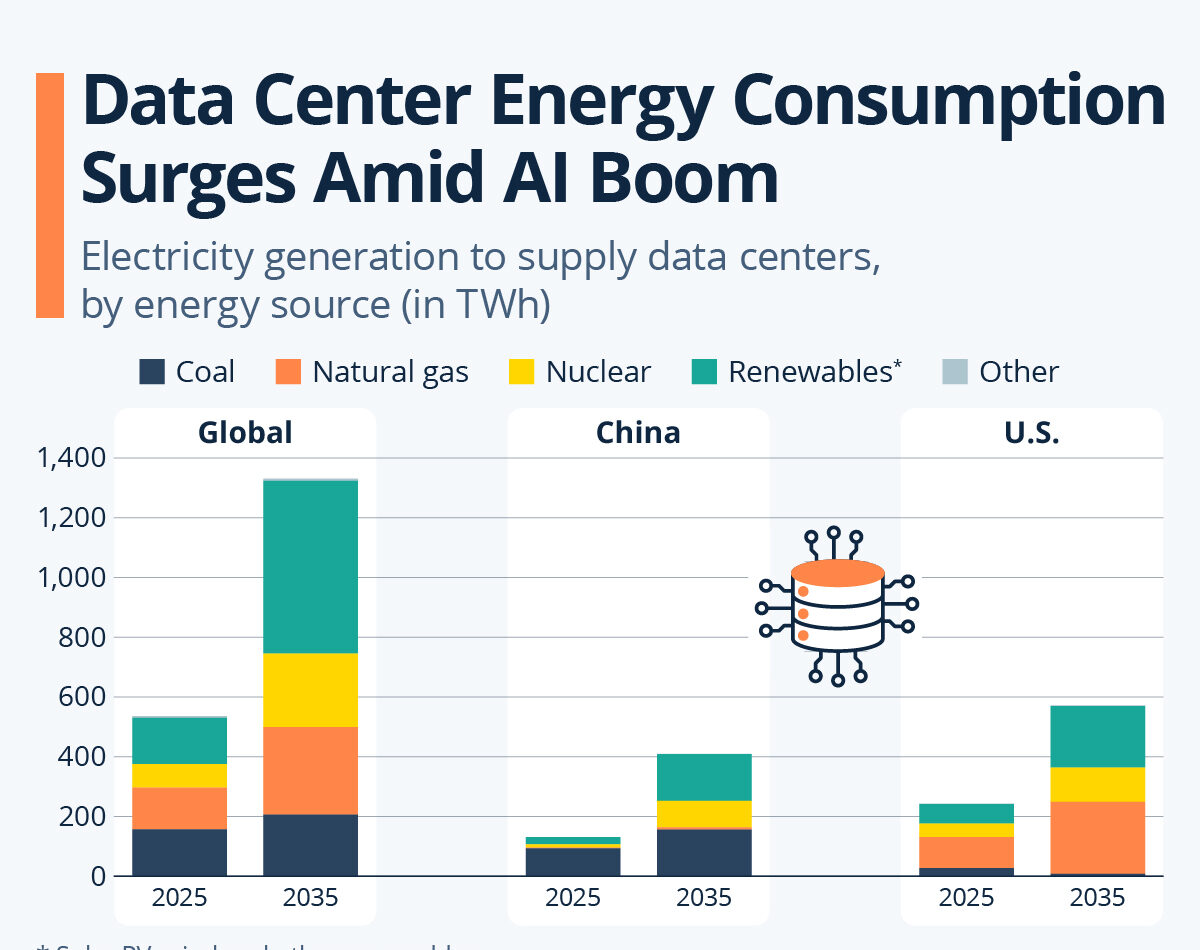
Artificial intelligence systems have evolved far beyond experimental deployments. Training and operating large-scale models requires immense computational throughput, translating directly into rising electricity consumption. Across the technology sector, energy availability and cost have emerged as binding constraints on growth.
For OpenAI, leadership acknowledged that unchecked expansion would strain grids, inflate operating budgets, and attract regulatory scrutiny. The OpenAI energy strategy is designed to confront these risks head-on, ensuring that infrastructure growth remains sustainable as AI adoption accelerates worldwide.
Why Infrastructure Now Shapes Competitive Advantage
In earlier phases of AI development, innovation was defined primarily by model architecture and data scale. Today, infrastructure efficiency increasingly determines who can scale reliably and affordably. Energy management has become a differentiator rather than a background consideration.
By elevating efficiency to a strategic priority, the OpenAI energy strategy reframes infrastructure as a source of competitive strength, enabling the company to deploy powerful systems without proportionally increasing costs or environmental impact.
Hardware Decisions That Influence Power Demand
One of the central pillars of the plan involves hardware selection. Specialized AI accelerators can perform targeted workloads far more efficiently than general-purpose processors, delivering higher output per watt.
OpenAI executives explained that aligning workloads with optimized hardware allows the OpenAI energy strategy to reduce wasted computation, especially during training cycles that traditionally consume enormous amounts of power.
Software Optimization as a Hidden Energy Lever
Hardware alone cannot solve the power challenge. OpenAI is investing in software techniques that reduce unnecessary calculations while preserving model quality. Adaptive precision, streamlined training pipelines, and intelligent workload distribution are among the tools being deployed.
These measures embed efficiency directly into the development lifecycle, ensuring the OpenAI energy strategy operates continuously rather than as a one-time infrastructure upgrade.
Cooling Systems Undergoing a Redesign
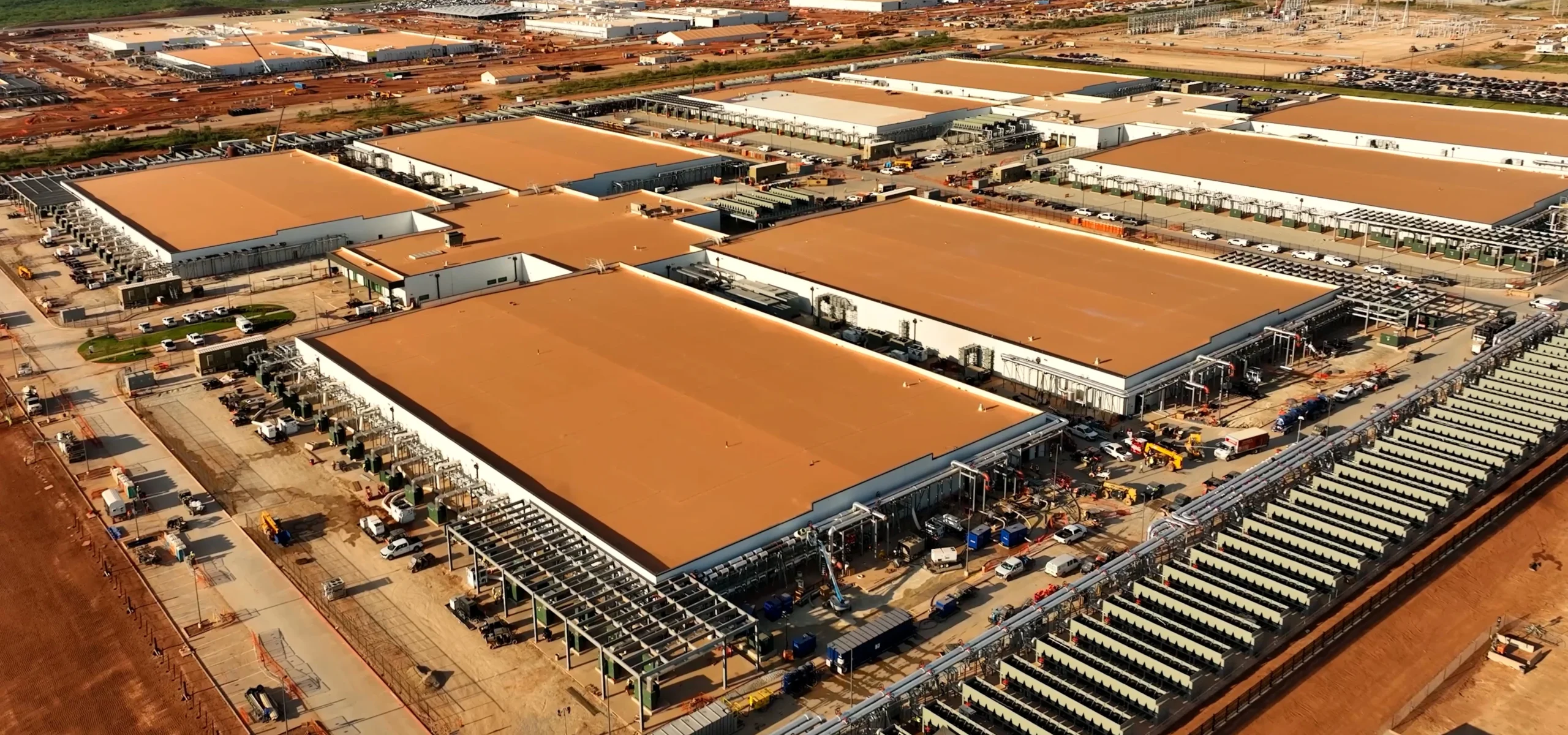
Cooling accounts for a significant share of data center energy use. Traditional air-based systems struggle to keep pace with dense, high-performance computing clusters.
OpenAI plans to adopt advanced cooling methods, including liquid-based solutions and AI-managed thermal controls. These innovations form a critical component of the OpenAI energy strategy, lowering overhead while maintaining operational resilience.
Renewable Power Integration Gains Momentum
Energy sourcing is another focal point. OpenAI is expanding long-term agreements for renewable electricity, aligning compute-intensive tasks with periods of abundant clean energy supply.
This approach stabilizes costs and reduces emissions, reinforcing the OpenAI energy strategy as both an economic and environmental initiative rather than a purely technical adjustment.
One Voice From the Leadership Circle
One senior infrastructure executive involved in the rollout said,
“Sustainable scaling is no longer optional for advanced AI; energy efficiency now defines whether innovation can continue responsibly.”
Economic Pressures Driving Strategic Change
Rising electricity prices and grid congestion are reshaping investment decisions across the technology sector. Locations once favored for expansion are being reassessed through the lens of long-term energy availability.
Within this context, the OpenAI energy strategy provides a framework for selecting sites, negotiating power contracts, and timing expansions to minimize exposure to volatile energy markets.
Environmental Accountability and Public Expectations
As AI systems become embedded in everyday life, public scrutiny of their environmental footprint has intensified. Stakeholders increasingly expect transparency and measurable progress toward sustainability.
By addressing power consumption proactively, the OpenAI energy strategy positions the company to meet evolving expectations while reinforcing trust among users, partners, and regulators.

Implications for AI Pricing and Accessibility
Energy efficiency has downstream effects on pricing. Lower operating costs create room for stable or reduced service fees, expanding access to advanced AI tools across sectors.
If successful, the OpenAI energy strategy could help prevent rising usage costs that might otherwise limit adoption in education, healthcare, and small business environments.
Managing Grid Impact While Scaling Rapidly
Large data centers can place substantial strain on local power infrastructure. Without careful coordination, rapid expansion risks destabilizing regional grids.
The OpenAI energy strategy addresses this challenge through demand smoothing, off-peak scheduling, and collaboration with utilities, allowing growth without overwhelming existing systems.
Competitive Dynamics in the AI Landscape
Energy efficiency is emerging as a quiet but decisive factor in AI leadership. Firms that manage power intelligently gain flexibility in deployment speed, experimentation, and global reach.
Within this evolving landscape, the OpenAI energy strategy signals that infrastructure discipline is now inseparable from technological ambition.
Long-Term Vision for Adaptive Data Centers
Looking ahead, OpenAI envisions facilities that continuously adapt to changing workloads, energy prices, and environmental conditions. Intelligent systems would dynamically balance performance and efficiency in real time.
This vision ensures the OpenAI energy strategy remains relevant as AI architectures and global energy markets evolve over the coming decade.
Policy and Regulatory Considerations Ahead
Governments are beginning to examine the energy footprint of large-scale AI deployments. Future regulations may impose reporting requirements or efficiency standards on data centers.
By acting early, the OpenAI energy strategy prepares the company for a regulatory environment where energy accountability is formalized rather than voluntary.
Global Context of AI Growth and Power Supply
The intersection of AI expansion and energy supply is a global issue. Nations compete to attract data centers while safeguarding grid stability and climate goals.
In this broader context, the OpenAI energy strategy reflects a recognition that technological leadership must align with energy realities across regions.
Measuring Success Beyond Headlines
Success will be evaluated through sustained outcomes rather than short-term metrics. Stable operating costs, reduced emissions intensity, and uninterrupted service delivery will all serve as benchmarks.
Through these indicators, the OpenAI energy strategy aims to demonstrate that responsible scaling is achievable even at the forefront of AI innovation.
Workforce and Skills Implications
Implementing energy-efficient infrastructure requires new skills at the intersection of engineering, data science, and energy management. OpenAI is expanding internal expertise to support this transition.
The OpenAI energy strategy thus influences not only physical assets but also workforce development and organizational culture.
Investment Signals to the Broader Market
OpenAI’s focus on energy efficiency sends a signal to investors and partners that long-term sustainability underpins growth plans. Infrastructure discipline reduces risk and enhances predictability.
This emphasis strengthens confidence that the OpenAI energy strategy supports durable expansion rather than short-lived scaling bursts.
Technology as a Tool for Energy Intelligence
AI itself plays a role in optimizing energy use. Predictive analytics, real-time monitoring, and automated control systems enable fine-grained adjustments that human operators cannot match.
By applying its own technology internally, OpenAI ensures the OpenAI energy strategy benefits from continuous learning and improvement.
Broader Implications for the Tech Industry
OpenAI’s approach may influence peers facing similar challenges. As AI adoption spreads, energy efficiency could become a baseline expectation rather than a differentiator.
In that scenario, the OpenAI energy strategy may serve as an early reference point for how advanced computing can align with sustainability goals.
Looking Ahead Through 2026 and Beyond
As 2026 progresses, the success of the initiative will become clearer through operational data and expansion outcomes. Market observers will watch closely for signs that efficiency gains translate into stable growth.
Regardless of short-term fluctuations, the OpenAI energy strategy has already reshaped how infrastructure decisions are framed within the company.
A Blueprint for Responsible AI Expansion
OpenAI’s plan marks a turning point in how artificial intelligence companies approach infrastructure. Energy is no longer a background utility but a strategic asset that shapes viability and trust.
As AI continues to transform industries, the OpenAI energy strategy outlined in San Francisco in 2026 stands as a blueprint for scaling innovation without sacrificing economic or environmental stability.