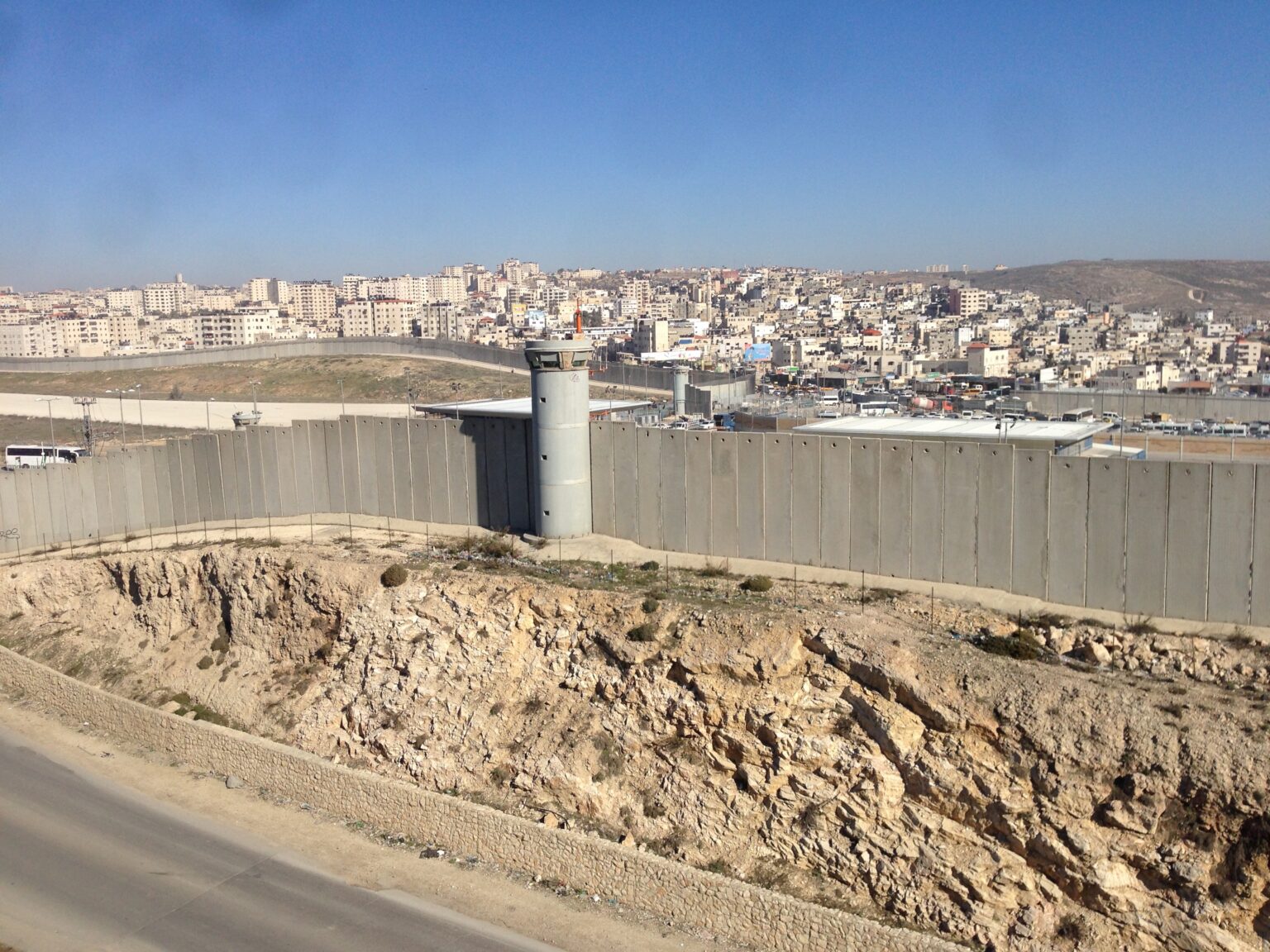
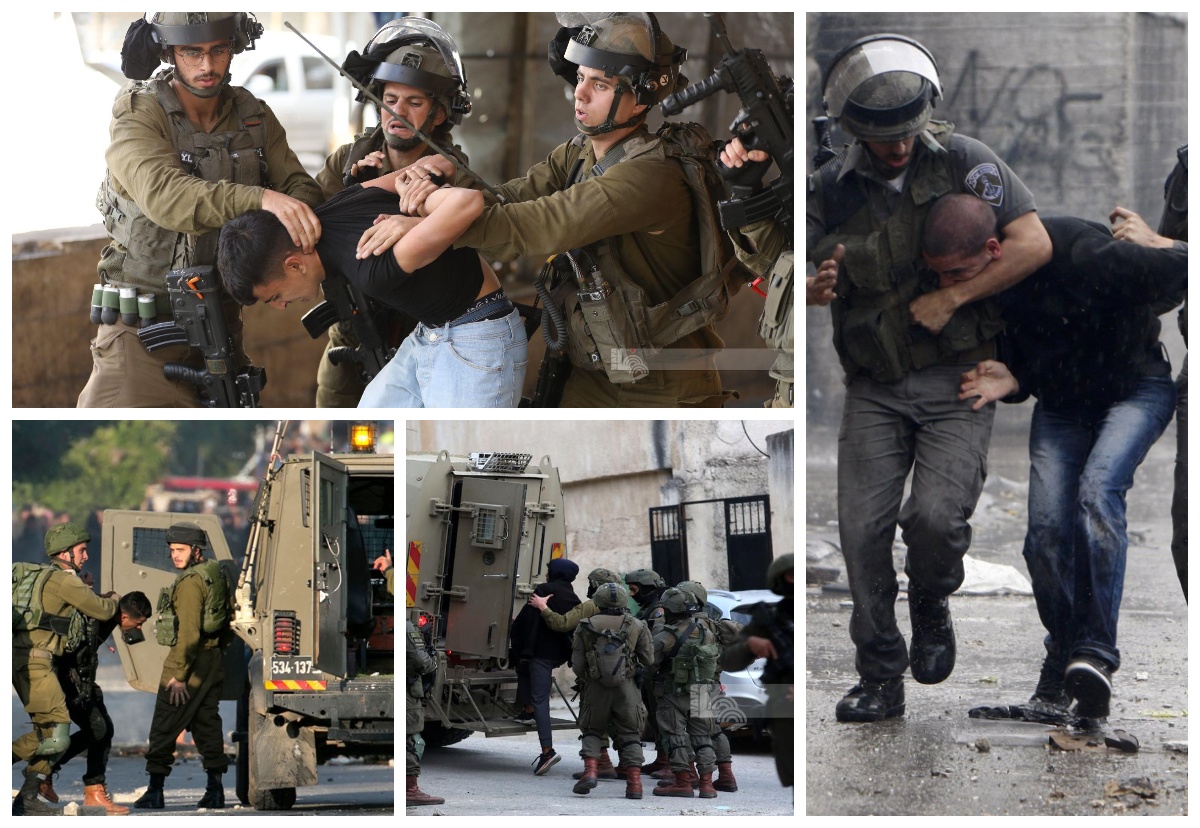
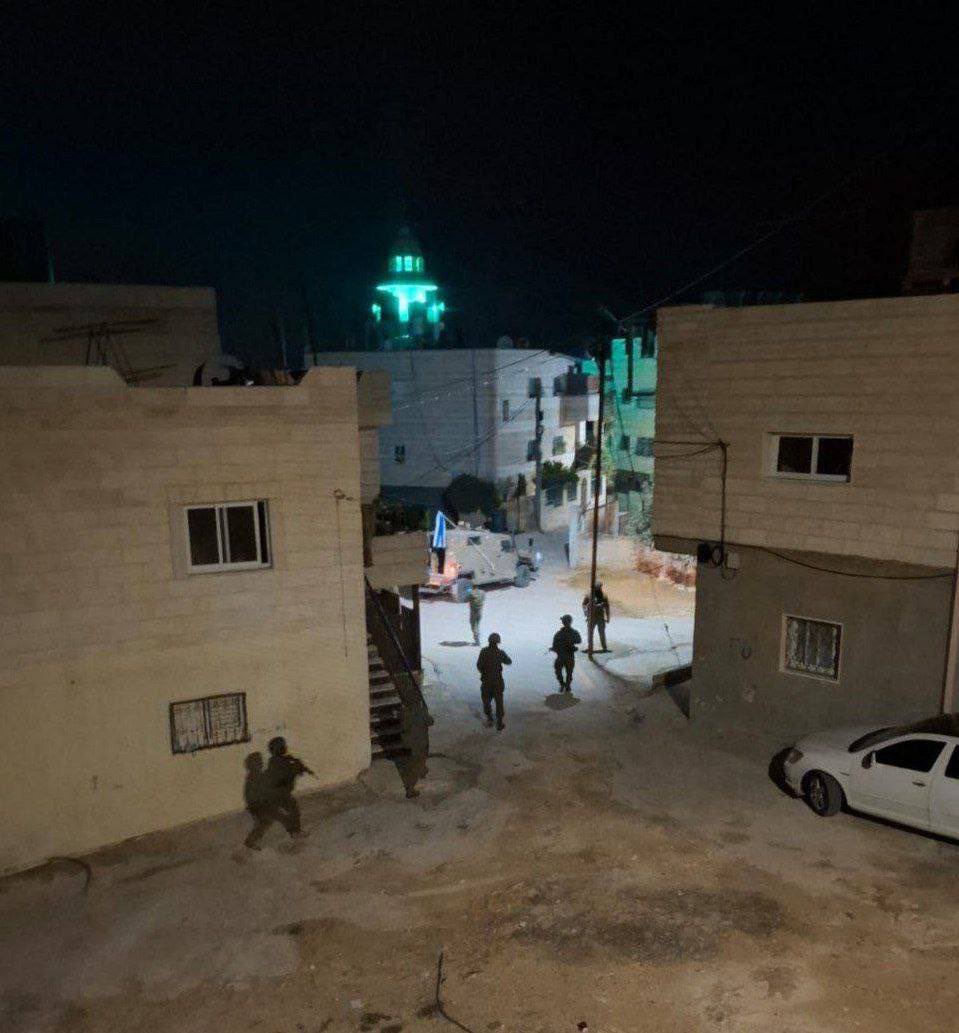
Brussels Morning Newspaper begins coverage as occupied territories news centers on overnight military raids in the West Bank cities of Hebron and Bethlehem, where residents reported widespread disruption, arrests, and heavy troop deployment. The operations unfolded during late night and early morning hours, catching families off guard and bringing daily life to a sudden halt.
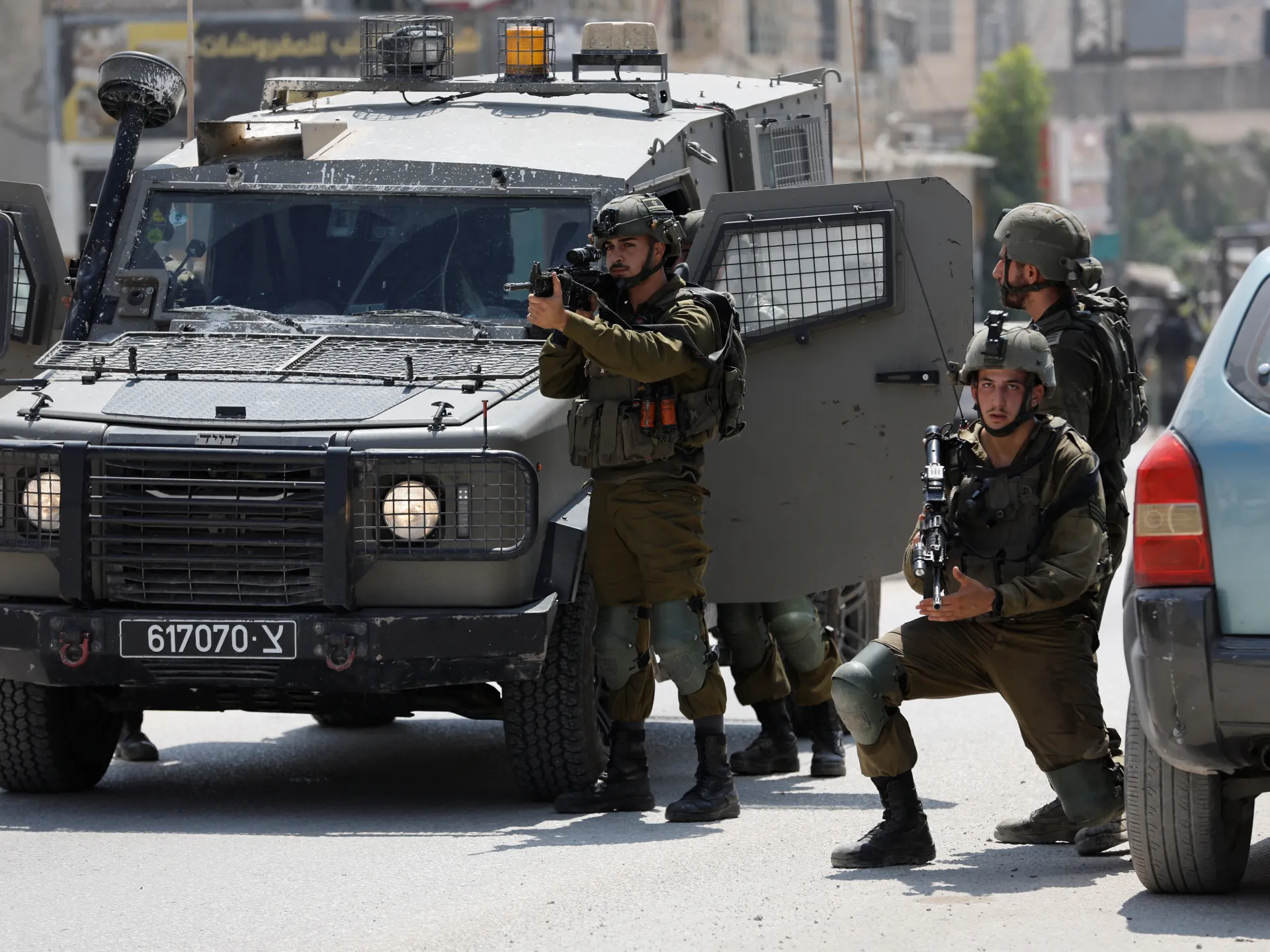
Witnesses described armored vehicles entering residential areas, temporary checkpoints appearing on major roads, and loudspeaker announcements ordering people to remain inside their homes. As occupied territories news spread rapidly through local and international media, attention turned to the immediate impact on civilians living in some of the most densely populated urban areas of the West Bank.
Details of the Overnight Operations
The raids were carried out simultaneously across several neighborhoods. Security forces moved street by street, conducting searches and questioning residents. Doors were knocked on or forced open, and personal belongings were examined as part of the operation.
Local sources said the timing amplified fear and confusion. When occupied territories news breaks during nighttime operations, families often have little opportunity to prepare, leaving children and elderly residents particularly distressed.
Arrests and Detentions
Community leaders reported that multiple individuals were detained during the raids, though official figures were not immediately released. Families gathered outside homes and local centers seeking information about those taken away.
Human rights observers noted that during moments like these, occupied territories news often includes concerns about due process, access to legal counsel, and the whereabouts of detainees following arrests.
Civilian Life Disrupted
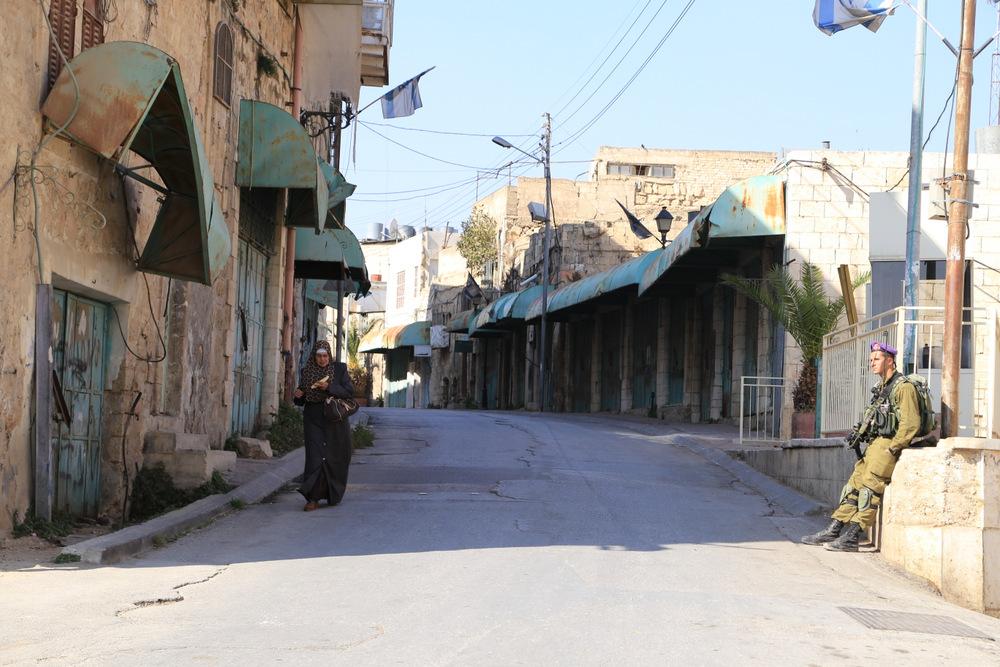
The impact on civilian routines was immediate. Schools delayed opening, shops remained closed, and public transportation slowed as checkpoints restricted movement. Many residents chose to stay indoors well into the morning hours.
As occupied territories news continues to highlight such events, the disruption underscores how quickly normal life can be suspended in occupied areas due to security operations.
Official Statements and Security Rationale
Israeli authorities stated that the raids were part of ongoing security efforts aimed at preventing violence and detaining suspects. Officials emphasized that the operations were intelligence driven and targeted specific locations.
However, Palestinian officials countered that when occupied territories news is dominated by raids of this scale, it reflects a broader pattern that fuels resentment and instability rather than long term security.
Local Leadership and Community Response
Municipal leaders in Hebron and Bethlehem condemned the raids, citing property damage and psychological harm to residents. Statements called for restraint and urged international monitoring of developments on the ground.
For many residents, the recurrence of such operations means that occupied territories news feels less like distant reporting and more like a constant presence shaping daily existence.
Historical Context of Raids in the West Bank
Hebron and Bethlehem have long histories of security operations due to their political, religious, and strategic significance. Raids have occurred periodically over decades, often intensifying during times of heightened tension.
Within this broader context, occupied territories news surrounding these latest raids reflects a continuation of patterns familiar to local populations, even as each operation carries unique consequences.
Human Rights and Legal Concerns
Rights organizations raised alarms about the conduct of nighttime raids in civilian neighborhoods. Concerns included the proportionality of force used and the treatment of residents during searches.
Advocates argue that as occupied territories news brings these incidents to light, transparency and accountability remain critical to protecting civilian rights under international law.
Economic Effects on Local Communities
Short term economic losses followed the operations. Businesses reported missed revenue, while workers were unable to reach jobs due to travel restrictions. These losses compound existing economic challenges in the West Bank.
When occupied territories news focuses on repeated raids, it also highlights the longer term economic toll on communities already facing high unemployment and limited mobility.
Psychological Impact on Residents
Mental health professionals note that repeated raids contribute to chronic stress and anxiety. Children exposed to nighttime searches often experience sleep disturbances and fear, while adults report feelings of helplessness.
As occupied territories news continues to document these experiences, the psychological dimension of security operations becomes increasingly difficult to ignore.
Media Coverage and Information Challenges
Movement restrictions during raids make real time reporting difficult. Journalists rely on resident accounts, videos, and photographs shared through social media to piece together events.
In this environment, occupied territories news can evolve quickly, sometimes leading to misinformation until official statements or confirmations are released.
Regional and International Reaction
International observers monitored the situation closely, issuing calls for calm and restraint. Diplomatic statements emphasized the importance of protecting civilians and avoiding escalation.
As occupied territories news circulates globally, analysts warn that repeated operations risk inflaming tensions and complicating diplomatic efforts aimed at de escalation.
Political Implications
The raids carry political weight beyond their immediate impact. They influence public opinion, shape leadership responses, and affect broader negotiations related to the Israeli Palestinian conflict.
When occupied territories news is dominated by security operations, political dialogue often takes a back seat to crisis management.
Community Voices From Hebron and Bethlehem
Residents shared personal accounts of fear and disruption. Some described children hiding during searches, while others spoke of elderly relatives struggling to comply with orders during nighttime operations.
These stories give human dimension to occupied territories news, reminding audiences that behind headlines are families navigating uncertainty.
Broader Security Environment in the West Bank
The latest developments unfold within a wider security environment marked by frequent operations, movement restrictions, and rising tensions. In many parts of the West Bank, residents have grown accustomed to sudden closures and searches, yet each incident brings renewed uncertainty. Local officials say the unpredictability of raids complicates planning for schools, businesses, and healthcare services.
Within this context, occupied territories news increasingly reflects a cycle of operations followed by brief periods of calm. Analysts warn that without sustained political engagement, these cycles risk becoming further entrenched.
Impact on Religious and Cultural Life
Hebron and Bethlehem hold deep religious significance for multiple faiths. Raids conducted near religious sites or during sensitive periods often amplify community anxiety. Clergy members report that worship attendance drops following security operations, as residents fear travel restrictions or sudden closures.
For local communities, the way occupied territories news intersects with religious life highlights how security measures affect not only politics but also cultural and spiritual practices that define daily identity.
Youth Perspectives and Generational Effects
Young people growing up amid repeated raids face unique challenges. Educators note that students exposed to nighttime operations often show signs of stress, difficulty concentrating, and emotional withdrawal. Over time, these experiences shape how younger generations perceive authority, security, and the future.
As occupied territories news continues to document these events, psychologists emphasize the importance of mental health support for youth living under prolonged instability.
Women’s Experiences During Raids
Women frequently bear the emotional and logistical burden during raids, managing children, elderly relatives, and household disruption. Advocacy groups report that women often face heightened stress due to privacy concerns during searches and uncertainty about detained family members.
These perspectives add an important dimension to occupied territories news, underscoring how security operations affect households differently depending on gender roles and responsibilities.
Legal Advocacy and Documentation Efforts
Local and international legal groups continue documenting raids, arrests, and property damage. Their work aims to preserve evidence, support legal challenges, and inform international bodies monitoring conditions in the occupied territories.
As occupied territories news circulates globally, such documentation plays a key role in shaping diplomatic dialogue and future accountability discussions.
Economic Recovery Remains Fragile
Even brief disruptions can have lasting economic effects. Small businesses operating on thin margins struggle to recover lost income after closures. Farmers and traders report delays in transporting goods due to checkpoints established during raids.
When occupied territories news focuses on repeated operations, it also reveals how economic recovery remains fragile, vulnerable to sudden security developments.
Information Gaps and Public Perception
During raids, limited access for journalists and observers can create information gaps. Residents often rely on social media and word of mouth for updates, which can fuel anxiety and misinformation.
This dynamic means occupied territories news sometimes evolves rapidly, with narratives shifting as new details emerge. Media literacy and verified reporting remain essential under such conditions.
Long Term Outlook for Stability
Experts caution that long term stability will depend on addressing root causes rather than relying solely on security measures. Confidence building steps, economic opportunities, and political dialogue are frequently cited as necessary components of de escalation.
As occupied territories news continues to reflect recurring raids, questions persist about whether current approaches can deliver lasting security or whether alternative strategies are needed.
Looking Ahead
Looking ahead, residents of Hebron and Bethlehem brace for continued uncertainty. Community leaders call for measures that prioritize civilian protection and predictability, allowing daily life to resume with fewer disruptions.
The trajectory of occupied territories news in the coming weeks will depend on decisions made by security authorities, political leaders, and international stakeholders. Whether tensions ease or escalate further will shape not only headlines but the lived reality of millions.