brussel morning reporting highlights a major shift in global space strategy as the NASA lunar base moves from long term vision toward near term reality. The head of the U.S. space agency has pledged to establish a permanent human presence on the Moon, signaling renewed urgency behind lunar exploration. The commitment reflects growing scientific ambition, rising geopolitical competition, and a belief that the Moon will play a central role in the next chapter of space exploration.
Why the NASA Lunar Base Matters Now
The renewed focus on a NASA lunar base comes as space activity accelerates worldwide. Advances in launch technology, robotics, and life support systems have lowered technical barriers that once limited extended lunar missions.
Unlike brief Apollo era landings, a permanent base enables continuous research, testing, and operational experience. NASA officials argue that sustained presence on the Moon is essential for understanding how humans can live and work beyond Earth for months or years at a time.
The Artemis Program as the Foundation
The NASA lunar base is built on the Artemis program, which aims to return astronauts to the Moon and establish long term infrastructure. Artemis missions focus on the lunar south pole, a region believed to contain water ice locked inside permanently shadowed craters.
Water is a critical resource. It can be used for drinking, oxygen production, and even rocket fuel. Access to ice strengthens the case for a permanent base and reduces reliance on supplies launched from Earth.
What a NASA Lunar Base Would Look Like
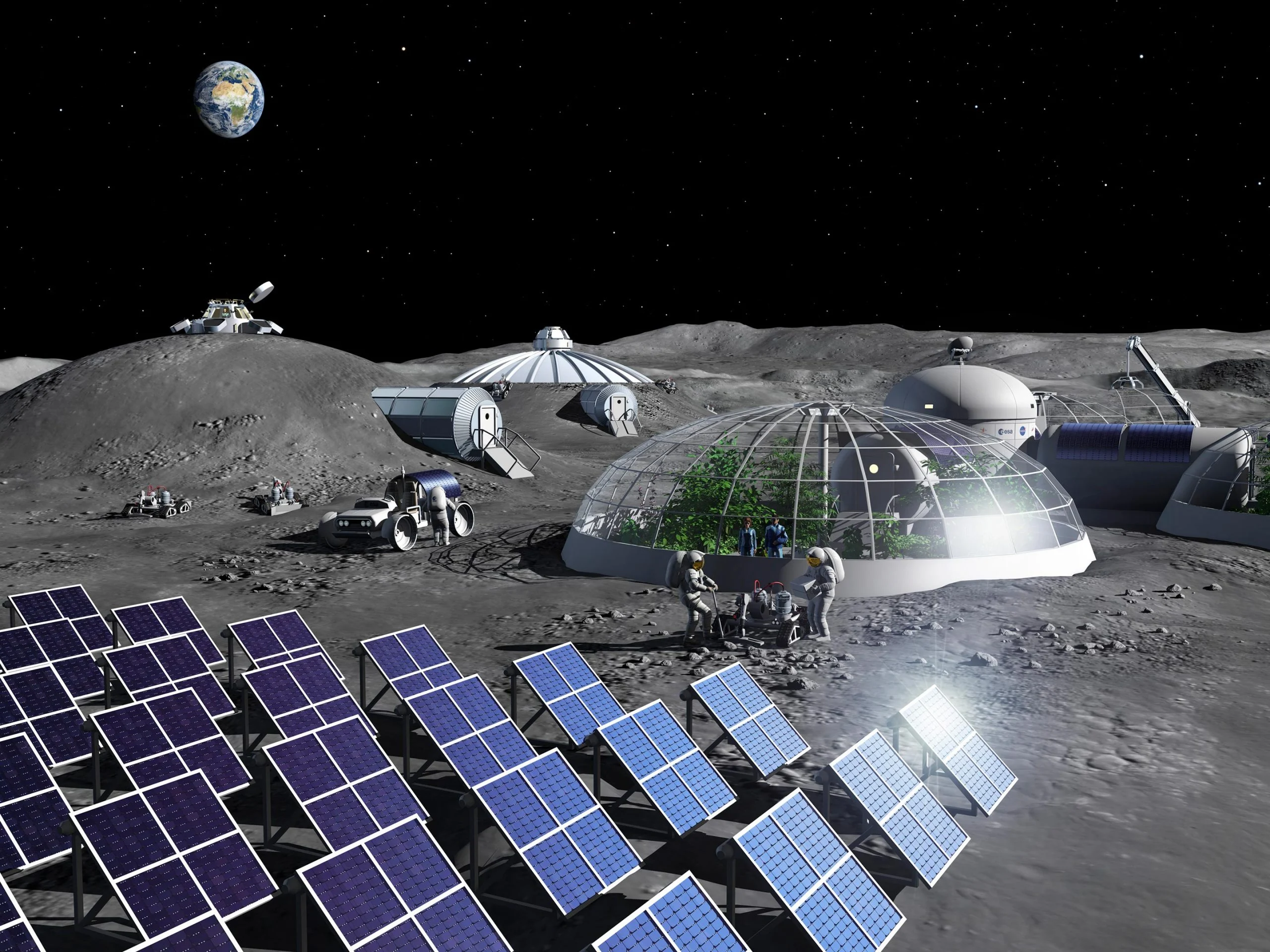
A functional NASA lunar base would likely be assembled gradually using modular components. Early elements include pressurized habitats, power systems, communication arrays, and surface mobility vehicles.
Habitats would be designed to protect astronauts from radiation, micrometeorites, and extreme temperature swings. Solar power, supported by energy storage systems, is expected to provide primary electricity, with backup options for extended lunar nights.
Timeline and Strategic Urgency
NASA leadership has emphasized urgency in moving forward with a NASA lunar base. While exact timelines depend on funding and technical milestones, infrastructure deployment is expected to progress throughout the current decade.
Officials stress that sustainability matters more than speed. A lunar base must operate reliably over time, requiring robust logistics, maintenance capabilities, and redundancy across critical systems.
International Partnerships and Cooperation
The NASA lunar base effort is closely tied to international collaboration. Partner space agencies contribute modules, technology, and scientific expertise under shared agreements.
These partnerships help distribute costs and risks while reinforcing diplomatic cooperation in space. They also establish norms for responsible behavior on the Moon, an increasingly important issue as more nations pursue lunar missions.
Role of Commercial Space Companies
Private industry plays a growing role in supporting the NASA lunar base. Commercial companies are developing lunar landers, cargo services, and habitat concepts that reduce costs and increase flexibility.
NASA’s strategy relies on competition and innovation from the private sector, allowing the agency to focus on exploration goals while industry delivers transportation and infrastructure solutions.
Scientific Goals of the Lunar Base
Science is a primary driver behind the NASA lunar base. The Moon preserves a record of early solar system history that has largely been erased on Earth.
Geologists plan to study lunar samples to better understand planetary formation and cosmic impacts. Astronomers also see opportunity, particularly on the Moon’s far side, which offers a radio quiet environment ideal for deep space observation.
Human Health and Long Duration Living
A permanent NASA lunar base allows researchers to study how reduced gravity affects the human body over extended periods. Bone density loss, muscle atrophy, and radiation exposure remain key concerns for deep space travel.
Understanding these effects on the Moon helps engineers and medical teams prepare for longer missions, including future expeditions to Mars.

Geopolitical Implications of a Moon Base
The decision to pursue a NASA lunar base carries geopolitical significance. Several nations are advancing lunar programs, making the Moon a focal point of strategic interest.
A sustained U.S. presence reinforces leadership in space and helps shape international norms around lunar activity. Establishing infrastructure early may influence how future resources are accessed and managed.
Technical and Financial Challenges
Despite momentum, building a NASA lunar base presents major challenges. Landing heavy equipment, maintaining life support systems, and protecting crews from lunar hazards require new technologies and careful planning.
Funding stability is another concern. Long term projects depend on consistent political and financial support across multiple administrations.
Public Interest and Inspiration
The NASA lunar base vision has captured public attention, echoing the excitement of the Apollo era while emphasizing sustainability rather than brief visits.
Educational programs and media coverage play an important role in maintaining public support, inspiring students and future engineers to pursue careers in science and technology.
Economic and Technological Benefits
Investments in a NASA lunar base are expected to generate innovations with applications on Earth. Advances in energy storage, robotics, materials, and remote operations often emerge from space exploration programs.
These technological spillovers strengthen the argument that lunar exploration supports economic growth and national competitiveness.

Preparing for Mars Through the Moon
NASA views the Moon as a proving ground for Mars missions. A NASA lunar base allows testing of life support systems, autonomous operations, and long duration mission planning.
Lessons learned on the Moon reduce risk for future journeys to Mars, where resupply and emergency return are far more challenging.
Environmental and Ethical Considerations
As lunar activity increases, protecting the Moon’s environment becomes important. NASA has emphasized responsible exploration practices in planning a NASA lunar base.
Balancing scientific access with preservation ensures the Moon remains a shared resource for future generations of explorers.
What Comes Next
Next steps toward a NASA lunar base include additional Artemis missions, technology demonstrations, and expanded international cooperation. Each mission builds capability and confidence.
While challenges remain, the renewed commitment suggests that a permanent human presence on the Moon is closer than at any point since the Apollo era.
The pledge to establish a NASA lunar base marks a pivotal moment in modern space exploration. It reflects a shift from short missions to sustained presence, from symbolic achievement to long term strategy.
As plans advance, the Moon is once again becoming a gateway to discovery, innovation, and ambition. Whether for science, security, or inspiration, the push toward a permanent lunar base signals a new era in humanity’s relationship with space.