The Myanmar election has become one of the most closely watched political events in Southeast Asia as the country votes for the first time since the 2021 military coup. For the ruling generals, the vote is presented as a step toward restoring order and political normalcy. For critics, it represents a controlled process designed to entrench military power rather than restore democracy. This stark contrast has placed Myanmar at the center of renewed international debate.
Since the coup, Myanmar has endured widespread conflict, economic decline, and humanitarian crises. Millions have been displaced, while armed resistance continues in multiple regions. Against this backdrop, the election is unfolding in a climate of fear, skepticism, and uncertainty, with many citizens questioning whether meaningful political change is possible.
Backgroun d of the 2021 Military Coup
In February 2021, Myanmar’s military overthrew the elected civilian government, detaining political leaders and declaring a state of emergency. The takeover triggered mass protests and a nationwide civil disobedience movement that was met with force. Security crackdowns resulted in thousands of deaths and arrests, fundamentally altering the country’s political landscape.
The years following the coup were marked by armed resistance and the emergence of opposition groups. The military justified its actions by citing election irregularities, while critics argued the coup was a direct assault on democracy. The decision to organize a Myanmar election now is framed by authorities as a transition step, though opposition groups reject this narrative.
Why the Military Is Holding Elections Now
Military leaders claim the election is part of a roadmap toward a disciplined democratic system under a new constitutional framework. Officials argue that voting will provide legitimacy and help stabilize governance after years of unrest.
However, analysts note that the Myanmar election comes after the dismantling of opposition parties, suppression of dissent, and consolidation of power by the military. This raises concerns that the timing is less about reform and more about institutionalizing military control.
Election Framework and Legal Structure
The election is being conducted under laws amended by the military government. Changes to electoral rules, party registration requirements, and campaigning regulations have reshaped the political environment.
Critics argue that these rules heavily favor military aligned parties. As a result, the Myanmar election operates within a legal framework that limits competition and restricts meaningful political pluralism.
Voting Conditions Across Regions
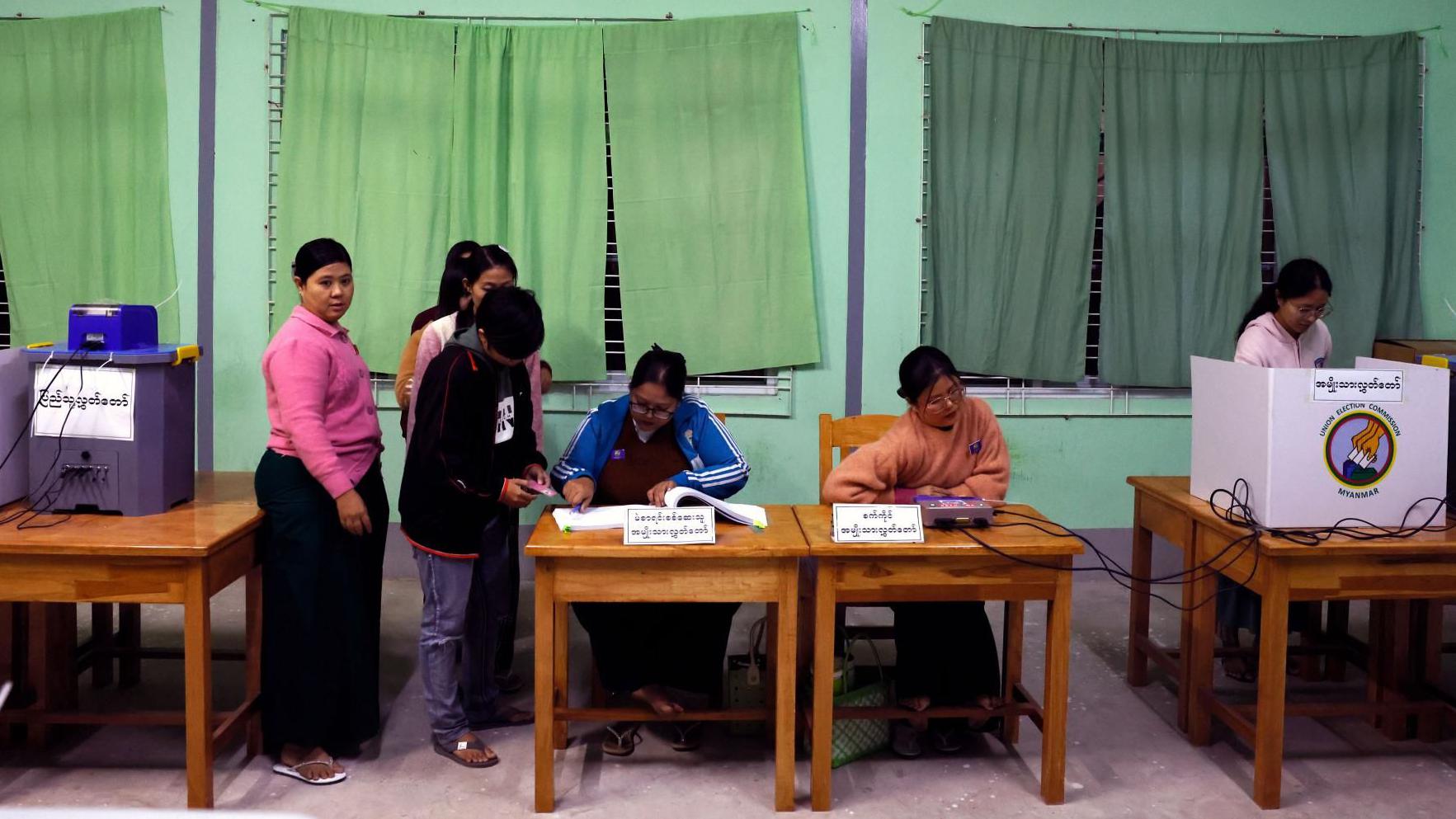
Voting conditions vary significantly across Myanmar. In major cities, polling stations are heavily guarded, while in rural and conflict affected areas voting has been canceled or limited due to security concerns.
Millions of displaced people are unable to participate, calling into question the representativeness of the Myanmar election. Observers warn that uneven access to polling undermines the credibility of the overall process.
Role of the Military Government
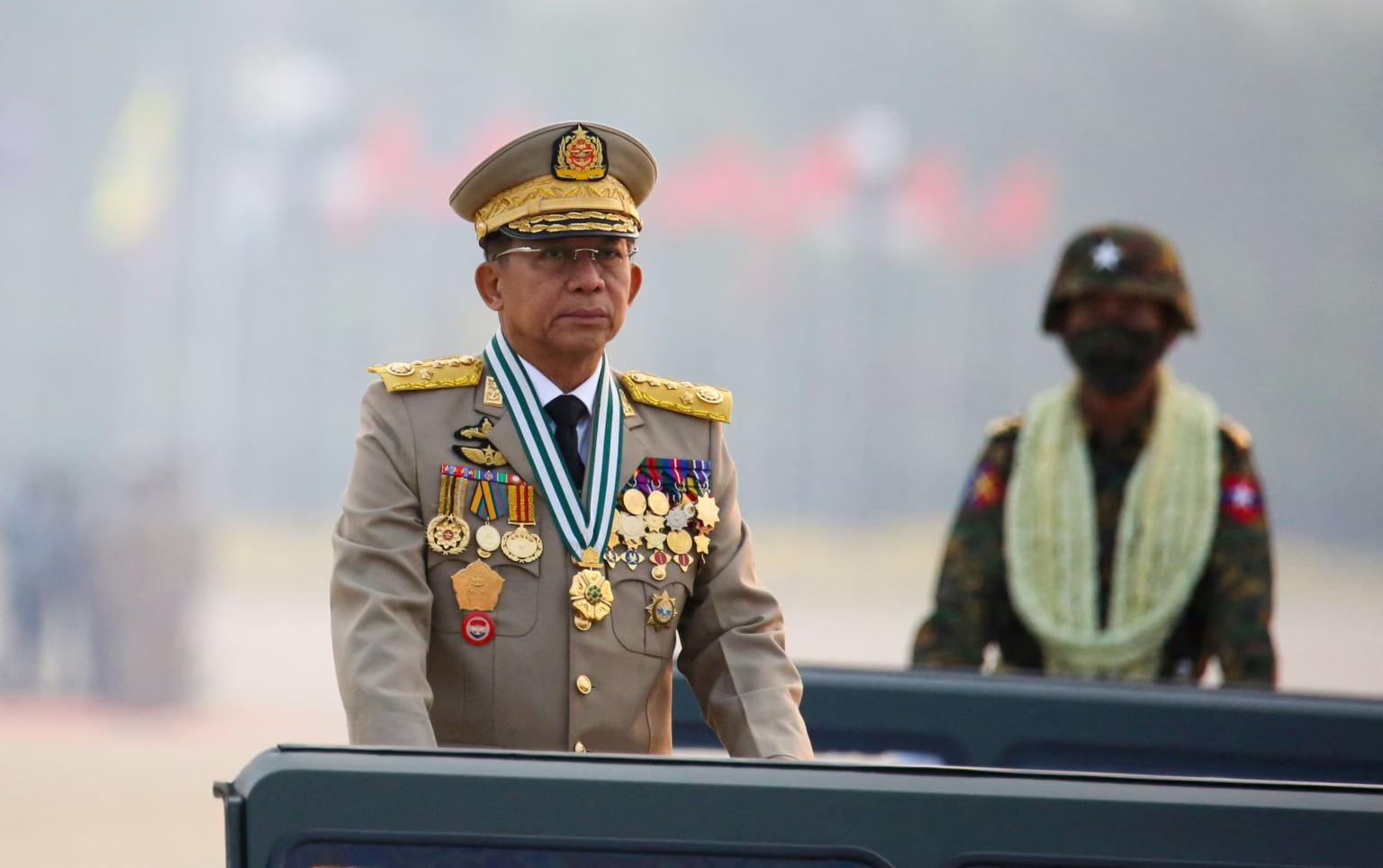
The military government retains control over key institutions, including the election commission, courts, and security forces. This concentration of authority shapes how the vote is administered and monitored.
Under these conditions, the Myanmar election is widely viewed as a tightly managed exercise rather than an independent democratic process. Transparency remains limited, and independent oversight is minimal.
Political Parties and Candidate Participation
Several major opposition parties have been dissolved or barred from contesting the vote. Others have chosen to boycott the process entirely, arguing that participation would legitimize military rule.
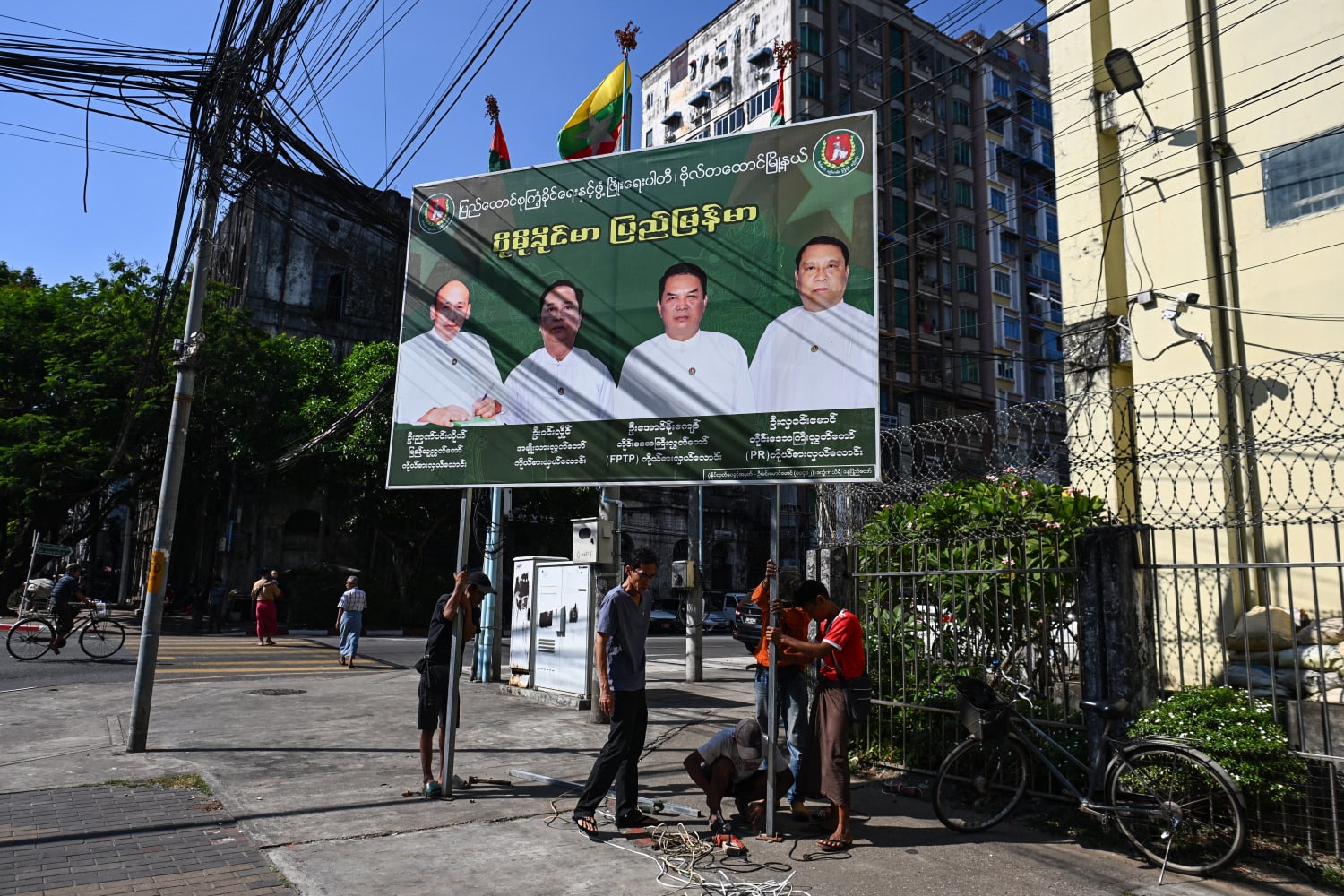
Military backed parties dominate ballots in many constituencies, shaping the character of the Myanmar election and limiting voter choice. This absence of genuine competition has fueled domestic and international criticism.
Media Environment and Information Control
Since the coup, independent media outlets have faced closures, arrests, and censorship. State aligned media now dominate election coverage, presenting the vote as a national milestone.
This restricted environment influences how the Myanmar election is perceived by the public. Limited access to independent reporting makes it difficult for voters to evaluate candidates and policies.
Public Sentiment and Voter Attitudes
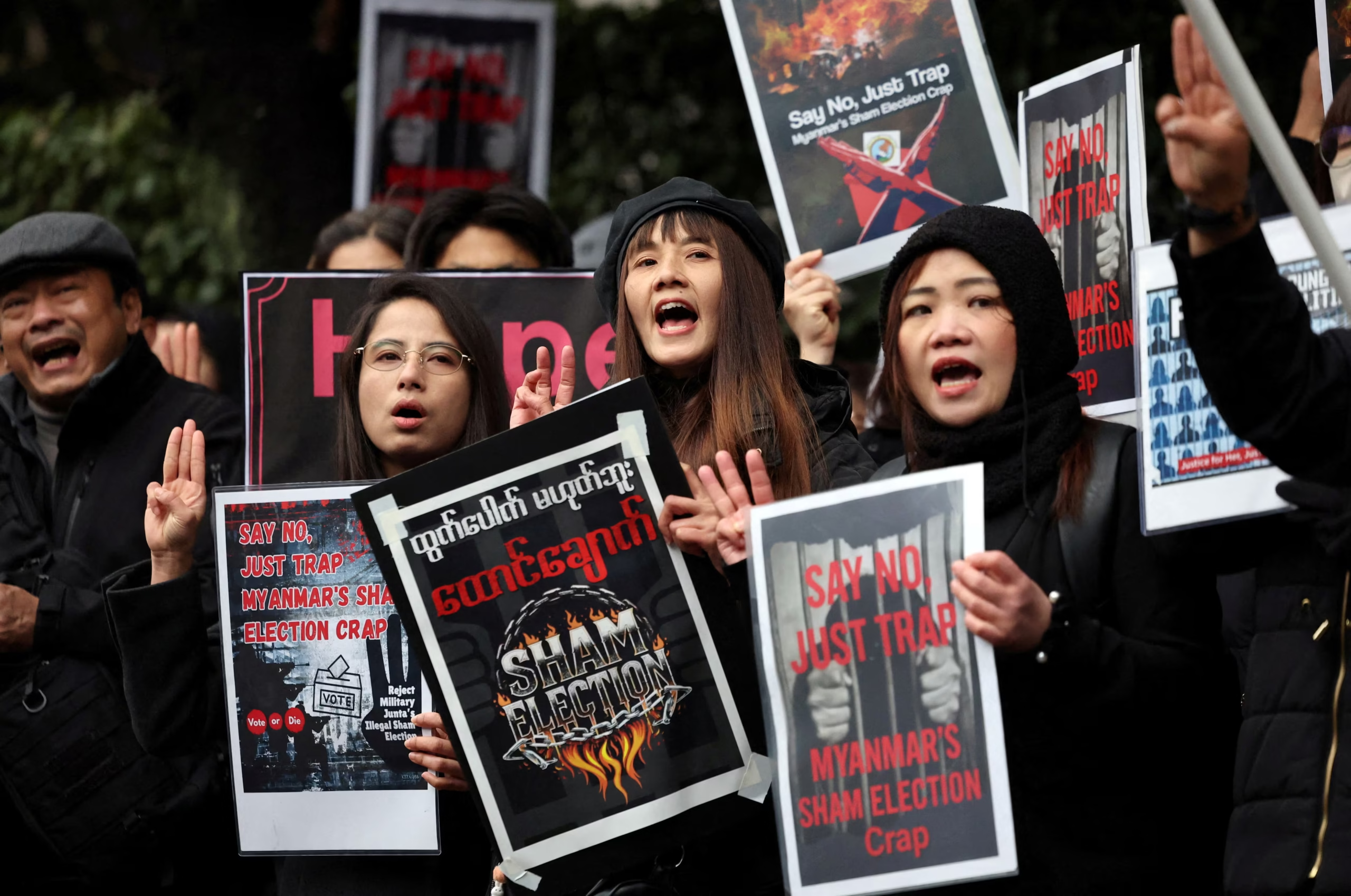
Public opinion is deeply divided. Some citizens view voting as a chance to influence outcomes, however limited. Others see participation as futile or even dangerous given ongoing surveillance and repression.
For many, the Myanmar election evokes mixed emotions including fear, resignation, and cautious hope. Turnout levels are expected to reflect these complex attitudes.
Security Concerns on Election Day
Ongoing armed conflict poses significant risks. Authorities have deployed security forces around polling stations, particularly in urban areas.
These measures highlight the fragile context in which the Myanmar election is taking place. Security fears may further suppress participation and heighten tensions.
Human Rights and Democratic Legitimacy
Human rights organizations argue that elections held under repression cannot restore democratic legitimacy. Detentions, violence, and restrictions on speech continue to undermine trust.
From this perspective, the Myanmar election exposes the gap between procedural voting and substantive democracy, fueling debate over what constitutes legitimate governance.
International Reaction and Diplomatic Pressure
Foreign governments and international organizations have expressed concern about the election’s inclusiveness and fairness. Many have warned that results may not be recognized without meaningful political reform.
The Myanmar election has become a focal point for diplomatic pressure, with calls for dialogue, ceasefires, and inclusive political processes intensifying.
Regional Implications for Southeast Asia
Myanmar’s instability affects regional security, migration, and economic ties. Neighboring countries are closely monitoring developments while balancing noninterference principles.
The outcome of the Myanmar election could influence regional engagement strategies, either opening limited diplomatic channels or reinforcing isolation.
Economic Impact of Political Uncertainty
Political instability has taken a heavy toll on Myanmar’s economy. Inflation, unemployment, and declining investment continue to affect daily life.
While authorities claim the Myanmar election will boost confidence, economists argue that sustained recovery requires broader political stability and international trust.
Youth and First Time Voters
Young people have played a prominent role in resistance movements since the coup. Many are politically aware but deeply disillusioned with formal processes.
Their participation in the Myanmar election remains uncertain, reflecting generational divides over whether engagement or resistance offers a better path forward.
Possible Outcomes After the Vote
Several scenarios could follow the election, including consolidation of military aligned governance or renewed unrest if results are widely rejected. The vote may also influence negotiations with resistance groups.
Regardless of outcome, the Myanmar election is unlikely to resolve the underlying conflict on its own. Structural issues and political exclusion remain unresolved.
Long Term Political Consequences
The election may redefine Myanmar’s political trajectory by formalizing military dominance within a civilian framework. Alternatively, it could deepen resistance if widely seen as illegitimate.
In either case, the Myanmar election will shape how citizens and the international community assess the future of governance in the country.
Public Trust and Institutional Credibility
Restoring public trust remains one of Myanmar’s greatest challenges. Years of conflict and repression have eroded confidence in institutions.
Whether the Myanmar election contributes to rebuilding credibility or deepens cynicism will influence long term social cohesion and political stability.
Global Lessons on Democracy and Power
Myanmar’s experience offers broader lessons about the limits of elections under authoritarian conditions. Voting alone cannot substitute for political freedom, accountability, and rule of law.
As such, the Myanmar election resonates globally as an example of how electoral processes can be used to legitimize power without genuine democratic reform.The Myanmar election represents a pivotal moment in a country still grappling with the aftermath of the 2021 coup. While authorities frame the vote as progress, widespread skepticism remains about its fairness, inclusiveness, and legitimacy.
Ultimately, the election’s significance will depend not on ballots cast, but on whether it leads to meaningful dialogue, reduced violence, and restored political rights. Until those conditions are met, Myanmar’s path toward stability and democracy remains deeply uncertain.