
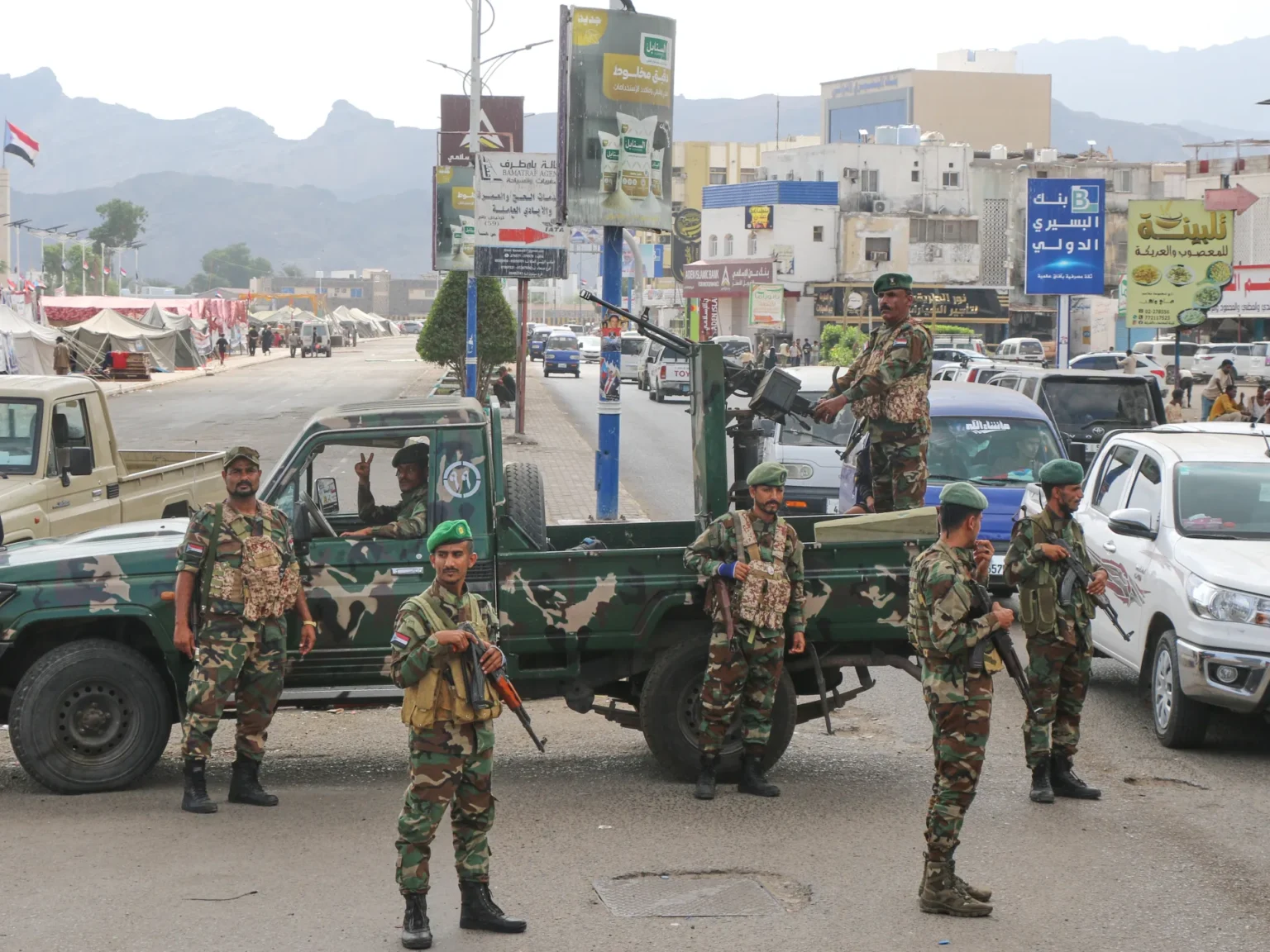
Middle East border tensions dominated Brussels Morning diplomatic briefings across Europe and the Middle East as reports confirmed renewed clashes along the eastern frontier of Yemen near its border with Saudi Arabia. The fighting, unfolding far from Yemen’s most frequently reported battle zones, has refocused international attention on a remote region whose strategic importance has often been underestimated. What initially appeared to be a localized security incident is now being closely watched by regional governments, humanitarian organizations, and global observers concerned about broader instability.
Eastern Yemen has long been viewed as peripheral to the main fronts of the country’s conflict. Yet developments along this border demonstrate how quickly unrest in sparsely populated areas can generate regional consequences. As Middle East border tensions resurface in this sensitive corridor, questions are emerging about security preparedness, humanitarian access, and the durability of recent de-escalation efforts elsewhere in the country.
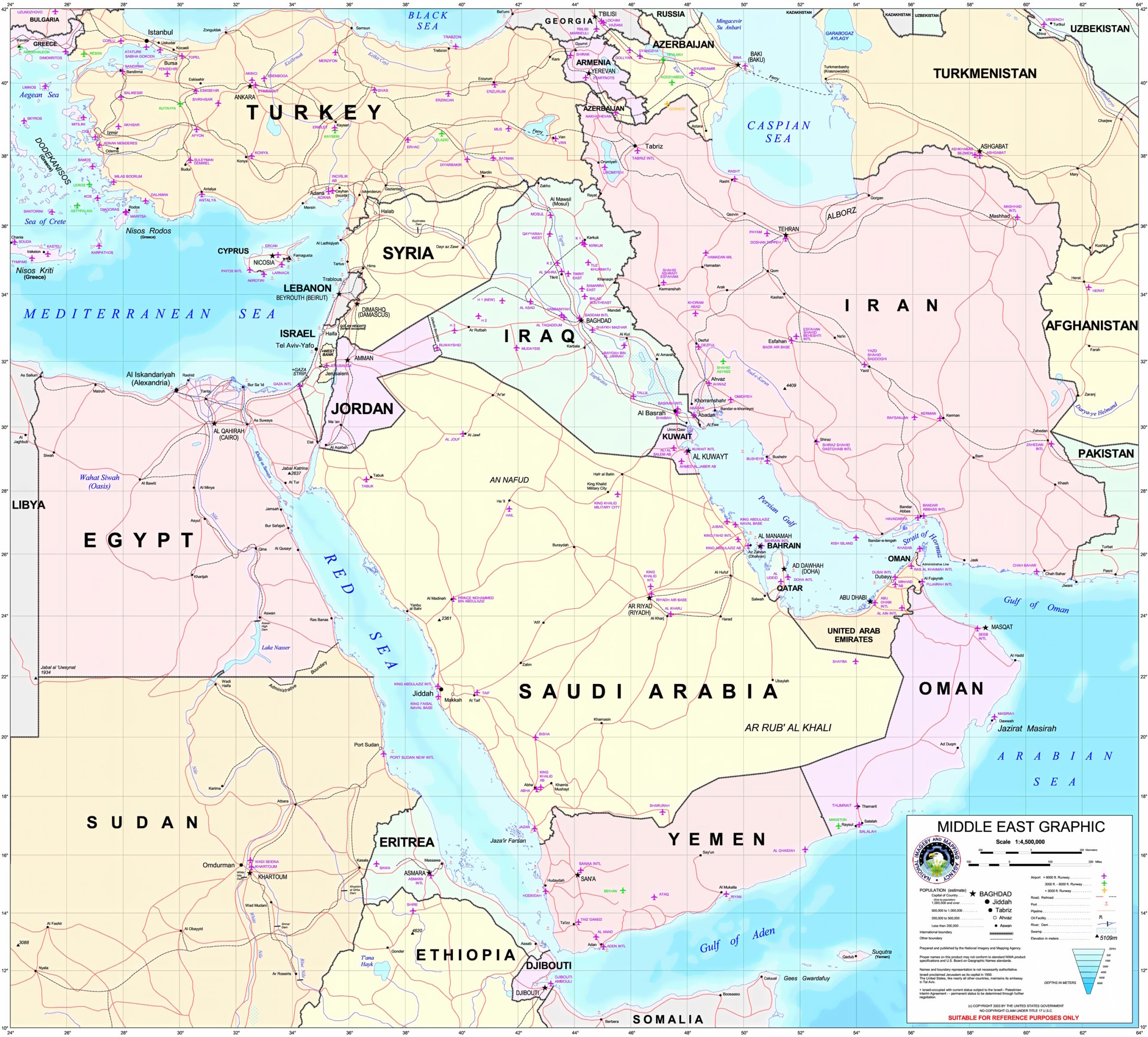
A Border Shaped by Geography and Isolation
The eastern Yemen Saudi Arabia border stretches across vast desert terrain, defined by minimal infrastructure, long distances between settlements, and limited state presence. These characteristics make comprehensive monitoring difficult and allow armed actors to move with relative freedom. Security analysts have long warned that such environments are vulnerable to sudden escalation, particularly during periods of political uncertainty.
Unlike fortified urban frontlines, desert borders rely heavily on surveillance, intelligence sharing, and rapid response capabilities. When Middle East border tensions emerge in these areas, they often reveal gaps in coordination that are not immediately visible during calmer periods.
What Led to the Latest Clashes
According to regional security sources, the most recent fighting followed increased armed movement near informal crossing routes that have historically been used for trade, tribal travel, and smuggling. These routes are poorly regulated and frequently become flashpoints when tensions rise.
As Middle East border tensions intensified, encounters between armed groups and border patrols escalated rapidly. Defensive deployments were reportedly reinforced soon after the first clashes, signaling concerns that the violence could expand beyond isolated incidents.
Saudi Arabia’s Security Posture
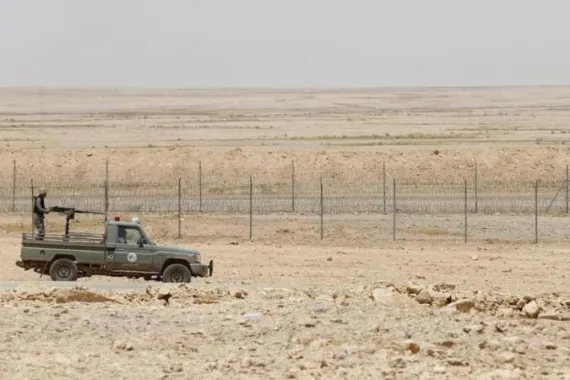
Saudi Arabia has invested heavily in its southern border over the past decade, implementing advanced surveillance systems, patrol networks, and rapid response units. Officials emphasize that these measures are defensive in nature and designed to prevent spillover from Yemen’s prolonged conflict.
Despite these efforts, recurring Middle East border tensions continue to challenge long-term security planning. Maintaining deterrence while avoiding escalation requires constant adjustment, particularly when incidents unfold in remote terrain with limited visibility.
Civilian Impact in Eastern Yemen
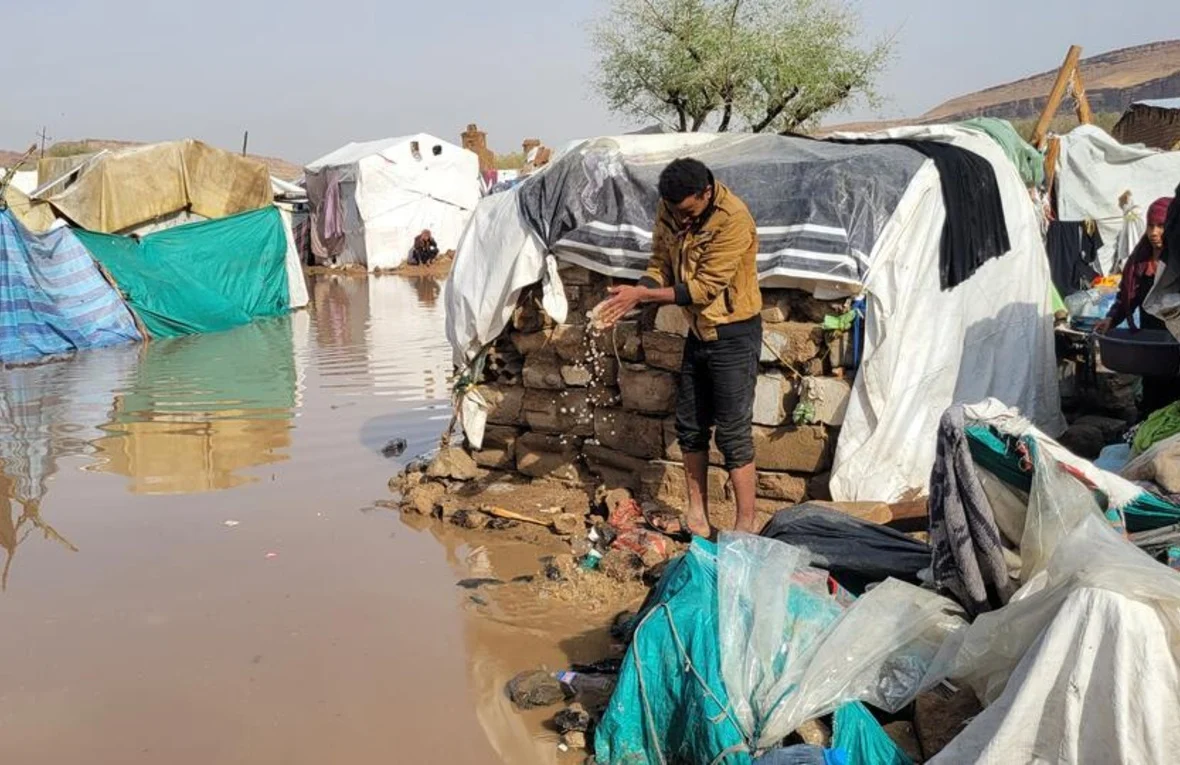
For civilians living near the border, renewed fighting brings immediate disruption. Many communities already face food insecurity, limited access to healthcare, and economic hardship after years of instability. Even brief clashes can force families to flee, sometimes repeatedly, increasing vulnerability and long-term displacement.
When Middle East border tensions rise, humanitarian access often becomes restricted. Aid deliveries are delayed, medical evacuations become more difficult, and basic services are interrupted, compounding the challenges faced by local populations.
Humanitarian Operations Under Pressure
Aid organizations operating in eastern Yemen warn that the region lacks sufficient infrastructure to absorb sudden displacement. Clinics are understaffed, water systems are fragile, and transportation routes remain unreliable. Security concerns further complicate efforts to reach affected communities.
The resurgence of Middle East border tensions has forced humanitarian groups to reassess operational plans, balancing urgent civilian needs against the safety of aid workers and volunteers.
Regional Implications Beyond the Border
The escalation has drawn close attention from neighboring Gulf states, which view stability along the Yemen Saudi Arabia border as critical to broader regional security. Persistent Middle East border tensions undermine confidence in ceasefire efforts elsewhere in Yemen and place additional strain on diplomatic coordination.
Energy markets are also monitoring developments closely. Geopolitical instability in the region, even when localized, can influence investor sentiment and contribute to price volatility, particularly in an already uncertain global economic environment.
Diplomatic Channels Face Constraints
Diplomatic efforts to address border incidents face unique challenges. Unlike large-scale offensives, these clashes often involve decentralized actors with unclear command structures. Negotiating de-escalation in such circumstances is complex and time-consuming.
As Middle East border tensions persist, international mediators must navigate overlapping local disputes, regional rivalries, and historical grievances that complicate straightforward solutions.
Fragmented Authority in Eastern Yemen
Eastern Yemen’s security landscape is shaped by a mix of tribal authorities, local militias, and loosely aligned armed groups. Control over territory can shift quickly, and allegiances are often fluid. This fragmentation makes sustained stability difficult to achieve.
Experts note that Middle East border tensions in such environments are rarely resolved through military measures alone. Addressing governance gaps and economic deprivation is essential to reducing the likelihood of recurring violence.
Risk of Escalation Through Miscalculation
Military analysts warn that border confrontations carry heightened risks of miscalculation. Limited visibility, rapid response requirements, and unclear lines of authority increase the danger of unintended escalation. Small incidents can quickly spiral if misinterpreted.
Each episode linked to Middle East border tensions adds pressure to already strained security systems, raising concerns about broader regional instability if restraint fails.
Information Flow and Public Perception
During periods of heightened conflict, information often spreads faster than verification. Social media platforms amplify unconfirmed reports, shaping public perception before facts are fully established. Analysts caution that misinformation can inflame emotions and harden political positions.
Responsible reporting is particularly important when Middle East border tensions rise, as narratives can influence policy decisions as much as events on the ground.
Economic Effects of Ongoing Insecurity
While eastern Yemen is not a major commercial hub, instability in the region affects logistics and supply routes. Land corridors used for fuel, food, and goods become riskier, increasing transportation costs and delays.
Economists warn that sustained Middle East border tensions can gradually erode economic resilience across the region, particularly in countries already facing inflationary pressure and fiscal constraints.
Historical Context Shapes the Present
The Yemen Saudi Arabia border has experienced cycles of tension for decades, influenced by shifting alliances, internal Yemeni politics, and regional power dynamics. Periods of calm have often been followed by renewed unrest when underlying issues remain unresolved.
Understanding this history is essential to interpreting why Middle East border tensions continue to resurface despite diplomatic efforts and security investments.
What to Watch in the Coming Days
Whether the current clashes remain contained will shape the near-term outlook. Early diplomatic signals suggest a desire to prevent further escalation, but conditions on the ground remain volatile and unpredictable.
If calm is restored quickly, attention may return to political negotiations and humanitarian priorities. If not, Middle East border tensions could dominate regional security discussions for an extended period.
Why This Border Flashpoint Matters More Than It Appears
Border clashes often fade from headlines quickly, yet they play a significant role in shaping long-term regional stability. The eastern Yemen frontier illustrates how instability in remote areas can influence diplomacy, humanitarian access, and economic confidence.
As Middle East border tensions continue to test regional resilience, this episode underscores the need for sustained engagement, credible governance, and long-term solutions rather than temporary containment strategies.