Middelkerke (Brussels Morning Newspaper) – Middelkerke unveils €140 million multi-year plan. Mayor Jean-Marie Dedecker and Alderman Marc Descheemaecker prioritise a €35 M sea wall, €25 M town hall, Leffinge school (€8.7 M), and reduce debt by €30 M.
As VRT News reported, Middelkerke, in the province of West Flanders, Belgium, has unveiled its multi-year plan, showing how the town will spend nearly €140 million over the next 6 years. Mayor Jean-Marie Dedecker (LDD) and Finance Alderman Marc Descheemaecker (N-VA) presented the plan together.
“Of course I’m proud,”
the mayor begins,
“that we can invest €140 million and that we don’t have to raise our taxes for that. We’re keeping the personal income tax at 3 percent. After Knokke-the only municipality where the personal income tax remains at 0 percent-that’s the lowest percentage in the entire Flemish Region.”
How will Middelkerke spend €140 million and raise second-home taxes?
The largest part of the budget, €35 million, will go to a new sea wall to protect the coast from storms and rising water. Another €25 million will fund a modern town hall to improve municipal services and provide a welcoming space for residents. In Leffinge, the plan includes a €7.3 million sports hall and a new school costing €8.7 million.
“We’re making these investments entirely with our own savings. I’m proud of that. Imagine being able to buy a house as a private individual without having to go to the bank- that’s nice too, isn’t it?”
The plan also sets aside funds for smaller projects across the municipality. Officials said the investments are carefully balanced with the town’s budget to ensure financial stability.
“A budget is not just about spending. It is about planning where the money comes from and making sure it is used wisely,” said Descheemaecker.
“Second-home owners are our driving force,”
Alderman for Finance Marc Descheemaecker explains the healthy financial situation.
“We have the highest number of second-home owners on the entire coast. Two out of three mailboxes belong to second-home owners, that’s about 65 percent. With the resources they bring in, we have a very healthy financial profile.”
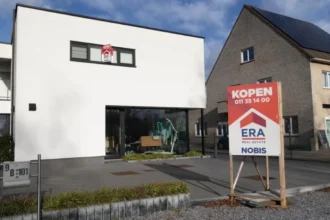
Middelkerke will increase the tax on second homes, while keeping the supplementary personal income tax unchanged. In 2026, the second-home tax will rise from €800 to €950. From 2027, it will go up by €10 each year. For comparison, neighbouring municipalities already charge more. Nieuwpoort’s second-home tax is €1,100, and Koksijde’s is €1,210. The municipality will also raise funds from the sale of its former tennis site.
“That’s building land, which we’ve had revalued. It could fetch €21 million, and perhaps even more. We also have €40 million worth of shares in the small energy holding company Fin. We’re going to sell a quarter of that, which will generate €10 million. That’s a total of over €30 million, which we need to avoid having to borrow more to realise all our investments.”
Debt reduction is a major focus for Middelkerke. The town currently has the highest debt per capita in Flanders.
“That certainly deserved our attention,”
Descheemaecker agrees.
The municipal government plans to lower debt by nearly €30 million by the end of the legislative term. Debt will fall from around €90 million to between €65 million and €70 million. Officials say the town is managing its finances carefully. While other cities with similar debt, such as Ghent, must cut costs and reduce staff, Middelkerke continues to hire staff and invest in projects. The municipal council is scheduled to approve the multi-year plan on December 17, 2025.
Middelkerke is a coastal town in West Flanders, Belgium, first mentioned in 1218 as “Middelkerca.” It grew from a farming village into a seaside resort during the 19th and early 20th centuries, as tourism expanded along the Belgian coast. After World War II, the town saw rapid development of holiday homes and tourist infrastructure, replacing many farms. Today, Middelkerke has one of the highest numbers of second homes along the coast, with more than 14,000 recorded in 2007.