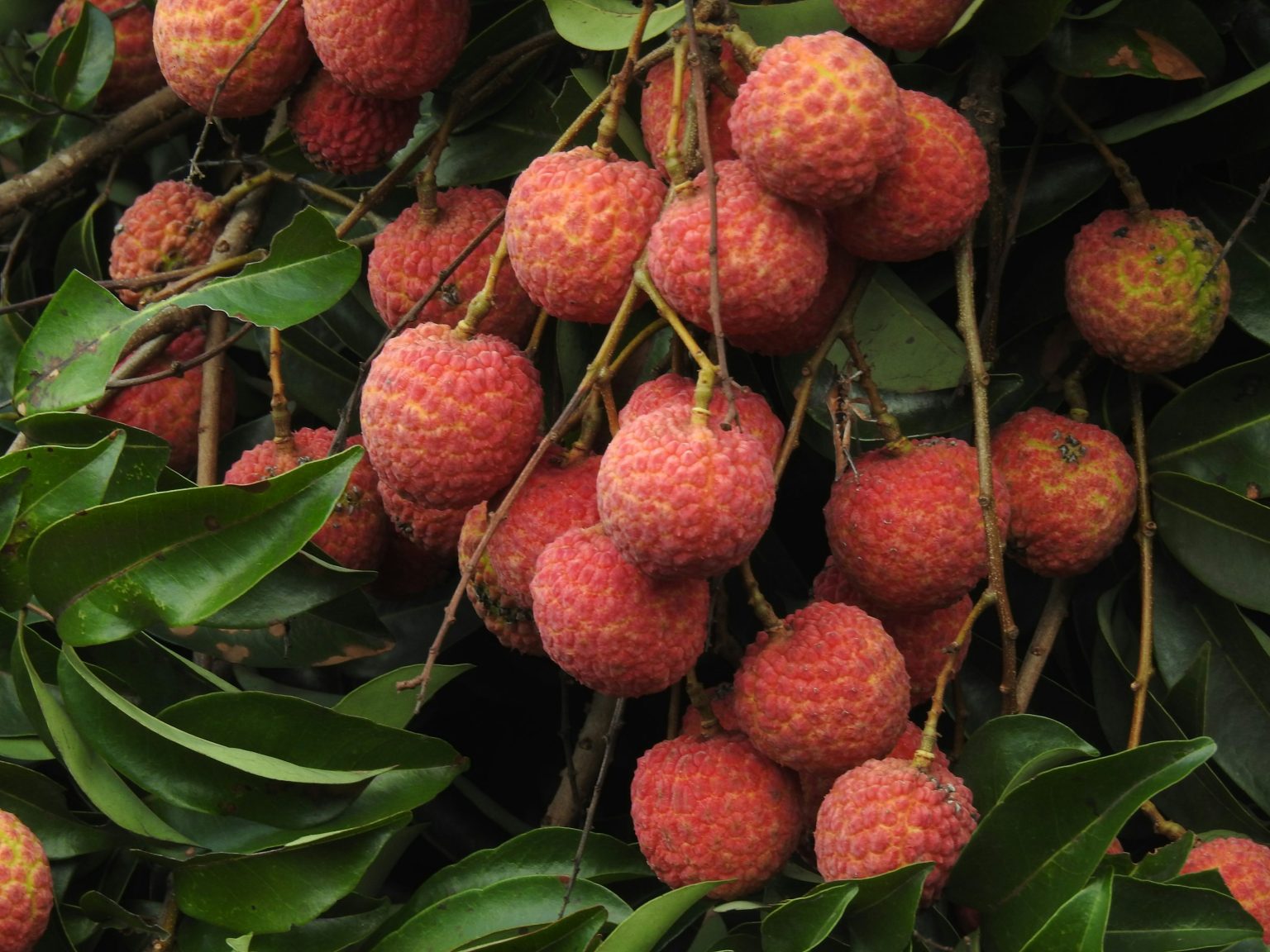
Muzaffarpur, India, 22 August (Brussels Morning Newspaper) – Doctors are warning parents about a potentially serious lychee health risk after research linked the fruit to episodes of dangerously low blood sugar and acute brain illness among undernourished children. The danger is associated particularly with children eating large amounts of lychees while fasting or after missing an evening meal, rather than ordinary consumption of the fruit itself.
Why eating lychees on an empty stomach can be dangerous
Lychees contain naturally occurring compounds including methylenecyclopropylglycine, known as MCPG, and hypoglycin A. Research indicates these substances can interfere with the body’s ability to produce glucose and process fatty acids.
That becomes particularly dangerous when a child is already undernourished and has depleted glucose reserves after fasting.
Medical research has associated eating lychees on an empty stomach with acute encephalopathy syndrome among malnourished children. Reported symptoms can include lethargy, weakness, vomiting, seizures and coma.
Doctors highlight a critical treatment window
Medical evidence indicates that recognising severe hypoglycaemia quickly is crucial.
The US Centers for Disease Control and Prevention has previously reported that heavy consumption of fruit from the soapberry family, which includes lychee, could result in toxic hypoglycaemic syndrome in an undernourished child with low glucose stores.
The CDC said checking blood glucose provides a rapid way of identifying suspected cases, while intravenous glucose is a first-line treatment alongside monitoring and supportive care.
Medical experts warn against blaming the fruit alone
Doctors have cautioned against interpreting the findings as evidence that lychees are inherently unsafe.
Dr Arun Shah, a senior paediatrician and former president of the Bihar chapter of the Indian Academy of Paediatrics, has explained that unripe fruit contains a higher concentration of MCPG, which can trigger hypoglycaemia, particularly in poorly nourished children. He has advised against eating lychees on an empty stomach and stressed the importance of proper meals for children.
That distinction is important when assessing the lychee health risk. Previous investigations into childhood deaths in Bihar identified several contributing factors, including malnutrition and dangerously low blood glucose, rather than simply declaring lychees unsafe.
Bihar outbreaks led researchers to investigate lychees
The warning follows years of research into unexplained seasonal illnesses affecting children in Bihar, one of India’s major lychee-producing regions.
Cases around Muzaffarpur repeatedly coincided with the annual lychee harvest. Researchers subsequently investigated the relationship between fasting, poor nutrition, consumption of the fruit and severe hypoglycaemia.
Scientific research has since identified the combination of depleted glucose reserves and naturally occurring compounds in lychees as an important mechanism behind these episodes in vulnerable children.
What parents need to know about the risk
The evidence does not support avoiding lychees altogether. Instead, doctors recommend ensuring children eat regular meals, avoiding consumption of unripe lychees and not allowing vulnerable children to eat large quantities while fasting.
Parents should seek urgent medical attention if a child develops severe weakness, vomiting, altered consciousness or seizures.
The lychee health risk is therefore concentrated among vulnerable children in particular circumstances, rather than representing a general danger from eating the fruit as part of a normal, balanced diet.
What happens next?
Researchers continue to examine lychee-associated acute encephalopathy and the biological mechanisms involved. Public-health measures in affected regions focus on nutrition, awareness, rapid recognition of hypoglycaemia and prompt glucose treatment when children become seriously ill.