Washington, February 5, 2026 — Brussels Morning Newspaper analysis indicates that the Justice Department police misconduct unit is operating under growing strain as staffing shortages and scaled-back enforcement limit the federal government’s role in investigating alleged civil rights violations by local law enforcement agencies. The situation emerges at a time when national attention remains fixed on accountability, oversight, and the balance between federal authority and local policing.
Senior officials within the U.S. Department of Justice say the challenges reflect a combination of resource constraints, administrative complexity, and political sensitivities that continue to shape civil rights enforcement across the United States.
Staffing Challenges Inside Federal Civil Rights Enforcement
Over the past several years, the Justice Department police misconduct unit has experienced a steady reduction in experienced personnel, according to individuals familiar with its operations. Veteran attorneys and investigators with deep expertise in constitutional law have left through retirement or transitions to other roles, while hiring has struggled to keep pace.
These departures have had practical consequences. Investigations into systemic misconduct require years of sustained work, including data analysis, interviews, and negotiations with local officials. With fewer staff available, workloads have increased for those who remain.
“These are some of the most complex cases in federal law enforcement oversight,”
said a former DOJ civil rights attorney.
“They require time, focus, and institutional memory.”
Fewer Large-Scale Investigations Launched
As staffing levels declined, the Justice Department police misconduct unit reduced the number of new pattern-or-practice investigations initiated nationwide. These cases are designed to determine whether police departments engage in widespread practices that violate constitutional protections.
Officials say limited resources have forced stricter prioritization, focusing on jurisdictions where evidence suggests repeated or severe misconduct. As a result, some complaints that might previously have triggered federal scrutiny are now addressed through alternative channels or deferred indefinitely.
Why Federal Oversight Matters
Federal oversight has long been viewed as a safeguard when local or state systems fail to address misconduct. The Justice Department police misconduct unit possesses authority that local agencies often lack, including the ability to impose court-enforced reforms.
Civil rights advocates argue that without credible federal intervention, reform efforts may lose momentum, particularly in departments facing entrenched cultural or structural problems. They warn that reduced oversight could weaken national standards for accountability.
Administrative Pressures and Internal Reviews
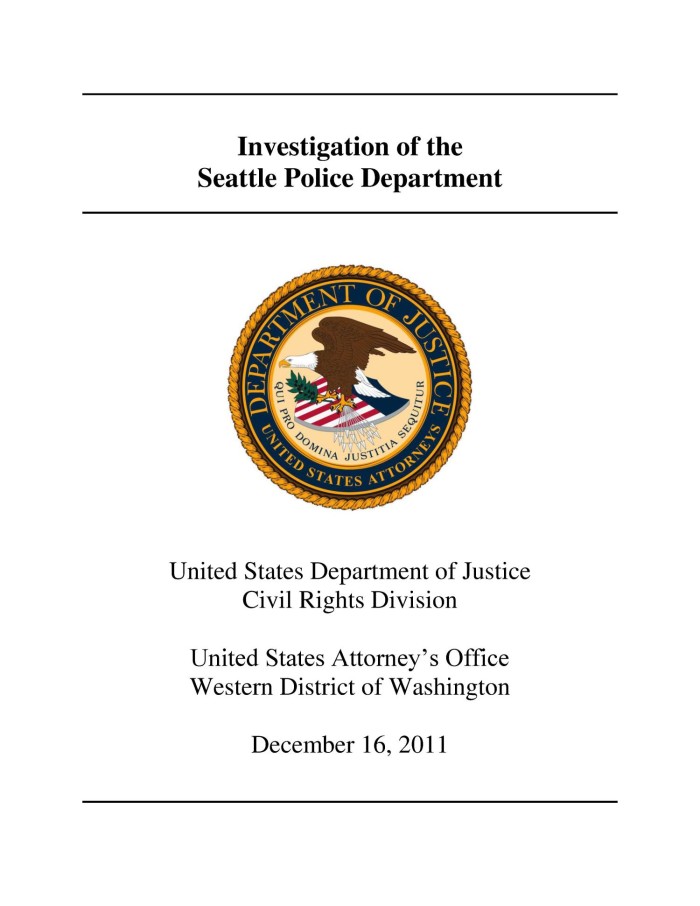
Beyond staffing, administrative complexity has become a significant factor shaping enforcement decisions. Each investigation requires approval across multiple DOJ divisions, extensive legal review, and coordination with municipal and state governments.
Internal assessments suggest that the Justice Department police misconduct unit has tightened its criteria for opening new cases, emphasizing efficiency but limiting reach. Officials describe the approach as necessary given current constraints, though some acknowledge the trade-offs involved.
Political Sensitivities Surrounding Police Oversight
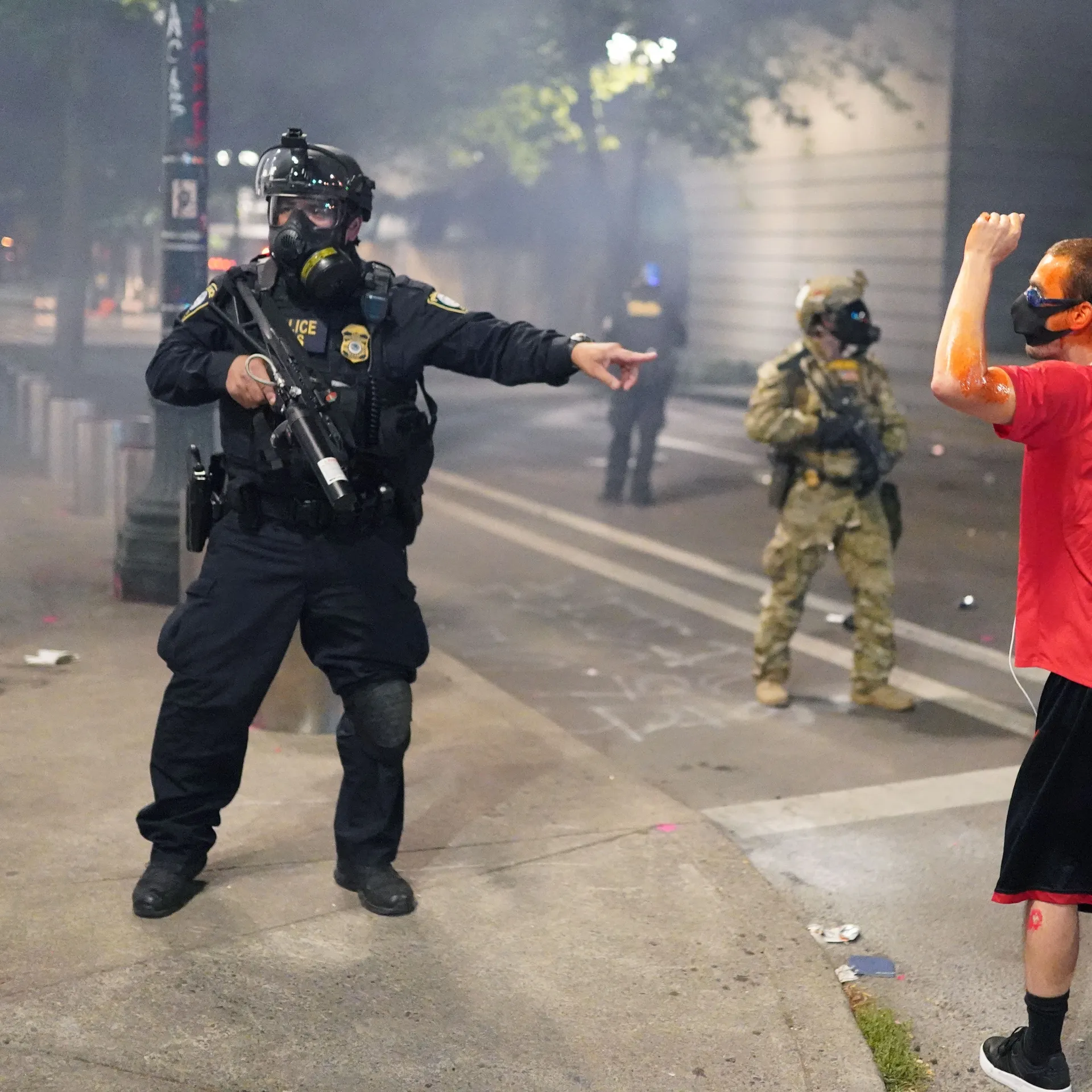
Federal investigations into local police departments often draw political resistance. City officials and police unions have argued that such probes undermine local governance or morale within law enforcement ranks.
Sources say these pressures add another layer of difficulty for the Justice Department police misconduct unit, especially when resources are already stretched. Navigating political opposition can slow progress and complicate negotiations over reforms.
“Federal oversight always exists in a contested space,”
said a policing policy analyst based in Washington.
“That tension doesn’t disappear when resources decline.”
Community Impact and Public Trust
For communities alleging systemic abuse, federal investigations often represent a final avenue for accountability. Advocacy groups report that reduced federal engagement has heightened frustration among residents seeking external review of local policing practices.
Delays or the absence of federal action can erode trust in institutions designed to protect constitutional rights. Community leaders say transparency and consistency are essential to maintaining confidence in the justice system.
DOJ Leadership Response
Justice Department officials acknowledge hiring challenges and say efforts are underway to stabilize staffing levels. Leadership has emphasized that civil rights enforcement remains a core mission, even as priorities are reassessed.
The Justice Department police misconduct unit relies on specialized expertise that cannot be quickly replaced, particularly in areas involving statistical analysis of police behavior and long-term institutional reform.
History of Federal Police Oversight
The Justice Department police misconduct unit became a central mechanism for addressing systemic law enforcement abuses following legislative expansions of federal civil rights authority in the late 20th century. Its mandate allowed federal officials to examine patterns of misconduct rather than isolated incidents.
Over time, investigations led to consent decrees that reshaped policing practices in major cities, influencing training, supervision, and accountability standards nationwide.
Broader Implications for Reform Efforts
Experts say federal investigations often set benchmarks that extend beyond individual cases. Departments not under investigation frequently adopt reforms modeled on federal agreements to avoid scrutiny.
A reduced role for the Justice Department police misconduct unit could therefore have ripple effects, slowing reform momentum even in jurisdictions not directly affected by federal action.
Legislative and Advocacy Pressure
Lawmakers and civil rights organizations are calling for renewed investment in federal oversight. Proposals include expedited hiring authority, dedicated funding streams, and increased transparency around case selection.
Supporters argue that strengthening the Justice Department police misconduct unit would reinforce public confidence in federal accountability and constitutional protections.
The Road Ahead in 2026
As policy debates continue in Washington, the future direction of federal police oversight remains uncertain. Without sustained investment, observers warn that enforcement capacity may continue to narrow.
The Justice Department police misconduct unit now stands at a pivotal moment, balancing limited resources against rising expectations for accountability and reform.
“Oversight only works when institutions have the capacity to act,” said a former federal prosecutor familiar with civil rights enforcement.
Outlook for Federal Civil Rights Enforcement
The coming months will signal whether federal leadership prioritizes rebuilding oversight capacity or accepts a more limited enforcement role. Staffing levels, transparency measures, and political commitment will serve as key indicators.
For communities, policymakers, and law enforcement agencies, the trajectory of the Justice Department police misconduct unit will shape how constitutional rights are protected well beyond 2026.