
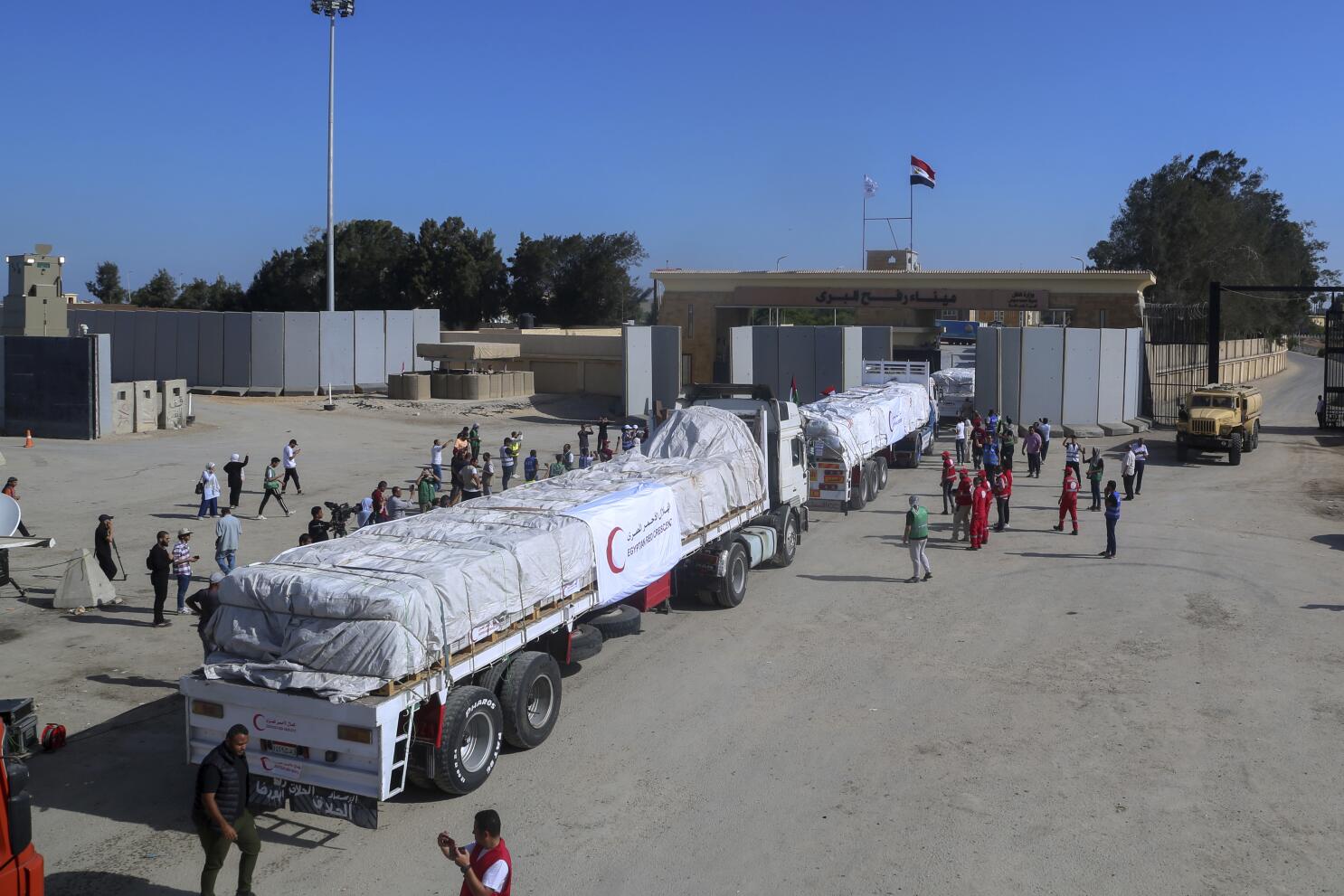
Brussels Morning reporting reflects intensifying international concern as the Israel aid ban Gaza becomes a defining issue in diplomatic, legal, and humanitarian discussions. Israeli authorities have imposed new limits on the operations of several humanitarian organizations, citing security risks, intelligence assessments, and concerns over aid diversion.
These measures come at a time when Gaza’s civilian population is already facing severe shortages of food, medical supplies, fuel, and clean water. Humanitarian agencies warn that even limited disruptions can have immediate and cascading consequences in a densely populated territory with limited internal production capacity.
Context of a deepening humanitarian emergency
Gaza has endured years of restricted movement, economic decline, and infrastructure damage. The current humanitarian situation is shaped by a combination of prolonged conflict, limited access to external resources, and repeated cycles of escalation.
Against this backdrop, the Israel aid ban Gaza has heightened fears that existing vulnerabilities will worsen. Aid agencies describe the territory as operating on a fragile balance where consistent deliveries are essential to prevent widespread humanitarian collapse.
Israel’s stated security rationale
Israeli officials maintain that the restrictions are driven by national security concerns. According to government statements, intelligence agencies have identified alleged weaknesses in aid monitoring systems, raising fears that materials intended for civilians could be diverted to militant groups.
The debate surrounding the Israel aid ban Gaza centers on whether security objectives can be achieved without undermining humanitarian principles. Israel argues that assistance can continue through approved partners operating under stricter oversight and verification protocols.
Humanitarian organizations affected
Several humanitarian organizations have reported operational challenges under the new restrictions. Among them is UNRWA, which has long served as a primary provider of food assistance, healthcare, and education services in Gaza.
Israeli authorities have questioned aspects of the agency’s internal controls, while UN officials have rejected allegations of systemic misconduct. Other international and regional organizations have also experienced permit delays, movement restrictions, and reduced access.
Understanding the Israel aid ban Gaza requires recognizing that these measures often involve partial suspensions or administrative barriers rather than formal expulsions, though the impact on operations can be significant.
Food insecurity and supply chain disruption
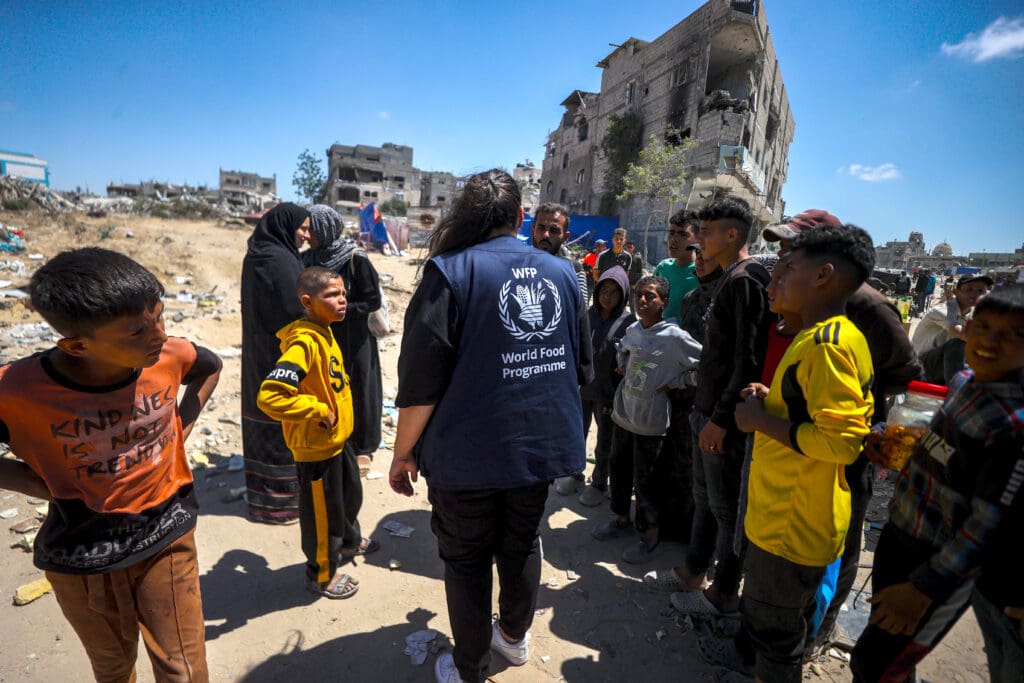
Food assistance is one of the most critical lifelines for Gaza’s population. A large proportion of households depend on aid deliveries for daily nutrition, particularly vulnerable groups such as children, pregnant women, and the elderly.
As the Israel aid ban Gaza restricts certain organizations, humanitarian planners warn of bottlenecks in supply chains. Delays at border crossings and uncertainty over approvals complicate distribution schedules and reduce the ability to maintain stable food stocks.
Pressure on healthcare services
Healthcare facilities in Gaza are operating under extreme strain. Hospitals rely heavily on external deliveries for medicines, surgical supplies, and fuel for generators. Clinics treating chronic conditions require consistent access to specialized drugs.
Medical professionals warn that the Israel aid ban Gaza could disrupt these fragile systems. Interruptions in medical supply chains risk compromising emergency care, maternal health services, and treatment for life threatening illnesses.
Legal obligations under international law
International humanitarian law obligates parties to armed conflict to allow and facilitate humanitarian assistance to civilian populations. Legal experts note that while security screening is permitted, restrictions must be proportionate and necessary.
The Israel aid ban Gaza has renewed debate over how these principles apply in prolonged conflicts. Some legal scholars argue that transparency and independent verification mechanisms are essential to ensuring compliance with international standards.
Diplomatic reaction from the international community
Governments across Europe, North America, and the Middle East have expressed concern over the restrictions. Several have called for independent investigations into Israel’s claims and emphasized the importance of preserving humanitarian access.
The Israel aid ban Gaza has featured prominently in diplomatic statements, with officials urging dialogue and cooperation to address security concerns without undermining civilian protection.
Israel’s proposal for alternative aid frameworks
Israeli officials insist that humanitarian assistance is not being halted but reorganized. Proposed measures include routing aid through a narrower group of vetted organizations and increasing monitoring at entry points.
Supporters argue that these reforms could strengthen accountability. Critics counter that replacing established humanitarian networks during an ongoing crisis risks inefficiency and delays, particularly when trust between stakeholders is limited.
Impact on Gaza’s civilian population
For civilians in Gaza, the Israel aid ban Gaza translates into daily uncertainty. Families dependent on food distributions, medical clinics, and shelter programs fear interruptions that could leave them without essential support.
Community leaders report rising anxiety, particularly among parents concerned about nutrition and healthcare for their children. Aid workers stress that civilians should not bear the consequences of political and security disputes.
Operational challenges for aid agencies
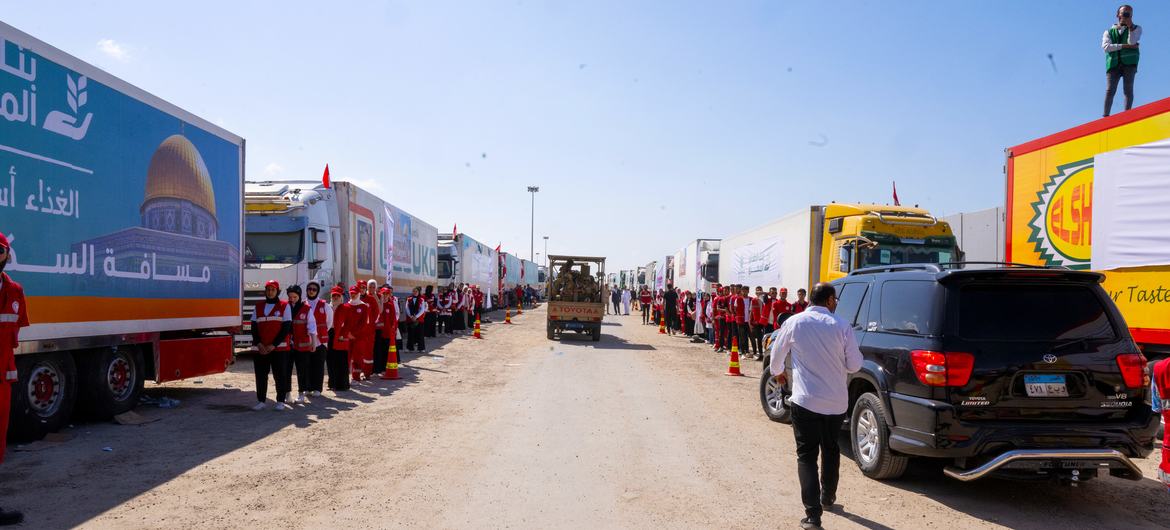
Humanitarian organizations working in Gaza already face severe logistical challenges, including damaged infrastructure, restricted movement, and security risks. Additional administrative barriers further complicate operations.
Aid officials navigating the Israel aid ban Gaza describe inconsistent communication and unclear criteria for approvals. They emphasize that predictability is critical for effective humanitarian response planning.
Regional implications beyond Gaza
The implications of the Israel aid ban Gaza extend beyond the immediate crisis. Observers warn that restricting major humanitarian actors could set a precedent affecting other conflict zones.
Humanitarian norms rely on the principle of impartial access. Weakening this principle risks undermining global humanitarian response frameworks and emboldening similar restrictions elsewhere.
Human rights and accountability concerns
Human rights organizations argue that restrictions on aid access may exacerbate civilian suffering and violate international obligations. Calls for accountability focus on ensuring that security measures do not result in collective punishment.
The Israel aid ban Gaza has intensified scrutiny of how humanitarian access decisions are made and monitored, with demands for greater transparency from all parties involved.
Economic consequences of reduced aid flow
Aid restrictions also have economic implications. Humanitarian assistance supports not only survival needs but also local employment through aid distribution, healthcare staffing, and logistics.
Reduced operations linked to the Israel aid ban Gaza may further weaken Gaza’s fragile economy, increasing dependency and limiting prospects for recovery.
Media coverage and public perception
Media coverage of the Israel aid ban Gaza has been extensive, with international outlets highlighting humanitarian concerns and security arguments. Public opinion varies widely depending on regional context and political alignment.
Social media has amplified both criticism and defense of the policy, contributing to polarized narratives and heightened emotional responses.
Calls for compromise and monitoring solutions
Many analysts advocate for compromise solutions that balance security and humanitarian needs. Proposals include third party monitoring, joint oversight committees, and enhanced auditing mechanisms.
The discussion around the Israel aid ban Gaza increasingly focuses on whether cooperative frameworks can replace restrictive measures while maintaining accountability.
Role of international organizations
International organizations play a critical role in mediating disputes and coordinating humanitarian access. Diplomatic engagement aims to rebuild trust and establish mechanisms that address security concerns without disrupting aid delivery.
The success of these efforts will shape the future of humanitarian operations in Gaza.
What lies ahead
Negotiations between Israeli authorities, international partners, and humanitarian organizations are ongoing. Some restrictions may be temporary, while others could become institutionalized.
The outcome will determine whether humanitarian access stabilizes or continues to face uncertainty. For Gaza’s civilians, time remains the most critical factor.
The Israel aid ban Gaza highlights the profound tension between security policy and humanitarian necessity. While Israel cites legitimate concerns, aid organizations and international partners warn that restrictions risk deepening an already severe humanitarian crisis.
As diplomatic efforts continue, many stress that protecting civilians must remain the central objective. The decisions made now will not only shape Gaza’s immediate future but also influence global norms governing humanitarian access in conflict zones.