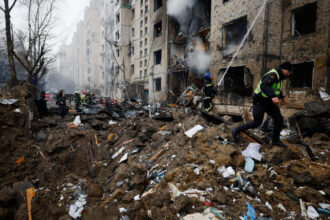
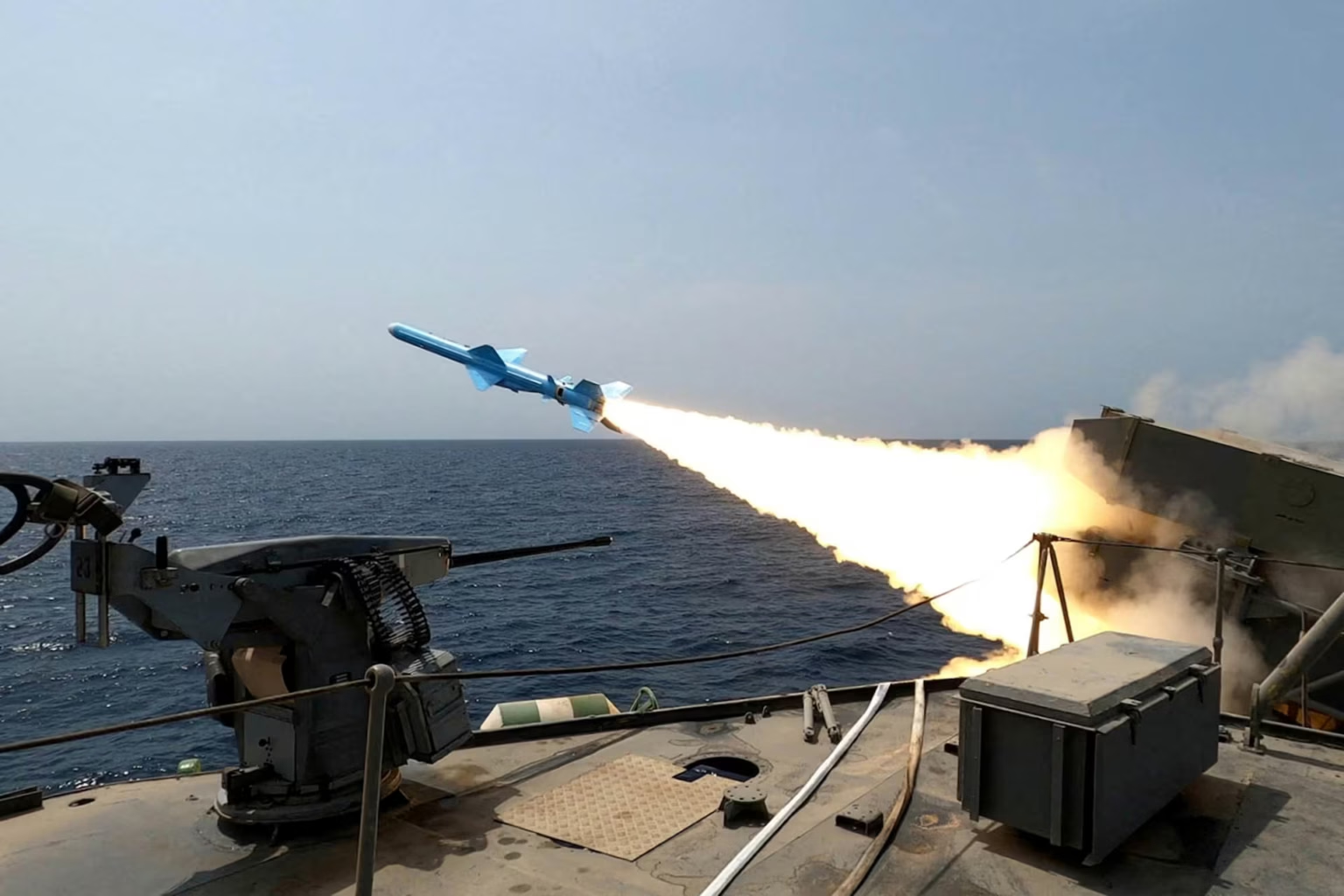
Tehran, Iran — January, 2026: According to Brussels Morning Newspaper, the Middle East entered a renewed phase of strategic uncertainty this week as Tehran delivered a firm security message to surrounding states. The development, described by officials as a defensive measure, has drawn widespread attention due to the Iran warning neighbours amid escalating strains with Washington. The timing, location, and geopolitical context have elevated concerns across diplomatic, military, and economic circles.
Regional observers say the message reflects growing anxiety over the possibility of military confrontation involving external powers and the unintended consequences such action could have for neighboring countries.
The Strategic Backdrop Behind Rising Tensions
Relations between Iran and the United States have steadily deteriorated since late 2025, driven by disputes over sanctions enforcement, naval movements, and regional influence. These tensions form the backdrop to the Iran warning neighbours, which many analysts interpret as a calculated attempt to reassert deterrence rather than provoke conflict.
Over recent months, military signaling on both sides has increased. Exercises, troop movements, and strategic messaging have intensified, contributing to a climate in which even routine actions are closely scrutinized.
Diplomatic Channels Used to Deliver the Message
Rather than issuing a public declaration, Tehran chose to communicate its position through diplomatic intermediaries. This approach allowed the message to reach decision-makers directly while limiting public escalation.
Officials familiar with the matter say the Iran warning neighbours was framed in precise terms, emphasizing responsibility and consequences rather than threats. Diplomats describe the tone as firm but controlled, underscoring Tehran’s intent to avoid misinterpretation while making its position unmistakably clear.
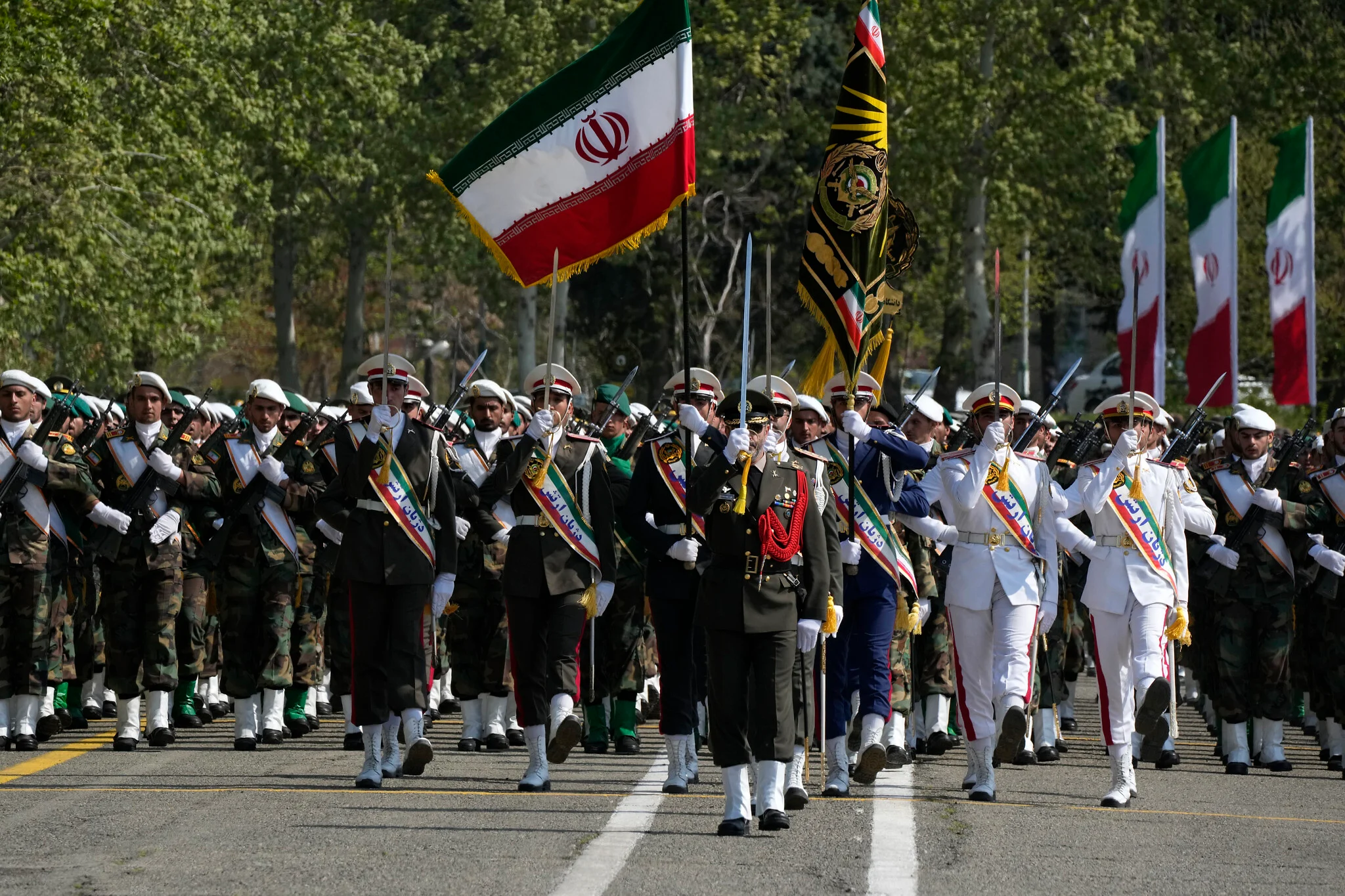
Neighboring States Confront Difficult Choices
For countries hosting foreign military installations, the message has prompted urgent reassessments of national security strategies. The Iran warning neighbours has forced policymakers to confront the reality that alliances, while offering protection, may also expose them to heightened risk during periods of confrontation.
Emergency consultations were reportedly held in several regional capitals as defense planners evaluated air defense readiness, emergency response capabilities, and diplomatic options.
Military Capabilities Shape Credibility
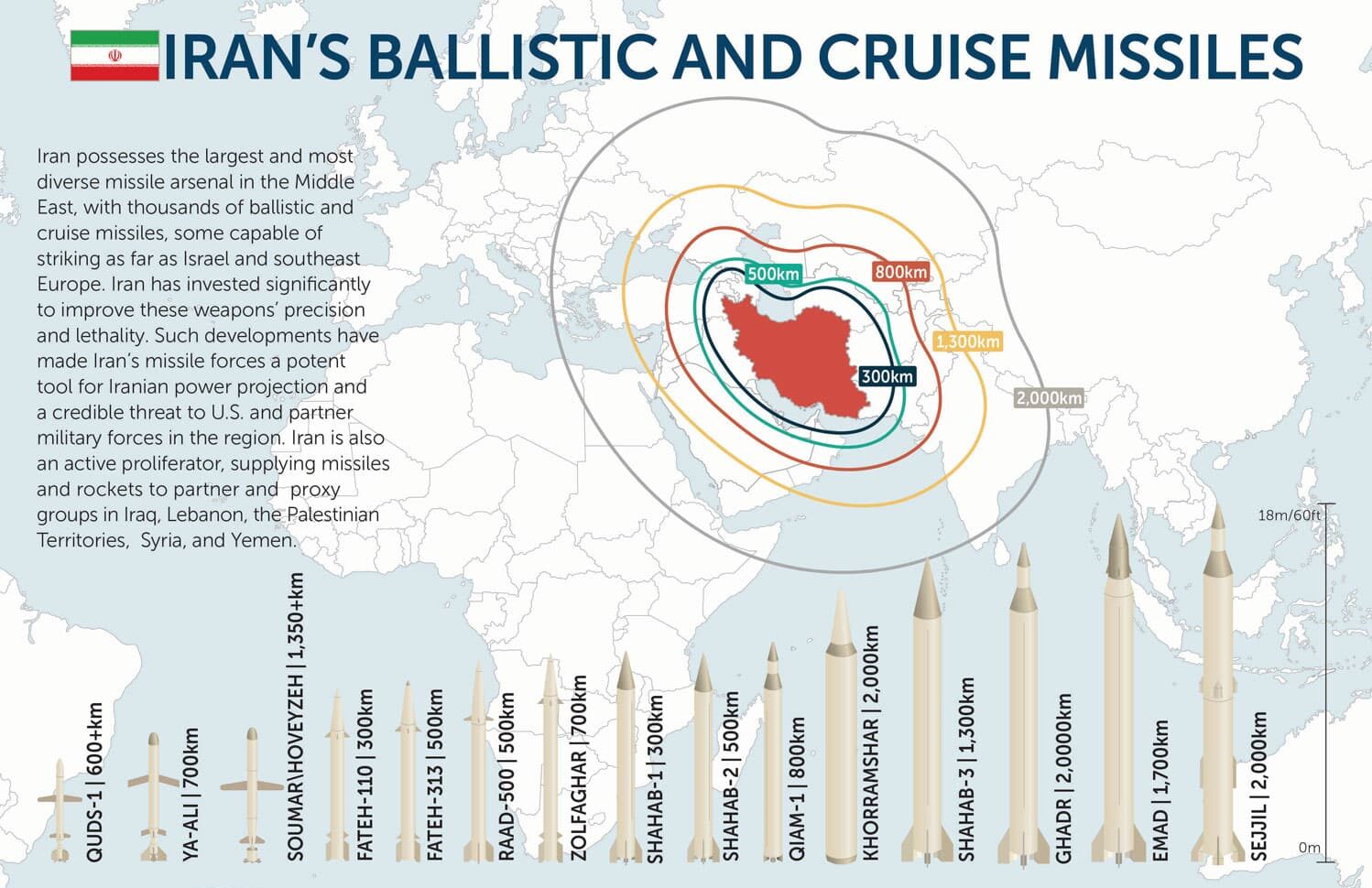
Iran’s investment in missile technology, drone systems, and asymmetric warfare has significantly altered the regional balance. Analysts note that these capabilities lend credibility to the Iran warning neighbours, even in the absence of explicit operational details.
Military experts emphasize that deterrence relies not only on intent but on perceived capacity. In this context, Iran’s military posture plays a central role in shaping how the warning is interpreted across the region.
Economic Ramifications Across the Gulf
Markets responded cautiously as news of the Iran warning neighbours spread. Energy traders, insurers, and logistics firms began factoring in elevated risk premiums, particularly for routes passing through sensitive maritime corridors.
While no immediate disruptions were reported, economists warn that prolonged uncertainty could affect investment flows, tourism, and long-term infrastructure planning throughout the Middle East.
Global Powers Urge De Escalation
International reactions were swift, with European and Asian governments calling for restraint and dialogue. Diplomatic sources stress that miscalculation remains the greatest danger in the current environment.
Despite these appeals, the Iran warning neighbours remains central to Tehran’s narrative of deterrence. Officials argue that clarity now may prevent escalation later by reducing ambiguity about red lines.
A senior regional analyst observed,
“Clear signaling, when properly understood, can sometimes stabilize volatile situations.”
Media Coverage Shapes Public Understanding
Coverage of the Iran warning neighbours has varied widely across regional and international media. Iranian outlets emphasize sovereignty and defense, while neighboring countries focus on potential civilian and economic risks.
Public reaction has been mixed. Some view the message as a necessary assertion of self-defense, while others fear it heightens anxiety without offering a diplomatic exit.
Legal and Sovereignty Considerations
From a legal perspective, the Iran warning neighbours raises questions about neutrality, basing agreements, and international obligations. Hosting foreign forces carries responsibilities under international law, particularly during conflicts involving third parties.
Legal scholars note that these complexities add another layer of challenge for regional governments navigating an increasingly polarized environment.
Communication as a Tool of Deterrence
Strategic communication has become a key element of modern conflict prevention. The Iran warning neighbours illustrates how words, when carefully chosen and delivered, can influence calculations without immediate action.
This approach reflects a broader trend in international relations, where signaling and perception management often precede or replace direct confrontation.
Regional Alliances Under Pressure
The warning has tested regional alliances, particularly those balancing ties with Washington and the need for stable relations with Tehran. The Iran warning neighbours has underscored the fragility of these balancing acts.
Some governments are now exploring diplomatic initiatives aimed at reducing exposure to regional rivalries, including confidence-building measures and regional dialogue forums.
Historical Context Offers Cautionary Lessons
History provides numerous examples of regional crises escalating due to miscommunication or unintended incidents. Analysts caution that the Iran warning neighbours should be viewed within this broader historical framework.
Past confrontations demonstrate how quickly limited disputes can expand, particularly in regions dense with military assets and overlapping alliances.
Civil Preparedness and Public Safety
Beyond diplomacy and defense, governments are quietly reviewing civil preparedness plans. The Iran warning neighbours has prompted renewed focus on emergency response systems, public communication strategies, and infrastructure resilience.
While officials stress there is no immediate threat, preparedness measures are being updated as a precaution.
The Role of Back Channel Diplomacy
Despite public tension, back-channel communication remains active. Intermediaries continue to shuttle messages aimed at clarifying intentions and preventing misunderstandings.
The persistence of these channels suggests that the Iran warning neighbours is intended to define limits rather than foreclose dialogue.
Strategic Patience Versus Escalation
Observers note that both Tehran and Washington appear to be exercising strategic patience, at least for now. The Iran warning neighbours fits into this pattern, serving as a reminder of consequences rather than a prelude to action.
Whether patience holds will depend on developments in the coming weeks, including military movements and diplomatic engagement.
Regional Economies Face Uncertain Outlook
Businesses across the Middle East are closely monitoring developments. The Iran warning neighbours has added another variable to an already complex economic landscape shaped by global inflation, energy transitions, and geopolitical risk.
Long-term projects may face delays if uncertainty persists, affecting employment and growth prospects.
International Institutions Monitor Developments
Multilateral organizations are tracking the situation closely, offering technical support and mediation where possible. The Iran warning neighbours has been discussed in several international forums concerned with regional stability.
These institutions emphasize the importance of confidence-building measures and adherence to international norms.
Information Warfare and Narrative Control
In the digital age, narrative control has become a strategic asset. Competing interpretations of the Iran warning neighbours circulate widely online, influencing perceptions far beyond the region.
Experts warn that misinformation could exacerbate tensions if not addressed through transparent communication.
Security Calculations Extend Beyond Borders
The implications of the Iran warning neighbours extend beyond the Middle East. Global energy markets, supply chains, and diplomatic alignments are all influenced by stability in the region.
This interconnectedness amplifies the stakes, making restraint and dialogue even more critical.
Signals Intended to Prevent Missteps
At its core, the Iran warning neighbours represents an attempt to prevent missteps by clarifying potential consequences. Whether this objective is achieved will depend on how the message is interpreted and acted upon.
Clarity, analysts argue, can sometimes serve as a stabilizing force in uncertain times.
The Region Awaits the Next Phase
As January 2026 unfolds, the Middle East remains on edge. Governments, markets, and citizens are watching closely for signs of either de-escalation or further strain.
The Iran warning neighbours has reshaped regional discourse, ensuring that security considerations remain at the forefront of policy-making.
When Words Redefine Strategic Boundaries
The current episode underscores how strategic messaging can redefine boundaries without a single shot being fired. In a region shaped by history and rivalry, communication carries immense weight.
Whether this moment leads to renewed diplomacy or deeper division will depend on choices made in the weeks ahead.