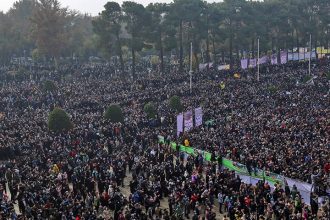

Iran January 2026 — Brussels Morning Newspaper states that Iran political instability has entered a prolonged and complex phase as political rigidity, economic pressure, and recurring public unrest converge at a critical moment for the country. As 2026 begins, Iran’s leadership faces mounting internal challenges that are reshaping governance, testing social cohesion, and influencing regional calculations across the Middle East.
Unlike short bursts of unrest seen in previous years, the current environment reflects sustained tension rooted in unresolved grievances. Officials maintain control, yet analysts note that the underlying dynamics driving uncertainty have become structural rather than episodic, making the situation harder to contain through traditional mechanisms alone.
Political Structure Under Persistent Strain
Iran’s political system remains centralized and tightly managed, but the strain on governance has become increasingly visible. Decision making is concentrated within established institutions, leaving limited space for public participation or policy debate. This rigidity has contributed to frustration among citizens who feel disconnected from the political process.
Over time, the disconnect has reinforced Iran political instability, as governance structures struggle to adapt to changing social expectations. While the state emphasizes continuity and resistance to pressure, critics argue that the absence of responsive mechanisms has intensified public dissatisfaction rather than easing it.
Protests as a Recurring Feature of Public Life
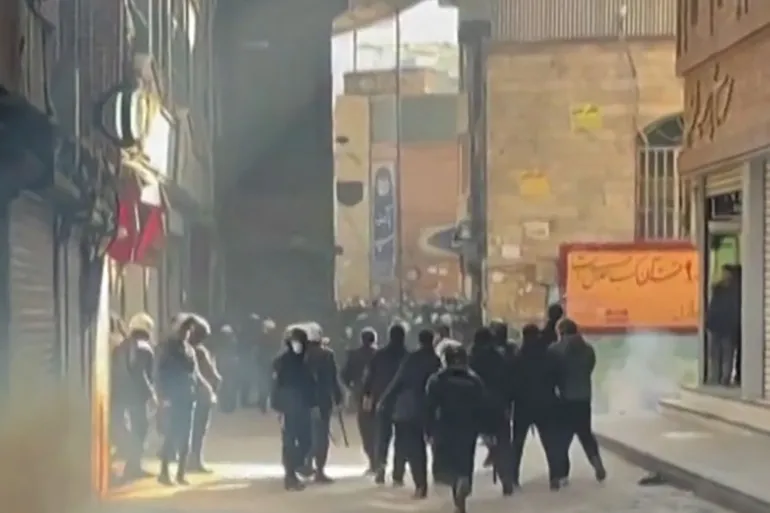
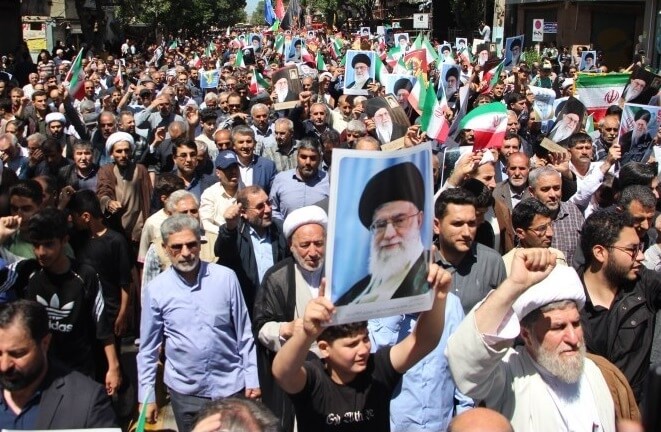
Public demonstrations have become an enduring feature of Iran’s domestic landscape. Protests vary in size and scope, ranging from localized labor actions to broader expressions of social and political frustration. Although security forces have generally prevented nationwide escalation, the persistence of unrest signals deeper issues.
Analysts view these demonstrations as a visible manifestation of Iran political instability, reflecting unresolved economic and social grievances. Periods of calm often follow crackdowns, but the underlying causes remain, allowing tensions to resurface when conditions align.
Economic Hardship Fuels Social Pressure
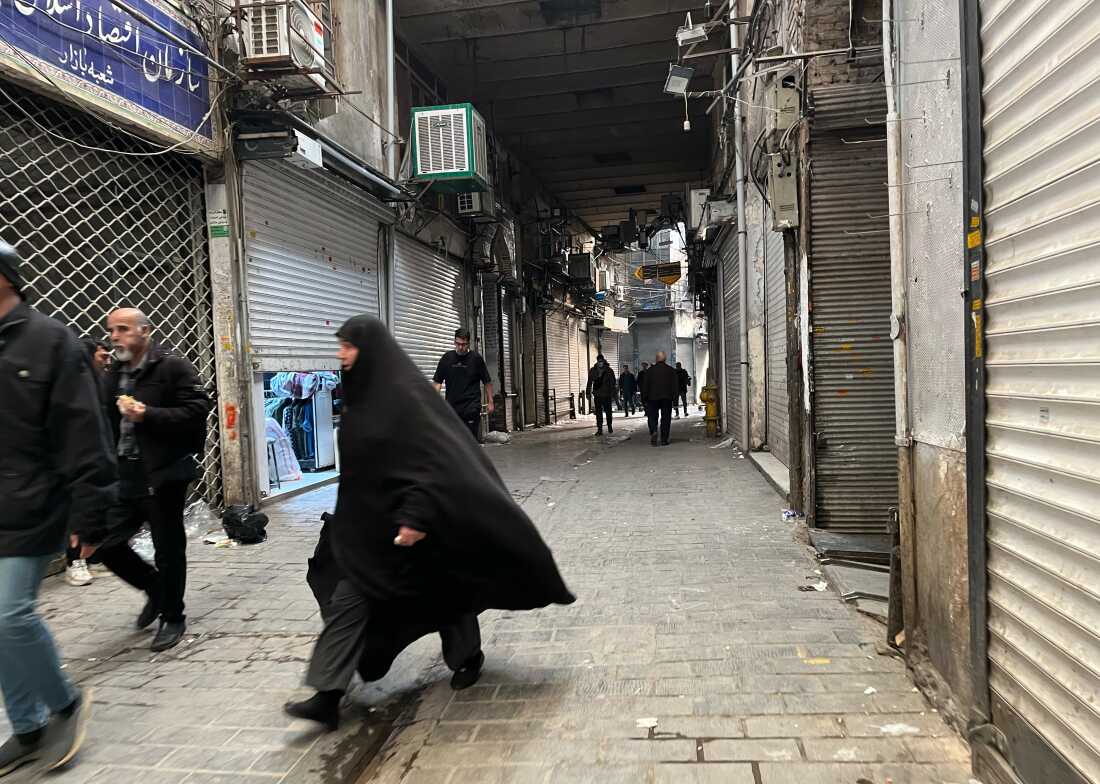
Economic challenges remain one of the most significant drivers of instability. Inflation, currency depreciation, and unemployment continue to erode living standards, particularly for middle and lower income households. Rising costs of basic goods have increased daily stress and reduced confidence in economic management.
The cumulative effect of sanctions, limited foreign investment, and structural inefficiencies has intensified Iran political instability, as economic hardship amplifies political frustration. Economists warn that without sustained improvement, economic pressure will continue to translate into social volatility.
Sanctions and External Constraints
International sanctions remain a defining factor in Iran’s economic and political environment. Restrictions on trade, finance, and energy exports have constrained growth and limited the government’s ability to deliver economic relief.
These external pressures interact directly with Iran political instability, as sanctions deepen economic hardship while reinforcing official narratives of resistance. For many citizens, however, external blame does little to offset daily challenges, increasing skepticism toward political messaging.
Regional Policy and Domestic Consequences
Iran’s regional posture also shapes internal dynamics. Engagement in regional conflicts and alliances consumes resources and influences domestic perceptions of priorities. While authorities frame regional involvement as essential to national security, critics question its cost amid domestic hardship.
From this perspective, Iran political instability is intertwined with foreign policy choices. External commitments can reinforce internal legitimacy for some supporters, while others view them as distractions from pressing domestic needs.
Security Institutions and State Control
Iran’s security apparatus remains robust and central to maintaining order. Police and paramilitary forces have demonstrated the capacity to respond quickly to unrest, limiting its spread and duration. Surveillance and enforcement mechanisms are extensive.
However, reliance on security measures alone has not resolved Iran political instability. Analysts argue that enforcement can suppress symptoms but does not address root causes such as economic hardship, political exclusion, and social change.
Generational Change and Rising Expectations
Demographic trends are reshaping Iran’s social landscape. A young population with access to global information and high expectations for opportunity is increasingly vocal about dissatisfaction. This generational shift challenges traditional authority structures.
Younger citizens play a key role in Iran political instability, using digital platforms to share information, organize protests, and articulate demands. Their expectations often clash with existing political and cultural norms, intensifying tension.
Information Control in the Digital Age
Despite restrictions, information flows through social media, messaging platforms, and informal networks. Local incidents can quickly gain national attention, amplifying reactions and accelerating unrest.
The rapid spread of information contributes to Iran political instability, as perception often moves faster than official responses. Authorities’ efforts to manage narratives reflect awareness of how quickly public sentiment can shift.
Urban Centers as Pressure Points
Major cities such as Tehran have become focal points for unrest. Urban areas concentrate economic inequality, youth populations, and political awareness, making them natural centers of protest activity.
The concentration of dissent in cities reinforces Iran political instability, as visible unrest in urban centers carries symbolic weight and attracts national and international attention.
Rural Areas and Economic Marginalization
While cities draw the spotlight, rural areas face their own challenges. Limited economic opportunity, water shortages, and infrastructure gaps contribute to quiet but persistent dissatisfaction.
These conditions feed into Iran political instability, as rural hardship often intersects with urban unrest during periods of nationwide tension, broadening the scope of discontent.
Institutional Legitimacy and Public Trust
Trust in institutions plays a critical role in stability. Persistent economic strain and limited responsiveness have weakened confidence among segments of the population.
Restoring trust is essential to addressing Iran political instability, yet meaningful reform faces ideological and structural constraints. Incremental adjustments may ease pressure temporarily but have yet to rebuild broad confidence.
A Single Perspective on the Risk Ahead
One regional analyst familiar with Iran’s internal dynamics summarized the challenge by saying,
“The real risk is not constant unrest, but the moment when accumulated pressure suddenly finds an outlet.”
The observation underscores why Iran political instability is widely viewed as fragile, with calm periods masking underlying tension rather than resolving it.
Impact on Regional Security Calculations
Iran’s internal volatility carries implications for regional security. Neighboring states monitor developments closely, aware that sudden escalation could affect energy markets, migration flows, and diplomatic alignments.
From a regional standpoint, Iran political instability introduces uncertainty that shapes planning across the Middle East, influencing both security cooperation and economic strategy.
Energy Markets and Economic Spillovers
As a major energy producer, Iran’s stability affects global markets. Disruptions or policy shifts linked to internal unrest can influence oil prices and regional supply dynamics.
These linkages mean Iran political instability resonates beyond national borders, reinforcing international interest in the country’s internal trajectory.
Diplomatic Engagement and Constraints
Efforts to engage diplomatically with Iran remain constrained by mistrust and competing priorities. Negotiations over sanctions relief and regional issues intersect with domestic politics, limiting flexibility.
Diplomatic stalemate can prolong Iran political instability, as the absence of external relief reinforces economic pressure and internal frustration.
The Role of Elites and Internal Debate
Within Iran’s leadership, debates persist over policy direction and reform. While public unity is emphasized, internal discussions reflect differing views on how to manage pressure.
These elite dynamics influence Iran political instability, shaping whether adaptation or rigidity defines the state’s response to ongoing challenges.
Social Resilience and Adaptation
Despite pressure, Iranian society demonstrates resilience. Informal networks, family structures, and community support systems help mitigate hardship and maintain social cohesion.
This resilience tempers Iran political instability, preventing immediate breakdown while allowing tension to persist beneath the surface.
Education, Employment, and Future Outlook
Access to education has expanded, but employment opportunities have not kept pace. Graduates face limited prospects, fueling frustration and emigration.
The mismatch between education and opportunity exacerbates Iran political instability, as unmet expectations become a powerful source of discontent.
Cultural Expression and Silent Resistance
Beyond protests, cultural expression serves as a form of quiet resistance. Art, music, and online discourse reflect social attitudes that may not appear in formal politics.
These expressions contribute subtly to Iran political instability, shaping identity and expectations in ways that influence long term change.
Risk of Sudden Escalation
While unrest has remained largely contained, the risk of sudden escalation remains. Seemingly minor triggers can spark wider reactions when pressure accumulates.
This unpredictability defines Iran political instability, complicating forecasting for both domestic authorities and international observers.
A System Under Long Term Stress
Iran’s political and economic systems remain intact, but stress indicators are persistent. Incremental adjustments have slowed deterioration without resolving core issues.
The endurance of Iran political instability suggests that without meaningful change, pressure will continue to shape policy and public behavior.
Long Term Implications for Governance
The current phase may influence Iran’s governance trajectory for years. Choices made in response to pressure will shape institutional legitimacy and social cohesion.
Observers note that Iran political instability is not only a challenge but a crossroads, determining whether adaptation or entrenchment defines the future.
A Distinctive Closing Assessment
What defines Iran in 2026 is neither collapse nor calm, but tension. Authority remains strong, yet legitimacy is contested. Society adapts, yet pressure persists.
As the year unfolds, the path of Iran political instability will depend on whether economic relief, political adjustment, and regional dynamics converge to ease strain or whether unresolved challenges continue to accumulate, keeping volatility close to the surface.