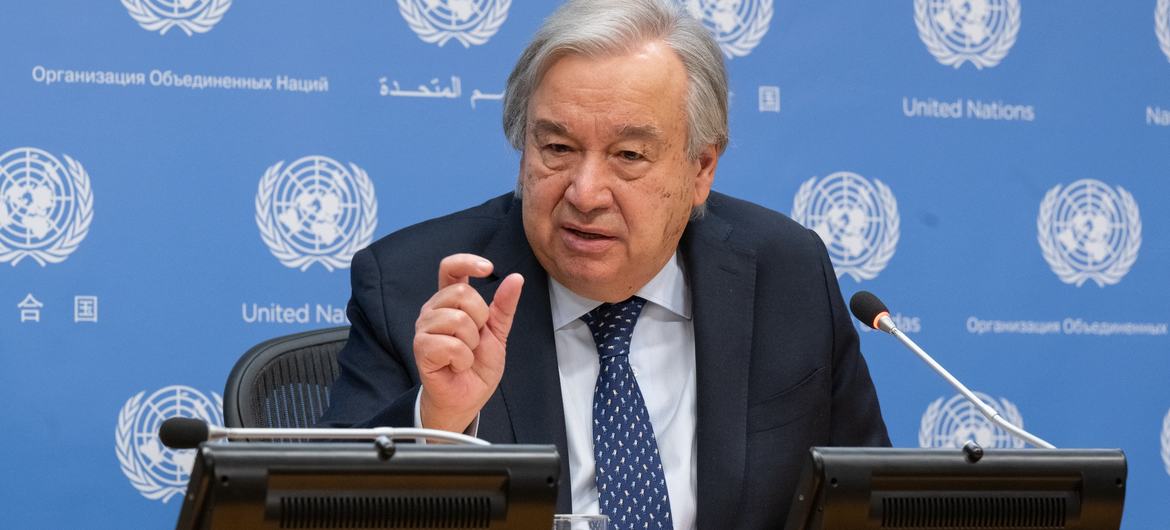
New York, January — The Secretary-General of the United Nations on Tuesday warned that escalating tensions involving Tehran could trigger consequences extending well beyond the Middle East, urging renewed diplomatic engagement to stabilize Iran global security at a time of mounting geopolitical strain.
Speaking at UN headquarters, the Secretary-General said the international system is entering a period of heightened vulnerability, where unresolved disputes and deteriorating trust risk undermining decades of multilateral conflict-prevention efforts.
A World Body Raises the Alarm
Senior UN officials say recent developments surrounding Iran have intensified concern across diplomatic circles. Stalled negotiations, regional flash-points, and hardening political positions have combined to create what diplomats describe as a fragile and unpredictable moment.
Internal assessments circulated among member states indicate that Iran global security concerns now intersect with several unresolved crises across the Middle East, increasing the risk that localized incidents could escalate into broader confrontations. The UN leadership stressed that unchecked escalation would weaken international norms and undermine mechanisms designed to manage disputes peacefully.
Diplomacy Reasserted as the Central Strategy
The UN reiterated its long-standing belief that diplomacy remains the only sustainable path forward. While acknowledging deep political divisions, officials emphasized that communication channels must remain open even during periods of acute tension.
According to diplomats, strengthening Iran global security requires confidence-building measures, transparency, and gradual de-escalation rather than unilateral actions. The Secretary-General emphasized that history shows lasting stability is achieved through negotiation, not coercion.
Regional Complexity Deepens the Challenge
Iran’s geographic position and political influence place it at the center of a complex regional landscape. Developments involving Tehran often reverberate across neighboring states, affecting maritime security, trade routes, and political alignments.
UN analysts warn that instability in one area can quickly spill across borders. In this environment, efforts to safeguard Iran global security are inseparable from broader attempts to prevent regional disputes from evolving into wider conflicts that would be far harder to contain.
Energy Markets and Economic Exposure
Beyond political considerations, UN officials highlighted the economic dimensions of rising tensions. Iran’s proximity to key energy corridors means instability could disrupt oil supplies and shipping routes, contributing to price volatility and inflationary pressure worldwide.
Financial institutions monitoring global markets have cautioned that prolonged uncertainty linked to Iran global security could weaken investor confidence and strain economies already coping with slowing growth. The UN noted that economic stability and geopolitical stability are increasingly intertwined.
Humanitarian Costs Behind Strategic Calculations
The Secretary-General also underscored the humanitarian implications of prolonged confrontation. Sanctions, reduced trade, and regional insecurity have placed sustained pressure on civilian populations, limiting access to healthcare, food supplies, and employment opportunities.
UN agencies operating in the region report that vulnerable communities are often the first to feel the impact of prolonged instability. Addressing Iran global security through peaceful engagement, officials argue, could help mitigate humanitarian risks while opening space for economic recovery.
International Responsibility and Restraint
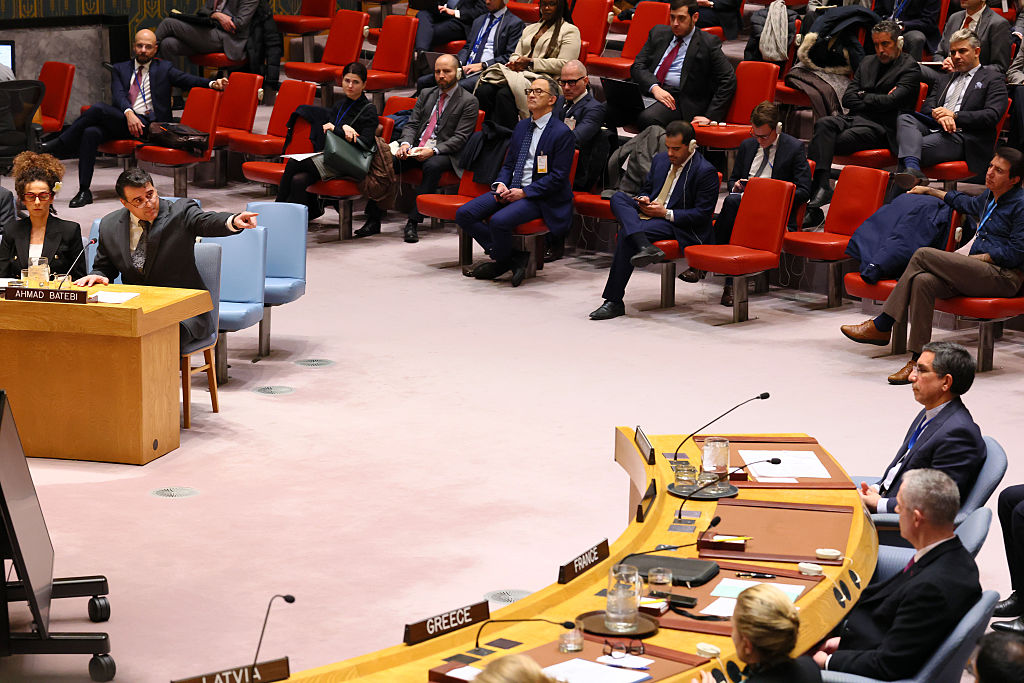
Calling on major global powers to demonstrate leadership, the UN urged restraint and warned against actions that could inflame tensions. Officials emphasized that unilateral measures risk undermining multilateral frameworks designed to reduce conflict and promote stability.
The Secretary-General stressed that Iran global security should not become collateral damage in broader geopolitical competition. Instead, he called for renewed commitment to international law and collective security mechanisms that have helped prevent major conflicts for decades.
Nuclear Oversight Remains a Sensitive Pillar
One of the most contentious aspects of Iran-related diplomacy continues to involve nuclear oversight. The UN reaffirmed its support for verification regimes aimed at ensuring transparency and compliance with international agreements.
Diplomats warned that weakening monitoring structures would increase uncertainty and erode trust among global actors. Strengthening Iran global security, they said, requires credible oversight alongside sustained diplomatic engagement.
Quiet Diplomacy Continues Offstage
Despite heightened public rhetoric, UN officials confirmed that behind-the-scenes diplomatic channels remain active. Regional mediators and international envoys continue to explore confidence-building measures aimed at reopening formal negotiations.
While progress has been incremental, diplomats maintain cautious optimism that sustained engagement could help stabilize Iran global security and reduce the risk of confrontation over time.
A Single Warning From the World’s Top Diplomat
Summarizing the stakes, the Secretary-General delivered a pointed message during his address to reporters.
“The cost of failure will not be confined to one region but will reverberate across the entire international system,” he said.
The statement reflected growing concern within the UN that current trends, if left unchecked, could spiral beyond diplomatic control.
Why 2026 Represents a Critical Juncture
Diplomats describe 2026 as a pivotal year for international efforts involving Iran. Shifting alliances, evolving defense doctrines, and global economic uncertainty have narrowed the margin for error.
UN officials believe addressing Iran global security now could prevent deeper fractures in the years ahead. Delayed action, they warn, risks entrenching divisions that will be far more difficult to reverse later.
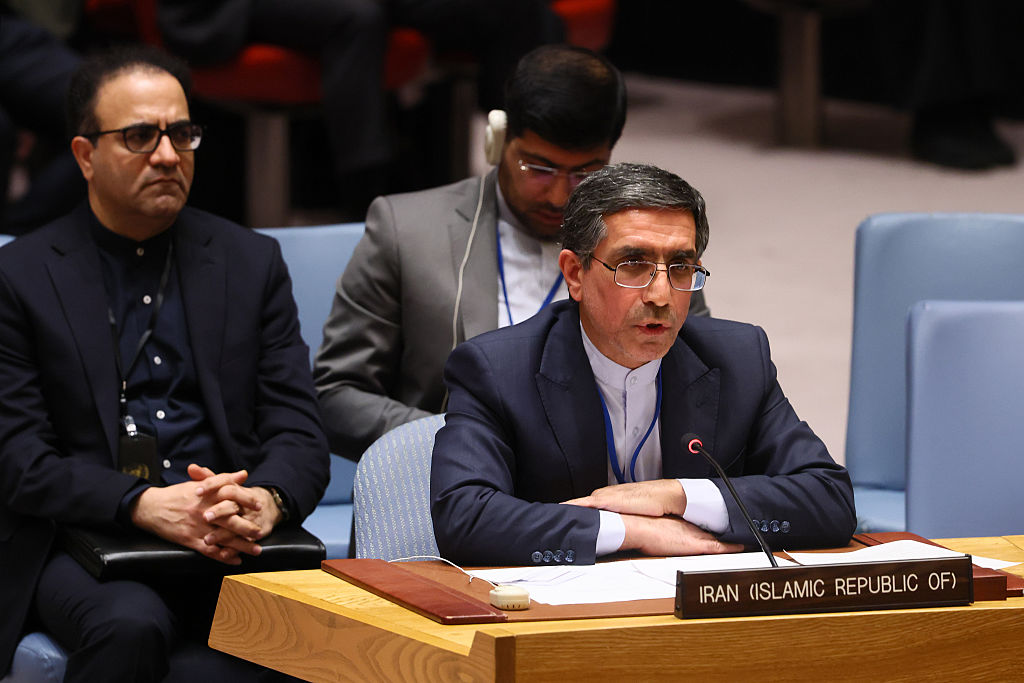
What This Means for Global Diplomacy Going Forward
Diplomatic observers say the coming months will test the credibility of international conflict prevention mechanisms. With multiple global crises competing for attention, sustained engagement will be required to prevent diplomatic fatigue and policy drift.
Analysts note that successful diplomacy in this context depends not only on formal negotiations but also on consistent communication, regional mediation, and confidence building efforts that reduce the risk of sudden escalation.
Multilateral institutions are expected to play a central role by coordinating dialogue, encouraging restraint, and reinforcing international norms.
At the same time, major powers face growing pressure to balance national interests with collective responsibility. How effectively global actors manage this challenge could shape the broader security environment for years to come, influencing trust in diplomacy as a tool for managing high-stakes international disputes.
Implications Beyond the Middle East
The UN stressed that any major escalation would have global repercussions. Disruptions to trade routes, energy flows, and diplomatic cooperation could ripple across continents, affecting economies far removed from the region.
For this reason, the organization continues to frame Iran global security as a matter of shared international responsibility rather than a regional dispute confined to one part of the world.
The UN’s Closing Signal From New York
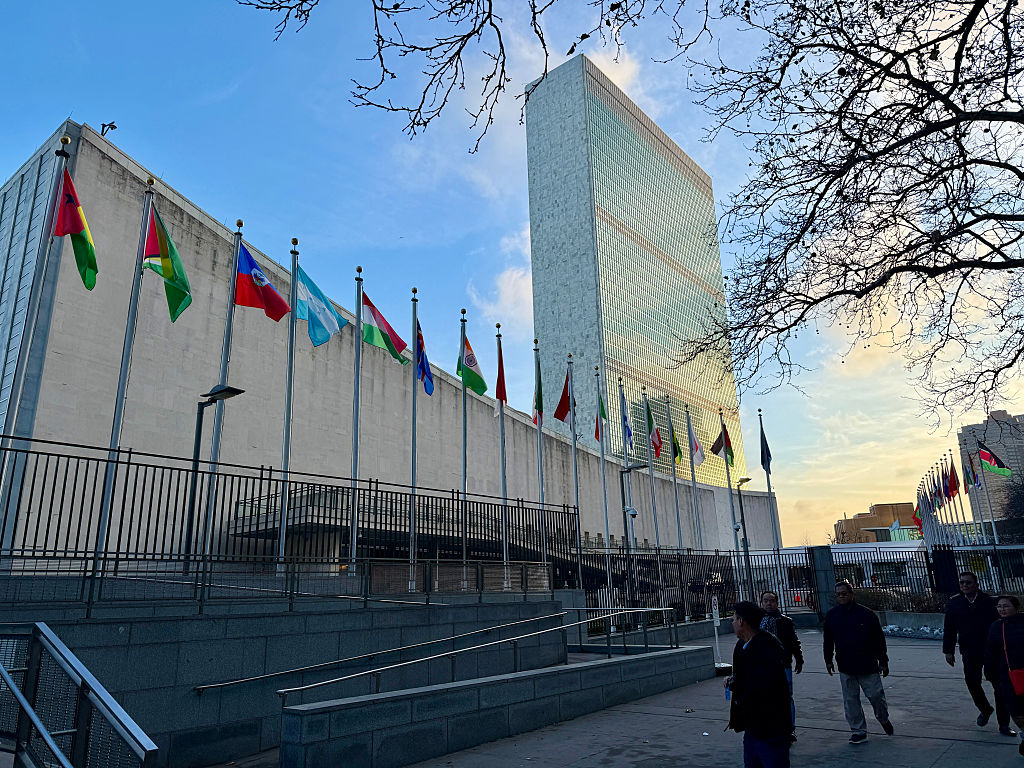
As consultations continue at UN headquarters, diplomats say the window for meaningful engagement is narrowing. Dialogue remains possible, but sustained political will is required to translate warnings into action.
The UN leadership insists that reinforcing Iran global security through diplomacy remains essential to preventing a wider crisis. Whether global actors heed that call may shape the trajectory of international stability well beyond the current year.