The most important buyer in Iowa’s Senate race does not vote, donate or run ads. It is Sinograin, China’s state grain reserve, which together with the trader COFCO bought 45 cargoes of American soybeans in the week after Donald Trump and Xi Jinping met in late September.
That matters because Iowa may decide the Senate. Republicans hold a 53-47 majority, and the RealClearPolitics average shows Republican Ashley Hinson ahead of Democrat Josh Turek by half a point in a state Trump carried by 13 points two years ago.
The familiar story from farm country runs like this: Beijing squeezes American growers, and Republicans pay at the ballot box. The October numbers say the opposite. China has kept its side of the soybean bargain. The damage to the Republican farm vote is coming from Washington.
Start with the purchases. China has booked more than 16 million tonnes of US soybeans for shipment between October and March, over 65 percent of the 25 million tonnes a year the White House says Beijing committed to. For October alone, Chinese buyers contracted about 6.4 million tonnes of American beans against 3.3 million from Brazil. US export inspections for the new marketing year reached 7.2 million tonnes by mid-October, up from 5.7 million a year earlier.
Beijing delivered. Iowa is still a toss-up.
The explanation lies in three costs Washington chose, and no Chinese purchase order can offset any of them.
First, the deal itself. The late-September summit cut tariffs on about $60 billion of goods and left soybeans out. American beans still carry a combined duty of roughly 13 percent in China. At that price, state buyers meeting a government-to-government commitment buy American, while private crushers, who buy on price, stay with Brazil. The American Soybean Association made that point after the summit. The White House negotiated tonnage. It did not negotiate access.
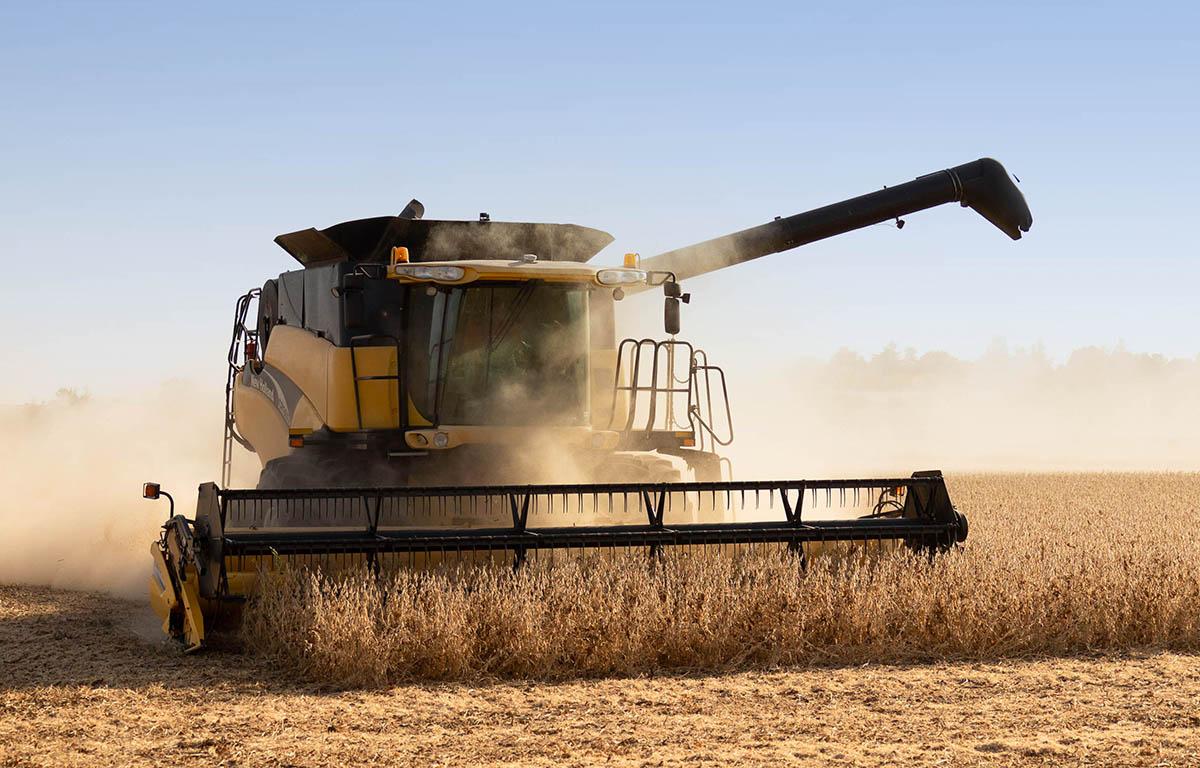
Second, the war. Diesel above $6 a gallon, a product of the Iran war and the Hormuz disruption, landed on farms in the middle of harvest, along with dearer fertilizer and fuel. No grain contract signed in Beijing lowers the cost of filling a combine in Story County.
Third, the bailout treadmill. Direct federal payments to farmers are on course for about $55.4 billion this year, roughly a third of farm income, a share not seen since 2001. Two weeks before the vote the White House added $8 billion more. A farm economy one-third funded by the Treasury is no longer a market. It is a constituency on retainer, and constituencies on retainer vote on whether the cheques feel like enough.
The polls show where that leaves Republicans. Marist has Turek ahead 48 to 45 among likely Iowa voters, with independents breaking for him 51 to 31. A Fox News poll found more Iowans worried that Hinson is too close to Trump than that Turek is too liberal, by nine points. Nationally, a Reuters/Ipsos poll found 78 percent of Americans blame Trump’s policies for prices outpacing their pay. Trump’s approval among rural Americans has slipped to 50 percent.
Iowa is close for other reasons too. Joni Ernst’s retirement opened the seat, and the national mood is hostile: the NPR/PBS News/Marist poll gives Democrats an 8-point lead among likely voters on the generic ballot. A wave explains why a seat is competitive. Farm income explains why the competitive seats include Iowa and Kansas, states that rarely move.
Here is the prediction. If Republicans hold the Senate on Tuesday, the margin will run through soybean contracts Beijing signed in October. If they lose it, the margin will run through a tariff line Washington left out in September. Either way, the farm policy that matters most in 2027 will not be written in the farm bill. It will be written at the new US-China trade council, tasked with reciprocal tariff cuts on $30 billion of products and still without a timeline.
That hands whoever runs Congress in January an obvious first ask. Put soybeans at the top of the council’s agenda and trade purchase targets for mutual tariff cuts, so private Chinese crushers can buy Iowa beans whenever the price is right. Beijing gets steadier supply from the world’s second-largest soybean exporter. Iowa gets a market instead of a quota. The White House gives up a tonnage headline, and the Treasury gets a way off a $55 billion treadmill.
The USDA publishes its weekly export sales report on Thursday, November 5, two days after the vote. Iowa farmers will read the China column first. Both parties should read it second.