Washington, D.C., June 22 – Brussels Morning Newspaper — Inflation expectations remain one of the most closely watched indicators shaping financial markets and Federal Reserve policy decisions. Investors, economists and business leaders are monitoring whether consumers and businesses expect prices to continue rising, as those expectations can influence spending, wage negotiations and long-term economic growth. Recent market discussions suggest that inflation expectations will remain central to future interest-rate decisions.
Federal Reserve officials have consistently emphasized that keeping inflation expectations anchored is critical for maintaining price stability. While inflation has eased from its recent highs, policymakers continue evaluating incoming economic data before making additional policy adjustments. Bond markets have also reflected shifting views as traders reassess the likely path of interest rates during the remainder of the year.
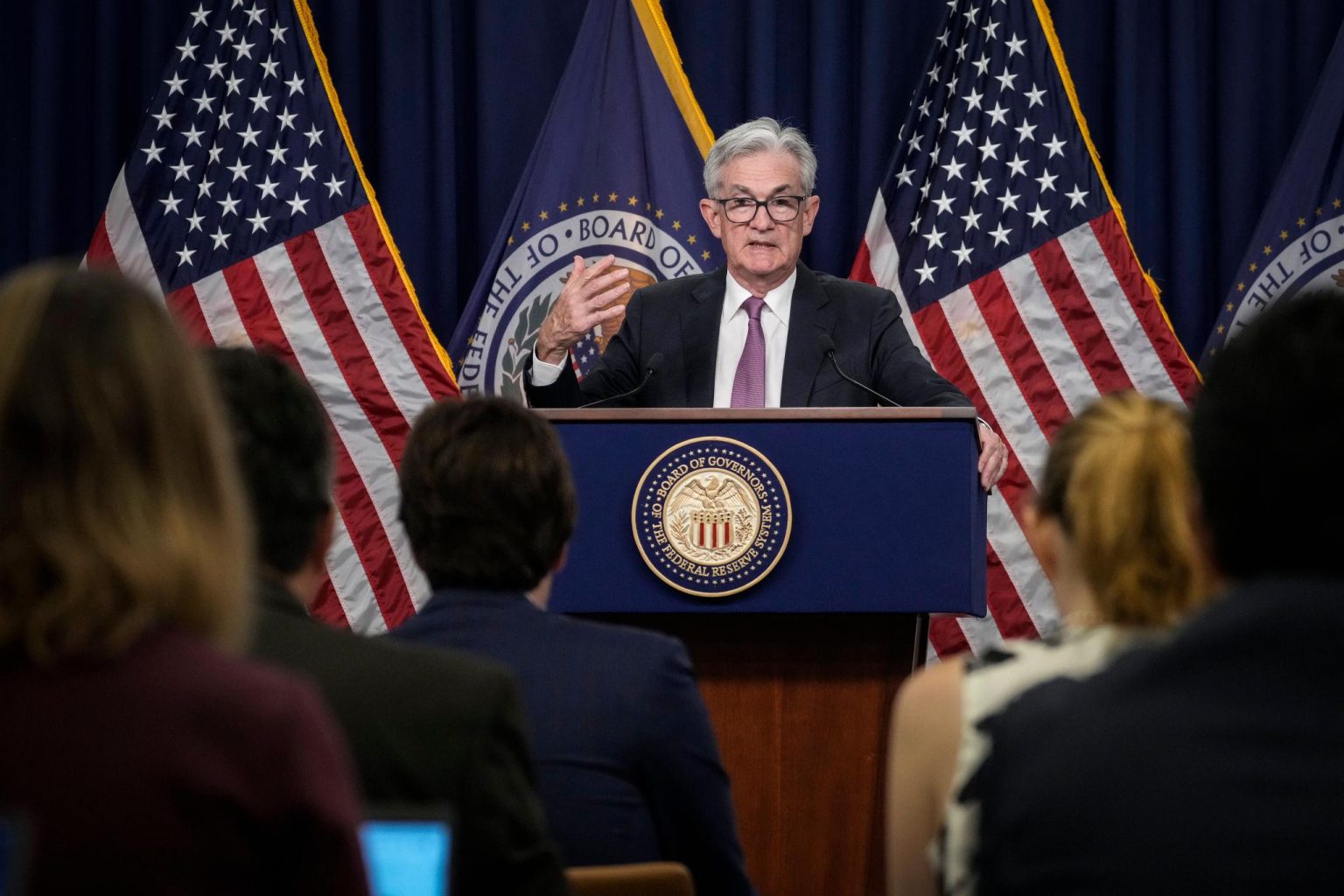
“The Committee remains strongly committed to returning inflation to our 2 percent objective,”
Federal Reserve Chair Jerome Powell said during a recent policy statement.
Higher inflation expectations can push borrowing costs upward, affecting mortgage rates, business investment and consumer financing. Conversely, stable expectations may help reduce market volatility and improve confidence among investors. Analysts note that labor market strength, consumer spending and global energy prices will continue influencing inflation trends over the coming months.
Businesses are also paying close attention to inflation expectations as they make decisions about pricing, hiring and capital investment. Financial institutions, meanwhile, are adjusting forecasts based on expectations for future Federal Reserve actions and broader economic conditions.
As markets await additional inflation reports and Federal Reserve communications, inflation expectations are likely to remain a leading indicator for investors seeking clues about the direction of monetary policy. Future economic releases will provide important evidence on whether price pressures continue easing or require policymakers to maintain a cautious stance, making inflation expectations a central theme for the U.S. economy throughout Washington, D.C. 2026.