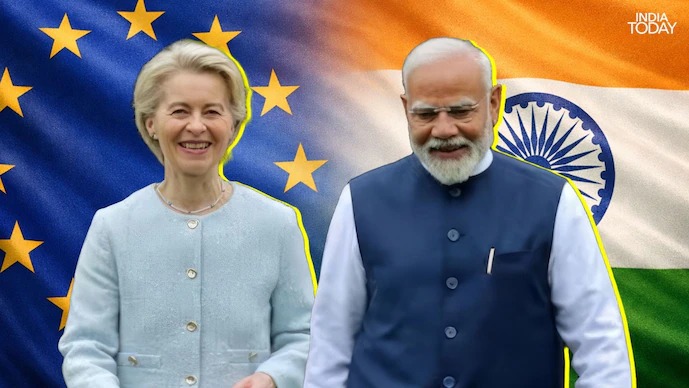
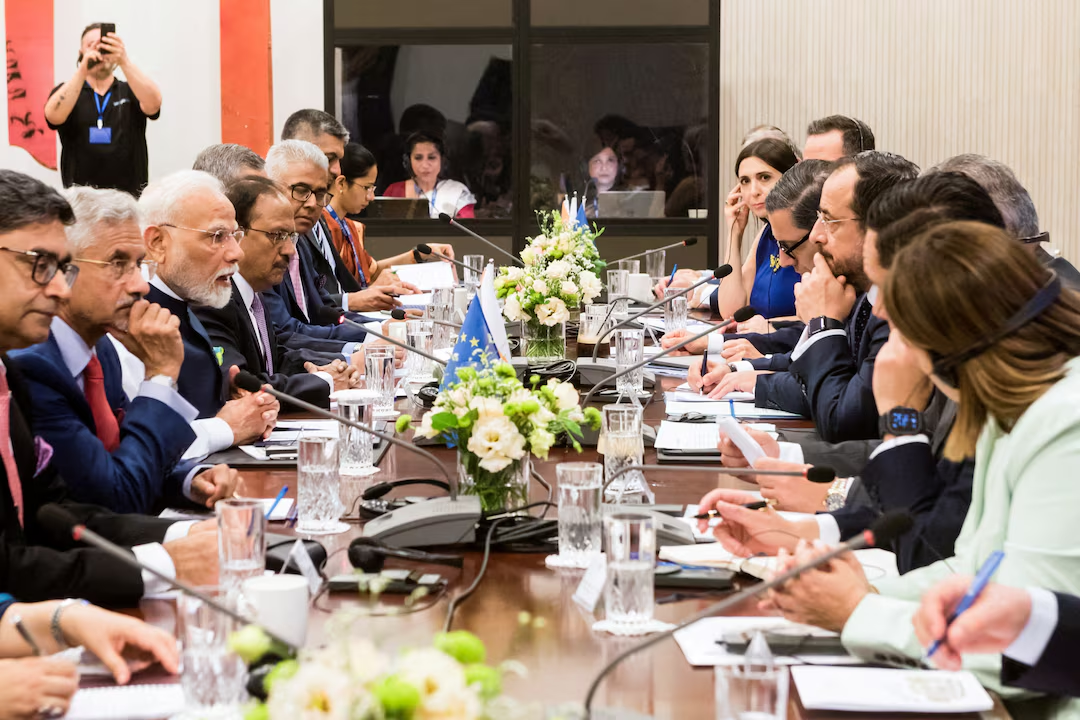
New Delhi, India — January 2026. Negotiations between India and the European Union have reached a decisive stage as officials push forward discussions on market access, tariff reductions, and regulatory cooperation. According to policy officials and trade observers, the evolving India EU trade deal has become one of the most closely watched economic negotiations of the year, reflecting both economic ambition and political sensitivity on both sides.
The talks come at a time of global trade realignment, with countries seeking reliable partners amid slowing growth, supply chain restructuring, and geopolitical uncertainty. For India and the EU, the negotiations represent an opportunity to reset bilateral economic relations after years of stalled progress.
Background of Long Running Negotiations
Trade discussions between India and the European Union have a long and complex history, marked by multiple negotiation rounds, pauses, and restarts. Differences over tariffs, intellectual property, labor standards, and environmental regulations have previously slowed momentum.
The current phase of the India EU trade deal reflects a shift in approach, with both sides showing greater flexibility in addressing sensitive sectors. Officials familiar with the talks say the emphasis has moved from defending entrenched positions to identifying practical compromises that can unlock broader economic benefits.
Why Automobiles Are Central to the Talks
Among all sectors under discussion, automobiles have emerged as the most contentious. India has historically imposed high import tariffs on fully built vehicles to protect domestic manufacturers and encourage local production.
Within the framework of the India EU trade deal, European negotiators are pressing for substantial tariff reductions, arguing that high duties limit consumer choice and distort competition. Indian officials, meanwhile, are seeking a calibrated approach that balances openness with industrial policy priorities.
Proposed Tariff Cuts and Market Access
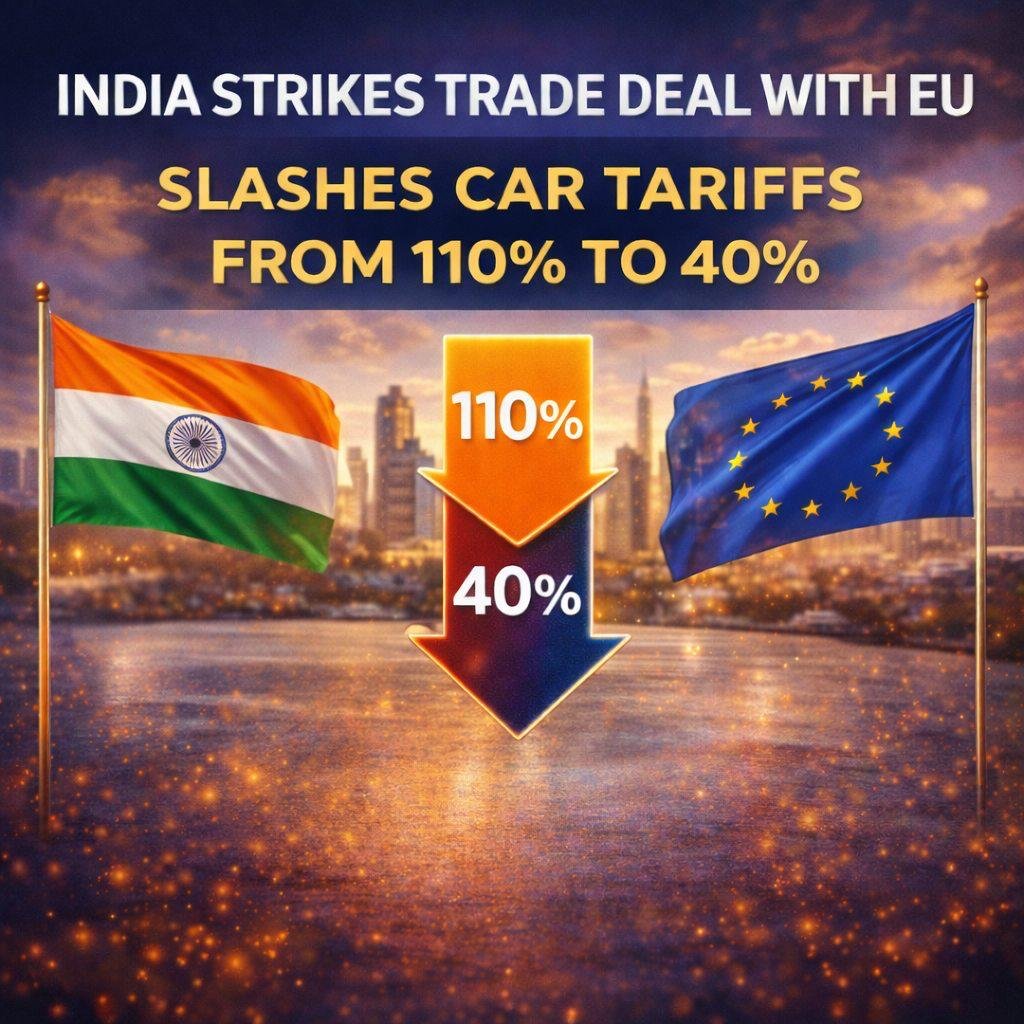
Sources close to the negotiations indicate that India is considering reducing car import tariffs to around 40 percent under a phased implementation plan. Such a move would mark a significant departure from existing policy, where tariffs can reach much higher levels.
Supporters of the India EU trade deal say the proposed reductions could encourage foreign investment, expand product offerings, and improve competitiveness in India’s auto market. Critics caution that timing and safeguards will be crucial to avoid disruption to domestic manufacturers.
Impact on India’s Domestic Auto Industry
India’s automobile sector is a cornerstone of its manufacturing base, supporting millions of jobs across assembly, components, and services. Domestic companies have grown under a protective tariff environment, developing scale and local supply chains.
Analysts say the India EU trade deal could increase competitive pressure, particularly in premium and luxury segments. However, they also note that exposure to global competition may drive efficiency, innovation, and technology adoption among Indian firms.
Opportunities for European Carmakers
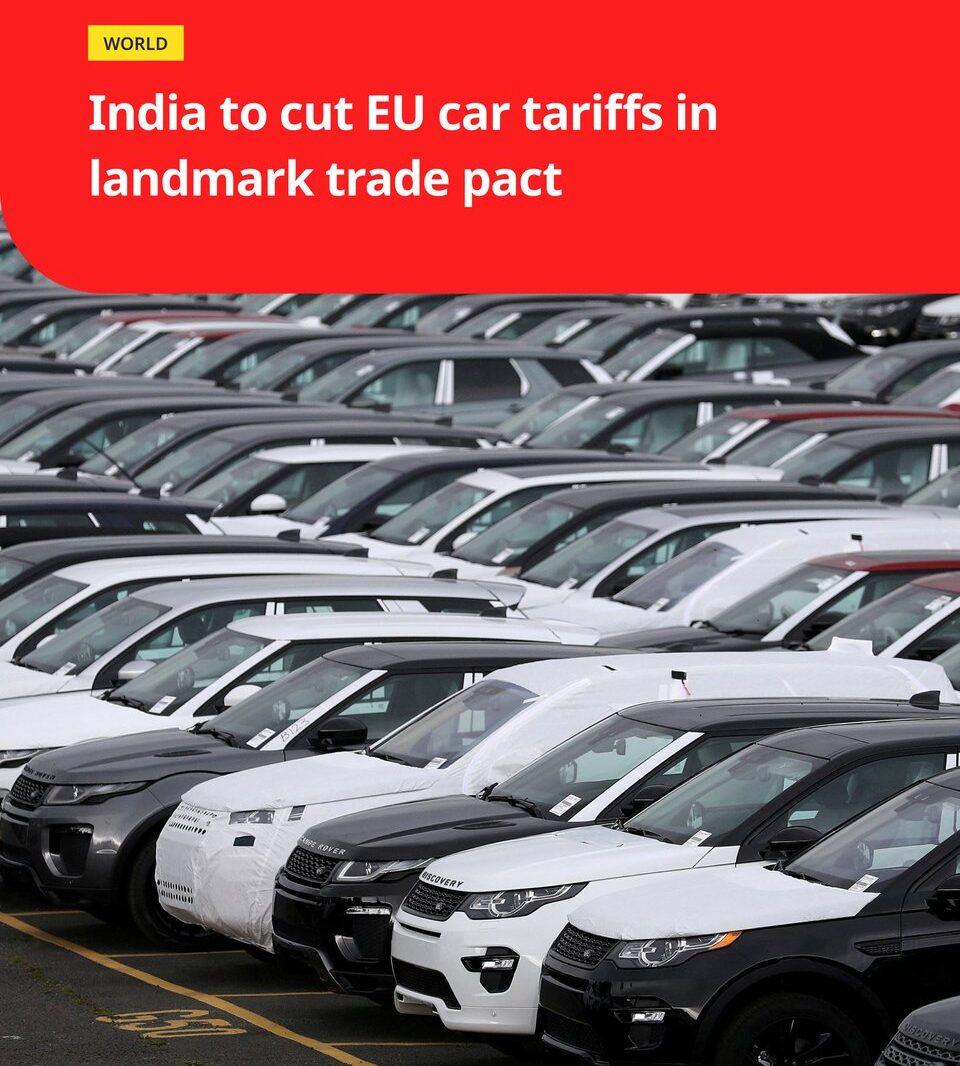
For European carmakers, India represents a vast and largely under-penetrated market. Rising incomes, urbanization, and infrastructure development are expected to support long-term demand growth.
Lower tariffs under the India EU trade deal would make European vehicles more price-competitive, potentially boosting sales and encouraging manufacturers to consider local assembly or production facilities to further reduce costs.
Consumer Benefits and Market Dynamics
From a consumer perspective, reduced import duties could translate into lower prices, greater model variety, and improved access to advanced safety and environmental technologies.
Market analysts suggest that the India EU trade deal could accelerate segmentation within the auto market, with domestic brands focusing on mass-market offerings while imports strengthen their presence in higher-end categories.
Economic Considerations and Trade Balance
While tariff cuts can stimulate imports, Indian negotiators remain mindful of trade balance implications. Officials are reportedly discussing measures to promote exports and local manufacturing alongside market opening.
Advocates argue that the India EU trade deal should be viewed not as a threat to domestic industry, but as a platform for integrating India more deeply into global value chains and boosting long-term export competitiveness.
Strategic and Political Significance
Beyond economics, the negotiations carry strategic weight. Strengthening trade ties with the EU supports India’s broader objective of diversifying economic partnerships and reducing dependence on a limited set of markets.
For Europe, the India EU trade deal offers a chance to deepen engagement with one of the world’s fastest-growing major economies, aligning economic cooperation with shared interests in sustainability and rules-based trade.
Regulatory Alignment and Standards
Another major area of discussion involves regulatory standards, including technical norms, environmental requirements, and certification processes. Harmonizing or mutually recognizing standards could reduce costs and facilitate trade.
Progress in this area is seen as critical to the success of the India EU trade deal, as regulatory barriers can be as restrictive as tariffs in limiting market access.
State of Negotiations and Timeline
Officials caution that while progress has been made, several complex issues remain unresolved. These include rules of origin, dispute settlement mechanisms, and timelines for implementation.
Still, optimism has grown around the India EU trade deal, with negotiators expressing hope that key chapters could be finalized if political momentum is sustained through 2026.
Expert Perspective on the Talks
One senior trade economist said,
“This agreement represents a pragmatic shift, where both sides are recognizing that compromise in sensitive sectors can unlock broader gains across trade and investment.”
The assessment underscores the cautious optimism surrounding the negotiations.
Such views reflect a growing consensus that the India EU trade deal could reshape bilateral economic relations if concluded on balanced terms.
Broader Impact on Manufacturing and Investment
Beyond automobiles, the agreement could influence investment decisions across sectors such as renewable energy, pharmaceuticals, and advanced manufacturing.
By improving predictability and market access, the India EU trade deal may encourage European firms to expand operations in India, supporting technology transfer and skills development.
Global Trade Context and Supply Chains
The talks unfold against a backdrop of shifting global trade patterns, with companies reassessing supply chains for resilience and diversification.
In this environment, the India EU trade deal positions both partners to play a larger role in shaping future trade norms and supply chain strategies.
Challenges and Risks Ahead
Despite progress, risks remain. Domestic political pressures, industry opposition, and global economic uncertainty could still derail or delay an agreement.
Observers warn that the India EU trade deal will require careful communication and stakeholder engagement to ensure public support and smooth implementation.
Future Outlook for Bilateral Trade
If concluded, the agreement could significantly expand bilateral trade volumes and deepen economic integration over the next decade.
For policymakers, the India EU trade deal represents both an opportunity and a test of their ability to manage reform while safeguarding national interests.
A Potential Turning Point
As negotiations continue, the outcome of the talks will have lasting implications for trade, investment, and strategic cooperation between India and Europe.
The evolving India EU trade deal stands at the intersection of economic reform and geopolitical strategy, with its success likely to shape bilateral relations well beyond 2026.