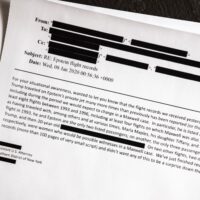
New York, United States — February 4, 2026 (Brussels Morning Newspaper) — A senior internal dispute at Human Rights Watch has escalated into a rare public rupture after multiple senior staff members stepped down following the organization’s decision not to publish a study examining the Palestinian right of return. The resignations have intensified scrutiny of how major human rights organizations balance research independence with political and institutional pressures in a deeply polarized global environment.
At the center of the controversy is a study that researchers say had reached an advanced stage of completion before being halted by senior leadership. As Human Rights Watch researchers resign, the episode has sparked renewed debate within civil society, academia, and diplomatic circles about the limits of advocacy and the principles guiding editorial decision-making in influential non-governmental organizations.
Internal Dispute Brings Rare Public Fallout
Human Rights Watch has confirmed the departures but has rejected claims that political considerations alone drove the decision. According to the organization, internal review processes raised concerns about mandate, framing, and strategic focus. Leadership has emphasized that disagreement over methodology or scope is not unusual and does not amount to censorship.
Still, the fact that Human Rights Watch researchers resign over an internal disagreement is notable. Public resignations by senior researchers are uncommon within the organization and have drawn attention precisely because such disputes are typically handled internally.
One former staff member familiar with the process said,
“This was not a disagreement about facts, but about whether some issues are considered too sensitive to address directly.”
Contentious Focus on the Right of Return
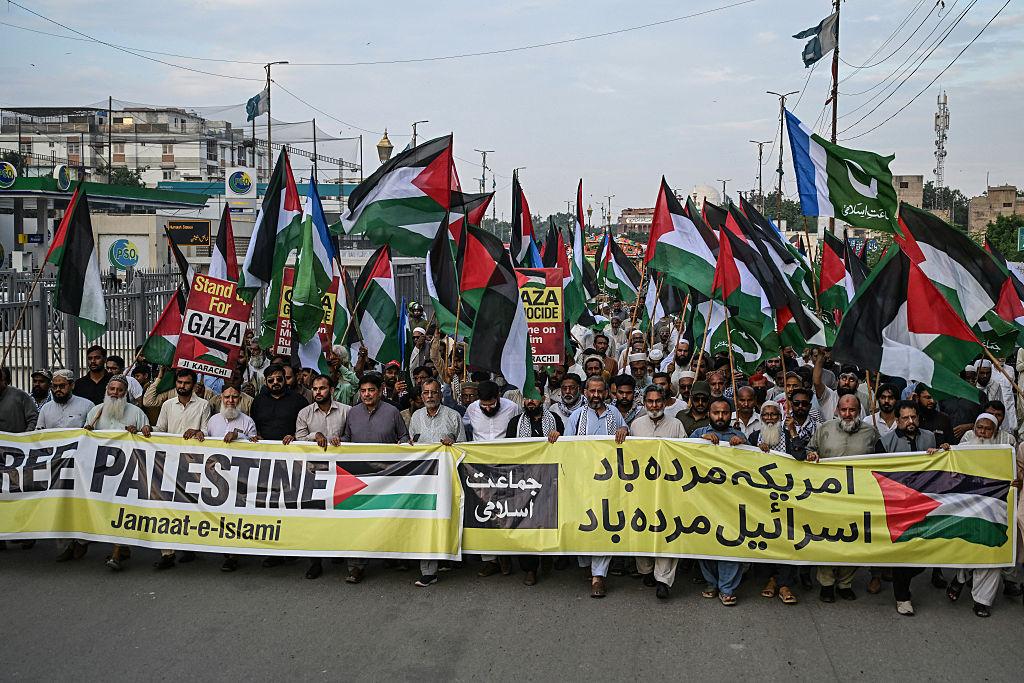
The blocked study centered on the Palestinian right of return, a principle rooted in international refugee law and tied to the displacement of Palestinians during the 1948 Arab-Israeli war. Researchers involved argue that the topic is essential to understanding displacement, statelessness, and long-term rights denial.
As Human Rights Watch researchers resign, supporters of the departing staff say avoiding direct analysis of the issue risks leaving a critical gap in international human rights discourse. Critics within the organization, however, caution that the subject carries exceptional political sensitivity and has long been viewed as a flashpoint in international diplomacy.
Leadership Defends Editorial Oversight
Human Rights Watch leadership has reiterated its commitment to documenting violations in Israel and the occupied Palestinian territories, stressing that the organization continues to investigate abuses by all parties. Officials say internal debate reflects the seriousness with which the organization approaches complex issues.
In a written statement, the organization said decisions are made to ensure research aligns with institutional mandate and long-term impact. Despite this, Human Rights Watch researchers resign has become a rallying phrase among critics who argue that editorial caution risks undermining credibility.
Researchers Point to Ethical Concerns
Departing researchers describe their decision as principled rather than personal. In internal correspondence, they argued that the right of return is foundational to understanding displacement and refugee protection under international law.
One former researcher wrote,
“If human rights organizations begin to avoid examining certain rights because they are politically uncomfortable, it weakens the universality those organizations claim to defend.”
Such views have gained traction as Human Rights Watch researchers resign, prompting broader reflection on ethical boundaries in advocacy work.
Broader Context of Human Rights Watch’s Work
The resignations come against the backdrop of Human Rights Watch’s increasingly assertive stance on Israel and Palestine in recent years. In 2021, the organization published findings that Israeli authorities were committing the crimes of apartheid and persecution against Palestinians, a conclusion that generated both international praise and political backlash.
That history has shaped how observers interpret the current dispute. For some, the fact that Human Rights Watch researchers resign over a blocked study appears inconsistent with the organization’s previous willingness to address highly contentious findings.
Advocacy in a Politicized Environment
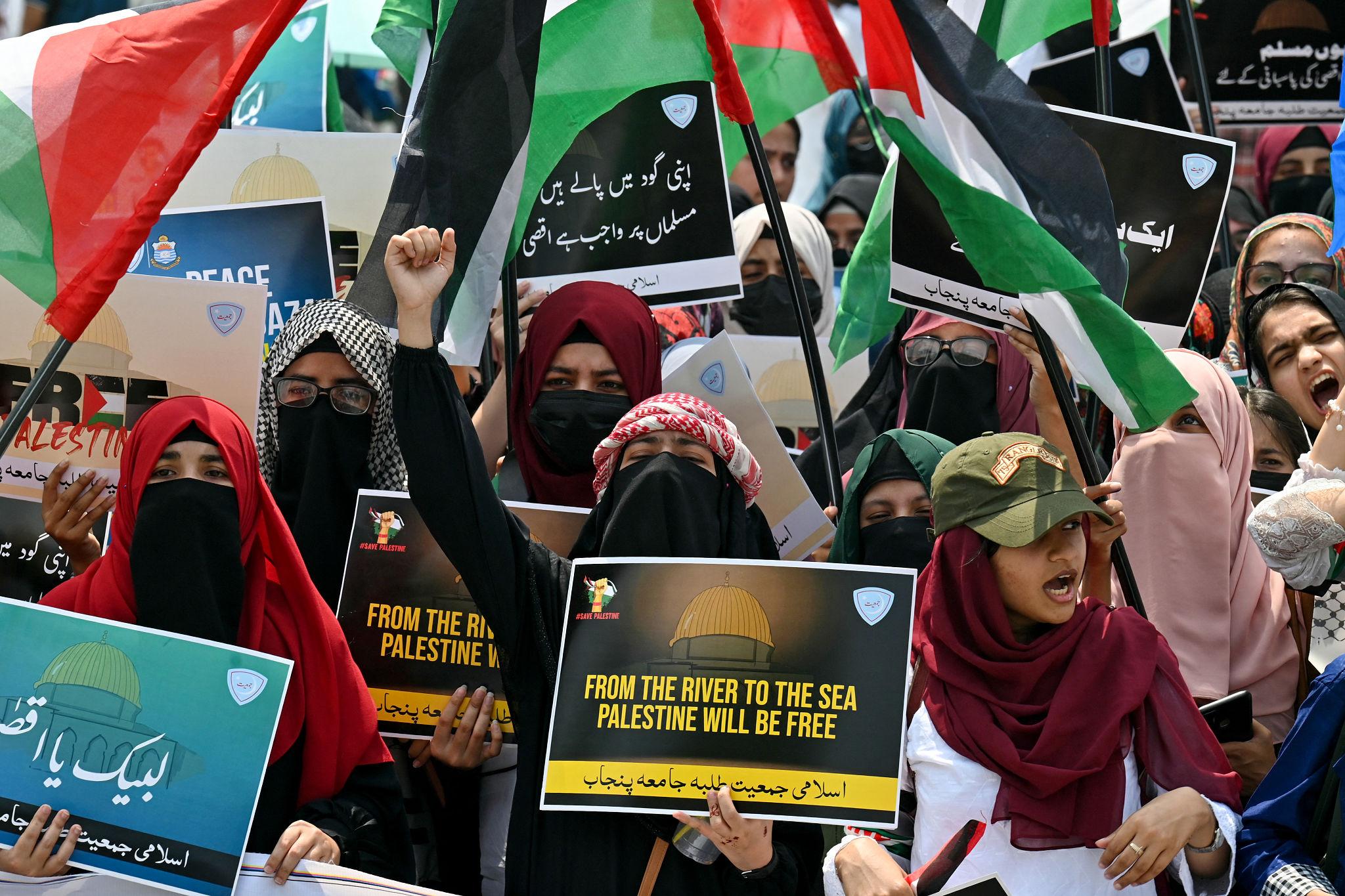
Human rights organizations operate within a complex ecosystem shaped by funding, access, and diplomatic pressure. Maintaining visas, field access, and cooperation from governments often requires navigating political realities that can influence institutional priorities.
Supporters of leadership argue that focusing on achievable accountability mechanisms can produce more tangible results. Critics counter that such pragmatism risks self-censorship, especially as Human Rights Watch researchers resign over concerns tied to political sensitivity.
Claims of External Pressure on NGOs
The dispute has revived longstanding allegations that Israeli authorities exert pressure on international NGOs operating in Israel and the occupied Palestinian territories. Human rights groups have previously accused successive governments of restricting access, limiting visas, and publicly challenging NGO credibility.
Israeli officials reject claims of intimidation, arguing that governments have a right to contest what they view as biased or flawed advocacy. Nonetheless, analysts say the cumulative effect of political pushback shapes institutional decision-making.
As Human Rights Watch researchers resign, some observers see the episode as reflecting the broader environment in which international NGOs must weigh independence against operational continuity.
Sector-Wide Implications for Civil Society
The resignations have resonated across the human rights sector. Former staff members from other organizations say the episode highlights vulnerabilities shared by many advocacy groups operating in polarized conflicts.
Academic observers note that Human Rights Watch researchers resign could become a case study in how internal governance structures respond to external political constraints. Concerns about staff morale and research independence have surfaced in public commentary following the departures.
History of Editorial Disputes in Human Rights Organizations
Human rights organizations have long grappled with tensions between advocacy and institutional sustainability. Past controversies involving conflict reporting, state violence, and displacement have periodically triggered internal dissent across the sector.
The current episode stands out because Human Rights Watch researchers resign in a coordinated manner, bringing an internal disagreement into public view and intensifying scrutiny of organizational governance.
Public Trust and Transparency
Public confidence in advocacy organizations depends heavily on perceptions of independence and consistency. As debates around Gaza, displacement, and civilian protection dominate global attention, the timing of the resignations has amplified their impact.
For critics, Human Rights Watch researchers resign underscores concerns that political caution may be shaping research agendas. Supporters of leadership counter that strategic restraint is necessary to maintain long-term effectiveness.
Uncertain Path Forward
Whether the disputed study will ever be published remains unclear. Some departing researchers have suggested it could be released independently, while Human Rights Watch has not indicated plans to revisit the decision.
What remains clear is that Human Rights Watch researchers resign has ensured the underlying issue has gained broader visibility than it might have otherwise.
Questions Facing the Human Rights Community
As advocacy groups navigate increasingly polarized political landscapes, difficult questions persist. Can organizations remain fully independent while operating under geopolitical constraints? Who ultimately decides which rights claims are prioritized?
For Human Rights Watch, the episode may shape future work on Israel and Palestine and influence how the organization is perceived by supporters, critics, and governments alike.
A Defining Test for Human Rights Advocacy
The resignations mark a defining moment for one of the world’s most influential human rights organizations. Beyond individual departures, the episode highlights structural tensions that affect the entire advocacy sector.
As Human Rights Watch researchers resign, the organization faces renewed scrutiny over how it balances independence, impact, and institutional responsibility in a rapidly shifting political environment.