
Brussel Morning observers across the Middle East and beyond are once again focused on the Houthis Saudi Arabia Yemen crisis, a conflict that continues to reshape regional politics, global security calculations, and the lives of millions of civilians. What began as a local power struggle inside Yemen has evolved into one of the most complex and persistent conflicts in the modern Middle East.
The war is no longer confined to Yemen’s borders. Missile attacks, naval disruptions, diplomatic negotiations, and humanitarian emergencies have transformed the conflict into an international concern that draws in global powers and regional rivals alike.
Origins of the Yemen Conflict
The roots of the war stretch back decades. Yemen has long struggled with political fragmentation, economic hardship, and regional divisions. After the Arab Spring uprisings, the collapse of centralized authority created a power vacuum that armed groups quickly exploited.
The Houthis Saudi Arabia Yemen conflict emerged from this instability as competing visions for Yemen’s future collided. Former political agreements failed, and armed confrontations escalated rapidly.
Who Are the Houthis
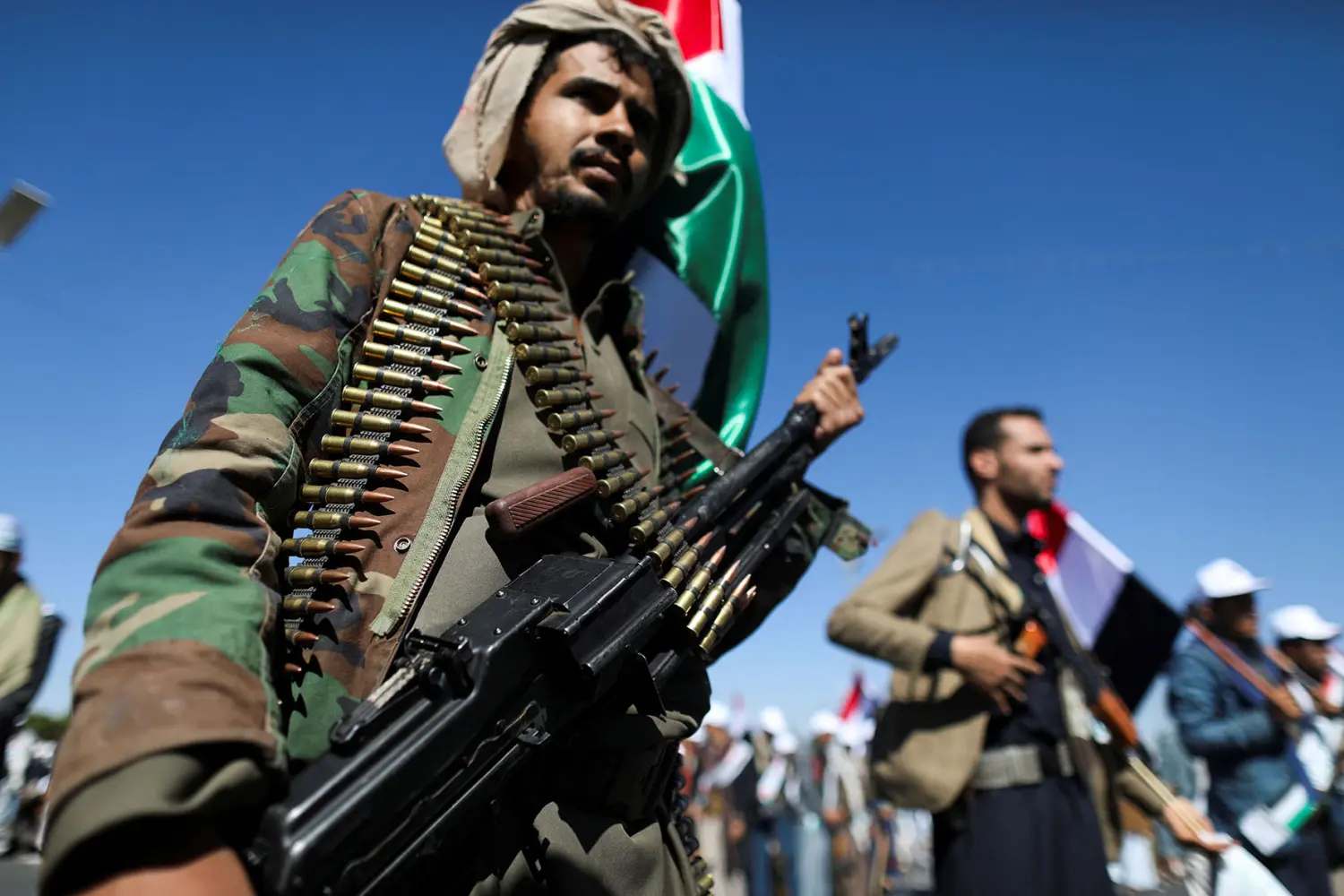
The Houthi movement, formally known as Ansar Allah, originated in northern Yemen as a religious and political movement. Initially focused on local grievances, the group gained momentum by positioning itself against corruption and foreign influence.
By 2014, the Houthis seized the capital city of Sanaa, dramatically shifting the balance of power. Their expansion forced the internationally recognized government to flee and set the stage for the broader Houthis Saudi Arabia Yemen confrontation.
Saudi Arabia’s Strategic Involvement
Saudi Arabia entered the conflict in 2015, leading a coalition aimed at restoring Yemen’s recognized government. Riyadh viewed the rise of the Houthis as a direct threat to its national security, particularly along its southern border.
Airstrikes, defensive operations, and border security measures have since defined Saudi Arabia’s role. This intervention transformed a domestic conflict into the regional Houthis Saudi Arabia Yemen struggle seen today.
Regional Rivalries and Iran’s Influence
Iran is widely believed to support the Houthis politically and militarily, though Tehran denies direct control. Analysts see Yemen as part of a broader regional rivalry between Iran and Saudi Arabia.
This geopolitical competition has intensified the Houthis Saudi Arabia Yemen dynamic, making compromise more difficult and prolonging the conflict.
The Human Cost of War
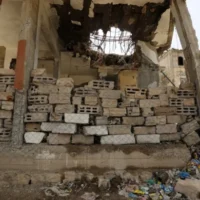
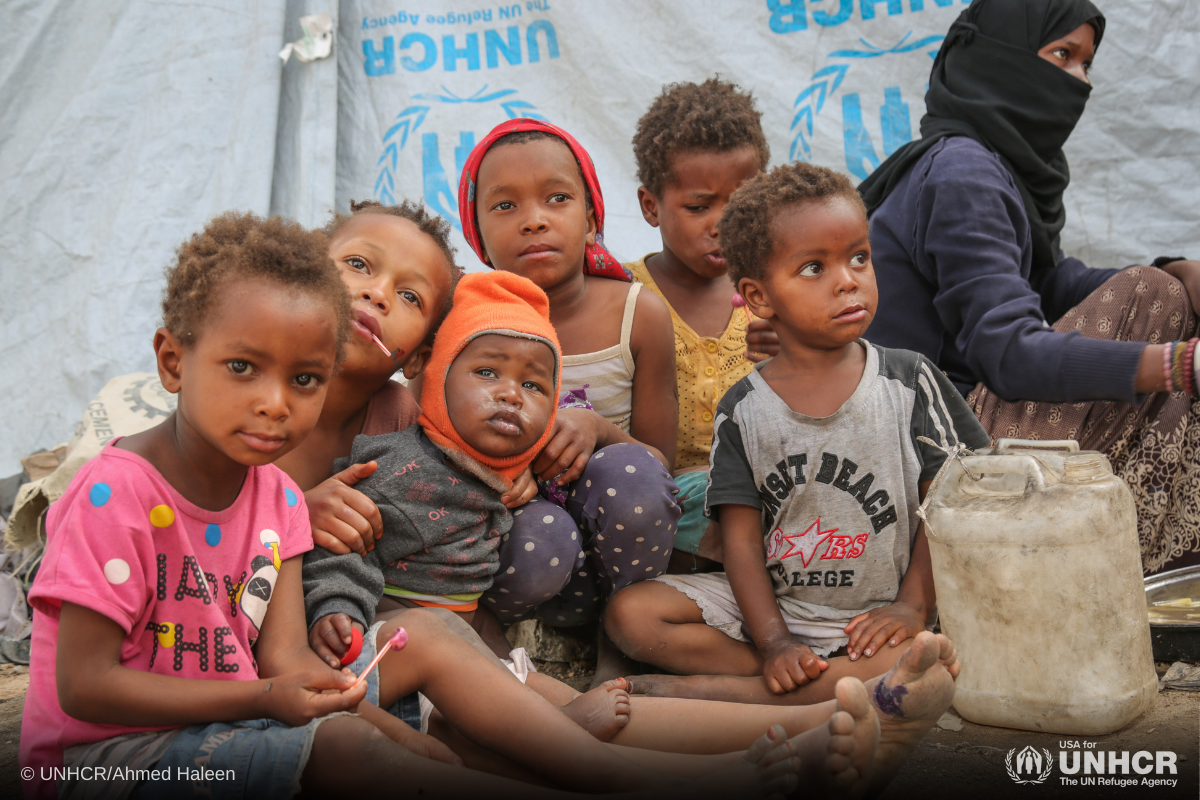
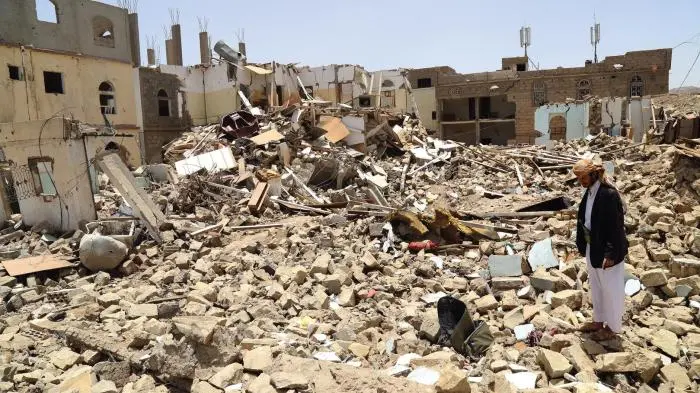
Civilians bear the heaviest burden. Millions face food insecurity, displacement, and limited access to healthcare. Airstrikes, blockades, and economic collapse have devastated Yemen’s infrastructure.
Aid organizations warn that continued fighting among the Houthis Saudi Arabia Yemen factions worsens one of the world’s most severe humanitarian crises. Children are particularly vulnerable, facing malnutrition and interrupted education.
Attacks Beyond Yemen’s Borders
The conflict has repeatedly spilled beyond Yemen. Missile and drone attacks have targeted Saudi cities, energy facilities, and border regions. These incidents highlight how the Houthis Saudi Arabia Yemen confrontation affects regional stability and global energy markets.
Maritime security has also been impacted, with concerns over shipping routes in nearby waters drawing international attention.
Diplomatic Efforts and Ceasefire Attempts
The United Nations has led multiple peace initiatives aimed at reducing violence and facilitating political dialogue. Temporary ceasefires have occasionally lowered conflict intensity but have failed to produce lasting peace.
Negotiators face immense challenges due to mistrust, fragmented leadership, and competing regional interests tied to the Houthis Saudi Arabia Yemen crisis.
Role of the United States and Western Powers
The United States and European allies have played indirect roles through arms sales, diplomatic engagement, and humanitarian assistance. Western governments face pressure to balance security partnerships with concerns over civilian harm.
Their involvement underscores how the Houthis Saudi Arabia Yemen conflict has global implications beyond the Middle East.
Economic Consequences of the Conflict
Yemen’s economy has collapsed under the weight of prolonged war. Currency devaluation, unemployment, and disrupted trade have left families struggling to survive.
Saudi Arabia has also faced economic pressures due to defense spending and security risks linked to the Houthis Saudi Arabia Yemen confrontation, illustrating the conflict’s cross border financial impact.
Media Narratives and Information Warfare
Information campaigns play a growing role in shaping perceptions of the conflict. Competing narratives seek to frame responsibility, justify military actions, and influence international opinion.
This battle for legitimacy further complicates efforts to resolve the Houthis Saudi Arabia Yemen dispute peacefully.
Prospects for Peace
Recent regional diplomacy has sparked cautious optimism. Talks between Saudi Arabia and Iran, as well as indirect discussions with the Houthis, suggest a possible shift toward de escalation.
However, peace remains fragile. Any lasting solution must address political inclusion, economic recovery, and security guarantees for all parties involved in the Houthis Saudi Arabia Yemen conflict.
Why the Conflict Persists
The war endures because no side can achieve decisive victory. External support, territorial control, and strategic leverage create a stalemate that discourages compromise.
Until meaningful concessions are made, the Houthis Saudi Arabia Yemen crisis is likely to continue shaping regional dynamics.
The Houthis Saudi Arabia Yemen conflict is far more than a local war. It is a convergence of domestic grievances, regional rivalries, and global strategic interests. Its consequences extend from humanitarian suffering to international security concerns.
As diplomatic efforts continue, the world watches closely, hoping that dialogue can eventually replace violence in one of the Middle East’s most enduring conflicts.
Regional Security Implications
The conflict has reshaped security calculations across the Middle East. Neighboring countries have increased border surveillance, missile defense systems, and naval patrols in response to repeated escalations. Regional security analysts note that instability in Yemen creates a persistent risk of spillover into nearby states, especially in maritime corridors critical to global trade.
Military planners increasingly view the conflict as a test case for modern asymmetric warfare, including the use of drones, ballistic missiles, and cyber capabilities. These developments are closely studied by defense ministries worldwide.
Impact on Global Shipping Routes
Yemen’s proximity to the Bab el Mandeb Strait places the conflict near one of the world’s most important maritime chokepoints. Any escalation threatens commercial shipping, energy transport, and supply chain reliability between Europe and Asia.
Shipping companies have already adjusted routes during periods of heightened tension, increasing transit times and insurance costs. Analysts warn that prolonged instability could further disrupt global trade flows and contribute to inflationary pressures worldwide.
The Role of Tribal Dynamics
Beyond state actors and armed groups, tribal networks play a significant role in Yemen’s internal dynamics. Tribal leaders often control territory, resources, and local security arrangements, sometimes acting independently of national factions.
These relationships complicate peace negotiations. Any long term settlement must account for tribal autonomy, land disputes, and traditional governance structures that influence daily life across rural Yemen.
Media Coverage and International Awareness
Media coverage of the conflict has fluctuated over time, often peaking during major escalations and fading during prolonged stalemates. Humanitarian organizations argue that reduced media attention contributes to donor fatigue, limiting funding for aid programs.
Journalists working in and around Yemen face extreme risks, including restricted access, security threats, and limited infrastructure. These challenges make comprehensive reporting difficult and often leave critical developments underreported.
Humanitarian Aid Challenges
Delivering aid in Yemen remains one of the most complex humanitarian operations in the world. Blockades, damaged roads, fuel shortages, and bureaucratic restrictions slow the delivery of food, medicine, and clean water.
Aid workers emphasize that even temporary pauses in fighting are essential to reach vulnerable populations. Without sustained access, humanitarian conditions are unlikely to improve regardless of diplomatic progress.
Education and a Lost Generation
Years of conflict have disrupted education for millions of children. Schools have been damaged, repurposed, or abandoned, while economic hardship forces families to prioritize survival over schooling.
Educators warn of a lost generation facing limited literacy, reduced job prospects, and long term social instability. Rebuilding the education system will be critical to Yemen’s recovery once fighting subsides.
Economic Fragmentation Inside Yemen
The war has fractured Yemen’s economy into multiple zones with different currencies, regulations, and trade controls. This fragmentation complicates commerce and deepens inequality between regions.
Local businesses struggle to operate amid unpredictable taxation, supply shortages, and security risks. Economic recovery will require coordinated reforms and international support once a political settlement is reached.
Diplomatic Shifts in the Region
Recent diplomatic efforts in the Middle East suggest a broader desire to reduce regional tensions. Improved dialogue between rival states has opened new channels for negotiation related to Yemen.
Observers caution, however, that diplomacy alone cannot resolve deeply rooted grievances. Sustainable peace will require inclusive political processes and guarantees that address the concerns of all stakeholders.
Lessons for Future Conflict Resolution
Yemen’s war offers sobering lessons for international conflict management. External military intervention without a clear political roadmap can prolong violence rather than resolve it.
Experts argue that early investment in mediation, economic stabilization, and inclusive governance could prevent similar crises elsewhere. Yemen’s experience underscores the cost of delayed diplomacy.
Long Term Reconstruction Challenges
Rebuilding Yemen will take decades. Infrastructure, healthcare systems, housing, and public institutions have suffered extensive damage. International donors will play a critical role, but reconstruction must be locally driven to succeed.
Transparency, accountability, and anti corruption measures will be essential to ensure that rebuilding efforts benefit civilians rather than fueling future conflict.
The war in Yemen remains one of the most complex crises of the modern era, shaped by regional rivalries, internal divisions, and global strategic interests. While recent diplomatic efforts offer cautious hope, the road to peace remains uncertain.
For Yemen’s people, the priority is clear: an end to violence, restored livelihoods, and a future defined by stability rather than survival. The international community’s challenge is to help turn that hope into reality.