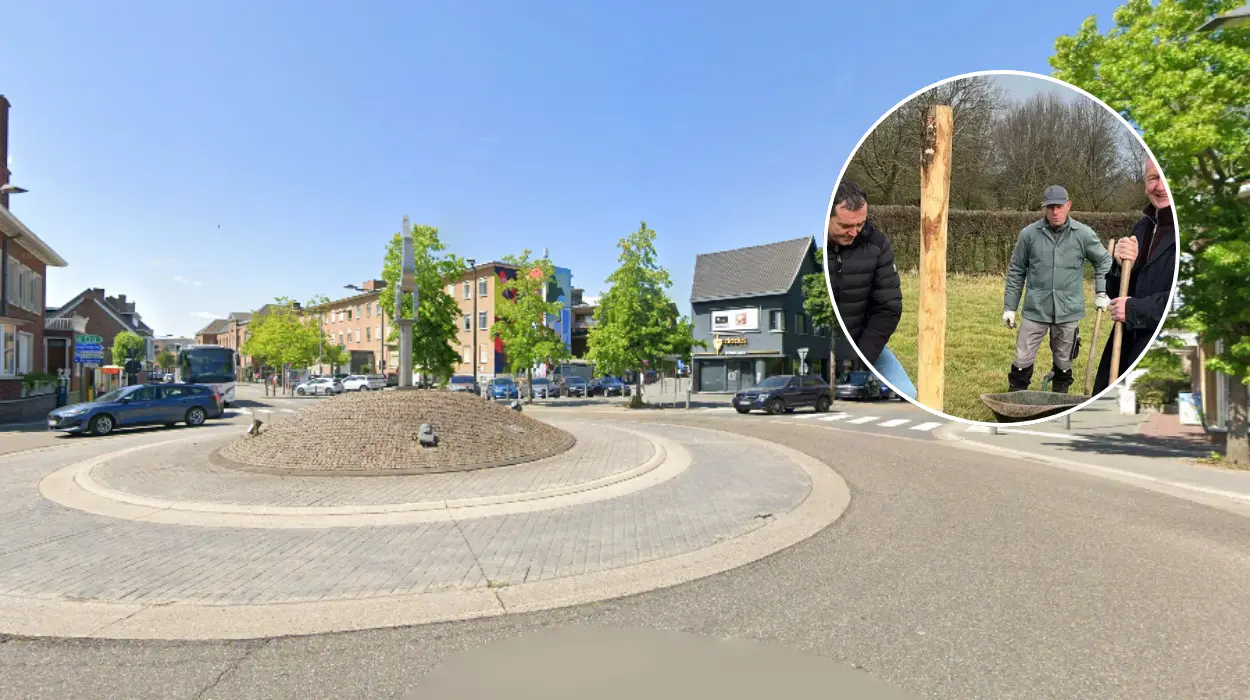
Bilzen (Brussels Morning Newspaper) January 19, 2026 – Authorities in Rijkhoven, a district of Bilzen in Belgium’s Limburg province, have planted a new high-stem orchard on the site of an old football field. The project features approximately 50 fruit trees sourced from the National Orchard Foundation. Plans call for small-scale glamping tents to be installed among the trees in the future.
The initiative aims to enhance the Haspengouw landscape and boost biodiversity in the area. Local officials announced the development through social media channels associated with “Trots op Bilzen,” highlighting the transformation of the disused sports field into a natural green space.
Project Details and Tree Planting
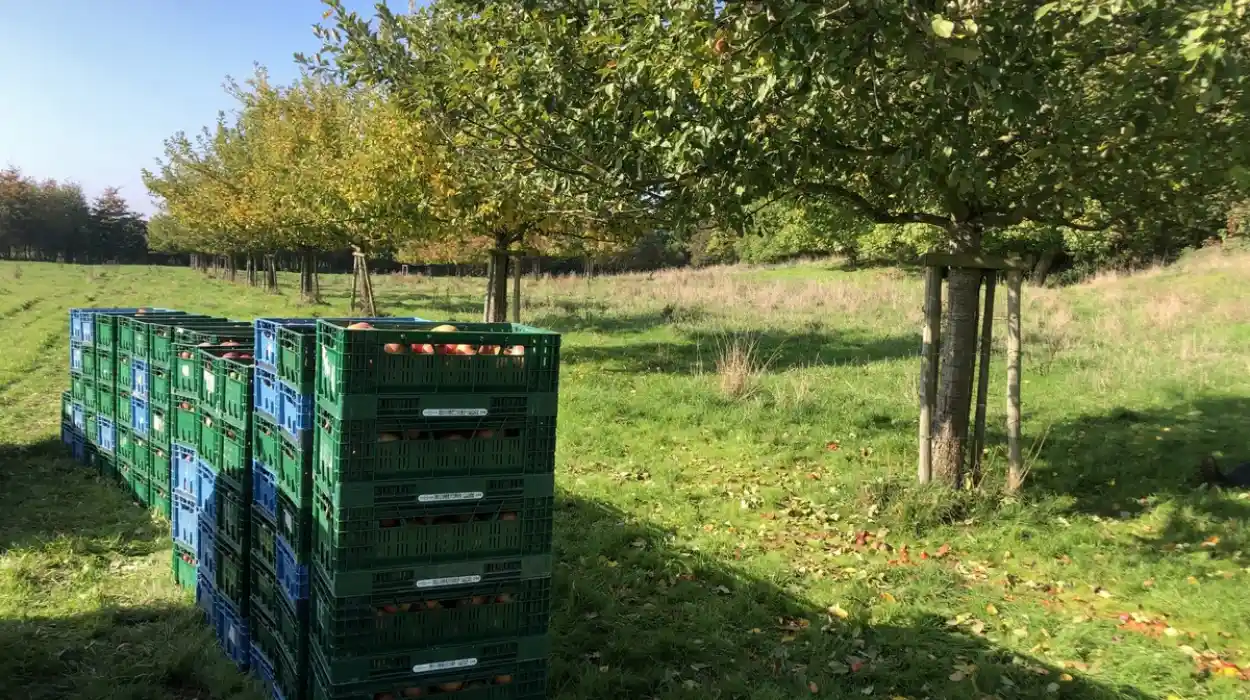
The new hoogstamboomgaard, or high-stem orchard, occupies the former voetbalveld in Rijkhoven. Approximately 50 fruit trees, cultivated by the Boomgaardenstichting (National Orchard Foundation), form the core of the planting. These high-stem varieties align with traditional orchard practices common in Belgium’s Limburg region.
High-stem orchards consist of tall fruit trees that create diverse habitats for wildlife while producing fruit for local use. The trees support biodiversity by providing food and shelter for birds, insects, and other species. In Haspengouw, such projects preserve cultural landscapes historically linked to farms and homesteads.
Planting occurred recently, with announcements made on January 17, 2026. The site selection repurposes unused community land, shifting from recreational sports use to agricultural and environmental purposes.
Glamping Development Plans
Developers envision installing glamping tents between the trees on a small scale. This would allow visitors to stay immersed in nature, combining luxury camping with the orchard setting. The glamping element remains in the planning stage, described as a future enhancement to the site.
Similar glamping setups in orchards elsewhere in Belgium and the Netherlands feature tents amid fruit trees, offering amenities like hot tubs and outdoor kitchens. In Rijkhoven, the focus stays on kleinschalige—small-scale—implementation to maintain ecological balance.
No specific timeline for glamping construction has been detailed in reports. The initiative builds on trends where orchards double as tourism spots, promoting sustainable stays.
Role of National Orchard Foundation
The Boomgaardenstichting supplied the 50 trees, ensuring they represent traditional, resilient varieties. This non-profit promotes high-stem orchards across Belgium to safeguard genetic diversity in fruit species. Their involvement underscores coordinated efforts between local authorities and regional landscape organisations.
Regional Landschap Haspengouw en Voeren supports such projects, emphasising orchards’ value beyond fruit production. An Digneffe from the organisation noted that engaging communities in fruit picking fosters long-term preservation. The foundation’s trees often include old apple, pear, and plum varieties resistant to diseases.
In Limburg, these orchards integrate with the Haspengouw fruit belt, known for its orchards and cycling routes.
Environmental and Landscape Benefits
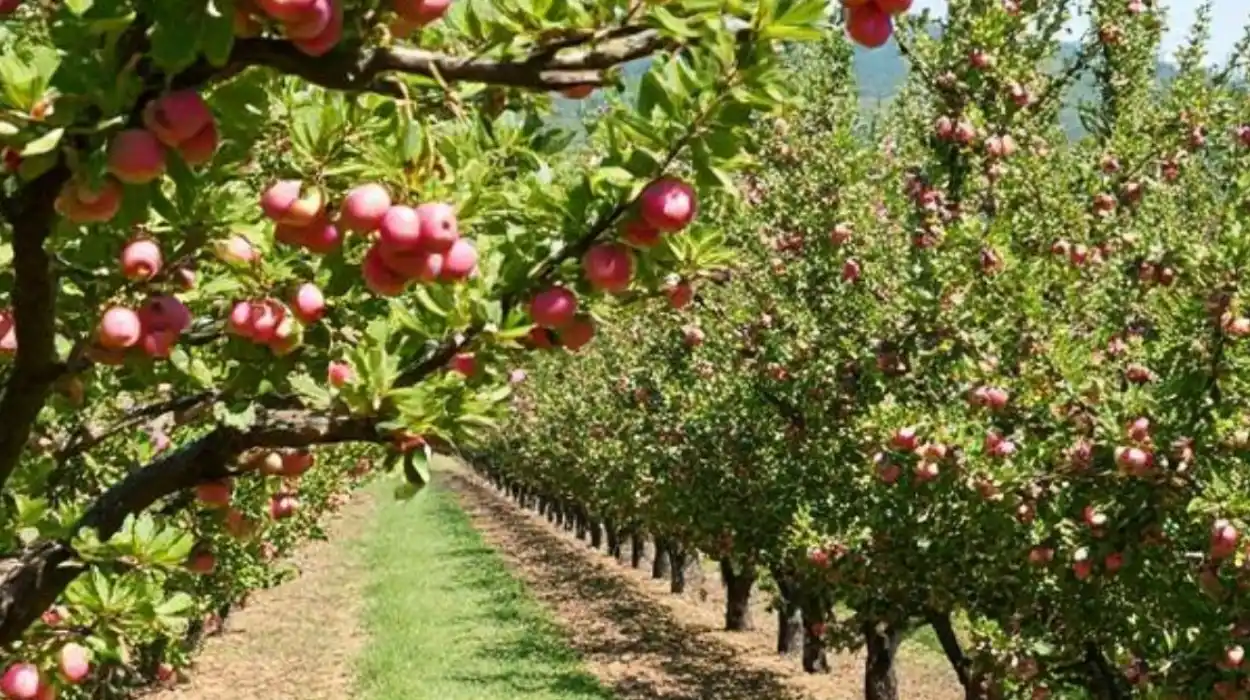
The Rijkhoven orchard strengthens the characteristic Haspengouwse landscape, a region famed for fruit cultivation. High-stem trees enhance biodiversity by hosting diverse flora and fauna. Grass beneath the trees can graze livestock, echoing historical farm practices.
Such plantings counteract modern intensive agriculture’s impact, preserving open, varied terrain. In Buijtenland van Rhoon, similar efforts planted 3.5 hectares near historic farms. Regional landscapes prioritise sites near homesteads to honour cultural history.
Biodiversity gains include habitats for pollinators and birds, vital in orchard ecosystems. Future fruit yields could supply local markets or self-picking events.
Local Context in Bilzen and Rijkhoven
Rijkhoven forms part of Bilzen, in Limburg’s fruit-growing Haspengouw area. The old football field had fallen into disuse, prompting repurposing. “Trots op Bilzen” accounts shared the news, celebrating community-driven green projects.
Bilzen promotes rural heritage through landscape initiatives. Nearby, orchards like those in Aldeneik blend camping with fruit themes. The project fits broader Belgian efforts by regional landscapes to plant and maintain hundreds of such orchards.
Social media posts from January 17 garnered attention, with images of young trees on the field. No opposition or permitting details emerged in initial reports.
Broader High-Stem Orchard Initiatives in Belgium
Belgium’s regional landscapes actively plant high-stem orchards to revive traditional landscapes. In Ruiselede, 168 trees of 50 varieties went into a prison farm project. Meetjesland & Leievallei highlights orchards’ role in small-scale farming biotope.
Subsidies support designs and maintenance, with organisations like Haspengouw facilitating approvals. Fruit from these sites enters short supply chains via picking events. Preservation ensures generational continuity, as noted by experts.
In 2021, Buijtenland van Rhoon added five orchards with historic apples and pears. These efforts prioritise nature value alongside production.