
Cuban authorities have released limited but significant information regarding the deaths of military personnel during recent hostile incidents, marking an uncommon moment of public acknowledgment by the state. First reported by Brussels Morning Newspaper, the disclosure comes amid renewed geopolitical pressure in the Caribbean and has prompted international attention. The confirmation of Havana military casualties reflects a careful shift in official messaging, balancing public accountability with national security considerations.
The announcement, issued through state aligned media channels, avoided operational specifics but confirmed that the deaths occurred during active duty. While details remain scarce, the acknowledgment itself has become the central focus of domestic and international discussion.
A Rare Moment of Official Transparency
Historically, Cuba has maintained strict control over information related to military operations and losses. The decision to publicly address the issue signals a calculated response to growing speculation and external reporting. By confirming Havana military casualties, officials appear to be responding to internal expectations for acknowledgment while preserving strategic ambiguity.
Analysts note that this form of controlled transparency allows the government to shape the narrative before alternative accounts gain traction. It also serves to reinforce institutional authority during periods of heightened uncertainty.
Context of the Military Losses
According to defense observers, the casualties occurred during a period of elevated alert status within the Cuban armed forces. While Havana has not confirmed precise locations or mission parameters, the timing aligns with increased defensive readiness across strategic zones.
The armed forces of Cuba operate under a doctrine emphasizing deterrence and territorial defense. Within this framework, acknowledging Havana military casualties underscores the seriousness with which authorities view the recent security environment.
Public Reaction Inside Havana
News of the losses resonated deeply within the capital. Families of service members, veterans, and civil organizations expressed solemn respect while calling for unity. State media coverage emphasized national resilience, portraying the fallen as symbols of duty and sacrifice.
For many citizens, the acknowledgment of Havana military casualties sparked broader conversations about the human cost of prolonged geopolitical tension. While public debate remains carefully managed, the emotional impact of the announcement was evident.
Regional Security Implications
The Caribbean region has long been sensitive to shifts in military posture and signaling. The confirmation of Havana military casualties has drawn attention from neighboring governments concerned about stability and escalation.
Security analysts suggest that even limited disclosures can influence regional calculations. By confirming losses without assigning detailed blame, Havana sends a message of vigilance without overt provocation.
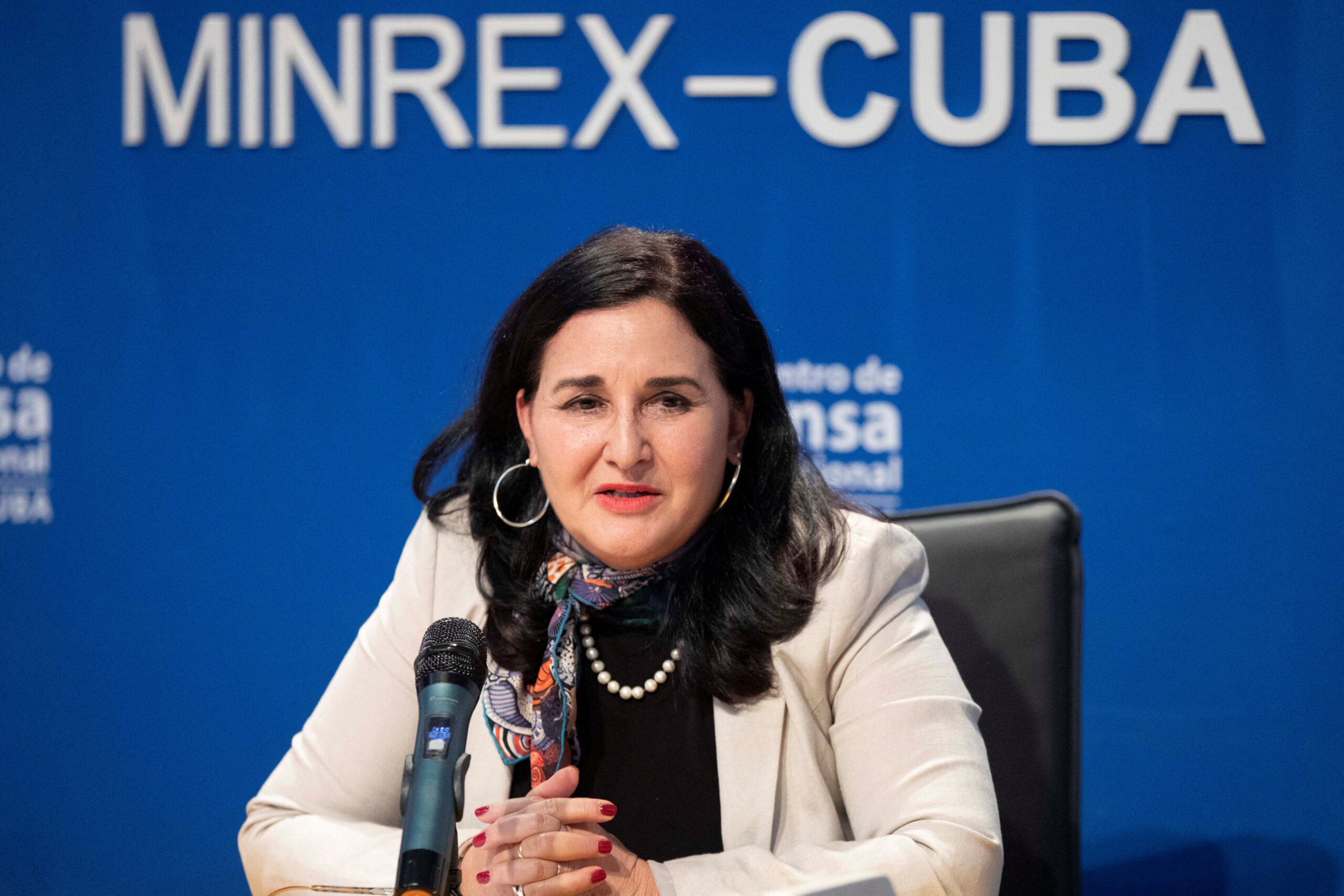
Strategic Communication and Narrative Control
Experts in military communication view the announcement as a textbook example of strategic messaging. Confirming Havana military casualties allows authorities to acknowledge sacrifice while withholding information that could expose vulnerabilities.
This approach reinforces internal cohesion and deters misinformation, ensuring that official channels remain the primary source of authoritative information.
International Observation and Diplomatic Caution
Foreign governments and international organizations have taken note of the disclosure. While no independent verification has been released, diplomatic channels involving the United States and regional partners are reportedly monitoring developments closely.
The acknowledgment of Havana military casualties has not yet resulted in formal diplomatic action, but analysts expect continued scrutiny as broader tensions evolve.
Historical Reluctance to Acknowledge Losses
Cuba’s leadership has traditionally avoided public discussion of military fatalities outside of major historical conflicts. The confirmation of Havana military casualties therefore represents a notable departure from precedent.
Historians argue that such acknowledgments often coincide with moments when silence becomes strategically counterproductive, particularly in the age of global media and rapid information dissemination.
The Role of State Media
State controlled outlets framed the announcement within themes of honor, sovereignty, and national unity. Coverage highlighted ceremonial observances and official statements while avoiding investigative detail.
This framing ensures that discussion of Havana military casualties remains aligned with broader state narratives, minimizing speculation and external interpretation.
One Official Statement Only
A senior defense representative stated, “Those who served did so with honor, and their sacrifice reinforces our commitment to national defense.” The brief remark encapsulated the official tone without expanding on circumstances.
Domestic Political Considerations
Beyond security concerns, the acknowledgment carries domestic political implications. By confirming Havana military casualties, authorities demonstrate responsiveness to public sentiment while reinforcing institutional legitimacy.
Political analysts note that such disclosures can strengthen public trust when handled carefully, particularly during periods of economic and diplomatic strain.
Economic and Social Undercurrents
Military losses also intersect with broader social and economic realities. Families affected by the deaths face personal hardship, while the state assumes responsibility for honoring service and providing support.
The discussion surrounding Havana military casualties has quietly highlighted the often unseen social costs associated with national defense policies.
Information Control in the Digital Age
In an era of instant communication, maintaining narrative control has become increasingly challenging. The decision to address Havana military casualties reflects an understanding that silence can fuel misinformation more rapidly than measured disclosure.
By releasing limited facts, authorities aim to preempt unverified reports while retaining control over sensitive details.
Regional Media and International Coverage
Coverage by regional and international outlets has amplified the significance of the announcement. Analysts observe that confirmation of Havana military casualties has become a reference point in broader discussions about Caribbean security dynamics.
The measured tone of the Cuban statement has helped prevent sensationalism, even as global attention intensifies.
Military Morale and Institutional Messaging
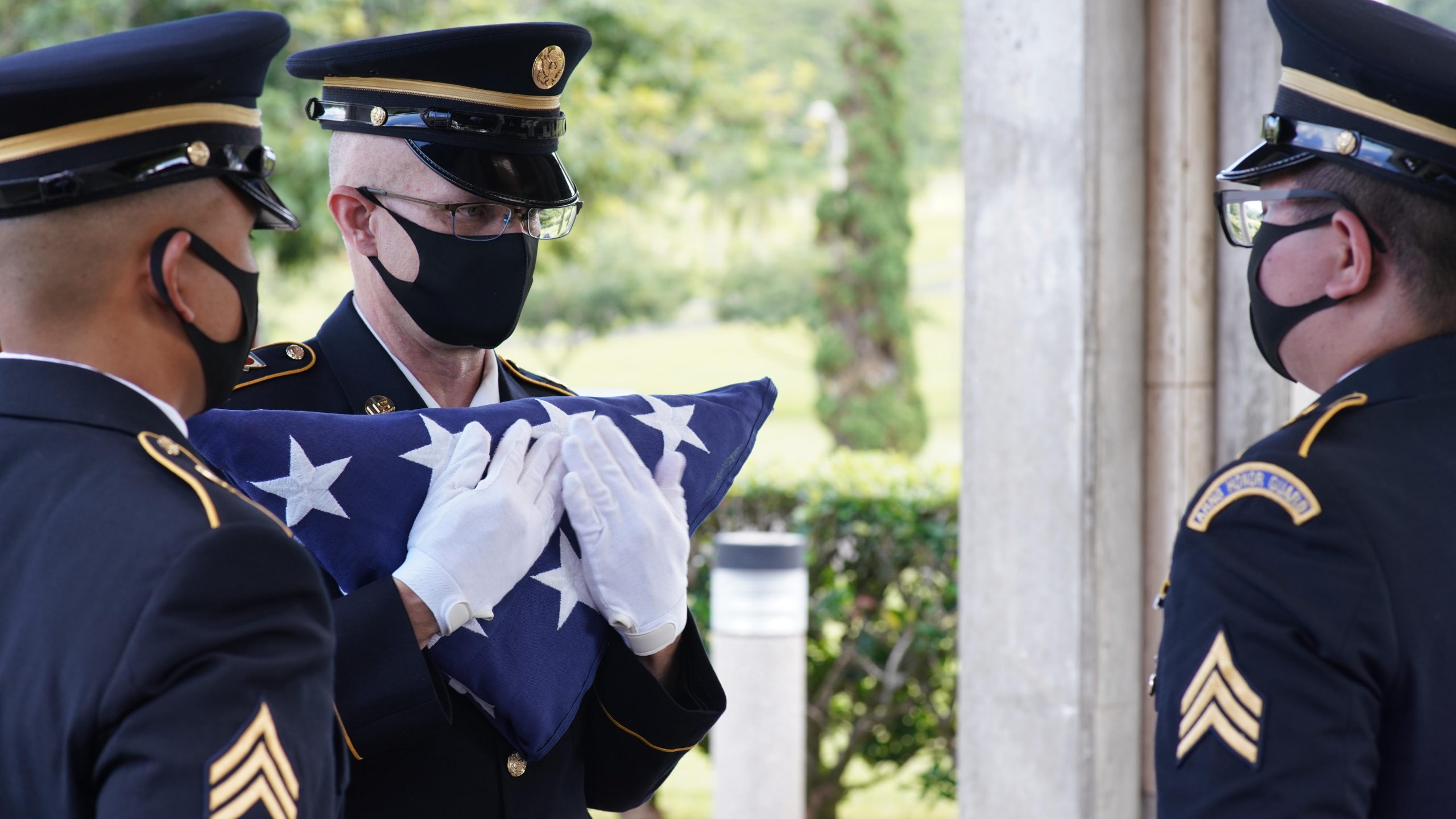
Within the armed forces, acknowledgment of losses serves an internal function. Recognizing Havana military casualties reinforces the value placed on service and sacrifice, which is essential for maintaining morale during uncertain times.
Institutional messaging emphasized continuity, readiness, and collective responsibility.
Strategic Silence on Operational Details
Despite widespread interest, officials have maintained silence on tactical specifics. This restraint underscores the priority placed on safeguarding operational integrity.
By limiting discussion to confirmation and commemoration, the narrative around Havana military casualties remains firmly within controlled boundaries.
What Analysts Expect Moving Forward
Most observers anticipate no further disclosures unless circumstances shift dramatically. The acknowledgment of Havana military casualties is likely to remain a standalone statement rather than the beginning of broader transparency.
However, continued regional developments could prompt additional messaging if tensions escalate.
International Law and Sovereignty Questions
While not explicitly addressed, the disclosure has revived debates about sovereignty, military engagement, and international norms. Analysts caution that each confirmation of Havana military casualties carries legal and diplomatic implications beyond national borders.
These questions are likely to be discussed quietly within diplomatic circles rather than public forums.
Civil Society and Quiet Reflection
Within Cuban civil society, the announcement has prompted quiet reflection rather than public protest. Cultural norms emphasizing collective endurance shape responses to military loss.
The acknowledgment of Havana military casualties has thus been absorbed into a broader narrative of national perseverance.
A Unique Closing Perspective: When Acknowledgment Becomes Strategy
The confirmation of Havana military casualties illustrates how even limited disclosures can carry strategic weight. In tightly managed information environments, what is said matters as much as what is left unsaid.
By choosing acknowledgment over silence, Cuban authorities have signaled resolve, honored sacrifice, and navigated a complex geopolitical moment with calculated restraint. The long term implications of this decision will depend not only on future events but on how regional and global actors interpret the message behind the words.