Hasselt (Brussels Morning Newspaper) 14 January 2026 – Hasselt city authorities have launched a public survey on the redevelopment of Groenplein square. The initiative aims to transform the area into a pleasant and green space directly in front of the new Kunstenhuis cultural centre. Residents and stakeholders can submit feedback through online and paper forms until 28 February 2026.
- Survey Launch and Participation Details
- Current State and Redevelopment Vision
- Stakeholder Engagement and Previous Consultations
- Kunstenhuis Project Context and Timeline
- Location and Surrounding Infrastructure
- Public Feedback Mechanisms and Expected Outcomes
- Environmental and Sustainability Features Proposed
- Economic Impact and Business Considerations
- Community Groups and Advocacy Roles
- Implementation Phases and Monitoring
Groenplein, located in Hasselt’s city centre, currently features parking spaces, paved walkways, and limited greenery. The square spans 1.2 hectares adjacent to the forthcoming Kunstenhuis, a €45 million arts venue set for completion in late 2027. City planners seek input to balance green areas, pedestrian paths, event spaces, and sustainable features.
Survey Launch and Participation Details

Hasselt’s urban development department announced the survey on 12 January via its website and local media. Residents access the questionnaire at hasselt.be/groenplein, available in Dutch, French, and English. Paper copies distribute through libraries, community centres, and the city hall foyer.
The survey comprises 15 questions covering preferred landscaping, seating arrangements, play areas, and traffic calming measures. Respondents rate options on a five-point scale and provide open comments. Over 5,000 households received mailed invitations, targeting Hasselt’s 80,000 population.
Urban Planning Alderman Hilde Claes stated: “The goal is a pleasant and green space, right in front of the new Kunstenhuis.” Submissions close at midnight on 28 February, followed by a summary report in March.
Current State and Redevelopment Vision
Groenplein originated as a market square in the 19th century, later adapted for vehicular use. Asphalt covers 70% of the surface, with 120 parking spaces generating €250,000 annually in fees. Trees number 18 mature lindens, many requiring replacement due to root damage from paving.
The Kunstenhuis project, approved in 2023, consolidates Hasselt’s arts facilities into a 12,000m² complex with galleries, theatres, and workshops. Architects from Bovenbouw outlined Groenplein integration in masterplans, emphasising permeability and biodiversity. Redevelopment costs estimate at €8 million, funded 60% by Flemish government grants.
Preliminary designs propose doubling green coverage to 40%, installing permeable paving, and adding 50 benches. Cycle paths would link to the R71 regional network, while removable bollards enable markets and festivals.
Stakeholder Engagement and Previous Consultations

Hasselt conducted focus groups in October 2025 with 120 participants from neighbourhood associations, businesses, and schools. Outcomes identified demands for shaded play zones, dog exercise areas, and wifi hotspots. Environmental groups advocated native plantings and rainwater harvesting.
Local traders on Groenplein expressed concerns over parking reductions. City officials pledged 80 replacement spaces in nearby garages, with shuttle services during peak hours. Accessibility features include lowered kerbs and braille signage.
The survey builds on a 2024 mobility study recommending 30km/h zones and widened sidewalks. Integration with Hasselt’s Climate Plan targets 20% urban cooling through tree canopy expansion.
Kunstenhuis Project Context and Timeline
Construction of Kunstenhuis began in April 2025, with steel framework erected by December. The venue will host 300 events yearly, drawing 150,000 visitors. Groenplein serves as its forecourt, mirroring designs at Antwerp’s Museum aan de Stroom.
Phase one of redevelopment starts summer 2026, removing asphalt and installing utilities. Full completion aligns with Kunstenhuis opening in October 2027. Temporary fencing will enclose work zones, with phased public access maintained.
Budget allocation includes €2 million for smart lighting and EV charging stations. Partnerships with Eneco provide solar canopies generating 50kW annually.
Location and Surrounding Infrastructure
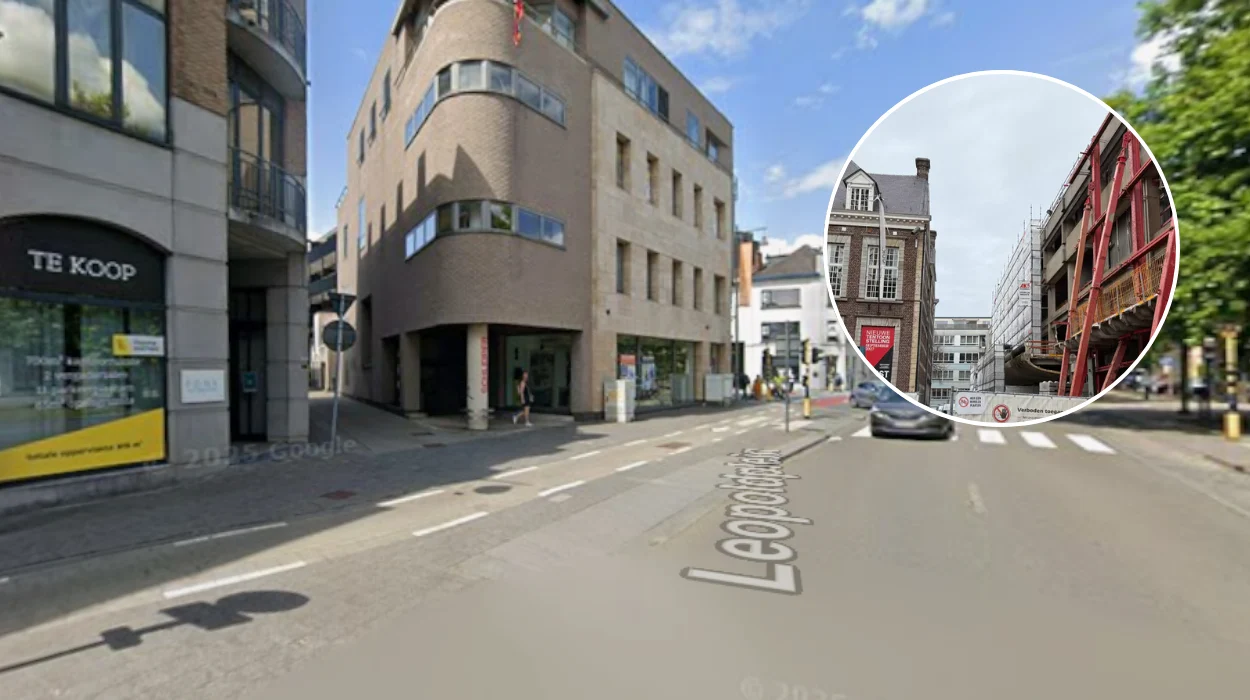
Groenplein anchors Hasselt’s cultural quarter, bounded by Leopoldstraat, Kunstlaan, and Gasthuisstraat. Nearby landmarks include the St. Quentin Cathedral (500m east) and Virga Jesse Basilica (1km north). Public transport links via bus lines 1-5, with Hasselt station 800m away.
The square hosts 40 annual markets, attracting 20,000 visitors each. Post-redevelopment, capacity rises to 5,000 for concerts and fairs. Underground cabling relocates utilities, freeing surface area.
Hasselt’s 2025-2030 Urban Plan prioritises 15 such projects, allocating €120 million total. Groenplein ranks second after the Hesbayaal canal restoration.
Public Feedback Mechanisms and Expected Outcomes
An online dashboard tracks responses in real time, categorised by theme. City hall hosts three information evenings on 22 January, 5 February, and 19 February. Experts from KU Leuven present biophilic design principles.
Post-survey, a citizen jury of 25 residents reviews designs in April. Final plans present to council in June, with tenders issued autumn 2026. Adjustments incorporate at least 70% of top-voted elements.
Similar initiatives in Ghent’s Zuidpark yielded 85% satisfaction rates one year post-opening. Hasselt monitors metrics including footfall, air quality, and biodiversity indices.
Environmental and Sustainability Features Proposed
Design options feature 200 new trees, including oaks and maples suited to urban soils. Rain gardens capture 80% of runoff, reducing flood risk. Native pollinator meadows replace lawns, supporting 50 insect species.
Lighting employs motion sensors, cutting energy use 40%. Recycled materials form 60% of hardscaping, sourced within 100km. The plan earns BREEAM Excellent certification targets.
Economic Impact and Business Considerations
Redevelopment boosts property values 12-15% in adjacent streets, per 2024 real estate data. Kunstenhuis generates 250 jobs, with spillover to cafes and shops. City forecasts €5 million annual tourism revenue.
Traders receive three-year rent abatements during transition. Pop-up markets utilise peripheral zones from day one of works.
Community Groups and Advocacy Roles
Neighborhood committee ‘Vrienden van Groenplein’ boasts 400 members, organising clean-ups since 2023. Youth council submitted play equipment wishlist, prioritising inclusive swings and sensory paths. Disability federation input ensures pram-friendly gradients under 1:20.
Schools along Kunstlaan integrate the project into curricula, with student murals adorning construction barriers.
Implementation Phases and Monitoring
Phase one (2026): demolition and drainage. Phase two (2027): planting and paths. Maintenance contracts span 10 years, budgeted at €150,000 annually.
Annual audits assess usage patterns via counters and surveys. Adjustments permit within first two years post-opening.
Hasselt positions Groenplein as a model for 21st-century squares, blending heritage with resilience amid climate challenges.