
Brussels Morning Newspaper policy discussions among European defense officials and Middle East analysts increasingly revolve around one urgent concern Gulf regional security. As 2026 begins the security architecture of the Gulf faces unprecedented stress driven by overlapping conflicts fragile ceasefires and intensifying competition among regional powers. What once appeared as contained flashpoints now intersect creating a complex and volatile security environment.
The concept of Gulf regional security extends beyond military deployments. It encompasses border stability maritime safety energy infrastructure and diplomatic coordination across a region that remains central to global trade and energy supply. Understanding the current pressures requires examining how political fragmentation armed actors and external interests are converging across the Gulf.
What Gulf Regional Security Means Today
Traditionally Gulf regional security referred to state based defense arrangements protecting borders oil infrastructure and shipping lanes. In recent years that definition has expanded to include non state actors cyber threats and proxy conflicts.
Today Gulf regional security is shaped as much by internal instability in neighboring states as by direct state to state rivalry. The erosion of centralized authority in conflict zones has created openings for armed groups whose actions reverberate across borders.
Border Tensions and Fragile Frontiers
Several Gulf states face persistent border challenges linked to conflicts in neighboring countries. Southern border areas near Yemen remain sensitive as armed factions operate in proximity to internationally recognized boundaries.
For policymakers Gulf regional security hinges on preventing localized clashes from escalating into cross border incidents. Even limited confrontations can strain diplomatic relations and trigger broader military responses.
Maritime Risks in Strategic Waterways
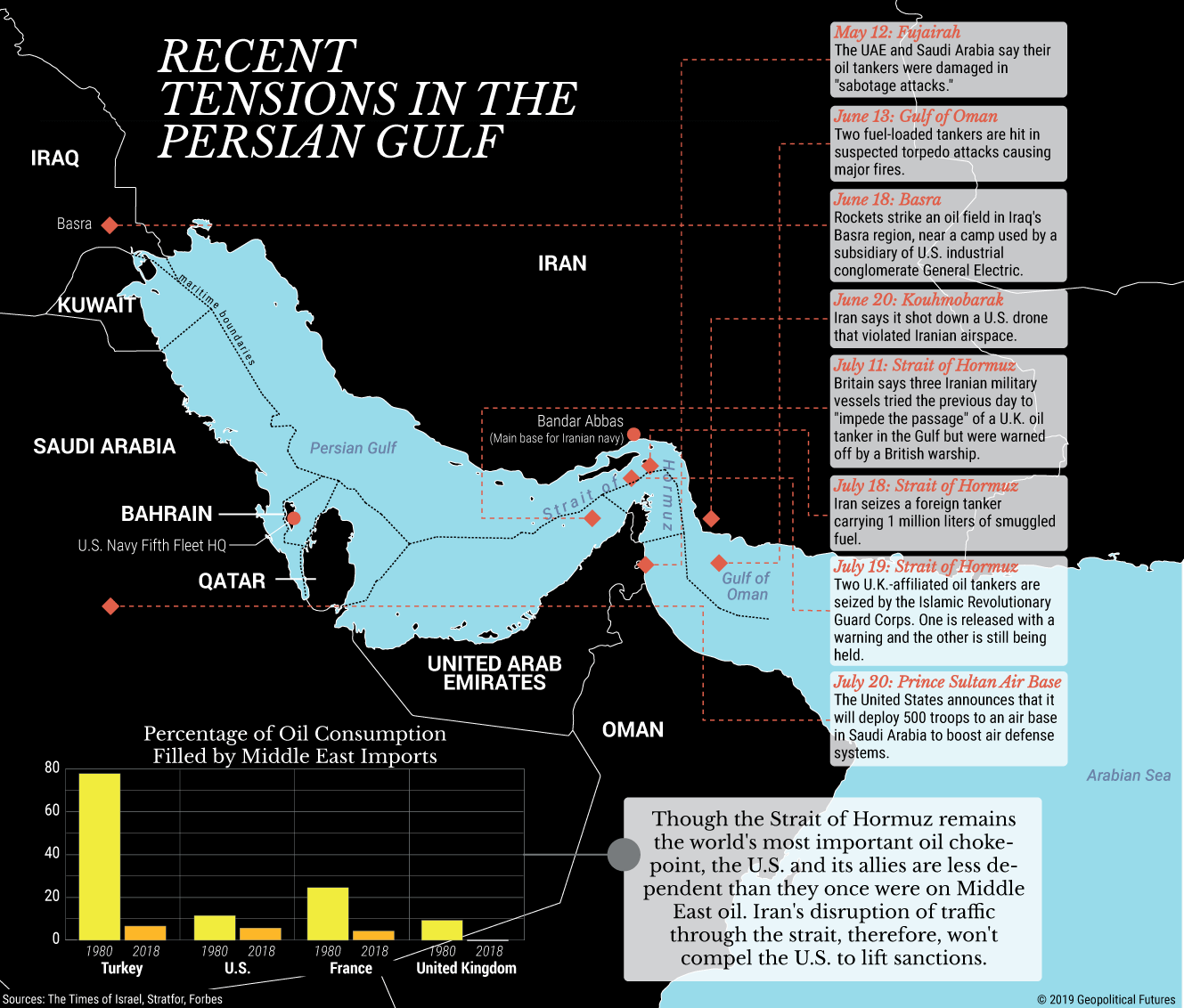
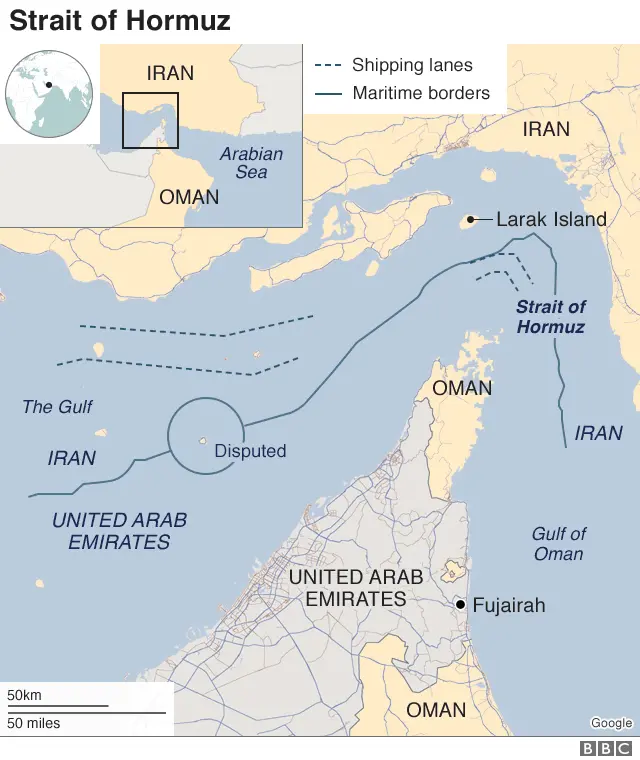
Shipping lanes through the Gulf and Red Sea are critical arteries for global commerce. Recent years have seen increased incidents involving commercial vessels including harassment seizures and attacks.
Maritime security has therefore become a central pillar of Gulf regional security. Naval patrols multinational task forces and intelligence sharing aim to deter disruptions but risks remain elevated as geopolitical tensions persist.
Energy Infrastructure as a Strategic Target
Oil gas and desalination facilities form the backbone of Gulf economies. These installations are increasingly viewed as strategic targets in regional power struggles.
Protecting critical infrastructure is a defining challenge for Gulf regional security planners. Drone technology cyber capabilities and long range missiles have lowered the threshold for attacks increasing vulnerability even far from front lines.
The Role of Iran in Regional Dynamics
Iran’s influence across the region continues to shape security calculations. Support for allied armed groups and involvement in regional conflicts affect perceptions of threat among Gulf states.
From a security standpoint Gulf regional security strategies often revolve around deterrence containment and diplomatic engagement with Tehran. Shifts in Iran’s regional posture can rapidly alter the risk environment.
Saudi Arabia’s Central Security Role
As the largest Gulf state Saudi Arabia plays a pivotal role in shaping collective security responses. Its geographic position economic weight and military capacity make it a cornerstone of regional stability.
Saudi efforts to strengthen Gulf regional security include border defense modernization diplomatic outreach and participation in multinational security initiatives. Riyadh’s approach balances deterrence with attempts to de escalate prolonged conflicts.
Non State Actors and Asymmetric Threats
Armed groups operating outside state control represent one of the most complex challenges to Gulf regional security. These actors often exploit political vacuums and use asymmetric tactics that complicate traditional defense planning.
Rocket attacks drone strikes and maritime harassment allow such groups to exert outsized influence. Their actions can provoke state responses even when direct attribution remains contested.
Impact of the Yemen Conflict
The war in Yemen continues to affect the broader Gulf security environment. Spillover risks include cross border attacks refugee flows and disruption of maritime routes.
For regional planners the Yemen conflict remains a critical variable in Gulf regional security assessments. Progress toward stabilization would reduce pressure across multiple fronts while renewed escalation would heighten risks.
Regional Alliances and Security Frameworks
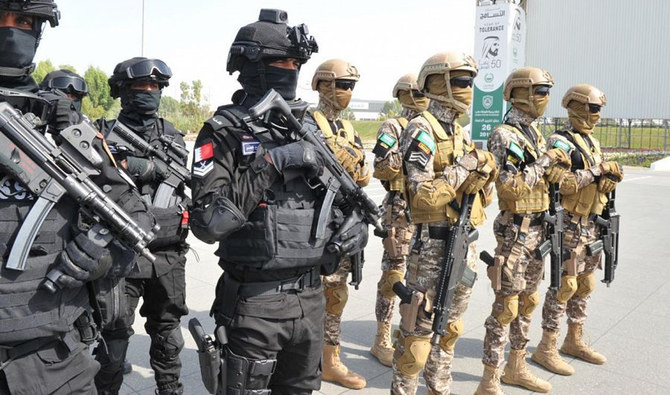
Gulf states rely on a mix of national capabilities and collective arrangements to address threats. Defense cooperation intelligence sharing and joint exercises form the backbone of these frameworks.
However Gulf regional security cooperation faces challenges including differing threat perceptions and political priorities among member states. Aligning strategies remains an ongoing process rather than a fixed achievement.
External Powers and Strategic Competition
The Gulf attracts sustained interest from global powers seeking to protect trade routes and energy flows. The presence of foreign military assets adds both stability and complexity.
External involvement influences Gulf regional security by deterring aggression while also introducing strategic competition. Balancing partnerships without becoming arenas for rivalry is a delicate task for Gulf governments.
Economic Implications of Insecurity
Security instability carries economic costs. Insurance premiums shipping delays and investor uncertainty rise when tensions escalate.
Maintaining Gulf regional security is therefore not only a military objective but an economic necessity. Stable conditions underpin long term development diversification and regional integration efforts.
Public Perception and Domestic Stability
Citizens across the Gulf increasingly follow regional security developments closely. Public confidence in government responses affects domestic stability and social cohesion.
Effective communication and crisis management are essential components of Gulf regional security strategies ensuring that populations remain informed without fueling panic.
Diplomacy as a Security Tool
Military strength alone cannot resolve complex regional tensions. Diplomatic engagement confidence building measures and dialogue channels play crucial roles.
Recent initiatives demonstrate that diplomacy remains central to strengthening Gulf regional security even amid deep mistrust. Sustained engagement can reduce miscalculation and open paths toward de escalation.
Technology and the Future of Security
Emerging technologies are reshaping the security landscape. Surveillance systems missile defense cyber capabilities and artificial intelligence influence how threats are detected and managed.
For Gulf regional security investments in technology aim to offset asymmetric threats and improve response times. However technological reliance also introduces new vulnerabilities requiring constant adaptation.
Why Gulf Regional Security Matters Globally
The Gulf’s stability affects energy markets supply chains and geopolitical balance worldwide. Disruptions reverberate far beyond the region.
As a result Gulf regional security is not merely a regional concern but a global one. International stakeholders closely monitor developments recognizing their broader implications.
Looking Ahead in 2026
As the year progresses the trajectory of Gulf regional security will depend on conflict management diplomatic breakthroughs and the restraint of armed actors. While risks remain high opportunities for stabilization also exist.
The challenge lies in translating short term de escalation into durable security arrangements that address underlying drivers of instability.
A Defining Test for Regional Stability
The pressures facing Gulf regional security in 2026 reflect deeper structural challenges rather than isolated crises. How regional states manage borders protect maritime routes and pursue diplomacy will shape stability for years to come.
For the international community the stakes are high. A secure Gulf supports global economic health while instability risks cascading consequences. The months ahead will test whether cooperation restraint and dialogue can prevail over escalation.