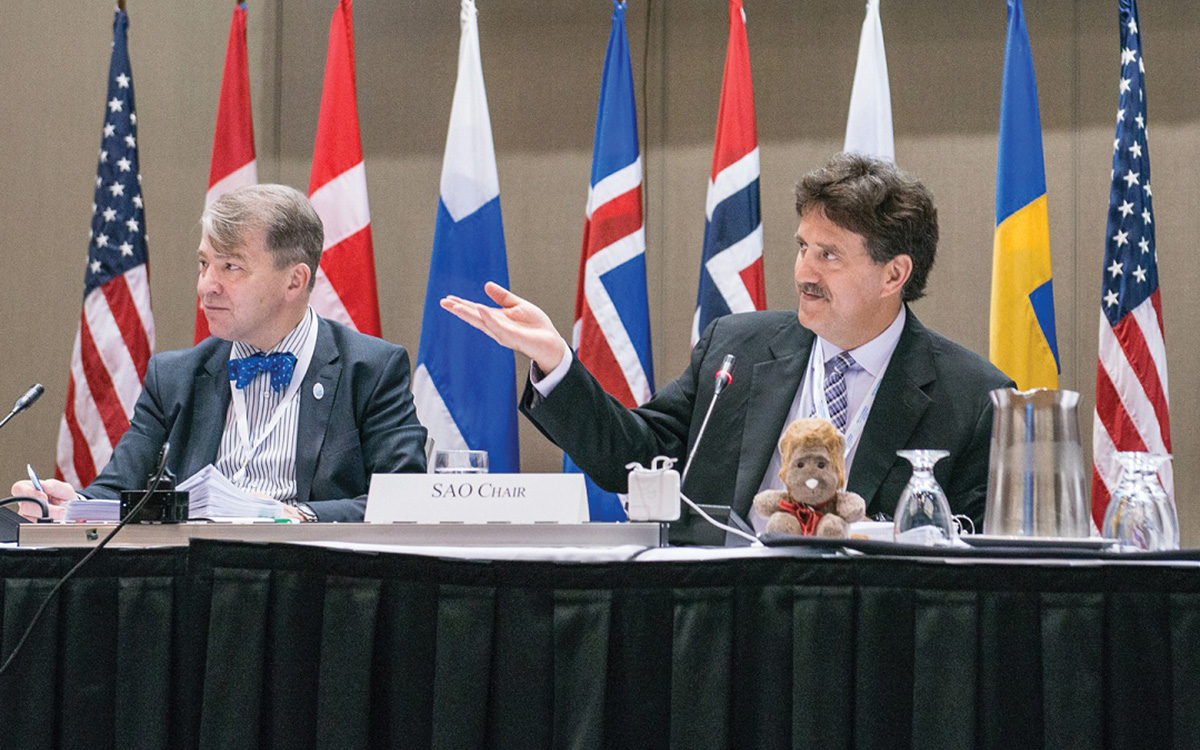
Brussels, Belgium — January, 2026: According to Brussels Morning Newspaper, senior officials from Greenland and Denmark convened in Brussels this week as the Greenland Denmark meeting opened a new chapter in Arctic diplomacy at a moment when the region’s strategic importance is expanding rapidly. The talks come amid heightened international focus on climate change, security coordination, and governance in the High North, placing the Arctic firmly on the global diplomatic agenda.
European officials described the gathering as timely and necessary, noting that developments in the Arctic now carry implications well beyond regional borders.
Arctic Affairs Move From the Margins to the Center
For decades, Arctic issues were treated as specialized matters limited to scientific research and regional cooperation. That perception has shifted dramatically. Melting ice, emerging shipping routes, and renewed interest from major powers have transformed the Arctic into a strategic crossroads.
Against this backdrop, the Greenland Denmark meeting reflects how Arctic diplomacy has become a central component of broader international relations. European policymakers increasingly view the region as integral to climate strategy, security planning, and economic resilience.

Autonomy and Coordination Within the Kingdom Framework
Greenland’s political status as a self-governing territory within the Kingdom of Denmark gives it a unique position in international discussions. While Copenhagen retains responsibility for defense and foreign affairs, Nuuk exercises authority over many domestic and resource-related matters.
Observers say the Greenland Denmark meeting demonstrated careful coordination between the two governments, aimed at presenting a coherent approach while respecting Greenland’s growing autonomy. This balance remains a defining feature of their relationship and a key factor in Arctic governance.
Security Considerations in a Changing Northern Environment
Security dynamics in the Arctic have evolved alongside environmental change. Increased activity by global powers has raised questions about surveillance, infrastructure, and long-term stability in northern regions.
Analysts note that the Greenland Denmark meeting underscored shared concern about maintaining the Arctic as a low-tension area. Officials emphasized transparency and cooperation as essential tools to prevent misunderstandings in a region where strategic interests increasingly intersect.
Economic Interests and Sustainable Development
Economic development remains a sensitive but important topic for Arctic communities. Greenland’s economy relies heavily on fisheries and is exploring opportunities in mining and infrastructure, while Denmark faces the challenge of supporting growth without compromising environmental commitments.
During the talks, the Greenland Denmark meeting addressed how economic opportunities can be pursued responsibly. Officials highlighted the need for investment frameworks that benefit local populations while safeguarding fragile ecosystems that are particularly vulnerable to climate change.
Climate Policy as a Shared Responsibility
The Arctic is warming at more than twice the global average, making climate policy a central concern for governments involved in the region. Changes in ice cover and ecosystems have far-reaching consequences, from global sea-level rise to altered weather patterns.
Participants emphasized that the Greenland Denmark meeting reinforced joint commitments to climate research, environmental monitoring, and international cooperation. Climate policy, officials noted, is no longer separate from security and economic planning but deeply intertwined with both.
Relations With Allies and Strategic Partners
Arctic developments have attracted increasing attention from allies, particularly within NATO. Defense infrastructure, early-warning systems, and maritime awareness have all become topics of discussion as the region gains strategic significance.
Diplomatic sources indicated that the Greenland Denmark meeting included careful consideration of alliance relationships. Officials stressed the importance of managing partnerships in ways that enhance security without contributing to unnecessary escalation.
European Union Engagement Beyond Membership
Although Greenland is not a member of the European Union, Brussels plays a key role in Arctic affairs through research funding, environmental initiatives, and strategic planning. Denmark’s EU membership further connects Arctic issues to continental policy debates.
Holding the Greenland Denmark meeting in Brussels highlighted Europe’s ambition to remain an influential actor in Arctic governance. European institutions increasingly see Arctic stability as linked to broader goals related to climate leadership and geopolitical resilience.
Public Attention and Media Coverage
International media coverage of the talks has reflected growing public awareness of Arctic issues. Once viewed as remote, the region is now widely recognized as a bellwether for global climate trends and geopolitical shifts.
Commentators suggest the Greenland Denmark meeting has drawn attention because it illustrates how regional diplomacy increasingly carries global consequences, influencing debates far beyond northern latitudes.
Diplomatic Tone and Strategic Messaging
Officials on both sides emphasized dialogue, continuity, and long-term planning. The tone of the discussions suggested a preference for steady engagement rather than reactive policy-making.
One analyst familiar with the talks remarked,
“Arctic cooperation today is about anticipating change rather than responding to crisis.”
This perspective was evident throughout the Greenland Denmark meeting, according to those briefed on the discussions.

Indigenous Communities and Inclusive Governance
Indigenous peoples remain central stakeholders in Arctic decision-making. Their livelihoods, cultural heritage, and political rights are directly affected by policy choices related to development, security, and environmental protection.
The Greenland Denmark meeting acknowledged the importance of incorporating indigenous perspectives into governance frameworks. Officials emphasized that sustainable Arctic policy must be inclusive and grounded in the experiences of those who live in the region.
Strategic Signals Beyond the Arctic
Beyond immediate policy coordination, the talks carried symbolic weight. Joint engagement by Greenland and Denmark sends a signal of unity and preparedness at a time of shifting global power dynamics.
Analysts argue that the Greenland Denmark meeting communicates a broader message about responsible leadership, cooperation, and commitment to international norms in a rapidly changing geopolitical environment.
Preparing the Ground for Future Engagement
Officials indicated that the Brussels discussions are part of an ongoing diplomatic process rather than a standalone event. Further consultations, research initiatives, and policy coordination are expected over the coming months.
As Arctic issues continue to evolve, the Greenland Denmark meeting is likely to serve as a reference point for future engagement, shaping how both governments navigate emerging challenges.
When Arctic Dialogue Shapes Global Priorities
The transformation of the Arctic has reshaped international priorities. Decisions taken today will influence environmental outcomes, economic development, and security dynamics for decades to come.
In this broader context, the Greenland Denmark meeting stands as a defining moment, illustrating how Arctic dialogue has moved from the margins to the heart of global policy discussions.
A Defining Moment for Northern Diplomacy
As attention to the Arctic intensifies, coordination between Greenland and Denmark reflects a broader effort to manage change through cooperation rather than competition. The choices made now will shape the region’s future and its role in global affairs.
For policymakers in Brussels and beyond, the Greenland Denmark meeting underscores a central reality of 2026: the Arctic is no longer a distant frontier but a critical arena where climate, security, and diplomacy converge.