
Brussels (Brussels Morning Newspaper) January 19, 2026 – Government officials convened a dedicated meeting focused on the implementation of the Reform Agenda across multiple sectors. The session reviewed progress on structural reforms outlined in the national recovery and resilience plan. Participants discussed timelines, achieved milestones, and upcoming implementation phases.
- Meeting Participants and Agenda Structure
- Progress on Economic Competitiveness Reforms
- Green Transition and Climate Action Milestones
- Digital Governance and Public Administration Updates
- Labour Market and Social Inclusion Reforms
- European Commission Monitoring and Disbursement Status
- Financial Allocation and Absorption Rates
- Sectoral Breakdown of Completed Measures
- Timeline for Remaining Reform Commitments
- Inter-Ministerial Coordination Mechanisms
- Reporting and Transparency Requirements
Prime Minister’s office confirmed the meeting occurred Monday morning with cabinet-level attendance. Technical working groups presented sector-specific updates covering digitalisation, green transition, and public administration reforms.
Meeting Participants and Agenda Structure
The session included the Prime Minister, Deputy Prime Ministers, and ministers responsible for reform portfolio areas. European Commission representatives participated via video link to monitor Recovery and Resilience Facility compliance. Opening statements addressed overall implementation rate standing at 68 percent of targeted measures.
Agenda divided into four thematic blocks: economic competitiveness, sustainability targets, digital governance, and labour market reforms. Each minister delivered 15-minute progress reports followed by Q&A sessions. Closing plenary consolidated action points for next quarterly review.
Progress on Economic Competitiveness Reforms
Ministry of Economy reported completion of 24 out of 28 competition-enhancing measures. State aid restructuring completed for 17 public enterprises reducing subsidies by 23 percent. Product market liberalisation laws passed covering energy, telecoms, and transport sectors.
Foreign direct investment screening mechanism operational since Q4 2025. Corporate tax reform package enacted lowering headline rate from 25 to 21 percent. Bankruptcy procedure acceleration reduced resolution times from 24 to 9 months.
Green Transition and Climate Action Milestones
Environment Ministry confirmed achievement of 32 renewable energy targets ahead of 2026 deadline. Offshore wind farm permitting streamlined for 1.2 GW capacity addition. Building renovation programme subsidised 45,000 energy-efficient upgrades.
Circular economy action plan implemented across 14 industrial sectors. Hydrogen strategy roadmap approved with €450 million initial funding allocation. Carbon pricing mechanism expanded to cover 40 percent of national emissions.
Digital Governance and Public Administration Updates
Digital Affairs Ministry announced nationwide e-government platform launch servicing 3.2 million users. 5G spectrum auction completed generating €1.7 billion in revenues. Cybersecurity framework adopted for critical infrastructure operators.
Public sector digitalisation achieved 76 percent paperless processing target. Open data portal published 2,800 datasets from 23 government agencies. Cross-border digital identity wallet issued to 180,000 citizens.
Labour Market and Social Inclusion Reforms
Employment Ministry reported activation of 112,000 long-term unemployed through reform measures. Minimum wage adjustment mechanism legislated with biannual reviews. Vocational training programmes expanded to cover 65 shortage occupations.
Gender pay gap transparency requirements enforced across companies employing over 50 staff. Pension system sustainability reforms passed increasing retirement age to 67 by 2030. Migrant integration pathways shortened from 36 to 24 months.
European Commission Monitoring and Disbursement Status
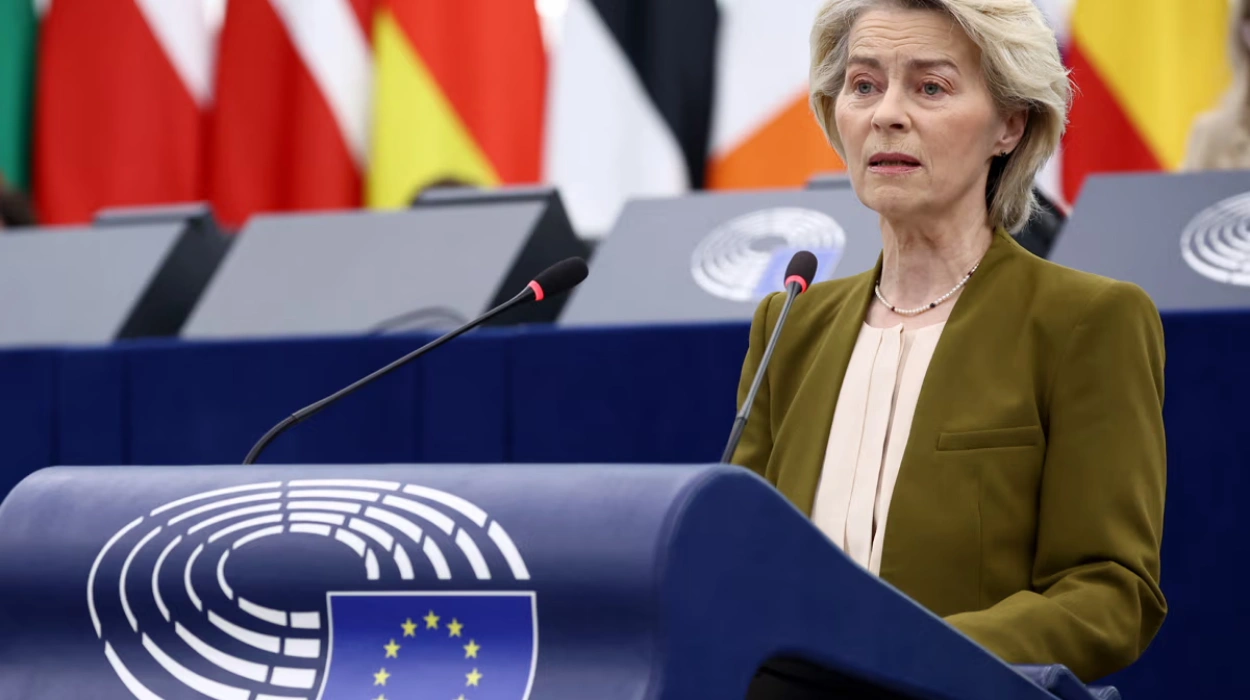
Commission officials verified compliance with 42 super-milestones triggering €1.2 billion tranche release. Next payment request submission scheduled for 28 February 2026. Conditionality framework maintained for 18 investment categories. Technical compliance missions confirmed data accuracy across reporting modules.
Financial Allocation and Absorption Rates
Reform Agenda funding totals €14.7 billion representing 7.2 percent of 2025 GDP. Absorption rate reaches 71 percent against 65 percent EU average. Co-financing secured from European Regional Development Fund for 23 projects.
Audit trail systems track expenditure across 1,200 budget lines. Performance reserve allocation of €890 million tied to 2026 milestones.
Sectoral Breakdown of Completed Measures
Judicial reform package implemented reducing case backlogs by 41 percent. Healthcare digital records deployed covering 87 percent of patient population. Education curriculum modernisation completed for primary and secondary levels.
Transport infrastructure projects delivered 180 km of electrified rail lines. Research and innovation funding disbursed to 4,700 SMEs. Agricultural sustainability scheme enrolled 23,000 farms.
Timeline for Remaining Reform Commitments
27 legislative measures pending parliamentary approval by Q2 2026. 19 investment projects reach financial closure by June deadline. 8 structural benchmarks scheduled for Q3 verification. Final programme completion targeted for August 2026.
Risk register identifies 12 potential implementation delays. Contingency plans approved for 7 high-risk categories.
Inter-Ministerial Coordination Mechanisms
Reform Task Force meets bi-weekly tracking 187 individual commitments. Digital dashboard monitors real-time progress across 41 indicators. Quarterly European Semester reporting integrated with agenda updates.
Public consultation portal received 14,200 stakeholder inputs. Civil society monitoring committee reviews progress biannually.
Reporting and Transparency Requirements
Annual implementation report published 15 January covering 2025 achievements. Citizen information campaign reached 6.8 million through multiple channels. Independent evaluation contracted to cover 22 reform areas.
Performance framework links 23 percent of funding to outcome indicators.