
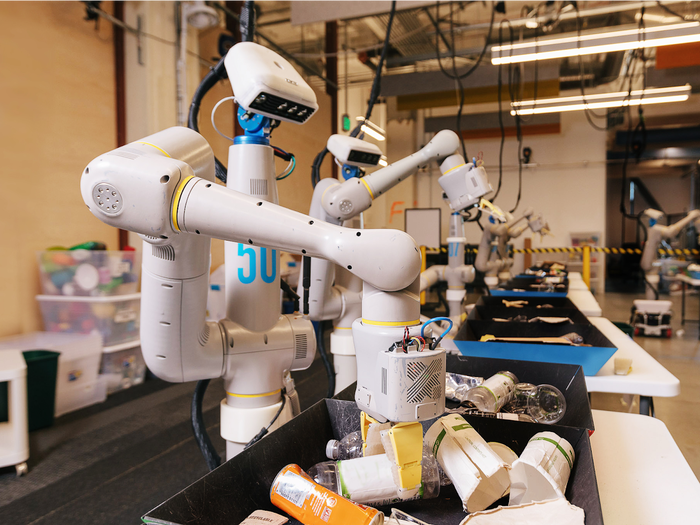
Austin, February 11, 2026 — Brussels Morning Newspaper — The Google robotics investment announced in 2026 marks a significant milestone in the expansion of artificial intelligence driven automation across the United States. The initiative, centered in Austin, signals a broader commitment to integrating advanced robotics systems into industrial, commercial, and research environments. Technology analysts describe the move as one of the most strategic funding decisions in the evolving robotics sector this year.
The Google robotics investment reflects a deepening convergence between AI software ecosystems and physical automation platforms. With robotics rapidly transitioning from experimental laboratories into real world deployment, industry leaders believe this funding could shape the next decade of intelligent manufacturing and logistics.
Strategic Expansion of Artificial Intelligence into Robotics
The Google robotics investment represents a calculated step toward embedding AI into machines capable of navigating complex physical spaces. Over the past decade, Google has dominated digital intelligence through search algorithms, cloud computing, and machine learning infrastructure. Now, robotics is emerging as the next frontier of applied artificial intelligence.
Experts note that robotics combines perception, decision making, and mechanical execution. This integration requires massive computing resources and adaptive learning capabilities. The Google robotics investment aims to accelerate advancements in mobility control systems, real time object recognition, and collaborative automation.
Industry observers believe this initiative positions Austin as a growing hub for robotics innovation, complementing its established technology ecosystem.

Market Context and Industry Competition
Global competition in robotics is intensifying. Companies across North America, Europe, and Asia are investing heavily in autonomous systems capable of operating safely alongside human workers. The Google robotics investment arrives during a period of heightened venture capital activity in the automation sector.
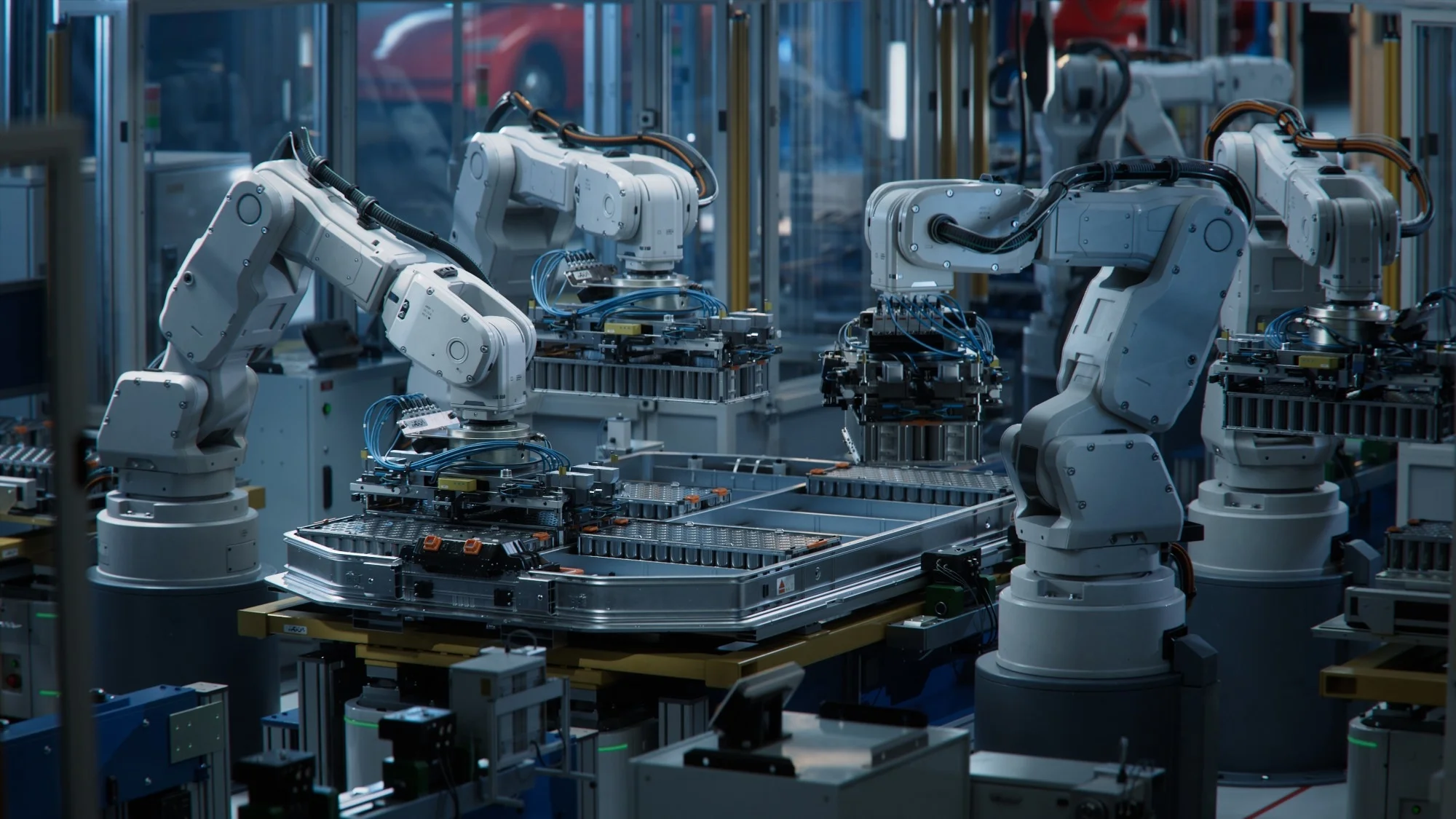
Manufacturing industries increasingly seek solutions that address labor shortages and rising operational costs. Intelligent robots equipped with AI driven analytics can assist in assembly lines, warehouse operations, and precision inspections.
A senior industry analyst stated,
“Automation is no longer optional for competitive industries, and sustained funding ensures robotics innovation remains ahead of global demand.”
The statement underscores the broader economic implications of strategic robotics funding.
Collaboration with Academic and Industrial Partners
The Google robotics investment is expected to support partnerships with universities, engineering research centers, and private robotics startups. Austin’s proximity to leading research institutions enhances opportunities for collaborative innovation.
Technology clusters thrive when academia and industry intersect. By aligning resources with local engineering talent, the initiative strengthens development pipelines and prototype testing capabilities.
Public policy experts highlight that regional investment can stimulate job creation in advanced manufacturing, supply chain management, and AI system development.
Such collaborations often accelerate commercialization by bridging theoretical research with industrial scale deployment.
Industrial Applications Across Multiple Sectors
Robotics systems influenced by the Google robotics investment may serve diverse industries. Manufacturing plants can benefit from precision robotics handling repetitive tasks with consistent accuracy. Logistics centers may deploy AI guided machines to sort packages and optimize distribution flows.
Healthcare facilities could eventually integrate robotic assistants capable of transporting equipment and supporting routine operational tasks. Retail and service sectors may explore automated inventory management systems.
Economists emphasize that robotics adoption improves productivity and enhances global competitiveness. However, workforce adaptation strategies remain central to long term sustainability.
The integration of robotics into daily operations requires training programs and regulatory oversight to ensure safe deployment.
Technological Innovations Driving Momentum
Recent breakthroughs in reinforcement learning and computer vision are accelerating robotics capabilities. Machines can now interpret environmental cues more accurately and adjust actions accordingly.
The Google robotics investment supports further refinement of dexterity and balance control, two of the most challenging aspects of humanoid robotics. Engineers are working to improve energy efficiency and battery performance to extend operational cycles.
Cloud based data integration also plays a critical role. Robots connected to centralized AI systems can continuously update performance metrics and refine behaviors through machine learning models.
This interconnected approach strengthens adaptability across changing operational conditions.
Regulatory Oversight and Ethical Frameworks
As robotics systems become increasingly autonomous, policymakers continue developing regulatory standards governing safety and accountability. The Google robotics investment includes structured compliance planning to align with federal and state regulations.
Transparency in testing procedures and deployment strategies remains essential. Ethical considerations include data security, workplace safety, and the impact of automation on employment patterns.
A policy advisor familiar with emerging robotics governance frameworks said,
“Responsible deployment ensures innovation strengthens communities rather than creating unintended disruption.”
This perspective highlights the balance between technological advancement and social responsibility.
Economic Implications for the United States
The Google robotics investment contributes to strengthening domestic manufacturing capabilities. By supporting advanced automation research, the initiative enhances supply chain resilience and reduces dependency on overseas production.
Austin’s growing reputation as a technology center benefits from increased capital inflow. Suppliers, engineers, and service providers stand to gain from expanded robotics development.
Financial markets have responded positively to large scale investments in AI driven automation. Analysts believe long term growth potential outweighs short term volatility in the sector.
Investors continue monitoring robotics commercialization timelines to assess revenue scalability.
Historical Evolution of Robotics Investment
The development of robotics technology traces back to early industrial automation in the mid twentieth century. Initial systems focused primarily on repetitive mechanical tasks within controlled factory environments.
Over time, advancements in computing power and AI algorithms transformed robotics capabilities. The Google robotics investment builds upon decades of research in machine perception, sensor technology, and adaptive learning systems.
Early robotics initiatives relied heavily on manual programming. Today, AI driven systems can learn from real time data and adjust behaviors autonomously.
This evolution reflects broader technological shifts from mechanical automation to intelligent systems capable of dynamic interaction.
Workforce Adaptation and Skill Development
Automation inevitably reshapes labor markets. While robotics improves efficiency, it also necessitates workforce reskilling initiatives. Educational institutions increasingly integrate robotics engineering and AI programming into curricula.
The Google robotics investment may contribute to training programs and collaborative research grants aimed at preparing future engineers and technicians.
Industry leaders emphasize that robotics adoption should complement human capabilities rather than replace them entirely. Hybrid work environments where humans oversee and guide automated systems are becoming more common.
Strategic workforce planning ensures technological growth aligns with employment stability.
Global Implications of Advanced Robotics Funding
International observers view the Google robotics investment as part of a broader geopolitical competition in technological leadership. Nations investing heavily in AI driven robotics strengthen their strategic economic positions.
Supply chain modernization and domestic production capacity influence national resilience. By fostering innovation within the United States, large scale robotics initiatives support economic security objectives.
Technology analysts predict that continued collaboration between public and private sectors will determine long term competitiveness.
Global demand for automation solutions is expected to expand steadily over the next decade.

Deployment Roadmap and Long Term Vision
Initial phases following the Google robotics investment may involve pilot projects in controlled industrial settings. Prototype testing provides valuable performance data before mass production.
Scalability remains a primary objective. Transitioning from experimental models to commercially viable systems requires reliable manufacturing processes and quality control standards.
Ongoing research in AI integration, energy optimization, and sensor calibration will shape commercialization timelines.
Industry experts anticipate gradual expansion into additional sectors as robotics systems demonstrate consistent reliability.
The Emerging Era of Intelligent Automation
The Google robotics investment in 2026 represents more than a funding announcement. It signals a structural transformation in how artificial intelligence interacts with the physical world.
By combining cloud computing infrastructure with advanced mechanical engineering, robotics systems are becoming more adaptive and efficient. Austin’s role as a focal point for development underscores the importance of regional innovation ecosystems.
As industries adapt to evolving automation capabilities, collaboration between policymakers, engineers, and business leaders will shape responsible growth.
The Google robotics investment ultimately reflects a forward looking strategy focused on sustained innovation, economic resilience, and technological leadership in intelligent automation.