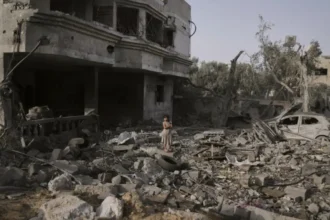
The renewed violence in Ukraine has once again pushed diplomacy to the forefront of international attention, with global security talks becoming a defining theme after Kyiv was struck by a wave of overnight attacks. Explosions echoed across the capital as air defense systems intercepted missiles and drones, reminding civilians that the war remains immediate and dangerous. The attacks caused damage to infrastructure and heightened anxiety among residents already living under constant threat.
Against this backdrop, Ukrainian leadership signaled a renewed push for diplomacy. President Volodymyr Zelensky moved quickly to engage influential international figures, emphasizing that military defense alone cannot end the conflict. The convergence of battlefield escalation and diplomatic outreach highlights the complex reality facing Ukraine as it seeks security, stability, and a path toward peace.
Kyiv shaken by overnight attacks
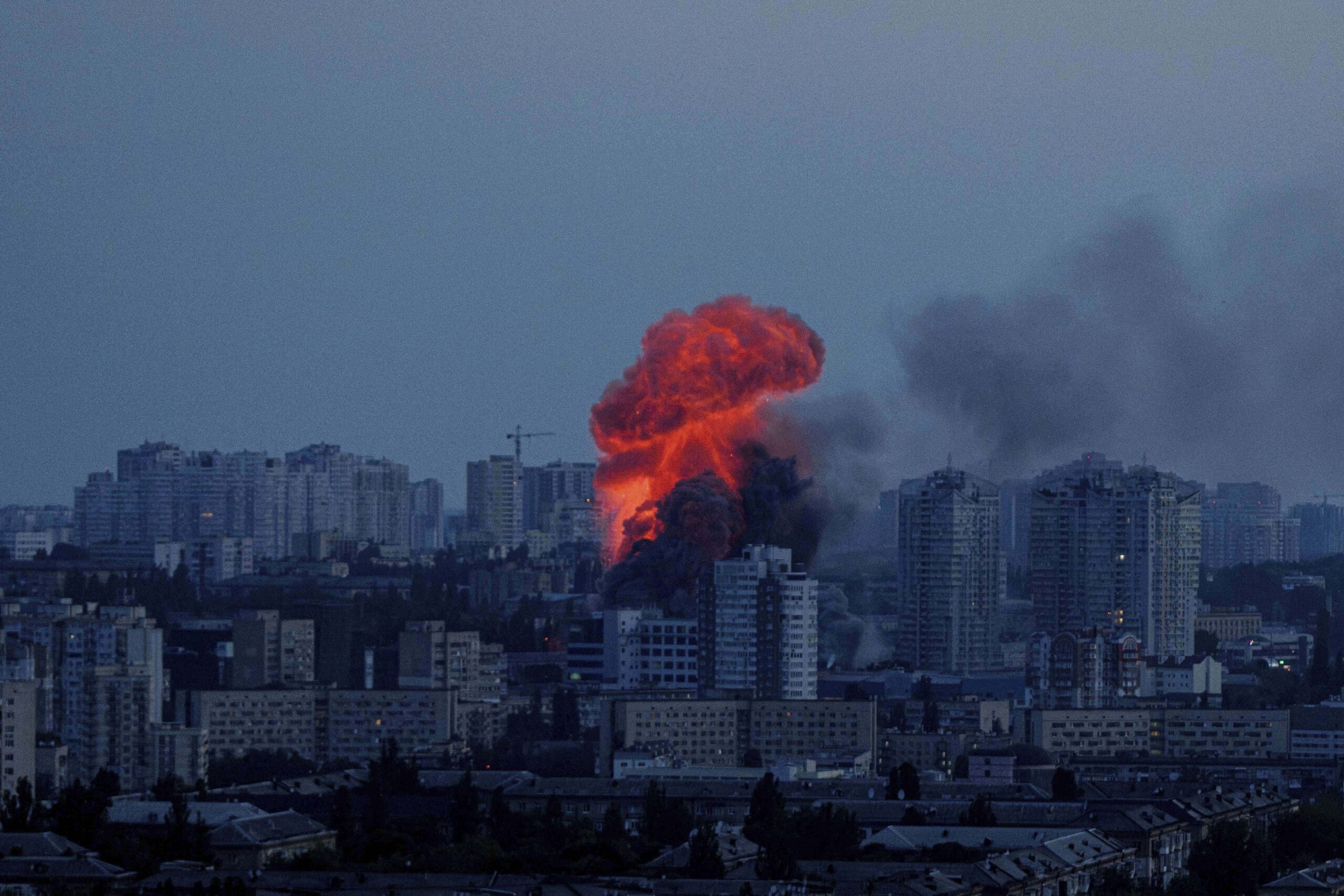
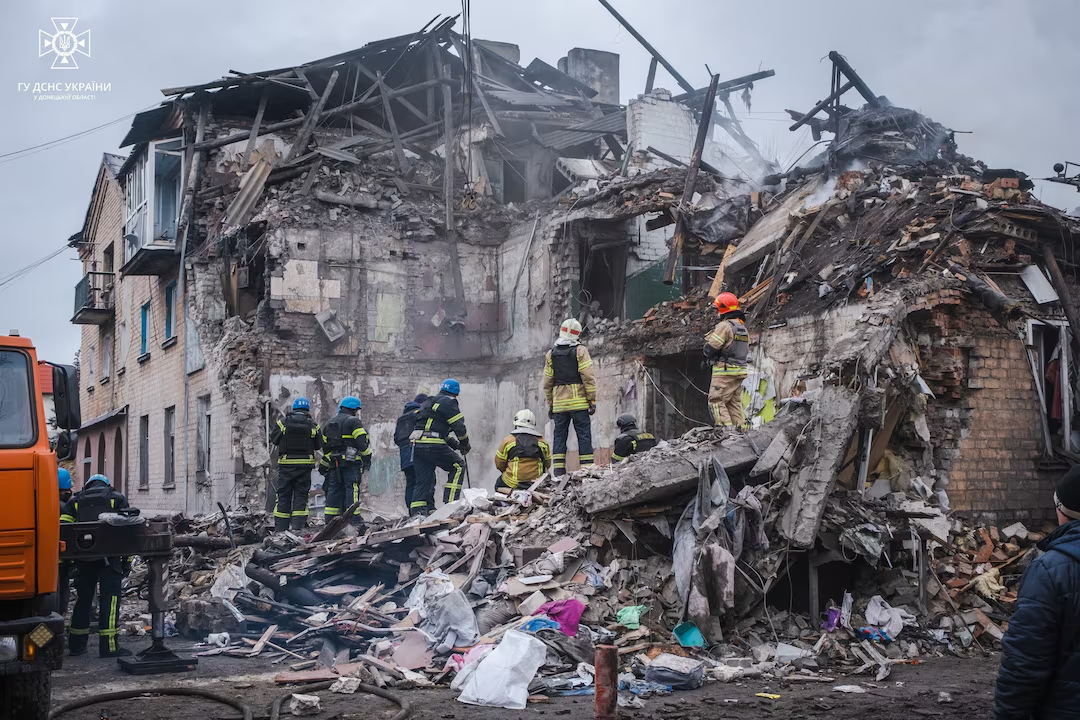
Kyiv endured one of its most intense nights in recent weeks as coordinated strikes targeted multiple areas. Air raid sirens sounded repeatedly, forcing families into shelters and underground stations. Emergency services responded to fires, damaged buildings, and disrupted utilities, while officials assessed the full extent of the destruction.
These attacks reinforced calls for global security talks among policymakers and analysts who fear further escalation. The violence underscored how quickly conditions can deteriorate, making diplomatic engagement not just a long term goal but an urgent necessity tied directly to civilian safety.
Zelensky’s decision to travel abroad
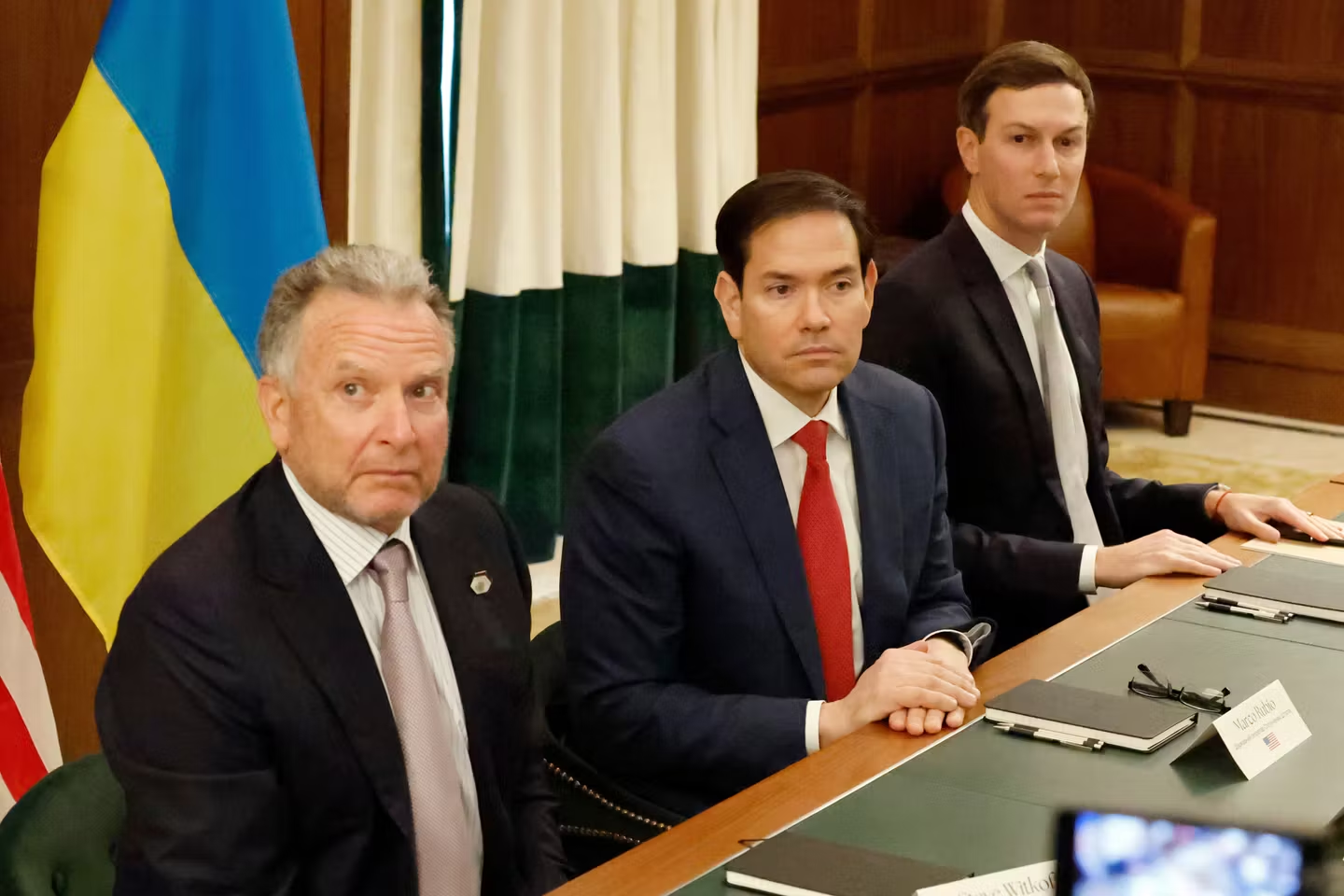
In the hours following the strikes, attention shifted to President Zelensky’s decision to travel to Florida for discussions with former U.S. President Donald Trump. While unconventional, the move reflects Ukraine’s willingness to explore every possible avenue for dialogue that could influence the trajectory of the war.
By pursuing global security talks beyond traditional diplomatic channels, Zelensky aims to keep Ukraine’s plight visible within U.S. political discourse. The visit signals that Kyiv understands the importance of engaging influential voices who may shape future foreign policy decisions.
Why Florida matters politically
Florida is not a traditional hub for international diplomacy, yet it carries political significance due to Trump’s continued influence within American politics. His public claims that he could broker an end to the war have generated debate across political and security circles.
The decision to engage in global security talks in this setting highlights how modern diplomacy increasingly intersects with domestic politics. Informal discussions, media attention, and symbolic gestures can all shape narratives that eventually influence policy outcomes.
Trump’s position in peace discussions
Trump has positioned himself as a potential deal maker, arguing that negotiation rather than prolonged conflict could bring faster results. Supporters see his involvement as pragmatic, while critics question whether his approach aligns with Ukraine’s core interests.
As global security talks unfold around such figures, they illustrate the evolving nature of diplomacy in a polarized world. The lines between official negotiations and political influence have blurred, making dialogue more complex but also more far reaching.
Ukraine’s broader diplomatic approach
Ukraine’s leadership has consistently emphasized that diplomacy and defense must operate together. While Ukrainian forces continue to resist attacks, officials stress that lasting peace will require sustained international engagement and credible security guarantees.
The emphasis on global security talks fits within this broader strategy. By engaging allies, partners, and influential political actors, Ukraine seeks to ensure that its sovereignty and territorial integrity remain central to any future settlement discussions.
Reaction from international partners
Allies across Europe and beyond have responded cautiously to news of the Florida discussions. Some view the outreach as a necessary step given the intensity of recent attacks, while others stress the importance of maintaining coordinated messaging among partners.
Still, global security talks remain a familiar tool in managing international crises. European leaders and NATO members continue to emphasize unity, warning that fragmented diplomacy could weaken collective leverage.
Impact on wider security calculations
The war in Ukraine has already reshaped defense strategies, energy markets, and alliance structures worldwide. Overnight strikes on Kyiv have reinforced fears that the conflict could expand or intensify unpredictably.
In this context, global security talks are seen as mechanisms to reduce risk and prevent miscalculation. Dialogue provides opportunities to clarify intentions, explore confidence building measures, and assess potential pathways toward de escalation.
Domestic implications for Ukraine
Within Ukraine, diplomatic outreach is closely scrutinized by the public. Citizens overwhelmingly support efforts to end the war but remain wary of concessions that could undermine national security or justice for wartime actions.
The focus on global security talks must therefore be accompanied by clear communication at home. Zelensky faces the challenge of reassuring Ukrainians that diplomacy will strengthen, not weaken, the country’s long term position.
The United States political dimension
In the United States, Ukraine remains a central topic of political debate, particularly as election cycles intensify. Trump’s involvement adds another layer of complexity, potentially influencing how different political groups view continued support for Ukraine.
As global security talks intersect with U.S. domestic politics, analysts note that outcomes could shape future aid decisions and broader foreign policy narratives. The discussions may resonate far beyond Ukraine itself.
Risks of unconventional diplomacy
Engaging in high profile but informal talks carries risks, including misinterpretation and political backlash. Critics argue that such engagements could complicate established diplomatic frameworks or create unrealistic expectations.
Nevertheless, global security talks often involve calculated risks, especially during periods of heightened conflict. For Ukraine, the potential benefits of dialogue may outweigh the uncertainties when civilian lives remain under constant threat.
Media attention and public perception
Media coverage plays a crucial role in shaping how diplomatic efforts are perceived. Images of damage in Kyiv alongside reports of high level talks reinforce the urgency of the moment.
Continued focus on global security talks helps keep international attention on the human impact of the war. Public awareness can influence political pressure, humanitarian aid, and the willingness of leaders to remain engaged.
What may follow the Florida discussions
Observers are now watching for signals of concrete outcomes from the talks. Even if no immediate agreements emerge, the discussions could influence future diplomatic momentum and open channels for further engagement.
The prominence of global security talks at this stage suggests that diplomacy will remain active alongside military developments. Follow up meetings, public statements, and allied reactions will shape the next phase of international engagement.
Broader implications for global stability
The Ukraine conflict has become a defining challenge for international order. How leaders respond to escalation and pursue dialogue will influence norms around sovereignty, collective security, and conflict resolution.
In this sense, global security talks related to Ukraine carry significance beyond the region. They reflect broader questions about how the international community manages prolonged conflicts in an increasingly multipolar world.
The combination of overnight strikes on Kyiv and Zelensky’s diplomatic outreach underscores the gravity of the current moment. Global security talks have emerged as a critical component of Ukraine’s response, reflecting both urgency and determination to seek pathways toward stability.
While the outcome of these efforts remains uncertain, their importance is clear. As violence continues and diplomacy unfolds, the decisions made in meeting rooms and political forums may prove as consequential as those made on the battlefield.