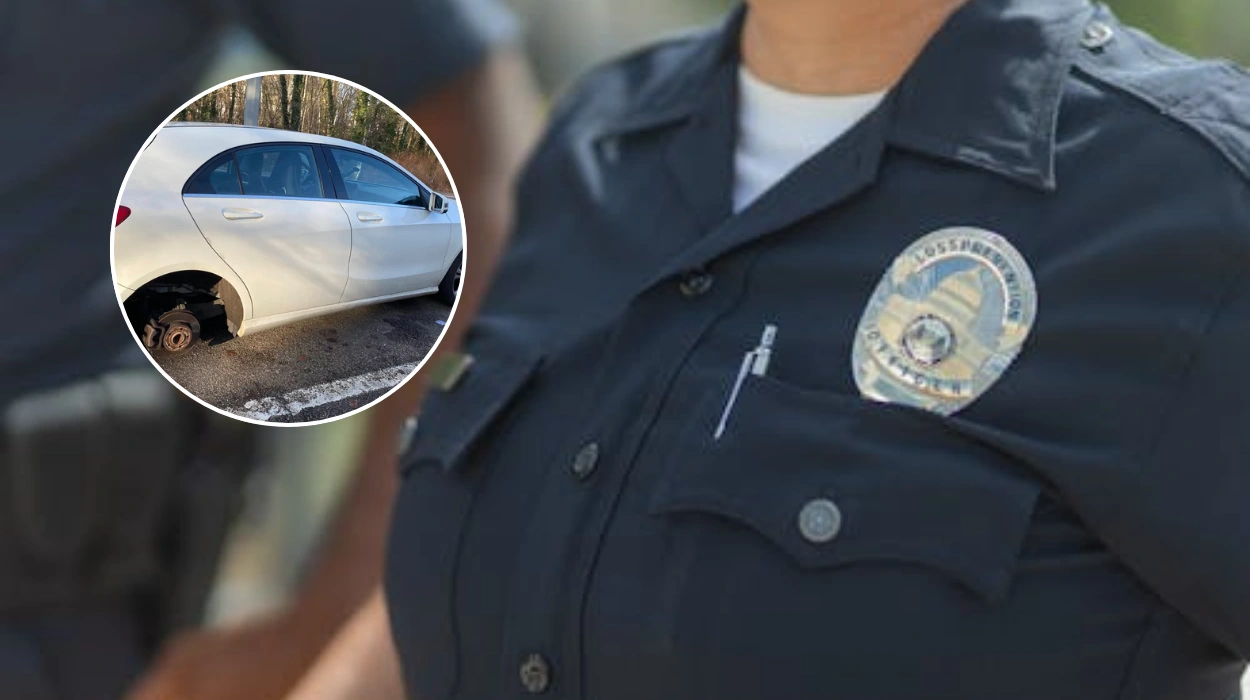
Genk (Brussels Morning Newspaper) – January 19, 2026 – Police in Genk have opened an investigation into the theft of two wheels from a parked car, described as a remarkable incident due to its specificity. The Carma police unit responded promptly to the report, securing the scene for forensic examination. Local authorities urge residents to review dashcam footage amid heightened vigilance.
- Details of the Theft Incident
- Carma Police Response and Investigation Steps
- Context of Vehicle Theft Trends in Limburg
- Security Measures Recommended by Authorities
- Forensic and Technical Analysis Underway
- Community Impact and Public Appeals
- Regional Police Collaboration Efforts
- Historical Precedents in Genk Vehicle Crimes
- Victim Support and Insurance Protocols
- Future Prevention Strategies Planned
The theft occurred in a residential area of Genk, a city in Limburg province, where an unidentified vehicle had two wheels removed overnight. The owner discovered the damage upon preparing to drive on the morning of January 18, 2026, prompting an immediate call to local law enforcement. Carma police, responsible for traffic and vehicle-related incidents, classified the case as unusual given the selective nature of the theft.
Details of the Theft Incident
The affected vehicle, a standard passenger car, sustained significant damage from the removal process. Reports indicate that the thieves targeted the front or rear wheels specifically, leaving the other two intact, which baffled initial responders. No signs of forced entry into the car itself were noted, suggesting the perpetrators operated swiftly under cover of darkness.
Eyewitnesses in the neighbourhood reported hearing no unusual noises during the estimated time frame between midnight and 4 a.m. The location, a quiet street with moderate surveillance, lacks dedicated CCTV coverage directly overlooking the spot. Carma police arrived within 30 minutes of the report, cordoning off the area to preserve potential tyre tracks or tool marks.
The owner cooperated fully, providing vehicle registration details and describing the wheels as standard alloy rims common to the model. Valuation estimates place the stolen parts at several hundred euros each, factoring in replacement costs.
Carma Police Response and Investigation Steps
Carma police, Genk’s specialised traffic enforcement unit, leads the probe under standard protocols for vehicle crimes. Officers conducted a preliminary sweep for fingerprints on the remaining wheel nuts and undercarriage. Forensic teams collected samples from the jacking points, where lifting equipment likely made contact.
Investigators canvassed nearby properties for private security cameras, expanding the search radius to adjacent streets. Preliminary findings rule out joyriding, as the engine and other valuables remained untouched. Police issued a public appeal for information, assigning a dedicated hotline for tips.
Genk police headquarters confirmed the case number and integration into the regional crime database, facilitating cross-referencing with similar incidents. Carma unit spokesperson noted that such targeted wheel thefts, while rare, occasionally occur in urban areas during economic pressures.
Context of Vehicle Theft Trends in Limburg
Limburg province has seen a uptick in opportunistic vehicle-related crimes over the past year. Statistics from the Federal Police indicate a 12% rise in parts thefts across Flanders in 2025, attributed to demand for second-hand components. Genk, with its industrial heritage and dense residential zones, reports higher incidences than rural counterparts.
Common targets include catalytic converters and alloy wheels, driven by resale value on black markets. Two-wheel thefts stand out for requiring specialised tools like hydraulic jacks and torque wrenches, implying organised intent. Local reports from Hasselt and Maasmechelen document analogous cases, prompting inter-municipal cooperation.
Authorities link some incidents to transient groups operating from nearby motorways, exploiting brief windows in well-lit but unmonitored areas.
Security Measures Recommended by Authorities
In response, Carma police distributed guidelines to Genk residents. Property owners should install motion-sensor lights and wheel locks for parked cars. Dashcams and home CCTV systems offer critical evidence, with police offering free registration for footage uploads.
The municipality plans temporary patrols in high-risk neighbourhoods, focusing on overnight hours. Collaboration with private security firms aims to deter repeat offences through visible presence. Residents received flyers detailing insurance claims processes for wheel replacements.
Genk city council allocated emergency funds for victim support, covering towing and initial repairs pending investigation outcomes.
Forensic and Technical Analysis Underway
Laboratory examination of lifted samples prioritises DNA traces from gloves or perspiration. Tool mark analysis compares impressions against known burglary kits catalogued regionally. The wheels’ unique tread patterns, if recovered, could yield leads via pawn shop monitoring.
Digital forensics trace online marketplaces for suspicious listings matching the description. Carma police liaised with Eurocarparts databases to flag bulk purchases of compatible replacements, a common post-theft pattern.
Progress updates promised within 48 hours, with potential elevation to federal level if organised crime links emerge.
Community Impact and Public Appeals
The incident unsettled the local community, prompting discussions on neighbourhood watches. Social media groups in Genk shared photos of the damaged vehicle, amplifying calls for enhanced policing. No prior complaints in the immediate vicinity suggest a targeted or random act.
Business owners near the scene reviewed stockroom security, fearing escalation to commercial targets. Schools and community centres issued advisories to parents on parking vigilance during drop-offs.
Carma police commended the victim’s calm response, which expedited evidence collection. Community leaders organised a forum to address rising petty crimes, inviting police briefings.
Regional Police Collaboration Efforts
Limburg’s police zones synchronised data on wheel thefts, identifying patterns like preferred models and times. Joint operations with Antwerp and Flemish Brabant units target resale hubs. Cross-border alerts to the Netherlands account for proximity to Eindhoven markets.
Federal guidelines mandate weekly reviews for clusters exceeding three incidents, triggering task forces. Genk’s case contributes to a 2026 dossier on parts smuggling.
Historical Precedents in Genk Vehicle Crimes
Genk records sporadic wheel thefts dating to 2020, often tied to economic downturns. A 2023 cluster involved four vehicles, leading to two arrests via CCTV. Lessons applied here include rapid public appeals yielding 30% solve rates.
Municipal archives document insurance payouts totalling €50,000 for similar cases since 2022. Trends show winter months as peak periods due to reduced visibility.
Victim Support and Insurance Protocols
The vehicle owner engaged insurers, who dispatched assessors same-day. Standard policies cover wheel thefts under comprehensive plans, minus excesses around €250. Temporary transport arranged via courtesy cars from local garages.
Victim support services offered counselling for property crime stress, standard in Belgian protocols. Police provided crime prevention literature tailored to Genk demographics.
Future Prevention Strategies Planned
Genk council debates subsidized wheel clamps for vulnerable households. Partnerships with auto associations explore communal surveillance apps. Long-term, budget proposals include 50 new CCTV installations by mid-2026.
Police training emphasises vehicle forensics, with Carma unit expanding staff. Regional Flemish initiatives fund tech upgrades across municipalities.
Stakeholders monitor developments closely, balancing response with resource allocation.