
Brussels Morning Newspaper diplomatic briefings and early international news updates have placed renewed focus on humanitarian access to Gaza, where mounting restrictions are reshaping the delivery of aid. At the center of the debate are Gaza aid group bans, which aid officials say are limiting their ability to provide food, medical care, and emergency relief to a civilian population facing deepening hardship.
As the humanitarian situation deteriorates, questions surrounding access, oversight, and security have intensified. Governments, international organizations, and relief agencies are now grappling with how these restrictions will affect Gaza’s already fragile humanitarian infrastructure in the weeks and months ahead.
What the Gaza Aid Group Bans Mean
Humanitarian access to Gaza has long been governed by strict controls, but recent decisions have introduced new layers of restriction for certain aid organizations. These measures include delays in approvals, limits on staff entry, and in some cases suspension of operational permissions.
Aid coordinators say Gaza aid group bans disrupt planning cycles and reduce predictability, making it difficult to sustain continuous assistance. In an environment where many civilians depend almost entirely on external aid, even temporary disruptions can have immediate consequences.
Which Aid Groups Are Affected
International and regional aid organizations report varying degrees of restriction. Some groups face administrative hurdles, while others describe near-total inability to operate. Smaller NGOs are particularly vulnerable, lacking the diplomatic leverage or logistical flexibility of larger institutions.
These limitations have affected food distribution networks, healthcare delivery, and shelter programs. As a result, Gaza aid group bans are reshaping not only who delivers aid, but also how and where assistance reaches civilians.
Israeli Government Position on Restrictions
Israeli officials argue that humanitarian access must be carefully monitored to prevent diversion of aid to militant groups. From this perspective, restrictions are framed as security measures rather than punitive actions against humanitarian actors.
Authorities emphasize that aid continues to enter Gaza through approved channels. However, critics argue that the cumulative effect of Gaza aid group bans reduces overall aid capacity, regardless of intent, and risks worsening civilian suffering.
Security Concerns Versus Humanitarian Imperatives
The tension between security oversight and humanitarian principles lies at the heart of the issue. Aid organizations stress neutrality and impartiality, arguing that restrictions undermine their ability to operate independently and effectively.
Experts note that when humanitarian access becomes unpredictable, programs stall and trust erodes. This dynamic has amplified concern over Gaza aid group bans, particularly as needs continue to rise faster than aid delivery capacity.

Impact on Healthcare Services
Medical aid groups report significant challenges under the current restrictions. Limits on staff rotation and medical supplies have disrupted emergency care, trauma treatment, and chronic disease management.
Hospitals and clinics already operating under extreme pressure face shortages of essential medicines and equipment. These conditions highlight how Gaza aid group bans translate directly into health risks for civilians, especially children and the elderly.
Food Security and Civilian Survival
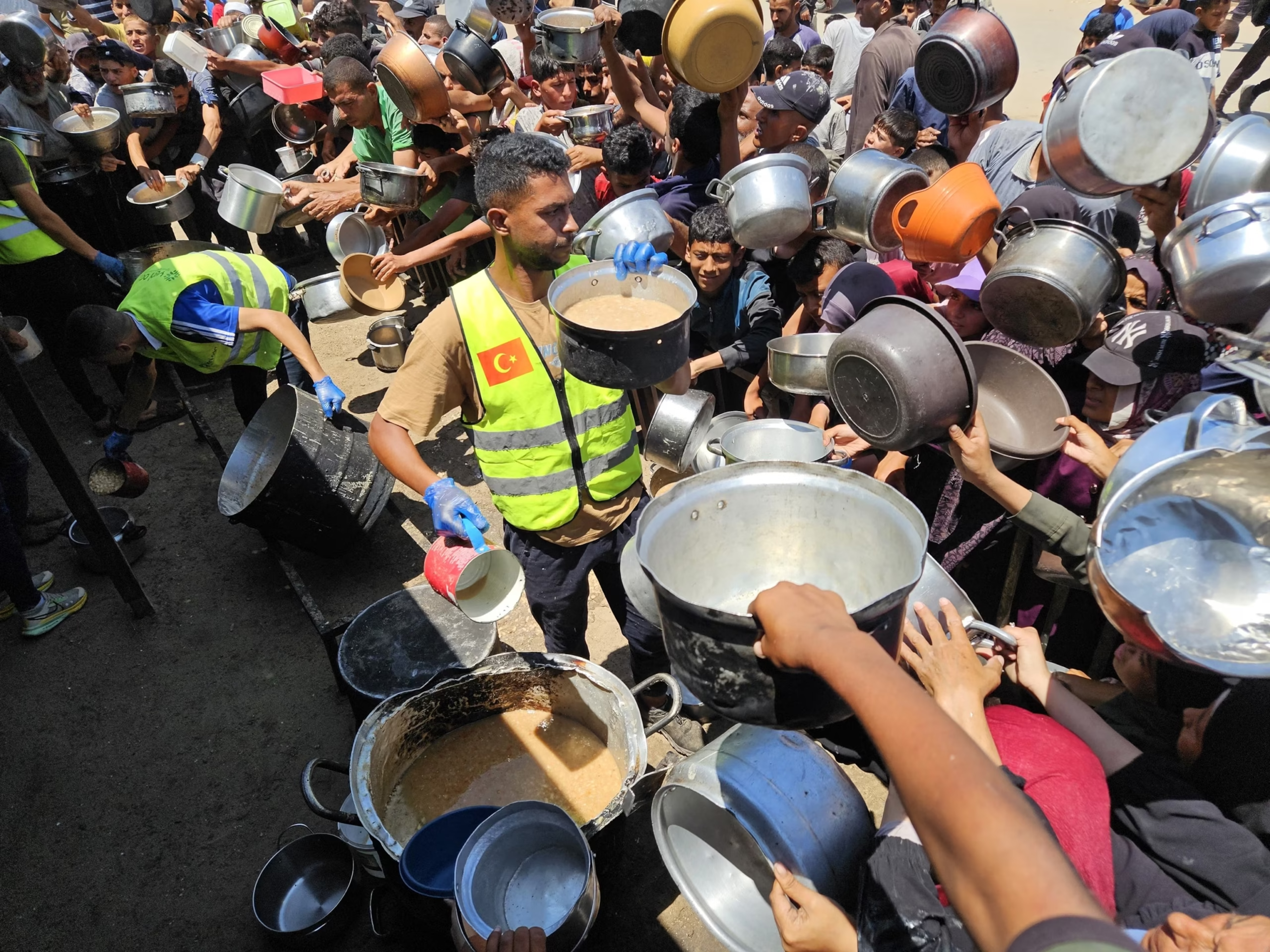
Food insecurity in Gaza has reached critical levels, with many families relying on aid for daily meals. Restrictions affecting food-focused organizations reduce distribution frequency and volume.
Humanitarian experts warn that malnutrition rates rise rapidly when aid is interrupted. In this context, Gaza aid group bans are not abstract policy decisions, but factors that shape whether families can meet basic nutritional needs.
Effects on Refugees and Displaced Families
Displacement within Gaza has increased pressure on aid systems. Families forced to relocate depend heavily on external support for shelter, sanitation, and basic services.
When aid groups are restricted, displaced populations face heightened vulnerability. Education programs, protection services, and psychosocial support are often among the first to be scaled back. These outcomes are closely linked to Gaza aid group bans and their ripple effects.
International Reactions and Diplomatic Pressure
Governments and international institutions have expressed concern over humanitarian access constraints. Calls for transparency and expanded humanitarian corridors have grown louder as reports of civilian hardship multiply.
Diplomats emphasize that sustained restrictions risk undermining international humanitarian norms. The issue of Gaza aid group bans has therefore become a focal point in broader diplomatic discussions about Gaza’s future.
Legal and Humanitarian Law Considerations
Human rights experts point to obligations under international humanitarian law to facilitate aid delivery to civilian populations. Restrictions that impede life-saving assistance may face legal scrutiny.
Documentation efforts by humanitarian organizations aim to clarify the scope and impact of access limitations. These legal perspectives add weight to concerns surrounding Gaza aid group bans, particularly as humanitarian indicators worsen.
Aid Organizations Adapt Under Pressure
To cope with restrictions, some aid groups are adjusting operations by partnering with local actors or modifying delivery methods. While adaptation can mitigate some challenges, it often reduces scale and effectiveness.
Smaller organizations, in particular, struggle to sustain operations under prolonged constraints. This reality underscores how Gaza aid group bans disproportionately affect less-resourced actors within the humanitarian sector.
Media Coverage and Public Awareness
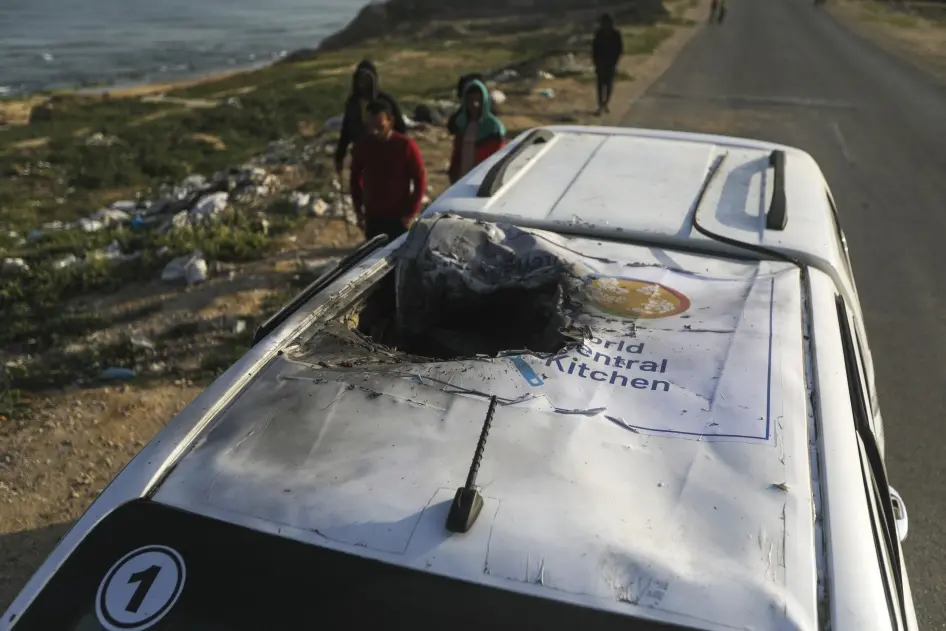
Media reporting has played a key role in bringing attention to humanitarian access issues in Gaza. Images of stalled aid convoys and overwhelmed facilities have fueled public concern and advocacy.
However, coverage varies widely in tone and framing. Accurate, contextual reporting is essential for understanding Gaza aid group bans and their real-world implications for civilians.
Broader Humanitarian Implications
Restrictions on aid groups intersect with broader challenges, including infrastructure damage, economic collapse, and limited access to clean water and electricity. Together, these factors deepen dependence on external assistance.
Analysts warn that prolonged Gaza aid group bans risk institutionalizing crisis conditions, making recovery increasingly difficult even if restrictions are later eased.
Regional Stability and Aid Coordination
Gaza’s humanitarian situation has implications beyond its borders. When aid delivery falters, pressure shifts to neighboring regions and international donors.
Global aid systems rely on predictability and neutrality. Disruptions linked to Gaza aid group bans challenge those principles and complicate coordination among donors and agencies worldwide.
Expert Perspectives on the Path Forward
Humanitarian experts argue that balancing security concerns with civilian protection requires clear guidelines, transparency, and coordination. Restoring trust between authorities and aid organizations is essential for improving access.
Looking ahead, the trajectory of Gaza aid group bans will play a critical role in shaping humanitarian outcomes. Whether restrictions tighten or ease will determine how effectively aid agencies can respond to growing needs.
As humanitarian conditions in Gaza continue to deteriorate, access restrictions have emerged as a defining issue. Gaza aid group bans are reshaping the humanitarian landscape, affecting healthcare, food security, and protection services for millions of civilians.
The balance between security and humanitarian imperatives remains contested, but the consequences of limited aid are clear and immediate. Understanding how and why these restrictions are applied is essential for policymakers, donors, and the international community as they seek to prevent further civilian suffering.