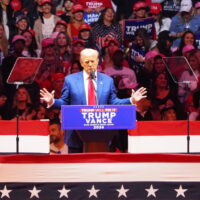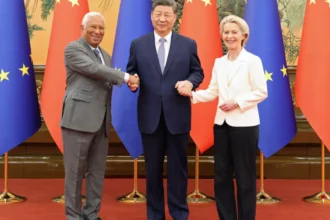
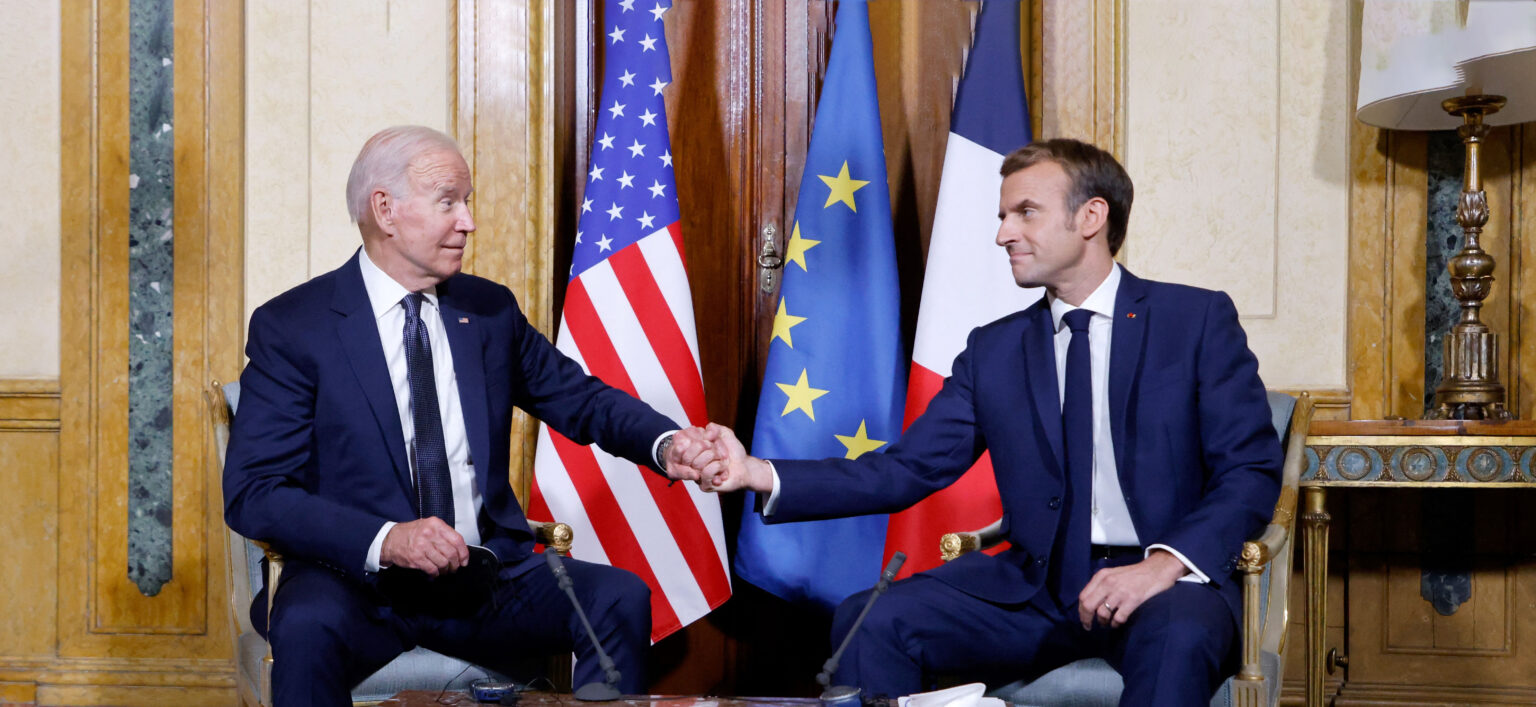
Brussels, January, 2026 — Brussels Morning Newspaper — In the heart of the European political capital, a renewed wave of diplomatic tension has placed France US relations firmly back on the international agenda. Recent remarks by former United States president Donald Trump, followed by a firm response from French President Emmanuel Macron, have sparked wide discussion among policymakers, analysts, and citizens on both sides of the Atlantic. The episode highlights not only a clash of political styles but also deeper questions about sovereignty, alliance management, and the future balance of power within Western partnerships.
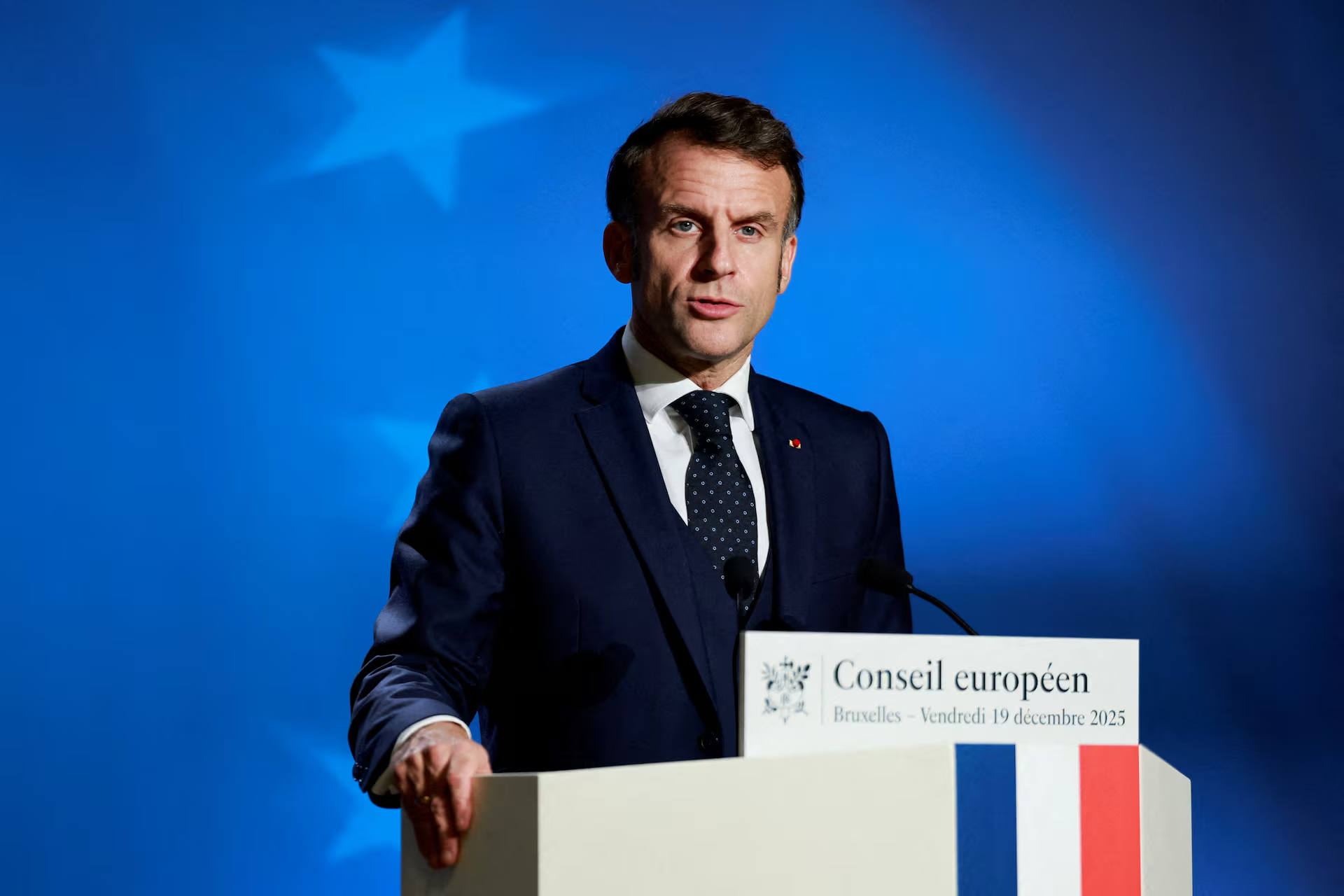
From Brussels, where European leaders were gathered for high-level meetings, Macron’s words were carefully chosen to signal resolve without provoking escalation. His message resonated across Europe, reinforcing the idea that partnership with Washington must be grounded in mutual respect rather than pressure.
A Long History Shaping Today’s Diplomatic Climate
To understand the current moment, it is essential to look at the long arc of France US relations, which stretch back to the birth of the American republic. France’s support during the American War of Independence forged an early bond that has endured through centuries of cooperation and occasional disagreement. From world wars to Cold War alliances, the two nations have often stood side by side while also asserting their own strategic interests.
This historical context gives added weight to present developments. When tensions emerge, they are not isolated events but chapters in an evolving partnership that has repeatedly adapted to global change.
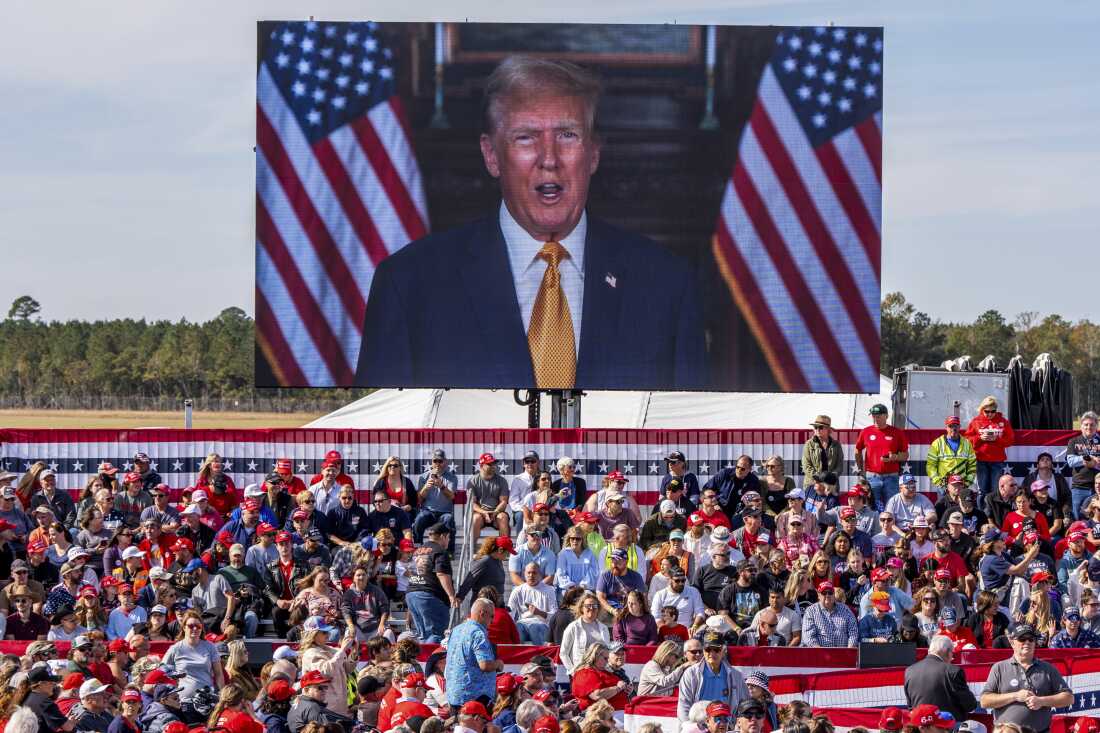
The Brussels Setting and Its Symbolism
Brussels was not a neutral backdrop for the latest exchange. As the administrative center of the European Union and a key hub for transatlantic dialogue, the city symbolizes Europe’s collective voice. Macron’s remarks delivered from this setting underscored a broader European stance rather than a purely national reaction.
Officials attending the meetings noted that discussions on defense, trade, and geopolitical stability were already colored by uncertainty in Washington’s political landscape. In that environment, the clarity of France’s position was seen as an effort to stabilize France US relations during a period of rhetorical volatility.
Leadership Styles and Diplomatic Tone
One of the defining features of the episode was the contrast in leadership styles. Trump’s confrontational rhetoric has long been a hallmark of his political identity, while Macron is known for measured language and emphasis on dialogue. This difference shaped public perception of the exchange and influenced how global media framed the story.
Analysts argue that tone matters as much as policy in modern diplomacy. Statements that appear dismissive or threatening can erode trust, while calm firmness can preserve channels of communication even amid disagreement. In this sense, Macron’s response was widely viewed as an attempt to protect France US relations from unnecessary deterioration.
Security Alliances and Shared Responsibilities
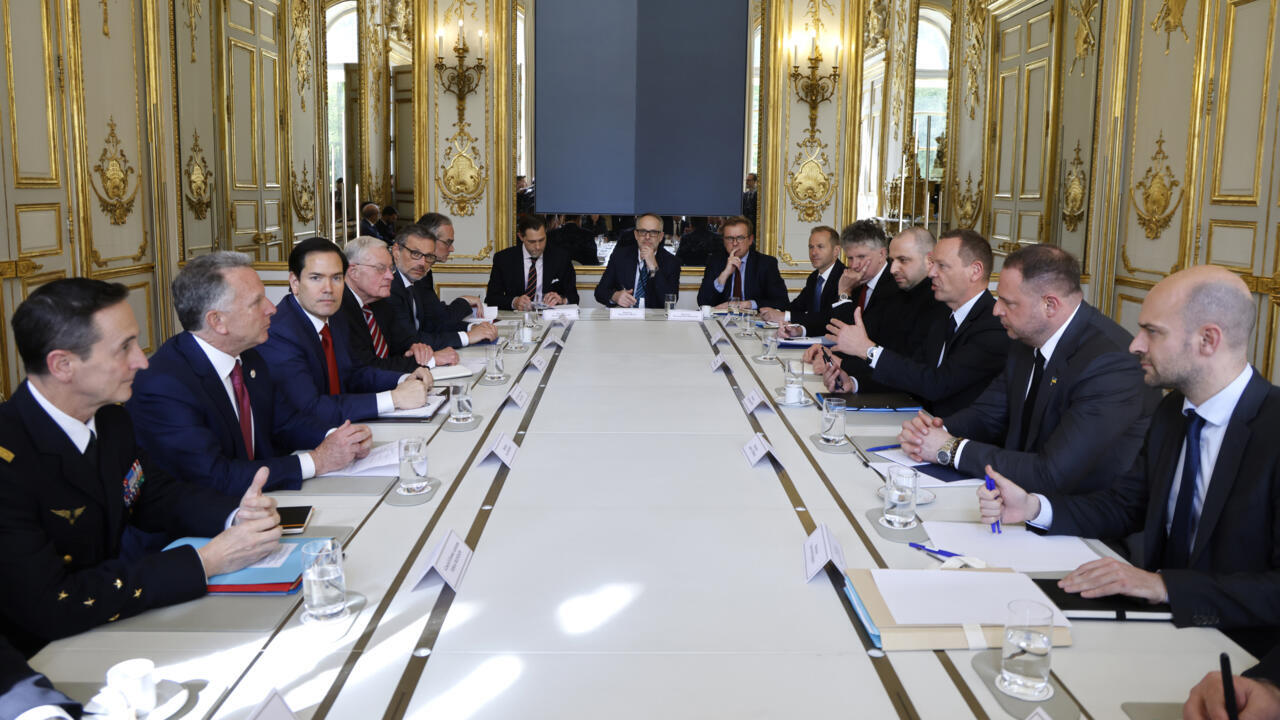
Security cooperation remains a cornerstone of transatlantic ties. Within NATO, France and the United States continue to coordinate on deterrence, crisis management, and defense modernization. However, debates over burden sharing and strategic priorities have intensified in recent years.
French officials emphasize that alliance strength depends on equitable contribution and respect among partners. The current debate has reignited calls for Europe to enhance its own defense capabilities, not as a rejection of the United States, but as a means of reinforcing France US relations through balanced partnership.
Economic Interdependence Beneath Political Disputes
Beyond security, economic ties form a dense web connecting Paris and Washington. Trade, investment, and technological collaboration bind the two economies together despite periodic disputes over tariffs, subsidies, and regulation. American companies remain major investors in France, while French firms play significant roles in US markets.
Economists note that economic interdependence often acts as a stabilizing force. Even when political rhetoric intensifies, practical considerations encourage dialogue and compromise. This underlying reality continues to anchor France US relations amid shifting political winds.
Domestic Reactions in France
Inside France, Macron’s stance drew broad attention. Supporters praised what they saw as a dignified defense of national sovereignty, while critics debated whether such firmness could complicate future negotiations. Public opinion surveys suggest that many French citizens favor a strong but cooperative approach toward Washington.
The discussion has also intersected with broader debates about Europe’s role in the world. For many voters, the episode reinforced the idea that France should remain an influential voice within Europe while maintaining constructive ties with the United States, a balance central to France US relations.
Reactions from Washington and Beyond
In Washington, reactions were mixed. Some commentators viewed Macron’s remarks as an understandable assertion of independence, while others warned that sharp exchanges could strain cooperation on global challenges. Officials emphasized continuity, noting that institutional ties often outlast individual leaders and election cycles.
Globally, observers from Asia, Africa, and the Middle East watched closely. Many saw the episode as illustrative of a broader trend in which traditional allies renegotiate terms of engagement in response to changing power dynamics. In that sense, France US relations were seen as a case study in modern alliance management.
Media Coverage and the Power of Headlines
International media coverage amplified the moment, with headlines highlighting both confrontation and restraint. The framing of the story influenced public understanding, often simplifying complex diplomatic realities into sound bites. Analysts caution that such coverage can shape perceptions in ways that complicate policy making.
Nevertheless, sustained attention also reflects the enduring importance of France US relations in global affairs. Few bilateral relationships command such scrutiny or carry such symbolic weight.
The Role of European Unity
Macron’s message also resonated within Europe, where leaders increasingly emphasize unity in external relations. Coordinated positions strengthen Europe’s negotiating leverage and reduce vulnerability to divide-and-rule tactics. Several European officials privately welcomed France’s clarity, viewing it as a reinforcement of collective confidence.
This emphasis on unity does not diminish bilateral ties with Washington. Instead, it seeks to place France US relations within a broader framework of European cohesion and shared responsibility.
A Single Voice from Diplomacy
Reflecting on the broader implications, one senior European diplomat observed,
“Respect between allies is not optional; it is the foundation on which lasting cooperation is built.”
The remark encapsulated a sentiment widely shared among policymakers seeking to navigate disagreement without undermining partnership.
Long-Term Strategic Considerations
Looking ahead, the trajectory of transatlantic ties will depend on multiple factors: leadership changes, global crises, and evolving public expectations. Climate change, technological competition, and regional conflicts all demand cooperation that transcends rhetoric.
In this context, maintaining resilient France US relations will require patience, communication, and a willingness to adapt. History suggests that the partnership has weathered many storms and emerged stronger through re-calibration.
Cultural and Societal Connections
Beyond politics and economics, cultural exchange continues to link French and American societies. Educational programs, tourism, and artistic collaboration foster mutual understanding that often endures beyond political cycles. These people-to-people ties provide a human dimension to France US relations, reinforcing empathy even during periods of tension.
Lessons from Past Disagreements
Past disagreements over issues such as military interventions or trade disputes offer valuable lessons. They demonstrate that disagreement does not equate to disengagement and that respectful debate can coexist with cooperation. Policymakers often point to these precedents when advocating calm responses to provocative rhetoric.
Such lessons remain relevant as leaders seek to preserve France US relations in an era of rapid change.
A Moment of Reflection for Allies
The Brussels exchange ultimately served as a moment of reflection rather than rupture. It highlighted differing approaches while reaffirming shared interests. By articulating firmness without hostility, France signaled confidence in its role as both an independent actor and a committed ally.
As diplomatic efforts continue, the challenge will be to translate rhetoric into constructive engagement that benefits both nations and the wider international community.
A Relationship Still Defining the West
As 2026 unfolds, France US relations remain a defining element of Western diplomacy. The recent episode in Brussels illustrated the complexities of modern alliances, where respect, autonomy, and cooperation must coexist. While rhetoric may fluctuate, the underlying partnership endures, shaped by history, necessity, and shared values.
For policymakers and citizens alike, the message is clear: dialogue grounded in respect offers the strongest path forward for an alliance that continues to influence global stability.