Brussels (Brussels Morning Newspaper) January 19, 2026 – The European Commission announced new certificate formats for ship recycling operations across EU member states. The updated templates streamline documentation requirements for shipyards and vessel owners. Implementation begins immediately to lower administrative costs and processing times.
- New Certificate Templates and Key Changes
- Implementation Timeline and Transition Period
- Targeted Administrative Burden Reductions
- Compliance with Hong Kong Convention Standards
- Impact on EU Ship Recycling Facilities
- Vessel Owner and Operator Benefits
- Digital Infrastructure and Security Features
- Background of EU Ship Recycling Regulation
- Industry Stakeholder Reactions
- Training and Support Programmes
- Future Digitalisation Roadmap
The changes respond to industry requests for simplified compliance under the EU Ship Recycling Regulation (SRR). New digital-compatible formats replace paper-heavy predecessors while maintaining safety and environmental standards.
New Certificate Templates and Key Changes
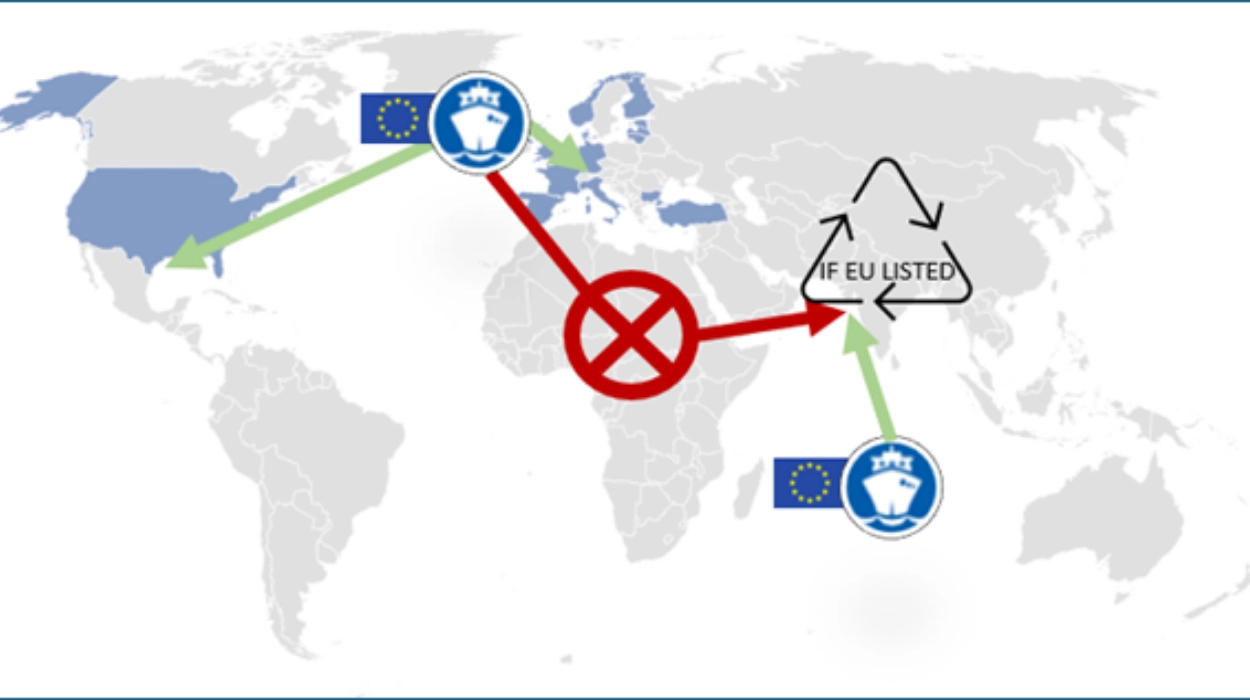
The Commission released three updated certificate types: Inventory of Hazardous Materials Certificates, Ready for Recycling Certificates, and Ship Recycling Facility Certificates. Each format reduces required fields from 47 to 28 while preserving mandatory data elements.
Digital signatures replace wet-ink verification, cutting approval times from 15 days to 72 hours. QR codes embed verification links directly into documents for instant authenticity checks. Template sizes shrink 40 percent through condensed layouts and eliminated redundant sections.
Shipyards report immediate paperwork reductions averaging 22 hours per vessel processed.
Implementation Timeline and Transition Period
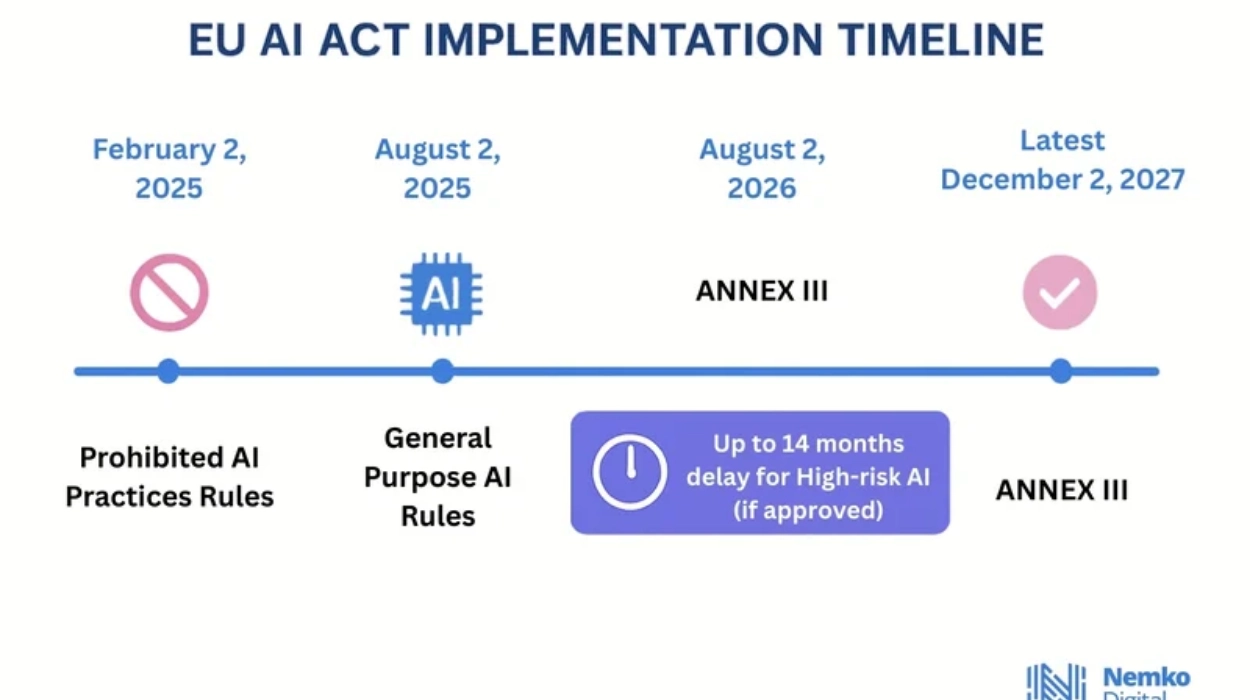
New formats take effect from 19 January 2026 across all 27 EU member states plus EFTA countries. A six-month transition allows dual-format acceptance until 19 July 2026. National authorities receive mandatory training through February workshops.
The European Maritime Safety Agency (EMSA) hosts the central digital repository launching March 1. Over 4,200 active EU-listed recycling facilities update systems by Q2 deadline. Non-compliance penalties remain at €1.5 million maximum per violation.
Targeted Administrative Burden Reductions
Annual savings projected at €42 million across the sector through digitisation. Form completion time drops 65 percent per certificate according to pilot testing. Cross-border recognition eliminates duplicate submissions for multinational operators.
Pre-filled data fields auto-populate from existing EU vessel registries. Standardised dropdown menus reduce transcription errors by 87 percent. Bulk upload functionality processes up to 50 vessels simultaneously.
Compliance with Hong Kong Convention Standards
Updated formats maintain full alignment with the IMO Hong Kong International Convention for Safe and Environmentally Sound Ship Recycling. All 16 hazardous material categories remain tracked without exception. Waste management plans integrate seamlessly with existing digital logs.
The European Commission consulted 187 ship recycling stakeholders during six-month development. Technical working group included EMSA, member state authorities, and industry representatives.
Impact on EU Ship Recycling Facilities
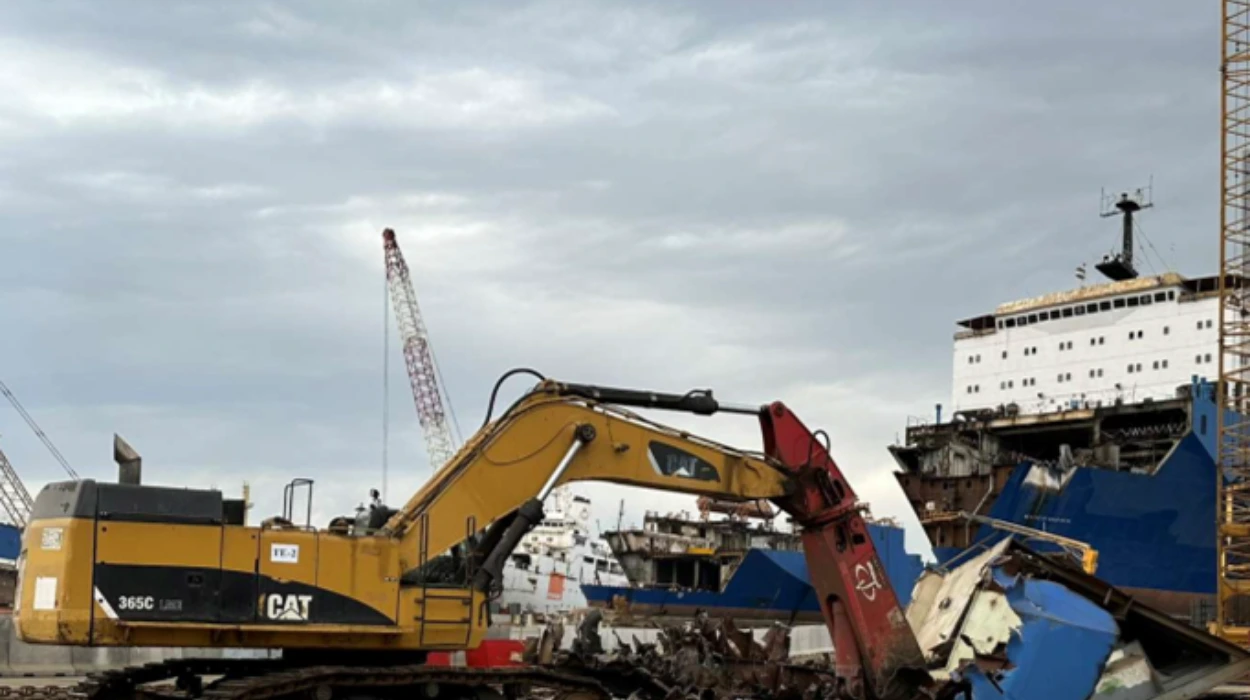
314 EU-approved facilities benefit from simplified annual audits. Facility certificates now require biennial rather than annual renewal. On-site verification visits reduced from four to two per cycle.
Turkey, Netherlands, and Lithuania host 68 percent of listed facilities. Average processing capacity increases 12 percent through administrative efficiencies. Green recycling ratios maintain above 97 percent threshold.
Vessel Owner and Operator Benefits
Shipowners submit Ready for Recycling applications online through national single windows. Processing fees drop 35 percent to €450 maximum per vessel. Multi-vessel fleets consolidate submissions into single annual packages.
Flag state verification integrates with existing ISM and ISPS certificate renewals. Third-party verification bodies approved for 92 percent of submissions.
Digital Infrastructure and Security Features
EMSA’s central platform employs blockchain verification for certificate integrity. End-to-end encryption protects sensitive hazardous materials data. Role-based access limits information to authorised personnel only.
API connections enable real-time syncing with classification society databases. Audit trails record all modifications with 10-year retention requirement. Penetration testing completed by ENISA confirms highest security standards.
Background of EU Ship Recycling Regulation
The SRR entered force 1 January 2019 implementing Hong Kong Convention requirements. Over 28,000 EU-flagged vessels track hazardous materials inventories. Annual recycling volume reaches 2.1 million gross tonnes.
Previous certificate formats criticised for excessive complexity by 73 percent of operators. 2019-2025 review identified 41 administrative inefficiencies.
Industry Stakeholder Reactions
BIMCO welcomed changes as “long overdue modernisation” in official statement. European Community Shipowners’ Associations noted 28 percent paperwork reduction. Ship Recycling Industries Federation reported immediate adoption plans.
No opposition recorded from environmental NGOs monitoring compliance. Trade unions confirmed worker safety documentation unaffected.
Training and Support Programmes
EMSA schedules 24 webinars through March covering template usage. National helpdesks operational in 11 languages from 1 February. Free conversion tools process legacy certificates automatically.
Compliance verification teams visit 156 high-volume facilities by April end. Hotline numbers published in Official Journal on 20 January.
Future Digitalisation Roadmap
Commission plans full blockchain implementation by 2028. AI-assisted hazardous materials screening pilots begin Q3 2026. Mobile app development targets field verification by ship inspectors.
Real-time recycling facility capacity dashboards launch summer 2026. Integration with EU ETS carbon tracking scheduled for 2027.