EU Summit: Exclusive $200B Russian Assets Aid Boost for Ukraine
As the EU summit unfolds amidst escalating tensions over the conflict in Ukraine, a significant and contentious question is at the forefront: can $200 billion in frozen Russian assets be effectively leveraged to support Ukraine? This financial debate has become a symbol of both hope and diplomatic complexity, reflecting broader challenges in the international community’s response to the crisis. The summit aims to balance political will, legal hurdles, and the urgent needs of Ukraine, while managing the potential repercussions that could arise from such an unprecedented move.
The Frozen Russian Assets
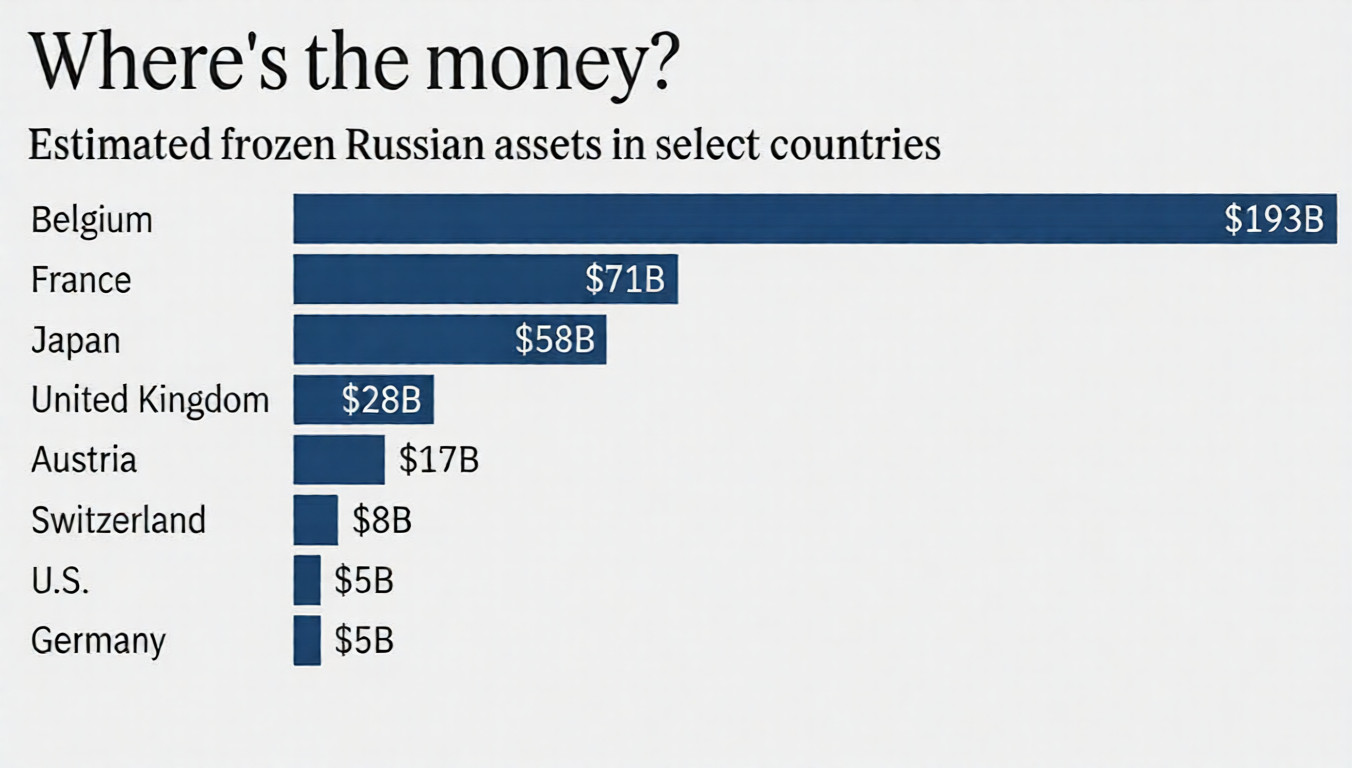
Since Russia’s invasion of Ukraine, Western countries, led by members of the European Union, have imposed a series of sweeping sanctions targeting key sectors of Russia’s economy. A critical component of these sanctions has been the freezing of Russian state-owned and oligarch-held assets abroad. The estimated total value of these frozen assets now surpasses $200 billion, encompassing bank accounts, real estate, luxury goods, and shares in major companies.
The rationale behind freezing these assets was largely twofold: to pressure the Russian government economically and to prevent these resources from financing ongoing military aggression. However, the question of what to do with these funds in the longer term has evolved. Many proponents argue that redirecting the frozen assets to aid Ukraine could provide vital financial relief, especially as the country grapples with reconstruction and humanitarian needs.
Legal and Political Challenges
Despite the clear urgency, turning frozen assets into Ukrainian aid is fraught with complexity. Legally, assets held in foreign jurisdictions must be handled according to strict international laws concerning ownership rights and due process. There is no existing international legal framework that allows direct seizure and transfer of a sovereign nation’s assets to another country, even in the context of conflict or sanctions.
The EU summit has placed this issue under intense scrutiny, with member states debating the possible mechanisms to unlock funds for Ukraine. Some advocate for the creation of a special international fund, managed by a coalition of allies, to ensure that disbursed money is spent transparently and effectively on reconstruction and humanitarian aid. Others remain cautious, wary of setting precedents or provoking retaliatory measures from Russia that could escalate the conflict further.
Economic Implications for Ukraine and the EU
For Ukraine, the potential access to $200 billion in frozen assets could be transformative. The war has devastated infrastructure, displaced millions, and strained public services to the breaking point. International donors have pledged billions in aid, but these resources are often spread thin across military support, humanitarian relief, and political needs. Direct injection of frozen Russian assets could enable large-scale rebuilding projects, stimulate economic recovery, and help stabilize the Ukrainian economy in the long term.
For the EU, there is also a strategic calculus. The economic fallout of the war has affected neighboring countries through energy prices, refugee flows, and disrupted trade. Supporting Ukraine’s rebuilding could contribute to regional stability and reduce the risk of prolonged conflict. However, member states are divided over the extent of financial commitments and the legal risks involved in appropriating foreign assets.
The International Response and Diplomatic Maneuvers
Beyond the EU, the issue has drawn attention from the United States, G7 nations, and international organizations such as the United Nations and the International Monetary Fund. Many global leaders express support for innovative solutions to support Ukraine, including the possibility of redirected Russian assets. U.S. officials have hinted at exploring legal pathways to facilitate this funding while ensuring it aligns with international law.
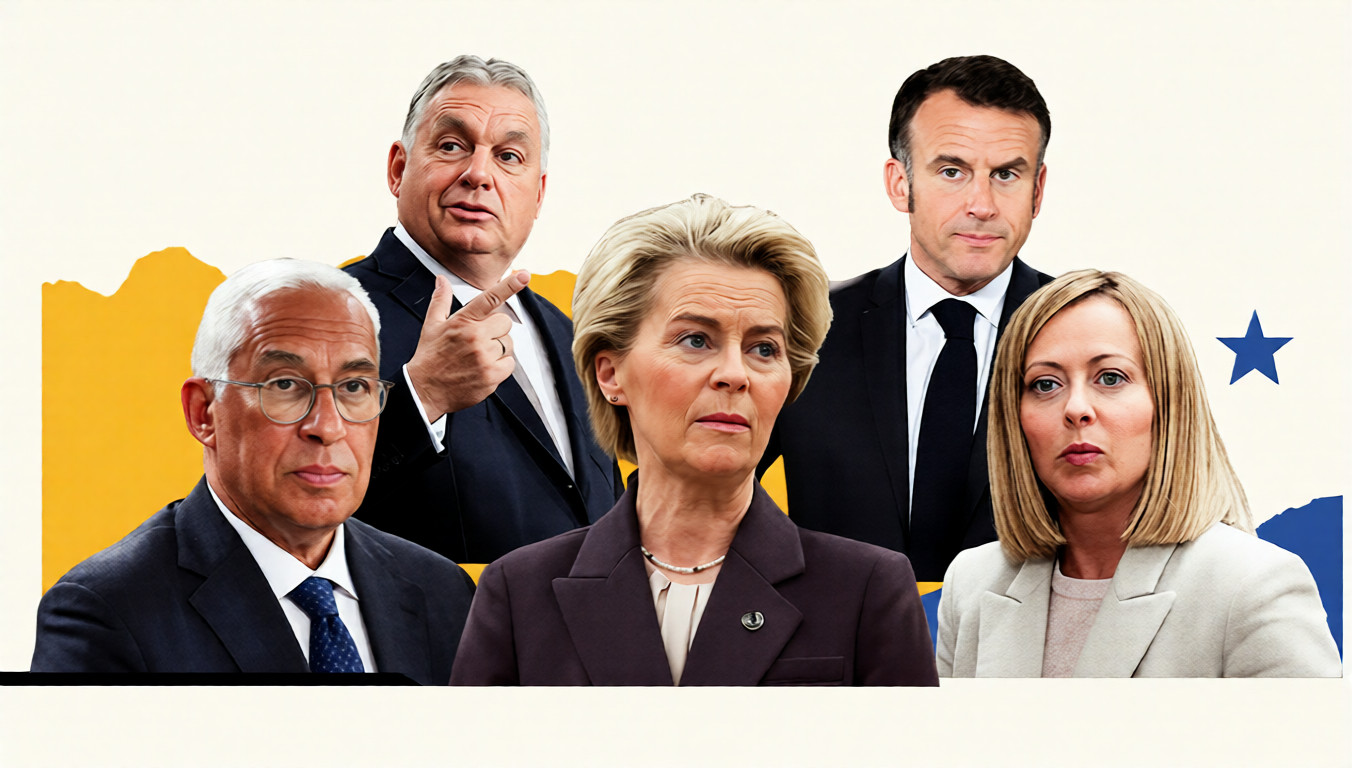
Diplomatically, the summit is also a delicate balancing act. The EU countries aim to present a united front, but internal divisions over how aggressively to confront Russia complicate consensus-building. Some member states advocate for greater solidarity with Ukraine and stronger sanctions enforcement, while others prioritize dialogue to avoid further destabilization.
Potential Scenarios for Utilizing Frozen Assets
Several actionable scenarios are being discussed at the summit:
- Creation of an International Reconstruction Fund: Pooling frozen Russian assets into a dedicated fund managed by international institutions could allow structured and monitored disbursement directly to Ukraine’s reconstruction projects.
- Direct Transfer to Ukrainian Government Accounts: While this is legally more complex, some propose that assets held in countries supportive of Ukraine could be seized and transferred directly, with rigorous oversight.
- Compensation Claims Through International Court: Ukraine and its allies might pursue legal battles in international courts to formally claim compensation for damages caused by Russia’s aggression, potentially using the frozen assets as part of settlements.
- Sanction-Backed Financial Instruments: Leveraging the assets to back loans or guarantees can help Ukraine attract private investment while mitigating risks for lenders.
Risks and Criticism
Despite optimistic outlooks, there are significant risks:
Legal pushback from Russia and its allies could stall implementation or provoke counter-sanctions.
Asset valuation and liquidity issues could delay access to funds.
Corruption concerns within Ukraine might complicate donor confidence and affect transparency.
Geopolitical repercussions, including worsening EU-Russia relations and increased war volatility.
Critics argue that focusing too much energy on asset seizure could distract from diplomatic efforts to negotiate peace and might set a controversial precedent in international relations.
A Crucial Moment for EU’s Role in Supporting Ukraine
The EU summit represents a critical juncture for the international community’s efforts to respond effectively to the Ukraine crisis. While the prospect of channeling $200 billion in frozen Russian assets to Ukraine offers unprecedented financial support, it also raises intricate legal, political, and ethical questions. Finding a path forward will require balancing an urgent need for aid with respect for international law and unity among allies.
As negotiations continue, the world watches closely to see whether this historic opportunity can result in tangible relief for Ukraine, or if bureaucratic and geopolitical challenges will keep these funds locked away, leaving Ukraine to face its immense challenges largely on its own. Either way, the decisions made at this summit will have far-reaching implications for international law, sanctions policy, and the future of post-war reconstruction.