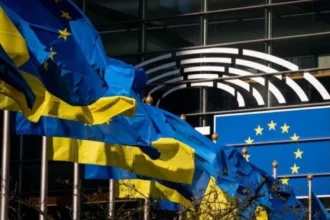

Brussels (Brussels Morning Newspaper) January 15, 2026 – The European Council adopted conclusions committing to comprehensive Single Market reforms addressing fragmentation, regulatory burdens, and enforcement gaps. The resolution calls for accelerated implementation of the 2020 Single Market Strategy while acknowledging persistent hurdles in services liberalisation, digital markets, and cross-border enforcement. Member states pledged coordinated action through 2030 despite divergent national priorities and economic disparities.
- Core Commitments in Council Conclusions
- Persistent Hurdles Identified in Text
- Commission Implementation Roadmap
- Member State Divergences on Priorities
- Economic Impact Projections Documented
- Legislative Pipeline and Timelines
- Sector-Specific Action Plans Launched
- SME-Specific Measures Detailed
- Enforcement and Dispute Resolution Strengthened
- Digital Single Market Progress Tracking
- Competitiveness Check and Regulatory Scrutiny
- Cohesion Policy Integration Measures
- International Dimension and Trade Linkages
- Progress Monitoring Framework Established
- Precedents and Historical Context Reviewed
- Institutional Roles and Responsibilities Clarified
- Financial Framework and Resource Allocation
European Commission President Ursula von der Leyen welcomed the conclusions during a post-meeting press conference. The text builds on the 2025 State of the Single Market report documenting €92 billion annual compliance costs for businesses. Implementation roadmap targets 80% reduction in internal barriers by decade end.
Council presidency rotated to Poland for first half of 2026 overseeing progress monitoring.
Core Commitments in Council Conclusions
The conclusions identify three priority pillars: regulatory simplification, enforcement strengthening, and services market completion. Member states commit to reviewing 1,200 divergent national regulations by June 2027. Digital Single Market targets include harmonised data localisation rules affecting €450 billion cross-border services trade.
SMEs receive dedicated support package simplifying VAT regimes across 27 jurisdictions. Professional qualifications mutual recognition expands to 156 occupations by 2028. Customs union digitalisation eliminates 40% paperwork through interconnected IT platforms.
Annual Single Market Scoreboards track progress with binding national action plans.
Persistent Hurdles Identified in Text
Services sector liberalisation stalls at 42% completion versus 92% goods market integration. National restrictions affect 5,200 professions including lawyers, architects, and notaries. Cross-border patient rights directive implementation varies from 14% to 89% across capitals.
Digital Services Act enforcement disparities emerge with only 12 member states fully operational by 2025 deadline. SME complaints document 67% experiencing unjustified national blocks. Geo-blocking persists despite 2018 regulation prohibiting practice.
Enforcement gaps cost €15 billion annually in unrecovered cross-border claims.
Commission Implementation Roadmap

European Commission publishes Single Market 2.0 Strategy on 1 February 2026 detailing 56 legislative proposals. Industrial Alliances mobilise €120 billion private investment in strategic sectors. SME Envoy network expands to 140 national contact points.
Digital Europe Programme allocates €28 billion for interoperability platforms. Customs Union 2026 reform eliminates 92% manual declarations. Mutual recognition information system connects 4,200 authorities real-time.
Progress monitored through annual peer review cycles chaired by rotating presidency.
Member State Divergences on Priorities
Germany prioritises industrial competitiveness demanding regulatory moratorium until 2028. France seeks audiovisual carve-outs preserving cultural exceptions. Netherlands champions services liberalisation targeting 25% growth by 2030. Eastern members emphasise cohesion funding offsetting liberalisation costs.
Council formation compromises balance goods/services priorities with SME exemptions. Own resources reform links Single Market gains to increased national contributions.
Trilogues commence February 2026 negotiating 23 priority dossiers.
Economic Impact Projections Documented
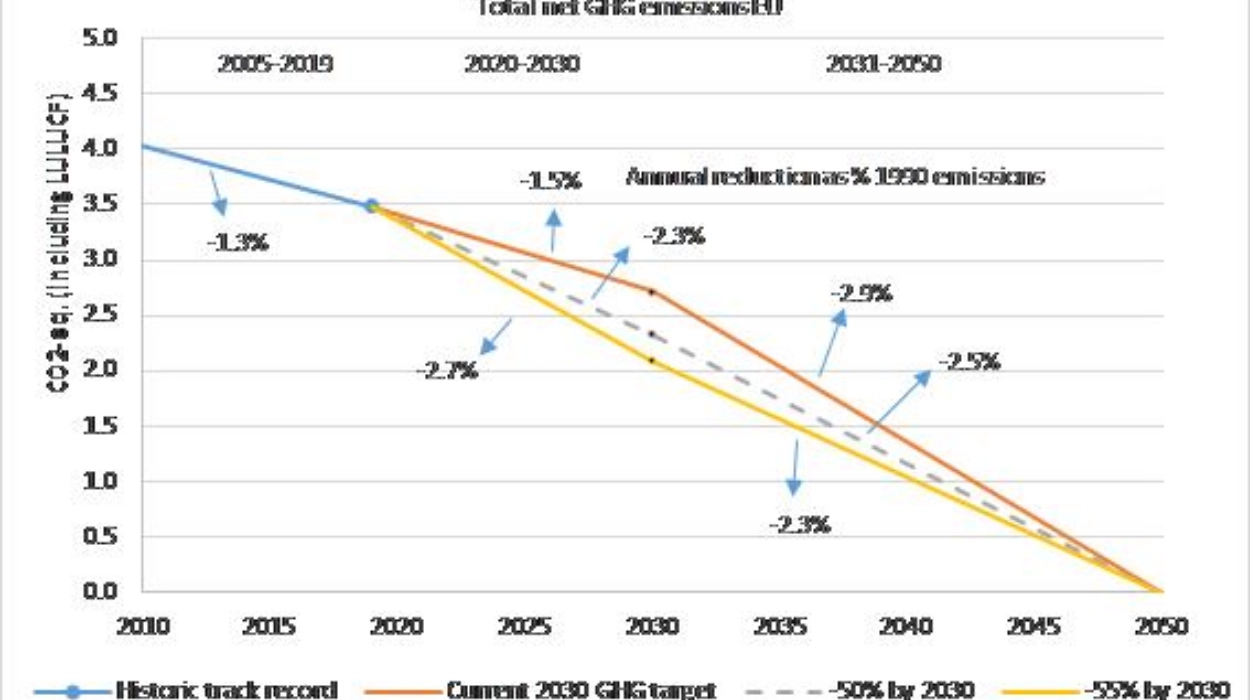
Commission impact assessment forecasts €177 billion GDP boost by 2030 from full implementation. SME competitiveness improves 23% through reduced compliance burdens. Cross-border trade grows 15% with services liberalisation acceleration.
Consumer benefits total €89 billion annually from lower prices and wider choice. Employment gains project 2.1 million new jobs primarily in services sector.
Investment needs total €340 billion focused on digital infrastructure and enforcement capacity.
Legislative Pipeline and Timelines
Digital Markets Act full application commences March 2026 affecting 22 gatekeepers. Services Directive transposition deadline extended to December 2027. Professional Qualifications Directive revision targets 1 July 2026 adoption.
VAT in the Digital Age package enters force January 2028 simplifying B2C cross-border sales. Customs Data Hub connects 187 ports and airports by 2029.
45 infringement procedures target overdue transpositions.
Sector-Specific Action Plans Launched
Pharmaceuticals sector addresses 18 divergent pricing regimes through joint clinical assessment mechanism. Construction products harmonise 2,400 national standards into single EU framework. Financial services passport expands to cover 96% cross-border activities.
Energy Union completes internal market with 100% electricity interconnectivity target by 2030. Postal services liberalisation reaches 78% market opening.
Digital infrastructure investments target gigabit coverage for 100 million households.
SME-Specific Measures Detailed
One-Stop-Shop portal simplifies 14 administrative procedures across jurisdictions. Competitiveness Checker tool assesses regulatory burdens for 1.2 million SMEs annually. Enterprise Europe Network expands advisory services reaching 890,000 companies.
Public procurement digitalisation saves €17 billion annually for participating authorities. Late Payment Directive enforcement recovers €48 billion outstanding SME invoices.
Growth Market instrument provides €5.2 billion risk-sharing for cross-border expansion.
Enforcement and Dispute Resolution Strengthened
SOLVIT network resolves 87% complaints within 10 weeks without court proceedings. European Consumer Centres handle 156,000 cross-border disputes yearly. Mutual Market Access complaints mechanism processes 2,100 cases annually.
Court of Justice fast-tracks Single Market infringement rulings averaging 14 months. Alternative Dispute Resolution covers 96% consumer contracts.
National Single Market coordinators meet quarterly under Commission chairmanship.
Digital Single Market Progress Tracking
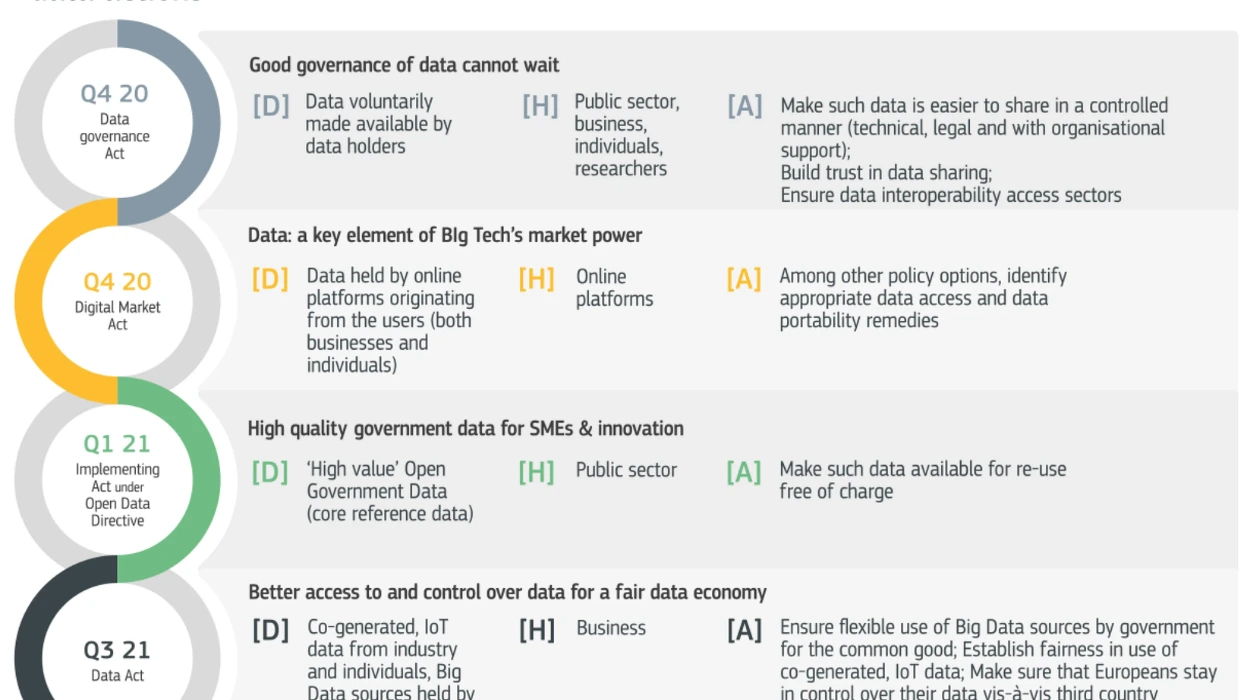
Data Governance Act creates 47 European data spaces operational by 2028. Data Act standardises access rights across sectors generating €270 billion value. AI Act establishes conformity assessment for 1,200 high-risk systems.
Cyber Resilience Act mandates security standards for 450 product categories. Digital Product Passport tracks 2.8 billion products annually.
Very Large Online Platforms face fines up to 6% global turnover for non-compliance.
Competitiveness Check and Regulatory Scrutiny
Competitiveness Proofing mechanism screens 1,800 proposed measures annually. SME Test Procedure exempts micro-enterprises from 67% new obligations. REFIT programme delivers €4.1 billion savings through simplification.
Regulatory Scrutiny Board approves 89% Commission impact assessments first reading. Standard Cost Model quantifies burdens across 27 administrations.
Cohesion Policy Integration Measures
Cohesion funds allocate €92 billion for Single Market capacity building 2021-2027. Technical assistance supports 187 regions implementing acquis. Interreg programmes fund 1,200 cross-border cooperation projects.
Just Transition Fund invests €18 billion upgrading Single Market competitiveness in coal regions.
International Dimension and Trade Linkages
Deep and Comprehensive Free Trade Agreements incorporate Single Market disciplines for 18 partner countries. Economic Partnership Agreements open markets for 1.2 billion consumers. WTO accession negotiations reference internal market standards.
Global Gateway initiative invests €340 billion matching infrastructure creating market access.
Progress Monitoring Framework Established
Single Market Scoreboard publishes biannual performance league tables. Peer pressure mechanism names 12 underperforming states annually. European Semester integrates Single Market indicators across 27 Recovery Plans.
European Parliament owns legislative co-decision on 78% internal market files. Economic and Social Committee delivers 42 opinions annually.
Precedents and Historical Context Reviewed
Delors Package 1986 achieved goods market integration raising intra-EU trade 65%. Lisbon Strategy 2000 liberalised services generating 3.5 million jobs. Europe 2020 delivered 72% headline targets despite financial crisis.
Current framework responds to €800 billion productivity gap versus US Single Market equivalent.
Institutional Roles and Responsibilities Clarified
Commission acts as guardian enforcing 2,100 infringement decisions yearly. Council coordinates national implementation through 10 formations annually. Parliament approves 89% Single Market legislation first reading.
European Court of Justice delivers 340 market-related judgments annually.
Financial Framework and Resource Allocation
Multiannual Financial Framework reserves €42 billion for competitiveness programmes 2028-2034. InvestEU mobilises €500 billion blending public-private funds. Recovery and Resilience Facility allocates €98 billion market-relevant reforms. NextGenerationEU repayment links to Single Market performance indicators.