Brussels (Brussels Morning Newspaper) – The European Parliament is expected to vote on whether to apply an accelerated procedure to a proposed €90 billion financial support package for Ukraine on 20 January, in a move designed to speed up the institution’s formal position on the measure.
- Accelerated procedure and parliamentary process
- Scope and nature of the proposed €90 billion support
- Relationship with wider EU support to Ukraine
- Next steps after the 20 January vote
- Institutional roles and decision‑making framework
- Budgetary context and financial oversight mechanisms
- Impact on Ukraine’s fiscal stability and reconstruction planning
- Political and diplomatic context within the European Union
The planned vote concerns only the procedure, not the final adoption of the €90 billion package, which would still require further parliamentary and member-state approval. The accelerated procedure, if endorsed by a majority of Members of the European Parliament (MEPs), would allow the file to move more quickly through the Parliament’s internal decision-making stages.
The proposal forms part of a wider effort within the European Union to ensure continued macro-financial assistance to Ukraine. At this time, no final decision on the aid amount, conditions, or disbursement schedule has been formally adopted by the Parliament.
The Parliament is scheduled to decide on 20 January whether to fast‑track its handling of a proposal to provide €90 billion in support to Ukraine, using an accelerated procedure intended to shorten internal legislative steps and enable a swifter political position on the package. The vote, which relates specifically to the procedural treatment of the file, would allow the institution to move more rapidly to later stages of scrutiny and adoption if the procedure is approved.
Accelerated procedure and parliamentary process
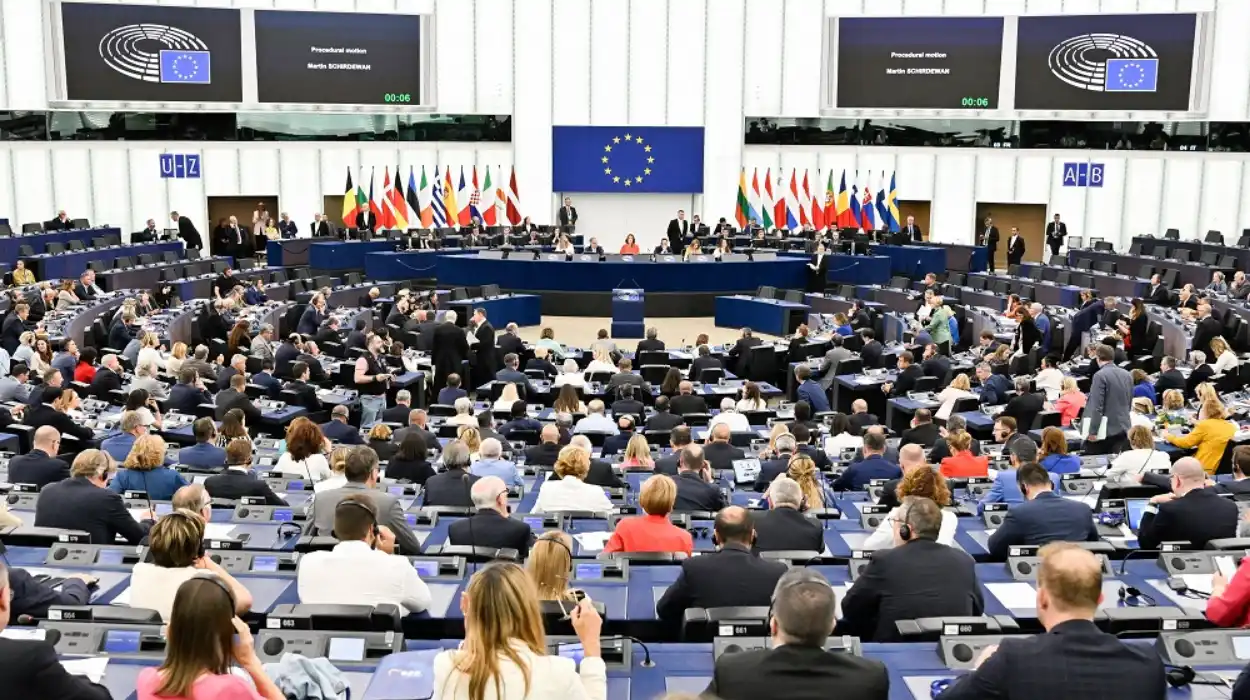
Under the European Parliament’s rules of procedure, an accelerated or urgent procedure can be used to shorten the time allocated to committee work and plenary debate, with the aim of reaching a position more quickly on files considered time‑sensitive. In practice, this often involves reducing the period for tabling amendments, advancing the timetable for committee votes, and bringing the matter earlier to a plenary sitting.
The decision to apply such a procedure is taken by a vote in plenary, usually on the basis of a recommendation or request tabled by Parliament’s political leadership or a competent committee.
If MEPs approve the accelerated treatment on 20 January, the proposed €90 billion support package for Ukraine would move to subsequent stages more quickly than under the standard timetable. Those later stages may include detailed examination and amendments in committee, followed by a plenary vote on the Parliament’s position to be used in negotiations with EU member states, depending on the legal basis and inter‑institutional arrangements.
If the accelerated procedure is not approved, the file would proceed according to the normal legislative or budgetary calendar.
Scope and nature of the proposed €90 billion support
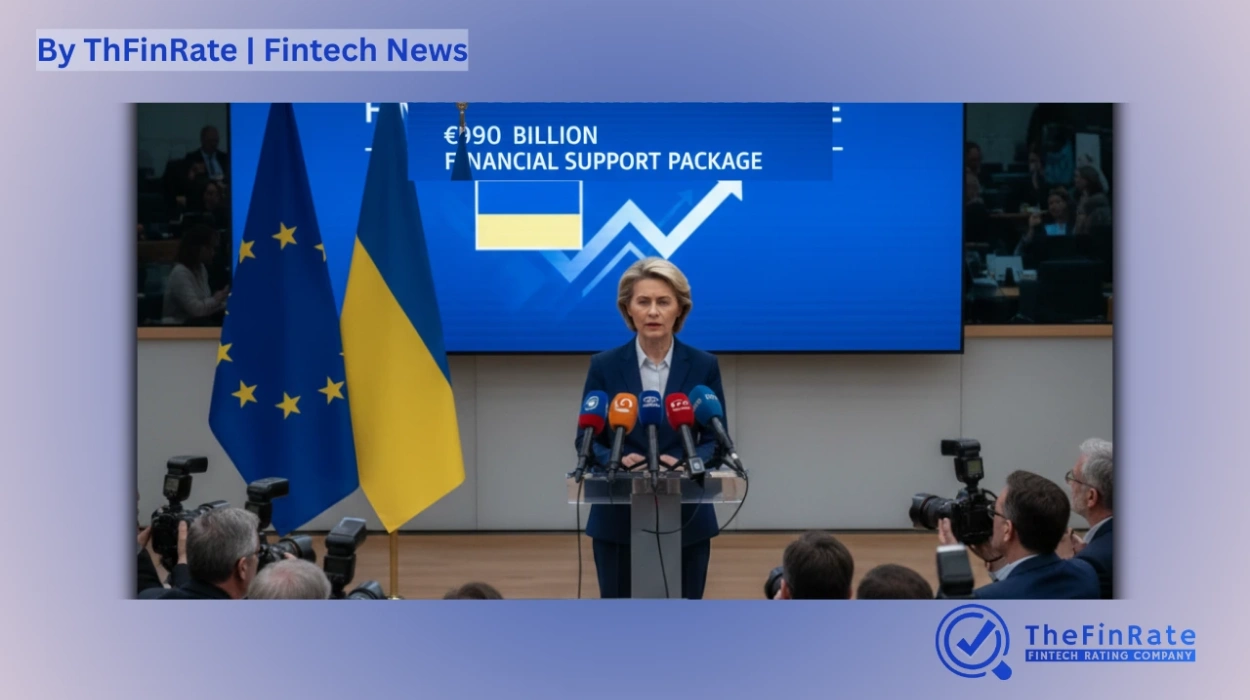
The proposed €90 billion package is framed as financial support for Ukraine, with the aim of providing predictable assistance over a defined multi‑year period. Such EU support typically takes the form of macro‑financial assistance, budgetary support or loans and grants linked to agreed conditions, including reforms, transparency requirements and reporting obligations.
The exact composition of the €90 billion package, including the split between grants and loans, the duration of the programme and specific conditionality, would be set out in the underlying legal and financial instruments, which are subject to separate institutional procedures and votes.
Within the EU framework, large multi‑year support packages for Ukraine are often aligned with broader instruments such as the EU’s multiannual financial framework or dedicated Ukraine facilities that combine loans, grants, and guarantees. These arrangements usually require joint decision‑making by the Parliament and the Council, with the European Commission responsible for proposing the legal texts and, later, for implementing the assistance once adopted.
The proposed €90 billion package would therefore sit within this established EU architecture for external support, although the specific operational details will depend on the final legal acts.
Relationship with wider EU support to Ukraine
The move to consider an accelerated procedure comes against the backdrop of ongoing EU financial, humanitarian and military support to Ukraine since the start of Russia’s full‑scale invasion in February 2022. The EU and its member states have collectively committed significant financial assistance to Ukraine, including macro‑financial assistance packages, emergency budget support, and funds for reconstruction, energy resilience and critical infrastructure.
These measures are complemented by humanitarian aid, civil protection assistance and support for refugees.
In this broader context, a €90 billion proposal would represent a further effort to provide multi‑year, predictable financing that can help the Ukrainian authorities plan public spending, maintain essential services and support economic stability. The accelerated procedure in the Parliament is intended to ensure that the institution can adopt its position in a timely manner so that negotiations with member states, where required, can take place without unnecessary delay.
The overall level of EU support to Ukraine, however, remains subject to decisions by both the Parliament and the Council, and to national ratification steps where applicable.
Next steps after the 20 January vote
The immediate outcome of the 20 January vote will determine only whether the accelerated procedure is granted for the Parliament’s handling of the €90 billion Ukraine support proposal. If the motion is approved, the file would be placed on a shortened timetable and could be scheduled more quickly for further committee and plenary consideration.
In such a scenario, Parliament’s political groups and relevant committees would work under tighter deadlines to finalise amendments and rapporteur reports, before a subsequent plenary vote on the substance of the package.
If the Parliament votes against the accelerated procedure, the proposal would continue under ordinary scheduling, following the usual sequence of committee examination, possible trilogue negotiations with the Council, and a plenary vote. Regardless of the timetable chosen, the final adoption of the €90 billion package will depend on agreement between the EU co‑legislators and, where necessary, on additional national steps in member states.
Until those processes are completed, the proposed amount and parameters of the package remain subject to change in the course of negotiations.
Institutional roles and decision‑making framework

Several EU institutions play distinct roles in advancing a major support package such as the proposed €90 billion for Ukraine. The European Commission is typically responsible for drafting the legislative and financial proposals, conducting impact assessments where required, and presenting the rationale, structure and conditions for the assistance. Once the proposal is submitted, the European Parliament and the Council of the European Union scrutinise, amend and decide on the text in line with the relevant legislative or budgetary procedures.
Within the Parliament, the file is usually assigned to one or more lead committees, which review the proposal, draft reports, and prepare amendments and compromise texts. Other committees may provide opinions on specific aspects, such as budgetary implications, foreign affairs or development.
The decision to seek an accelerated procedure is commonly taken when the responsible committee or the Parliament’s Conference of Presidents considers that the urgency of the matter warrants a shortened timetable. The plenary then has the final say on whether to accept this request.
Budgetary context and financial oversight mechanisms
A €90 billion support package for Ukraine would sit within the EU’s broader budgetary framework, which is governed by the multiannual financial framework and annual budgetary procedures. Large multi‑year support instruments typically require adjustments to existing budget lines or the creation of dedicated facilities, with corresponding ceilings and guarantees. These decisions must respect EU fiscal rules and are subject to parliamentary and Council approval, as well as scrutiny by oversight bodies such as the European Court of Auditors.
Financial support to third countries, including Ukraine, is generally accompanied by monitoring and reporting requirements designed to ensure sound financial management and proper use of EU funds. This may include regular reporting by the Commission to the Parliament and Council, audits and evaluations, and, where relevant, the application of conditionality clauses linked to governance, rule of law standards or specific reform benchmarks.
The €90 billion proposal would be expected to incorporate similar safeguards and oversight provisions once the detailed legal texts are finalised.
Impact on Ukraine’s fiscal stability and reconstruction planning
EU macro‑financial and budgetary support has been an important component of Ukraine’s efforts to maintain fiscal stability during wartime conditions, enabling the government to finance public sector wages, pensions and essential services. Predictable multi‑year assistance, such as that envisaged in a €90 billion package, allows Ukrainian authorities to plan expenditure and coordinate with other international partners and financial institutions.
It also interacts with programmes supported by institutions such as the International Monetary Fund and the World Bank, which assess Ukraine’s fiscal needs and reform progress.
Beyond immediate budget support, long‑term EU assistance is expected to play a role in Ukraine’s reconstruction and recovery, including investments in infrastructure, energy systems, housing and public services. While the proposed €90 billion package is primarily framed as financial support, its design is likely to take into account the dual objectives of short‑term stabilisation and longer‑term recovery.
The accelerated procedure in the European Parliament is aimed at ensuring that decisions on such support can be taken in a timeframe that reflects Ukraine’s ongoing needs and the evolving security and economic situation.
Political and diplomatic context within the European Union
The decision to consider an accelerated procedure for the €90 billion Ukraine package reflects ongoing political discussions within the EU about the scale and duration of support to Kyiv. Member states and EU institutions have repeatedly affirmed their intention to continue assisting Ukraine for as long as necessary, while also managing domestic budgetary constraints and differing national priorities.
Negotiations over large multi‑year packages have, in previous instances, involved extensive discussions among governments and within the Parliament on questions of burden‑sharing, conditionality and oversight.
Within Parliament, political groups often hold differing views on the level and configuration of financial support, but there has been broad backing across much of the political spectrum for continued assistance to Ukraine. The choice of procedural timetable, including the use of accelerated handling, is shaped by assessments of urgency and the need to align with decisions taken by member states.
The outcome of the 20 January vote will therefore form one part of the wider EU process of defining the next phase of financial support to Ukraine.