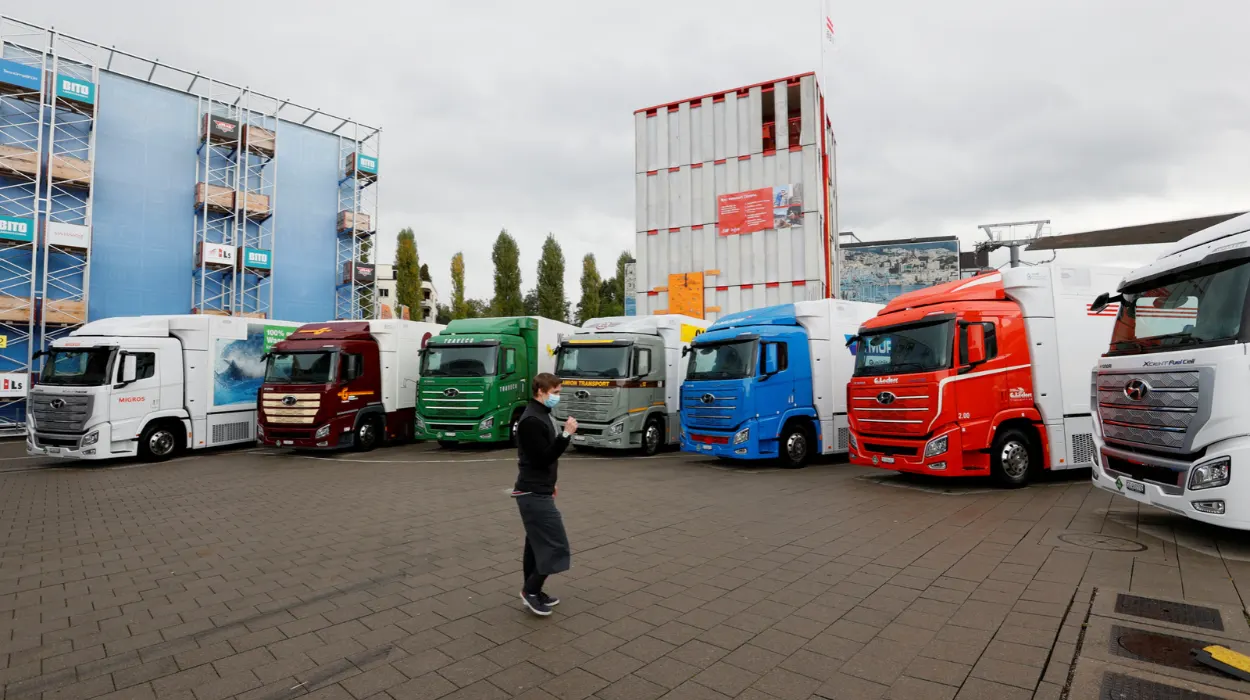
Brussels (Brussels Morning Newspaper) October 20, 2026 – The European Parliament is currently reviewing a revised legislative package concerning automotive emission standards, which includes provisions allowing manufacturers to balance emissions performance over a multi-year period alongside lowered reduction targets for new vans. Under the proposals under discussion, the reduction target for new vans in 2030 would be adjusted from 50 per cent to 40 per cent, while small electric cars produced within the European Union would receive favourable treatment in fleet emission calculations. These deliberations form part of broader discussions within the European Union regarding the future trajectory of vehicle emissions compliance and industrial competitiveness.
Legislative Context And Committee Review
The file concerning carbon dioxide emission standards is handled within the European Parliament by the Committee on the Environment, Climate and Food Safety (ENVI). Italian Member of European Parliament Massimiliano Salini, representing the European People’s Party, serves as the rapporteur for the legislative file. According to the legislative register, an indicative date of November 23, 2026, has been scheduled for consideration in the full plenary session, while the matter remains under review at the committee level.
The adoption of any formal amendments requires an agreement between both the European Parliament and the Council of the European Union, following the standard ordinary legislative procedure. Until any legislative amendments are formally adopted and enacted, the existing legal benchmark remains the 100 per cent reduction target framework. Consequently, neither preliminary institutional proposals nor recent high-level political declarations can be treated as currently available regulatory exemptions.
Proposed Flexibilities And Fleet Calculations
The adjustments under consideration by European lawmakers introduce specific compliance mechanisms for vehicle manufacturers. Among the core elements being examined is a provision that would allow automotive producers to balance their emissions performance across the 2030 to 2032 compliance window. This multi-year averaging approach represents a modification from stricter single-year compliance obligations.
Additionally, the target for reducing carbon dioxide emissions from new vans in the year 2030 is projected to be adjusted downward from the previously established 50 per cent threshold to 40 per cent. To encourage regional manufacturing and consumer adoption, small battery-electric vehicles produced inside the European Union would also be granted favourable regulatory treatment when calculating overall corporate fleet emissions. Parliamentary officials have clarified that these proposed regulatory adjustments are distinct from separate flexibility measures implemented for the 2025 to 2027 period, which were formally adopted in June 2025.
Broader Policy Debates And Institutional Divisions
The discussions surrounding the automotive package take place against a backdrop of differing viewpoints among European Union member states and political factions regarding the pace of the automotive transition. Debates within Council and Parliamentary formats have previously highlighted contrasting priorities between member states emphasizing rapid electrification to meet long-term climate commitments and those advocating for greater technological neutrality, flexibility, and support for alternative compliance pathways.
Stakeholders across the automotive sector have consistently engaged with policymakers regarding the practical challenges associated with fleet transformation, compliance timelines, and infrastructure readiness. While industrial representatives have frequently highlighted the economic pressures facing manufacturers, proponents of stringent targets emphasize the necessity of maintaining regulatory certainty to support green investments and reduce transport-related emissions. The ongoing legislative process in the European Parliament will determine the final parameters governing vehicle technologies entering the European market in the coming decade.