Brussels The European Union has rejected claims that it plans to host Taliban officials in Brussels, while confirming that technical-level contacts with Afghanistan’s de facto authorities are ongoing primarily focused on migration and return policies.
During a recent press briefing, EU officials addressed growing concerns over reports suggesting a possible visit by a Taliban delegation to Belgium. The issue has sparked significant debate among policymakers, journalists, and human rights advocates, particularly regarding the implications for EU foreign policy and human rights commitments.
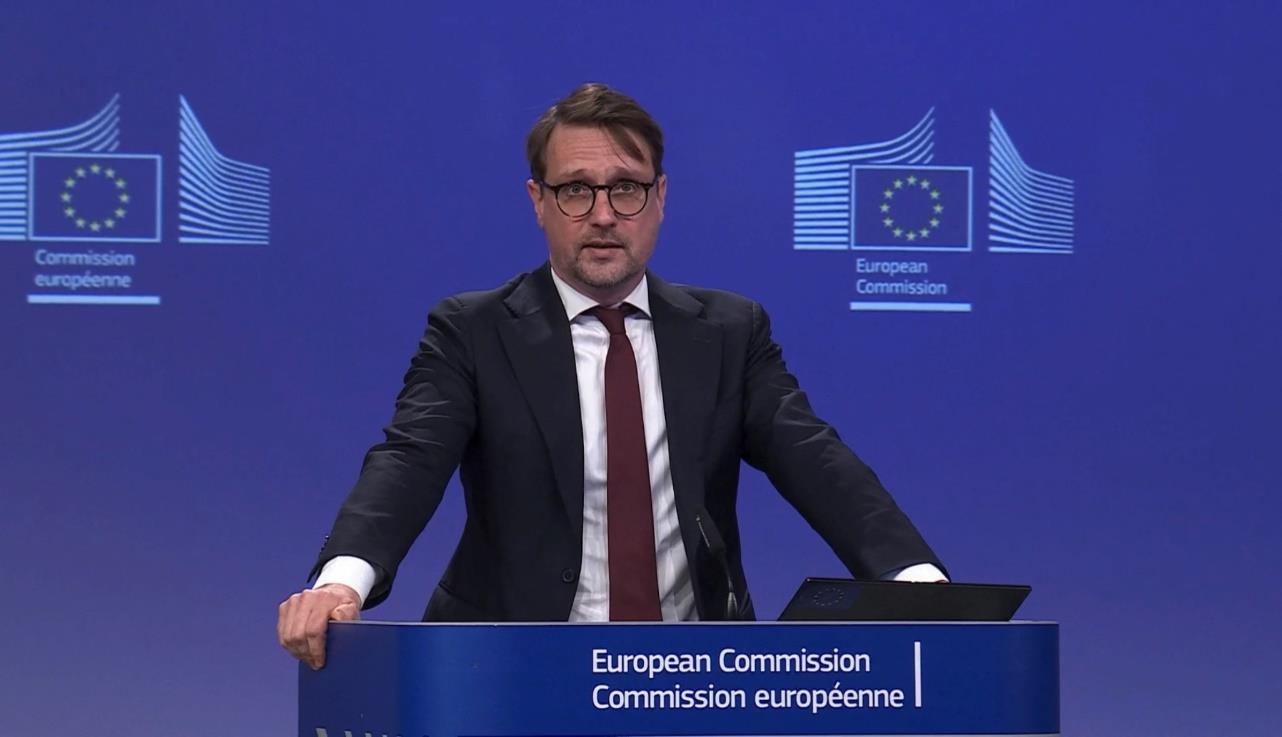
An EU spokesperson made it clear that there is no confirmed meeting scheduled in Brussels with Taliban representatives and no formal invitation has been issued.
“I cannot confirm that a meeting with the de facto authorities from Afghanistan is scheduled to take place in Brussels or that an invitation has been sent,” the spokesperson stated. Crucially, EU officials emphasized that any engagement with the Taliban remains strictly at a technical level and does not imply diplomatic recognition.
When asked whether such contacts could signal a normalization of diplomatic relations, the response was unequivocal:
“This is a clear no. So, No Invitation, No Recognition.”
The ongoing technical contacts stem from a joint letter sent in October 2025 by 20 EU interior and migration ministers, calling for stronger coordination on the return of Afghan nationals who do not have the right to remain in the European Union.
According to EU officials, these discussions are focused particularly on individuals who pose security threats and have no legal right to stay in the EU. “These contacts are about operational coordination,” the spokesperson explained, adding that the European Commission and the European External Action Service were tasked with engaging on this issue.
A technical mission to Afghanistan took place in January, and the EU is currently working on follow-up measures in line with Council conclusions. The EU acknowledged that returns to Afghanistan remain highly sensitive, given the country’s ongoing humanitarian and human rights crisis. European Commission President Ursula von der Leyen had already highlighted this challenge in a letter to EU leaders, noting that returns to countries like Afghanistan require comprehensive and coordinated approaches.
“Afghanistan still faces an acute humanitarian and human rights situation,” officials reiterated.
Importantly, EU representatives stressed that return decisions are made individually by Member States, following full assessments of asylum cases. Only those who have no legal right to stay in the EU fall under return procedures. “All returns must be carried out in full respect of EU and international law, including fundamental rights,” the spokesperson said.
Concerns Over “Normalization” and Double Standards
Despite official assurances, concerns remain strong among journalists and observers, particularly regarding the broader political implications of engaging with the Taliban. During the press conference, questions were raised about whether even technical engagement could lead to gradual normalization of relations with a regime widely criticized for severe human rights violations especially against women.
One journalist pointed out that similar processes in the past, including in countries like Germany, had evolved from technical contacts into more formal engagement, including the transfer of embassy control. There are also growing fears among Afghan communities that such engagement could eventually lead to recognition, financial support, or diplomatic concessions benefiting the Taliban.
In response, EU officials reiterated that their mandate is limited to operational engagement, aimed at monitoring the situation on the ground, supporting EU Member States, and ensuring humanitarian assistance reaches the Afghan population. “This does not mean recognition by any means,” an EU representative stressed.
The EU’s position reflects a broader dilemma: how to manage migration and security concerns while maintaining a firm stance on human rights and international law. On one hand, European governments face increasing domestic pressure to address irregular migration and deport individuals without legal status. On the other, Afghanistan remains a country where serious risks including persecution, violence, and systemic rights violations persist.
This tension has led to criticism that EU policies risk appearing inconsistent, or even contradictory. Human rights organizations and UN experts have repeatedly warned that returns to Afghanistan could violate the principle of non-refoulement, which prohibits sending individuals back to countries where they face serious harm.
What Comes Next?
For now, the EU insists that its approach remains cautious, limited, and fully aligned with legal obligations. There is no indication of diplomatic normalization, and any future steps will likely continue under the framework of technical cooperation. However, as discussions continue and political pressures within Europe intensify, the debate is far from over.
For many observers especially within the Afghanistan diaspora the key concern remains whether today’s “technical contacts” could become tomorrow’s political engagement. And as one journalist pointedly asked during the briefing: If engagement continues to expand, where does the line between necessity and normalization truly lie?
Following reports about the possible invitation of Taliban representatives to Brussels, Afghan civil society, women’s movements, protesters, and diaspora communities across various countries expressed their dissatisfaction. Through open letters addressed to European institutions, the United Nations, and different governments, they raised their concerns and called for preventing such an invitation.