
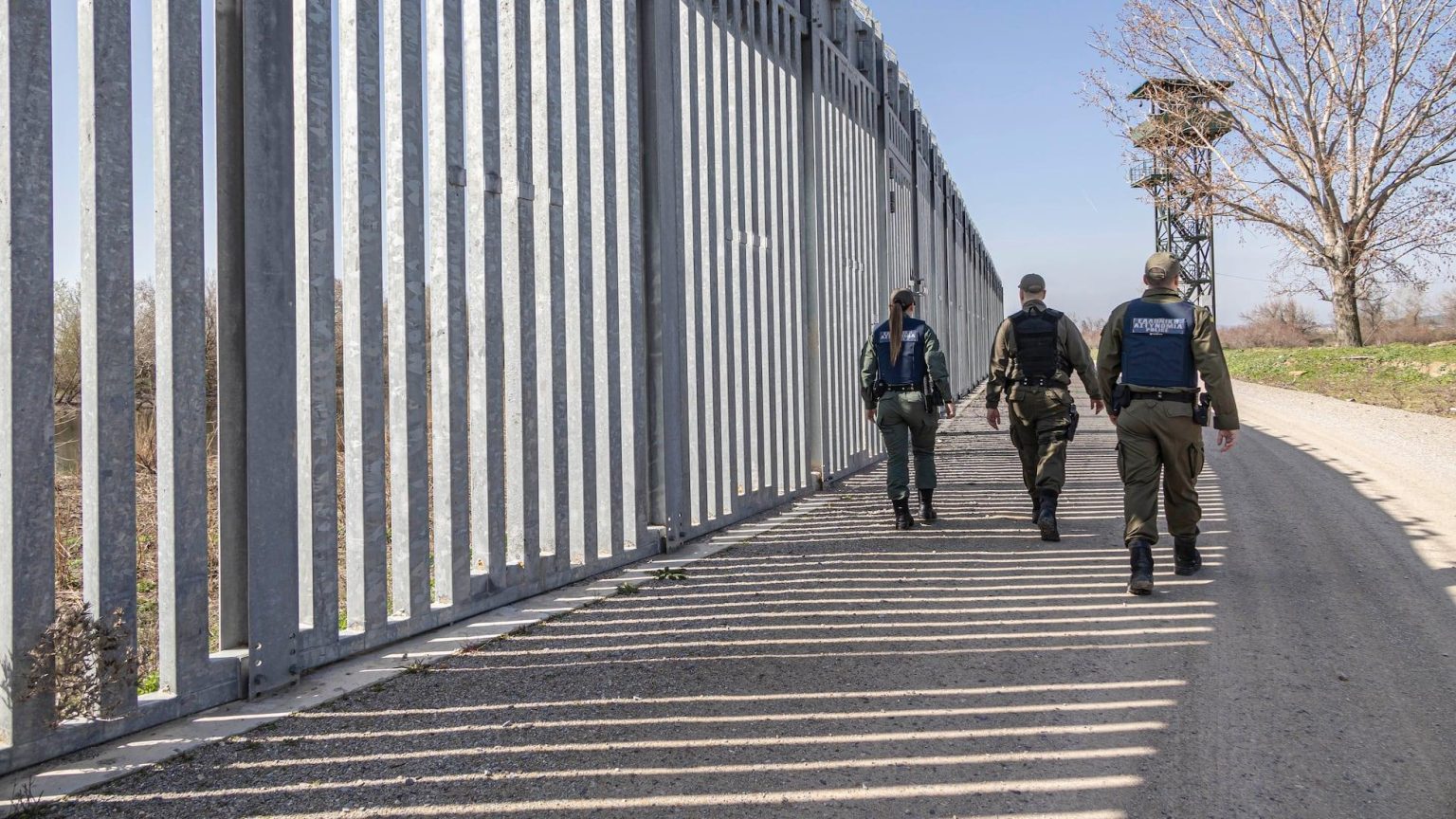
Brussels, 30 September, (Brussels Morning Newspaper) – The European Union is strengthening EU border security and migration controls as governments implement the Migration and Asylum Pact, expand digital border checks and prepare to discuss returns and Schengen security at a meeting of home affairs ministers on 1 October.
New migration rules reshape external border controls
The Pact on Migration and Asylum entered into application across EU countries on 12 June 2026, creating common procedures for screening and registering irregular arrivals, processing asylum claims and returning people who do not have a right to remain. It also introduced a permanent solidarity mechanism intended to distribute responsibility when individual member states face migratory pressure.
People arriving irregularly at external borders can undergo identity, security, health and vulnerability checks before being directed towards an asylum or return procedure. The system is supported by Eurodac, the EU database used for asylum and migration management.
Digital controls are another part of the strategy. The Entry/Exit System, which records passport details, biometric information and entry and exit data for short-stay non-EU travellers, became fully operational at applicable external crossing points on 10 April 2026, following its progressive rollout from October 2025. Cyprus and Ireland are excluded from that implementation.
EU links migration management with faster returns
Brussels has also placed greater emphasis on returning people who have no legal right to remain. In June, the Council and European Parliament reached a provisional agreement on new EU-wide return rules, including stronger cooperation requirements and provisions allowing return hubs in countries outside the EU, subject to legal and fundamental-rights safeguards.
Commission President Ursula von der Leyen has described the approach as combining border enforcement with fundamental rights, saying Europe would “never compromise on protecting our borders”.
The Commission’s five-year migration strategy also prioritises cooperation with non-EU countries, action against smuggling networks, stronger readmission arrangements and legal pathways for workers needed by European economies.
Border investment forms part of wider security policy
The Commission has proposed €81 billion for migration, border management and internal security under the 2028–2034 EU budget framework — around three times the level under the current framework. The final amounts remain subject to negotiations on the next long-term EU budget.
The funding is intended to support border technology, implementation of the migration pact, law enforcement and responses to security threats.
The measures mean EU border security increasingly combines physical controls with biometric databases, shared asylum procedures and cooperation between national authorities.
What happens next?
EU home affairs ministers are scheduled to meet in Luxembourg on 1 October. They will review implementation of the migration pact, discuss Schengen security and examine cooperation with priority non-EU countries on readmission. Ministers will also consider stronger migration early-warning capabilities for crisis situations.
Negotiations between the Council and European Parliament will meanwhile continue on future EU funding for migration, borders and internal security, with financial allocations dependent on the final 2028–2034 budget agreement.