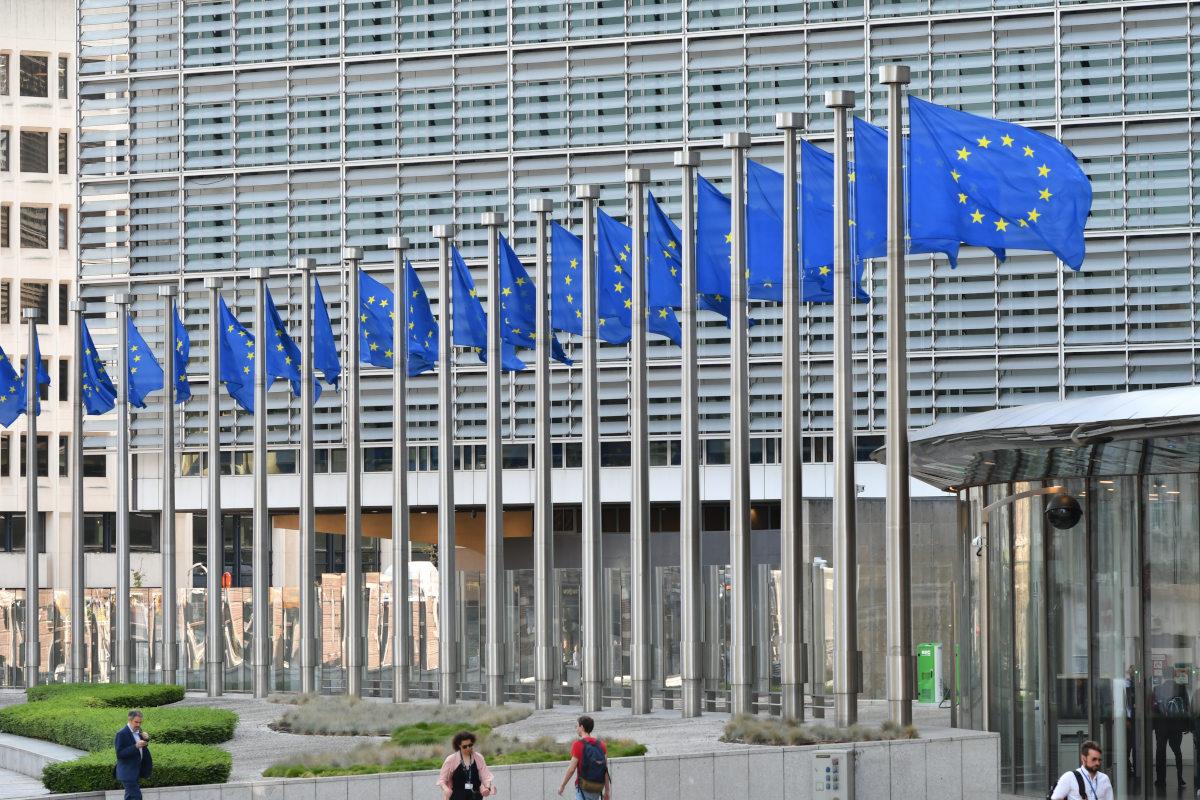
The Presidents of the European Parliament, Council and Commission have pledged to “protect, promote and support” culture in Europe.
On the sidelines of the European Council which ended on Friday in Brussels, they signed a joint declaration entitled “Europe for Culture, Culture for Europe”.
The declaration sets out their shared political commitment to protecting, promoting and supporting culture in Europe.
It was signed by the President of the Republic of Cyprus as the rotating Presidency of the Council of the European Union and the Presidents of the European Parliament and the European Commission
In their joint declaration, the three EU institutions reaffirmd the EU’s role in protecting cultural and linguistic diversity and integrating cultural considerations across all EU policies, while respecting national competencies.
The institutions set out their commitment to placing culture at the heart of the European project by protecting and promoting artistic freedom, cultural diversity, inclusion and fair conditions for artists.
Furthermore, they pledge to support the cultural and creative sectors by encouraging funding, innovation and capacity building, as well as by promoting Europe’s role as a global cultural and creative leader.
Culture for Europe
The joint declaration also acknowledges what it calls “the immense benefits” that Europe’s cultural and creative sectors provide in terms of fostering a shared European identity.
These, it adds, “underpin core EU values such as freedom, equality and respect for human rights, and boosting the EU’s competitiveness.”
The signatories each say they also recognise the key role that culture plays in addressing contemporary challenges, including geopolitical tensions, climate change, the digital transition, social inequality and the mental health crisis.
Twelve core principles
The commitments laid down in the declaration are organised around 12 overarching principles. Some focus on support for artists and cultural professionals and include pledges to protect artistic freedom of expression, promote fair pay and decent working conditions.
Other principles in the joint declaration are aimed at fostering broader access to culture.
The social and environmental benefits of culture are highlighted in the declaration.
Roberta Metsola, President of the European Parliament, said,“Europe’s story is told through its art, culture and creativity. This Joint Declaration sends a clear signal that we will continue to place culture at the heart of the European project. By supporting creative minds, protecting artistic freedom and strengthening our cultural and linguistic diversity, we are investing not only in one of Europe’s greatest strengths, but also in the millions of people whose talent, innovation and creativity help our societies and economies flourish.”
Nikos Christodoulides, President of the Republic of Cyprus, said the declaration recognises the crucial role of culture in shaping European identity.
“At a time of geopolitical uncertainty and rapid technological change, investing in artists, cultural heritage and creativity is also an investment in democracy, freedom and the values that bind Europe together. By signing this declaration, we are sending a clear message: culture must be fully integrated into European policymaking as a strategic priority for Europe’s future.”
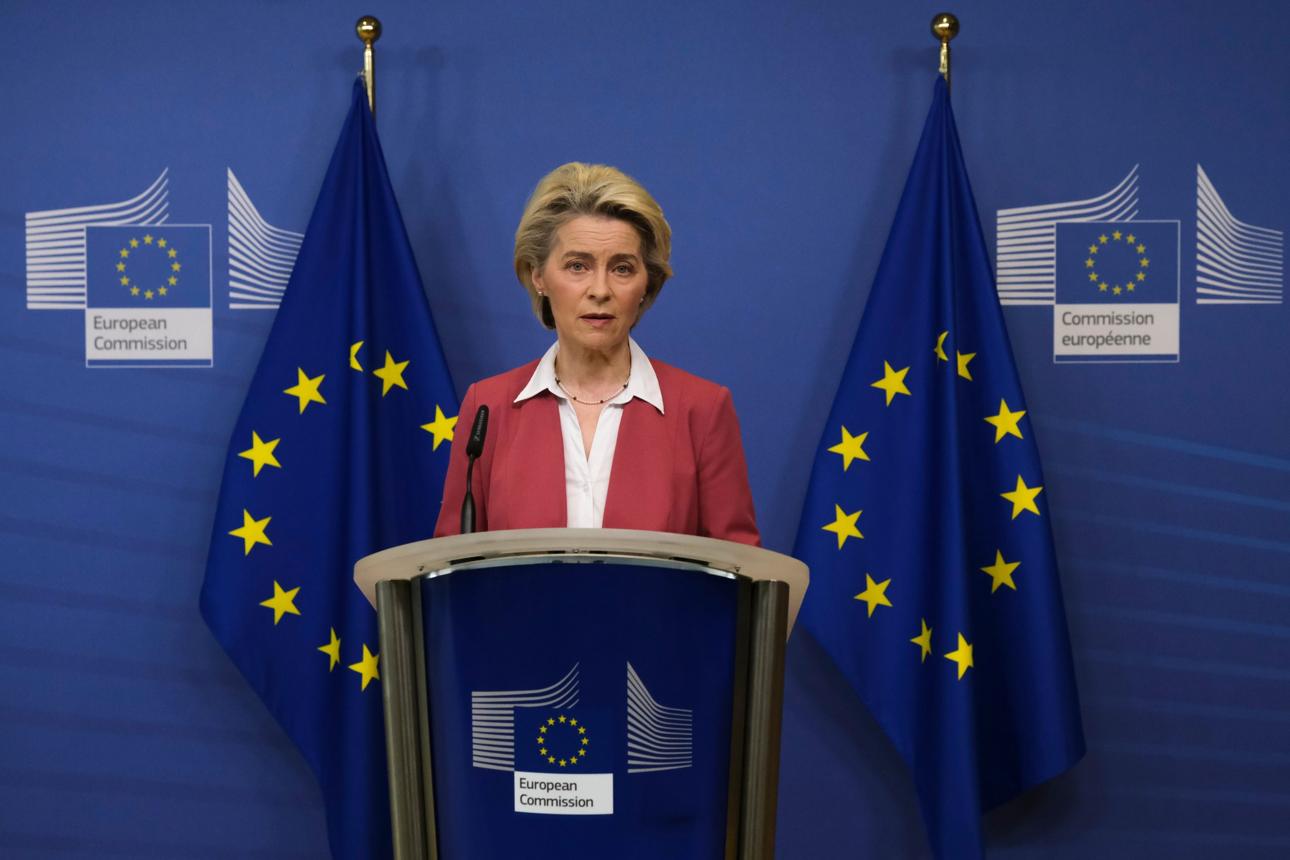
Ursula von der Leyen, President of the European Commission, added, “Our culture is at the core of our identity. As well as being a source of Europe’s economic and geopolitical strength. Today, we commit to protecting artistic freedom and making art accessible to all citizens – especially our youth. Culture must remain a force for unity and learning.”