

The release of long awaited government records tied to the Jeffrey Epstein investigation was expected to close one of the most troubling chapters in recent legal history. Instead, it has reopened old wounds and raised new questions. At the center of the controversy are Epstein files redactions, which critics say undermine transparency and prevent the public from understanding how such widespread abuse went unchecked for so long. Lawmakers across party lines argue that partial disclosures have failed to meet the moment, offering fragments instead of clarity.
What was intended as a step toward openness has instead fueled distrust. The heavy use of redaction has transformed document releases into symbols of institutional reluctance, prompting renewed calls for accountability and reform.
Why the Epstein Case Still Resonates
The Epstein case is not simply remembered because of the crimes committed, but because of the systems that failed to stop them. Survivors have consistently emphasized that Epstein operated within environments where power and influence insulated wrongdoing from consequences.
The continued presence of Epstein files redactions reinforces fears that those systems are still being protected. When records remain partially hidden years later, it raises concerns that lessons have not been fully learned and that future abuses could follow similar patterns.
Public Expectations Versus Reality
When officials announced document releases, the public expected meaningful insight into investigative decisions, institutional responses, and missed opportunities for intervention. Instead, many documents arrived with large sections obscured, leaving timelines incomplete and narratives disjointed.
Observers argue that Epstein files redactions create confusion rather than understanding. Information that appears in one file is missing in another, creating inconsistencies that fuel speculation and mistrust. Rather than closing the book, the releases have intensified public curiosity and skepticism.

Lawmakers Speak Out
Members of Congress have increasingly voiced frustration with the scope and depth of withheld material. In hearings and public statements, lawmakers have emphasized that transparency is essential for public trust, particularly in cases involving power and privilege.
Criticism has focused on how Epstein files redactions limit oversight. Without full access to records, lawmakers argue they cannot properly assess institutional failures or recommend reforms. The bipartisan nature of the backlash reflects widespread concern that secrecy has gone too far.
Balancing Privacy and Accountability
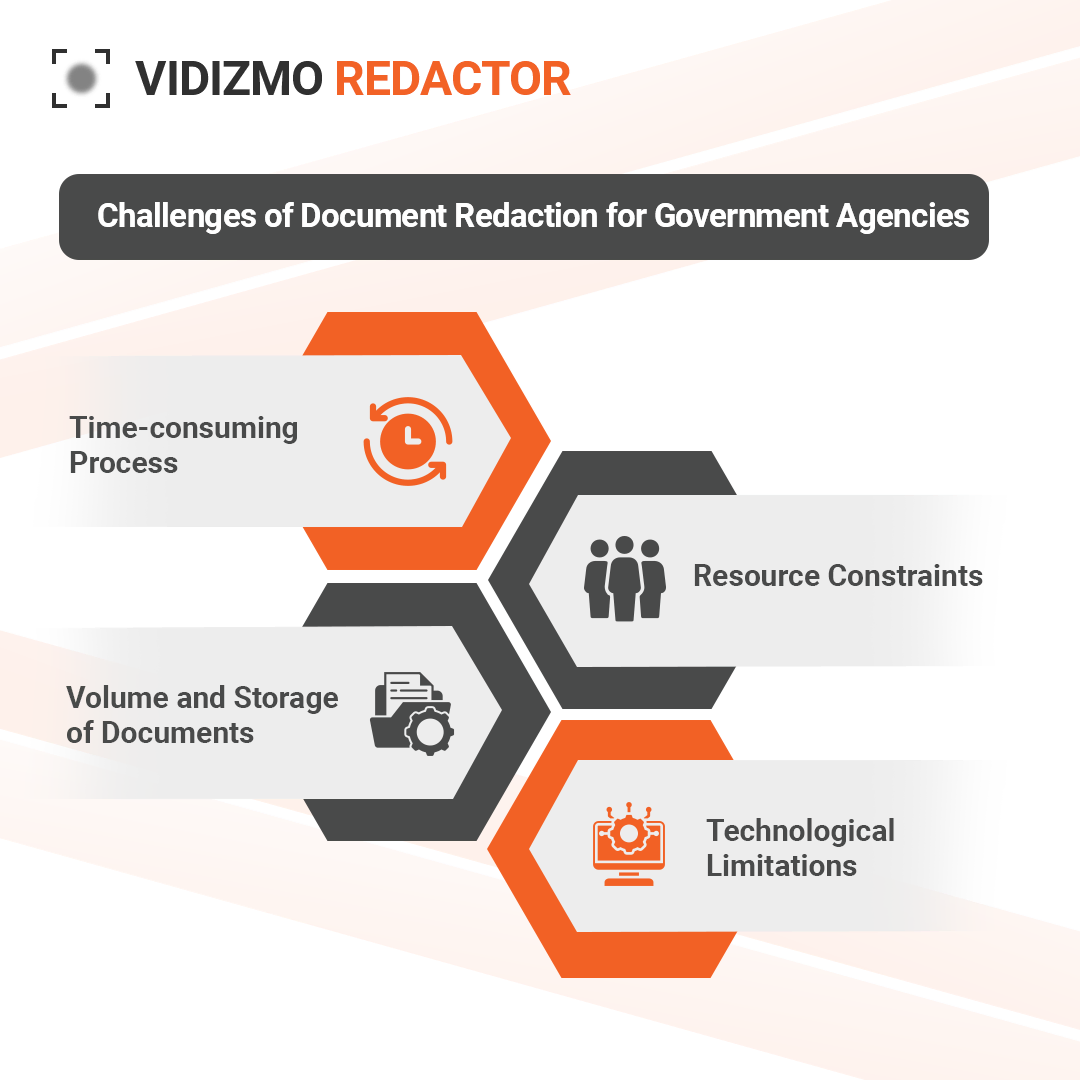
Government agencies responsible for releasing records defend redactions as necessary safeguards. They argue that privacy protections are essential for victims, witnesses, and individuals who were never charged with crimes.
Critics counter that Epstein files redactions often extend beyond personal privacy. Entire passages detailing institutional actions or decision making are removed, preventing the public from evaluating how and why failures occurred. Transparency advocates insist that accountability and privacy can coexist when disclosures are handled responsibly.
Erosion of Public Trust
Trust in public institutions depends on openness, consistency, and honesty. When disclosures appear incomplete, confidence erodes. The controversy surrounding Epstein files redactions has amplified broader concerns that justice operates differently for the powerful.
Each blacked out page reinforces perceptions that secrecy protects influence rather than integrity. Restoring trust will require more than incremental releases. It will require a demonstrable commitment to openness and accountability.
The Survivor Perspective
For survivors of abuse, transparency is not abstract. It is deeply personal. Many have stated that continued secrecy delays healing and reinforces the feeling that their experiences remain secondary to institutional reputation.
The existence of Epstein files redactions is seen by some survivors as a continuation of the same dynamics that allowed abuse to persist. Advocacy groups stress that acknowledging failures openly is a necessary step toward justice and prevention.
Challenges for Journalism
Investigative journalism plays a crucial role in democratic oversight. Reporters rely on public records to verify facts, establish timelines, and uncover patterns of behavior.
Heavy redactions complicate this work. Journalists covering Epstein files redactions report that missing context makes it difficult to draw accurate conclusions. The result is an information gap that leaves the public vulnerable to speculation rather than informed understanding.
Legal Standards and Oversight
Legal experts remain divided over whether current redaction practices align with transparency laws. Some argue agencies are applying exemptions too broadly, defaulting to secrecy instead of disclosure.
The debate over Epstein files redactions has renewed calls for clearer legal standards and independent oversight. Without firm boundaries, critics warn that redactions risk becoming a routine shield rather than a limited exception.
Political and Policy Implications
Beyond the Epstein case itself, this controversy has far reaching implications. How governments handle sensitive disclosures sets precedents for future investigations involving powerful individuals.
If Epstein files redactions remain largely unchallenged, critics fear it could encourage greater secrecy across institutions. Conversely, meaningful reform could strengthen transparency standards and rebuild public confidence.
International Scrutiny
The Epstein case has attracted global attention, and the handling of related documents is being watched closely abroad. Transparency standards in the United States are often viewed as benchmarks.
How officials address Epstein files redactions will influence international perceptions of accountability and rule of law. Continued secrecy risks undermining credibility on the world stage.
Proposals for Reform
Reform proposals range from independent review panels to standardized redaction guidelines and mandatory explanations for withheld content. Supporters argue these measures would strike a better balance between privacy and public interest.
Addressing Epstein files redactions through clear, consistent processes could demonstrate a renewed commitment to transparency and institutional responsibility.
A Broader Reckoning
This controversy reflects a deeper tension between secrecy and accountability. It raises fundamental questions about how democratic systems handle uncomfortable truths.
The debate over Epstein files redactions is ultimately about whether institutions are willing to confront their own failures. Transparency is not about punishment alone, but about learning, reform, and prevention.
The release of Epstein related documents was meant to bring closure, but it has instead highlighted unresolved issues of trust and accountability. Epstein files redactions have become a symbol of public frustration with systems that appear reluctant to fully disclose uncomfortable realities.
If confidence in institutions is to be restored, openness must replace opacity wherever legally possible. The public is not demanding sensationalism. It is demanding honesty, responsibility, and assurance that justice is not selectively applied.