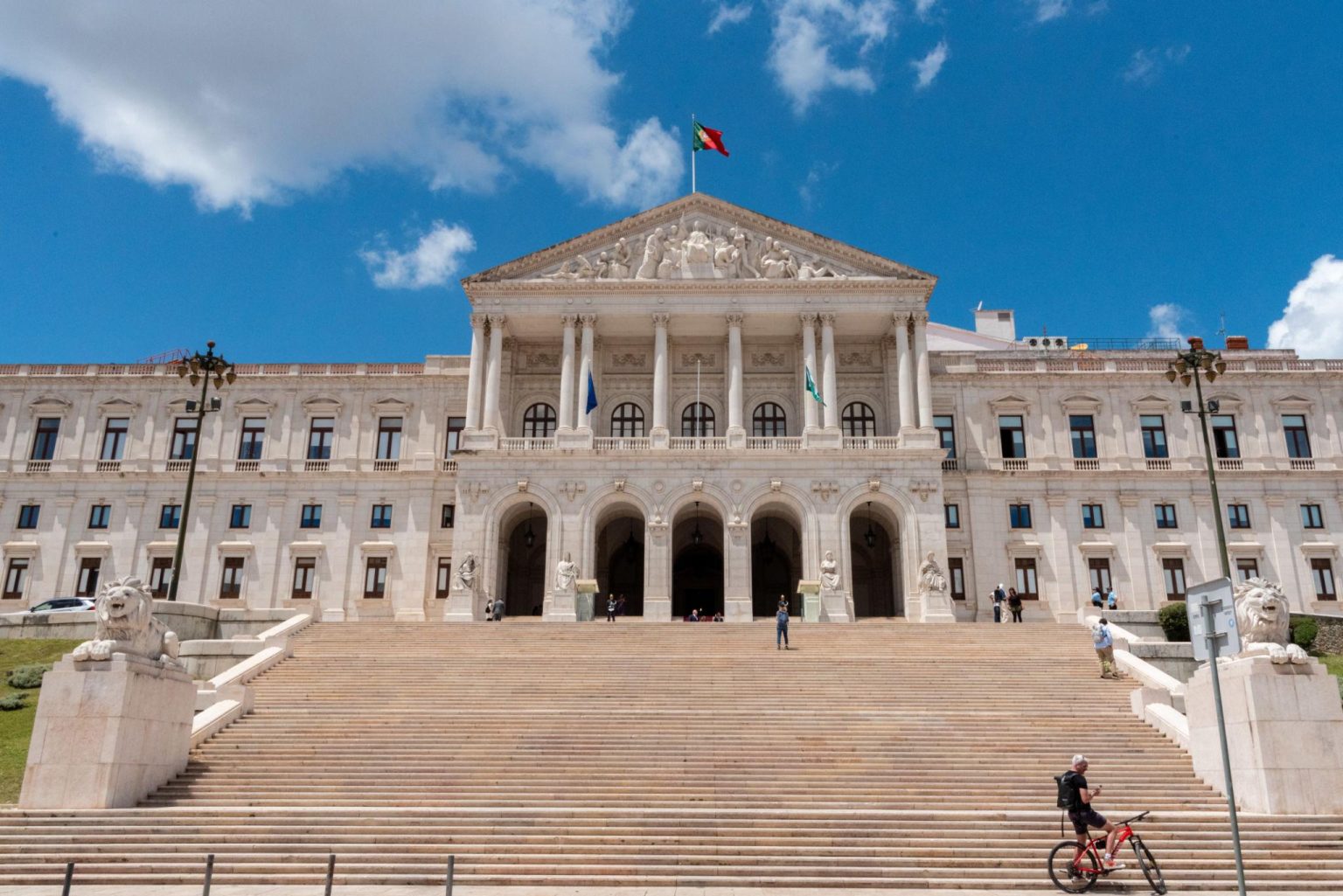
Lisbon, Portugal, June 19 – Brussels Morning Newspaper — Employment legislation Europe remains in focus after Portugal’s parliament voted against the government’s proposed labour reform package, delivering a major setback to the country’s minority administration. The decision comes after weeks of political debate over employment protections, business flexibility, and economic competitiveness. The failed vote is expected to increase pressure on government leaders to negotiate with opposition parties before introducing another version of the legislation.
The proposed reforms were designed to modernize Portugal’s labour market by simplifying hiring rules, encouraging long-term employment, and making businesses more adaptable during economic uncertainty. Government officials argued that updating employment regulations would help attract investment while strengthening the country’s position within the European economy. However, opposition lawmakers maintained that several measures risked weakening employee protections and reducing job security.
The parliamentary rejection represents one of the most significant legislative defeats for the minority government this year. Without a majority in parliament, government leaders must secure support from opposition parties to approve major policy initiatives. The latest vote demonstrates how difficult that process has become as political divisions continue to shape debates over economic reforms.
Business organizations had largely welcomed the proposed measures, saying greater flexibility could encourage employers to expand hiring and improve competitiveness. Labour unions, however, argued that workers should not bear the burden of economic reforms. The disagreement highlighted the continuing debate surrounding Employment legislation Europe, where governments are attempting to balance labour protections with changing economic conditions.
One government official previously defended the reforms by stating, “Our objective is to modernize the labour market while protecting workers and encouraging sustainable economic growth.”
Political analysts say the defeat does not necessarily end the reform effort. Instead, negotiations are expected to continue as government officials seek a revised proposal capable of attracting broader parliamentary support. Compromise measures may include additional safeguards for employees while preserving reforms intended to improve labour market efficiency.
Across Europe, governments continue reviewing employment policies in response to technological change, remote work, demographic shifts, and global competition. Portugal’s parliamentary vote reflects many of the same challenges facing policymakers throughout the region as they attempt to update labour laws without reducing long-standing worker protections.
Investors and employers will now closely monitor whether political leaders can reach consensus on revised legislation. Stable employment rules are widely viewed as important for business confidence and long-term investment planning, particularly as European economies continue adapting to changing market conditions.
For now, the rejection leaves Portugal’s government facing renewed political pressure while delaying one of its key economic priorities. The coming weeks are expected to determine whether negotiations can produce a compromise that satisfies both economic objectives and worker protection concerns.