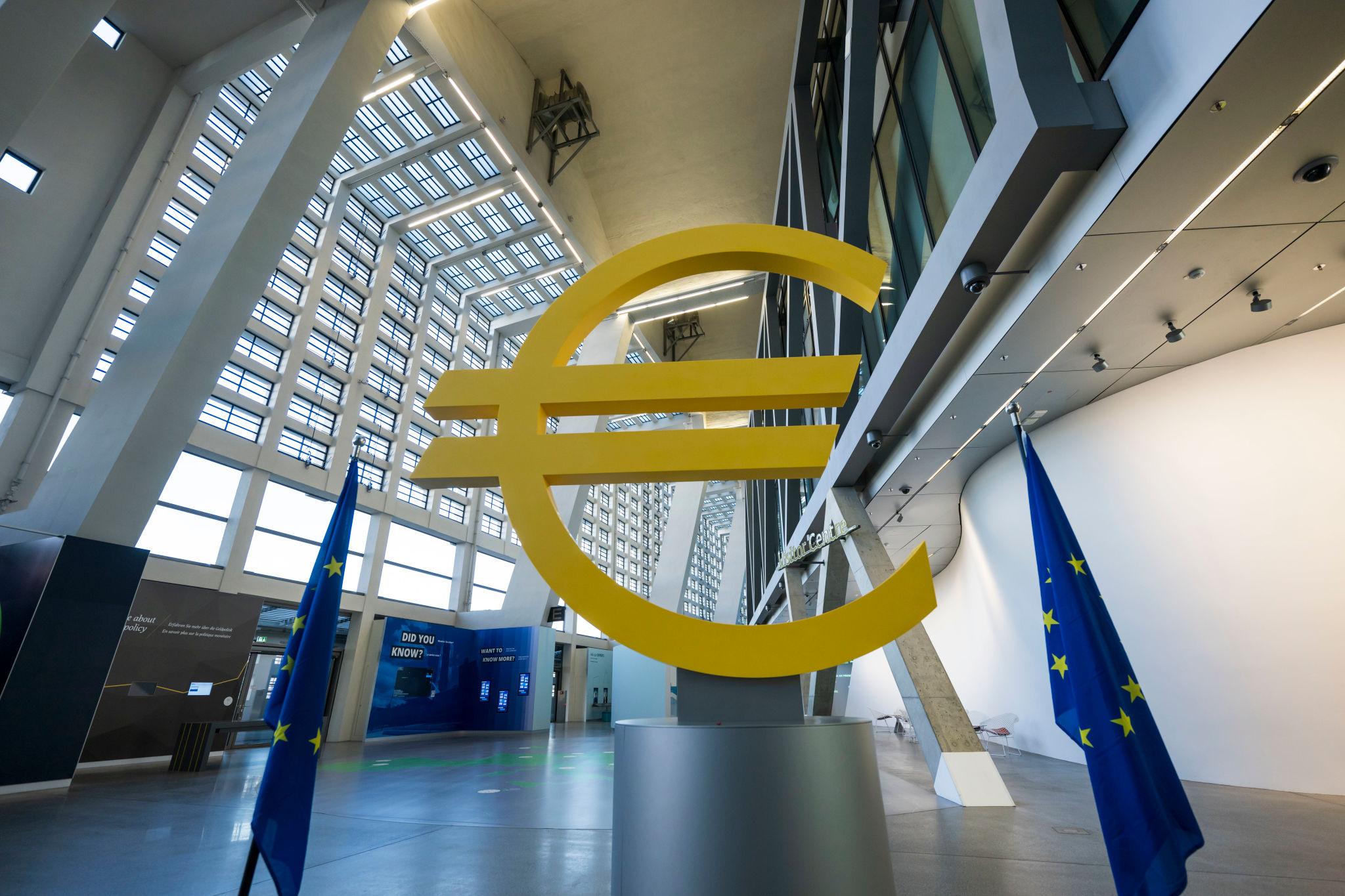

Brussels, 3 October, (Brussels Morning Newspaper) – ECB inflation pressure has intensified after euro-area price growth accelerated in September, driven largely by higher energy costs and renewing scrutiny of the European Central Bank’s monetary policy outlook.
Eurostat’s latest flash estimate showed annual inflation rising to 3.8% in September 2026, compared with 3.2% in August. The acceleration moved inflation further above the ECB’s 2% medium-term target, bringing interest rates and Europe’s cost-of-living pressures back into focus.
Energy costs intensify inflation pressures
Energy was the most significant factor behind September’s increase. Eurostat estimated annual energy inflation at 18.8%, up from 14.3% in August.
Services inflation increased to 3.2% from 3.0%, while food, alcohol and tobacco inflation rose to 1.4% from 1.1%. Inflation for non-energy industrial goods eased slightly to 1.1%.
Underlying inflation showed a more moderate increase. The measure excluding energy, food, alcohol and tobacco rose to 2.5% from 2.4%, indicating that energy remained a major driver of the headline acceleration.
Price pressures differ across the euro area
Inflation continues to vary considerably between euro-area economies, creating a complicated environment for policymakers responsible for setting a single monetary policy across the currency union.
Differences in energy exposure, national economic conditions and domestic price pressures mean households and businesses are not experiencing inflation uniformly.
Bulgaria joined the euro area on 1 January 2026, expanding the single-currency bloc to 21 member countries.
ECB inflation pressure raises rate questions
The latest figures strengthen attention on the European Central Bank as policymakers assess whether inflation will remain elevated or begin moving back towards the institution’s medium-term target.
The ECB must balance inflation risks against the economic consequences of restrictive monetary policy. Higher interest rates can reduce demand and help control prices but can also increase borrowing costs for households and businesses.
The central issue is whether September’s acceleration represents predominantly an energy-related shock or develops into broader and more persistent price pressure.
Households face renewed cost pressures
Higher energy prices can affect European households through electricity, heating and transport bills. Businesses can also face rising production and distribution expenses, particularly in energy-intensive industries.
Persistent ECB inflation pressure could therefore influence consumer spending, corporate investment and government decisions over financial support for households.
The development is particularly significant in Brussels, where EU policymakers continue to address energy security, economic competitiveness and the cost of Europe’s energy transition.
What happens next?
Eurostat is expected to publish more detailed September inflation figures later in October, providing a clearer picture of the countries and price categories responsible for the increase.
ECB policymakers will meanwhile continue assessing inflation, wages, economic growth and energy markets before upcoming monetary policy decisions.
Whether ECB inflation pressure eases will depend heavily on future energy-price developments and the extent to which higher costs spread through the wider economy. Those trends will help shape the outlook for interest rates and economic growth across the euro area.